







Introduction:A deep dive into the unique naming origin of Indonesian Sumatra Mandheling coffee, as well as the wet-hulling process that gives it its bold aroma and rich body. This article provides a detailed look at the origins of Golden Mandheling, PWN’s rigorous selection standards, along with practical pour over parameters and flavor profile analysis to help coffee enthusiasts master the brewing techniques of this classic Southeast Asian bean.
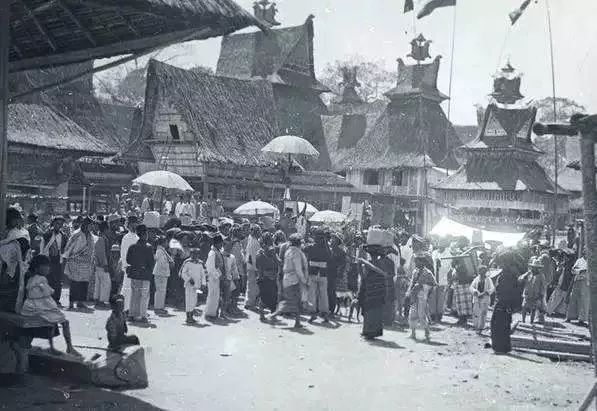
Mandheling coffee is a classic representative from Sumatra, Indonesia, renowned for its full-bodied mouthfeel and distinctive herbal, spicy notes. However, the name does not derive from a coffee variety, but from a WWII-era misunderstanding. It is said that a Japanese soldier, while in Indonesia, tasted a strongly flavored coffee and asked the shop owner about it. Due to a language mix-up, he misheard the local ethnic group "Mandailing" as "Mandheling." After the war, this coffee was introduced to the market through Japanese traders, gradually gaining popularity and cementing the name "Mandheling" in the public consciousness.
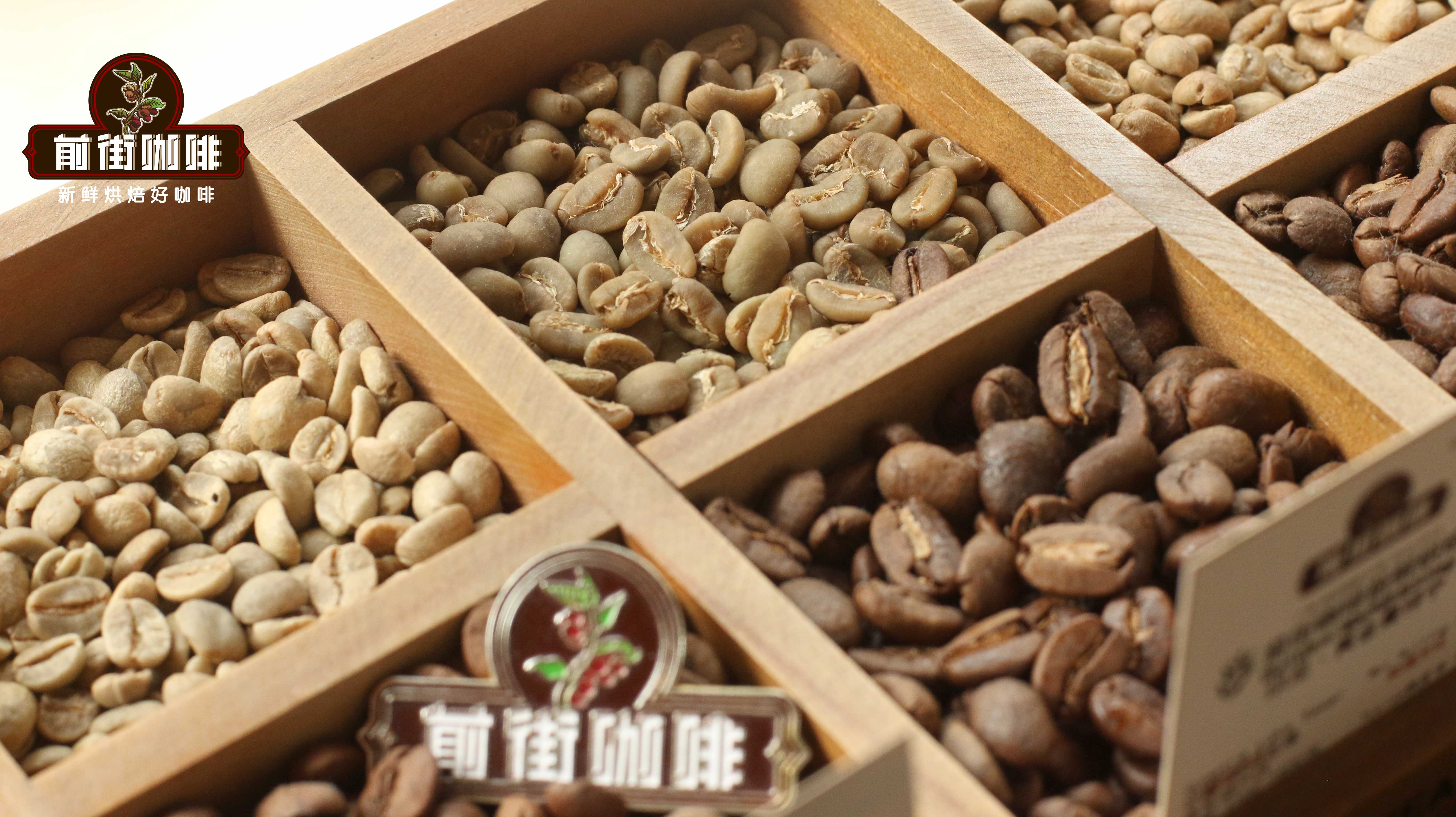
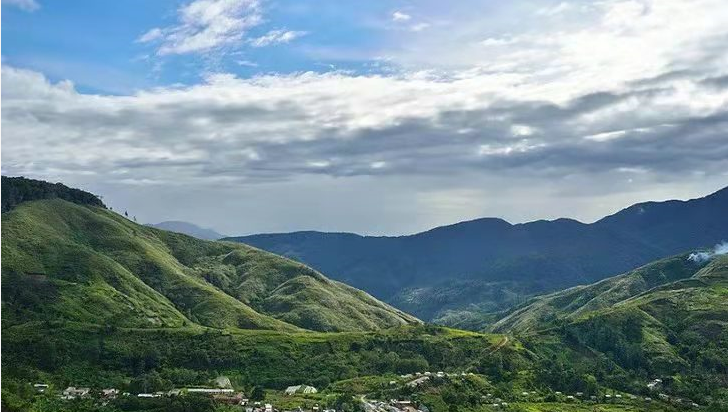
Sumatra’s climate is humid and rainy, with high temperatures and frequent rainfall making traditional sun-drying or washed processing methods difficult to implement. As a result, the region developed the unique "wet-hulling" method. This process begins by removing the outer skin of the coffee cherry, allowing the parchment-covered beans to undergo brief fermentation. Then, when the moisture content drops to between 30% and 50%, specialized machinery is used to remove the still-damp parchment layer. Because the beans are in a semi-dry state during processing and the environment has humidity levels as high as 70% to 90%, the resulting green beans retain more woody and herbal notes — the key to Mandheling coffee’s distinctive flavor profile.
When it comes to the top-tier representation of Mandheling, one cannot overlook Golden Mandheling produced by PWN. PWN (Pwani Coffee Company) is a major premium green bean supplier in Indonesia. Its Golden Mandheling is not only a registered trademark but also a widely recognized authentic brand in the market. This coffee undergoes a strict selection process involving one mechanical screening and three rounds of manual hand-picking, selecting only G1 grade beans sized 18 mesh or larger with extremely low defect rates. From the PWN logo on the jute sack packaging to the accompanying certification documents, all serve as important indicators of authenticity. Golden Mandheling features a clearer aroma, with prominent notes of dark chocolate and spices, and noticeably fewer off-flavors — making it a benchmark among many coffee connoisseurs.
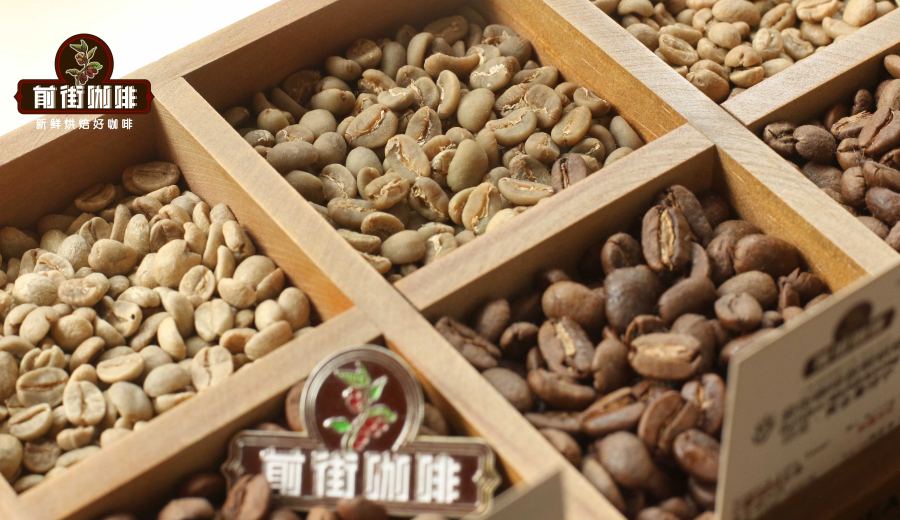
To fully showcase the bold characteristics of Mandheling, medium-dark roasts are typically employed to avoid excessive caramelization that could compromise the layered aromas. Newly roasted beans require a 7 to 10-day resting period to allow carbon dioxide to dissipate fully, after which the flavors reach their optimal state. To ensure consumers enjoy the coffee at its peak, it is recommended to choose freshly roasted beans within five days of roasting.
If choosing to brew Golden Mandheling using the pour over method, the following parameters are recommended for optimal extraction: use 15 grams of coffee grounds, extract approximately 200 grams of coffee with a 1:15 coffee-to-water ratio, suitable for 1 to 2 people. Water temperature is advised to be controlled between 87–88°C — excessively high temperatures can release too much bitterness, especially important to note for medium-dark roasted Mandheling. The grind size should be adjusted to medium-coarse, with a 70% passing rate through a Chinese No. 20 sieve or an EK-43s grind setting of 11, helping reduce the risk of over-extraction. The KONO filter cone is recommended for its smooth upper curve that adheres closely to the filter paper, restricting airflow that can carry away heat and creating a stable extraction environment similar to siphon brewing, which helps enhance the full-bodied mouthfeel. The specific brewing steps include: first wetting the filter paper and blooming for 30 seconds (using 30 grams of water), then pouring in small circular motions until reaching 125 grams before stopping, waiting for the liquid level to drop and then continuing to pour up to 225 grams, with total brew time controlled around 2 minutes.
Golden Mandheling delivers a pronounced herbal and cinnamon spice aroma upon entry, paired with the richness of dark chocolate and sweet nuttiness. The mouthfeel is velvety smooth, with a long-lasting, layered finish. From high to low temperatures, the flavor transitions are rich, and the overall profile is balanced and clean — a classic choice for experiencing the charm of Sumatran coffee.
The above content is compiled by CoffeeHunters, a coffee news website.


