







Introduction:Jamaican Blue Mountain coffee is hailed as one of the world’s top-tier coffees, yet the market is flooded with various products claiming to be "Blue Mountain," with only a very small number genuinely sourced from the Jamaican Blue Mountain region. This article delves into the historical background, growing environment, variety characteristics, and refined processing procedures of Blue Mountain No. 1 coffee, while also detailing its unique flavor profile and professional roasting curve. It further provides practical tips for authenticity verification, helping you distinguish genuine from fake based on appearance, aroma, grind feel, and taste, and master the key points for selecting authentic Blue Mountain coffee.
Renowned worldwide, Blue Mountain coffee is surrounded by a multitude of products bearing the "Blue Mountain" label, but those truly originating from the Jamaican Blue Mountain region are exceedingly rare. This article will begin with the historical origins of Blue Mountain coffee, deeply analyzing its growing environment, variety features, processing techniques, and rigorous grading system, while focusing on a particular brand’s offering of Jamaican Blue Mountain No. 1 coffee—washed Typica beans from the Clifton Estate, complete with official certification from the Jamaica Coffee Industry Board and Rainforest Alliance certification. We will also share the medium roast curve designed by professional roasters, a nuanced description of its flavor profile, and four key authentication points covering appearance, grind feel, aroma, and taste, teaching you how to easily identify true Blue Mountain coffee.
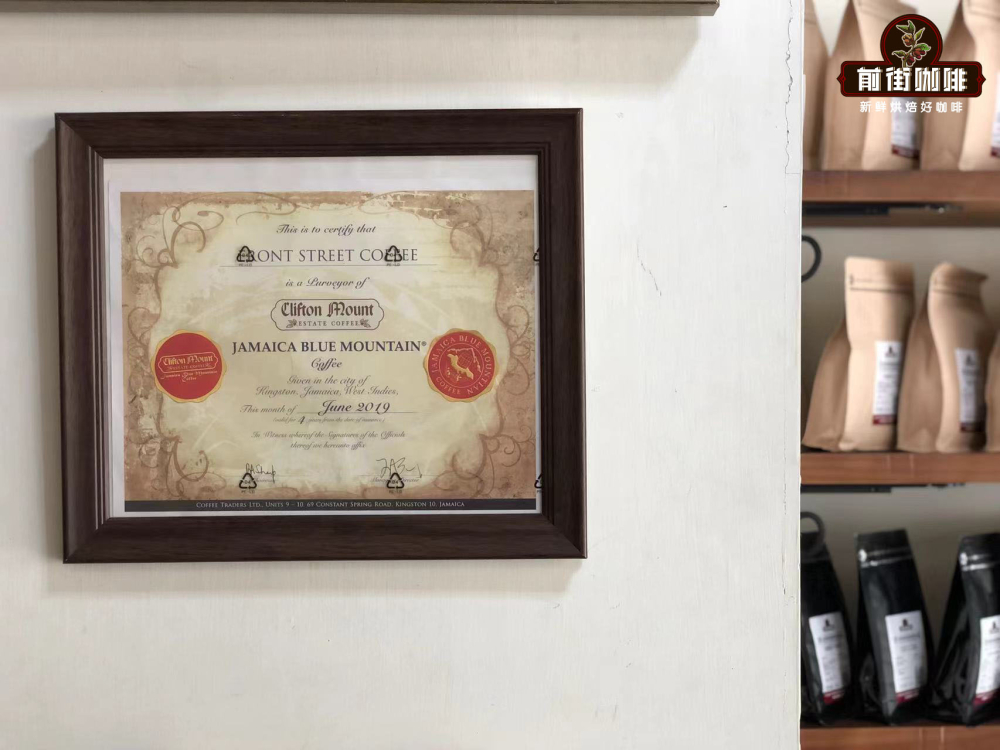
In the market, commonly seen "Blue Mountain" products can generally be divided into two categories: one is labeled as "Blue Mountain flavor" blends, which are actually composed of beans from other regions but are blended to mimic Blue Mountain characteristics; the other is genuine Blue Mountain coffee from the Jamaican Blue Mountain region—the orthodox Blue Mountain as commonly recognized. A certain brand’s Jamaican Blue Mountain No. 1 coffee holds an official certificate issued by the Jamaica Coffee Industry Board, and the raw bean barrels are even stamped with a green frog emblem, symbolizing their origin from the Clifton Estate, which has earned Rainforest Alliance certification. It is worth mentioning that Jamaica is the only producing country in the world that still ships raw beans in wooden barrels. Orthodox Blue Mountain No. 1 coffee is known for its rich, layered aroma and balanced, unbiased taste, where no single flavor is overly prominent or lacking. In addition, its price is relatively high, mainly due to its limited production, exceptional flavor, and strict quality control.
Many coffee enthusiasts often immediately think of "Blue Mountain No. 1" when discussing Blue Mountain, but the labels commonly seen in the market are varied, including Blue Mountain No. 1 coffee, Blue Mountain flavor coffee, and even Blue Mountain blends, which can be confusing. In fact, not all products labeled "Blue Mountain" are the authentic Blue Mountain No. 1 coffee from the Jamaican Blue Mountain region. Therefore, understanding the origin and grading of Blue Mountain coffee becomes a crucial factor in making a selection. Next, let’s start with the historical background of Blue Mountain coffee and gradually explore the mysteries of this legendary brew.
The history of coffee cultivation in Jamaica dates back to the early 18th century. In 1717, King Louis XV of France ordered the introduction of coffee cultivation to Jamaica. By the mid-1720s, then Governor of Jamaica, Sir Nicholas Lawes, introduced Arabica seeds from Martinique and promoted planting in the St. Andrew area. These coffee trees later found an ideal growing environment in the Blue Mountains, gradually taking root and developing into what is now world-renowned Blue Mountain coffee. Over time, Jamaica further categorized coffee into three main types based on altitude and quality: Blue Mountain coffee, High Mountain coffee, and regular Jamaican coffee. Each category differs not only in altitude but also in price.
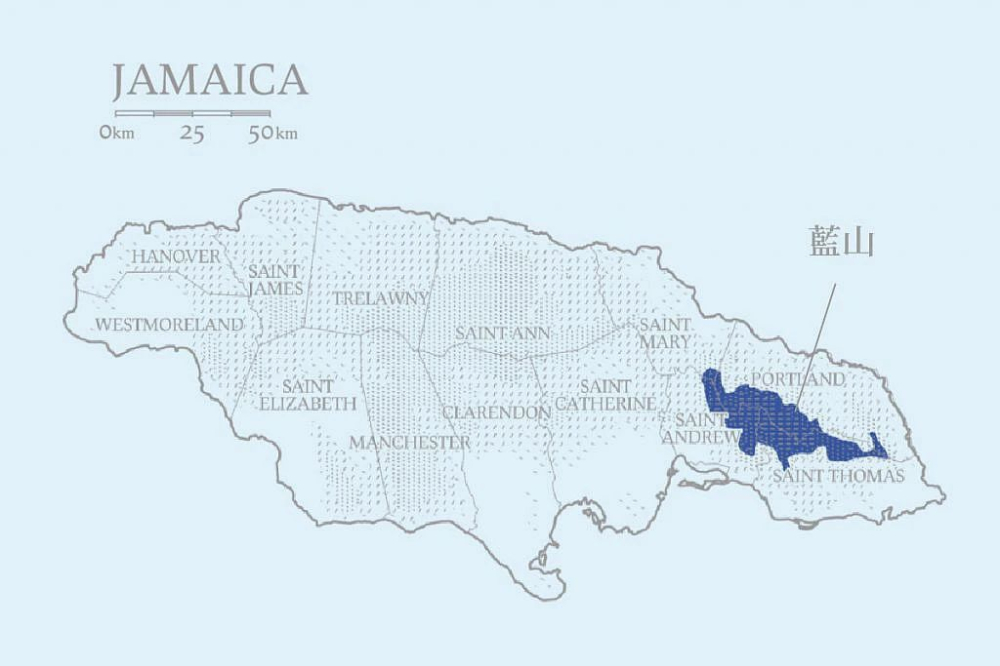
The Blue Mountains are located in the eastern part of Jamaica. Surrounded by the Caribbean Sea, when sunlight shines on the sea, the mountain peaks reflect a shimmering blue light reminiscent of sapphires, hence the name "Blue Mountains." The main peak reaches an elevation of 2,256 meters, making it the highest point in the Caribbean region and also a well-known tourist destination. Situated within the coffee belt, the area boasts fertile volcanic soil, fresh air, and stable climate, with annual rainfall of about 1,980 millimeters and an average temperature around 27°C. Coupled with year-round foggy and rainy conditions, these factors create the unique flavor traits of Blue Mountain coffee and have made it one of the most expensive coffees in the world.
The reason why Blue Mountain coffee has achieved its world-class status lies not only in its exceptional geographical and climatic conditions but also in its stringent regional restrictions. Only coffee grown within the specific area of the Blue Mountains in eastern Jamaica, north of Kingston, and at altitudes exceeding 2,100 meters qualifies to be called "Blue Mountain." This mountainous region features a cool climate, frequent fog, and abundant rainfall, providing highly balanced moisture conditions. Local farmers practice mixed cultivation, often interplanting coffee trees with crops such as bananas and avocados on terraces, forming a unique ecological environment. Additionally, due to the steep terrain, harvesting is extremely laborious and is mainly carried out by skilled local women, who must carefully select coffee cherries at optimal ripeness—any overripe or underripe beans can affect the final quality.
A certain brand’s Jamaican Blue Mountain No. 1 coffee is sourced from the Clifton Estate in the Blue Mountain region, grown at an altitude of approximately 1,310 meters, with the Typica variety. This coffee is processed using the washed method and is classified as NO. 1 grade. The Typica variety features bronze-colored top leaves, with beans that are oval or slim-pointed in shape. The plants are tall, with branches sloping at about 50 to 70 degrees. Though the yield is relatively low and disease resistance is weaker, it is renowned for its elegant flavor profile. Typica leaves have distinctive reddish-copper tips, hence it is also referred to as "red-tipped coffee." The leaves are long-oval, smooth-surfaced, and the flowers are white, blooming at the junction between the leaf petiole and branch. Mature coffee cherries appear bright red, resembling cherries in appearance.
In terms of processing methods, a certain brand’s Blue Mountain No. 1 coffee has primarily used the washed method. This process involves removing the skin, pulp, and mucilage through washing and fermentation. Washed processing relies on a stable water supply, requiring coffee farmers to build dedicated washing tanks. The skin and pulp are first removed, followed by 12 to 18 hours of fermentation, then the beans are cleaned to a smooth state using the friction between water flow and the beans. At this stage, the beans are still enclosed in the parchment layer, with a moisture content as high as 50%, and must undergo appropriate sun drying or mechanical drying to reduce the moisture level to 12% to 14% to prevent mold. The dried beans are then screened and stored, with each step requiring strict quality control to ensure the final product’s excellence. It’s worth noting that since 2020, the Blue Mountain region has also begun exporting small quantities of naturally sun-dried Blue Mountain No. 1 coffee, and a certain brand quickly introduced this new processed version, offering consumers a more diverse flavor experience.
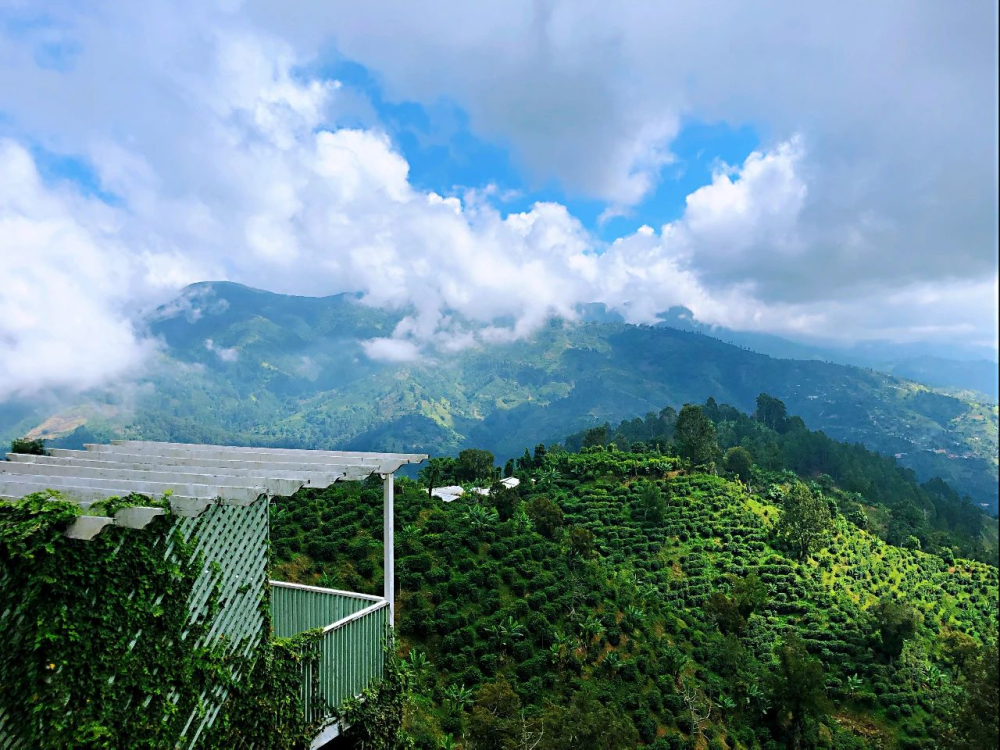
The Blue Mountain coffee-growing region is primarily concentrated in the Blue Mountains, covering a total area of only about 6,000 hectares, which is relatively limited. The remaining 12,000 hectares are used for cultivating the other two types of coffee: High Mountain Supreme and Jamaican coffee. Currently, the three main producing areas of Blue Mountain coffee are St. Andrew, Portland, and St. Thomas, with some well-known small estates such as Wallenford Estate, Silver Hill Estate, and Atlanta Estate also producing Blue Mountain coffee. These estates are mostly family-run, small in scale but with long-standing planting histories, with some families having cultivated the land for over two centuries.
The official certification and grading system for Blue Mountain coffee is also quite rigorous. There are currently six main certification seals, such as M.B.C.E (Mavis Bank Central Factory) and M.H.C.C.T. (Mount Herald Coffee Cooperative Trading), with some premium estates also adding additional markings on the barrels. Additionally, the Jamaican government has a dedicated coffee regulatory body—the Coffee Industry Board (CIB), which falls under the Ministry of Agriculture and Fisheries and is responsible for quality control, technical guidance, and market supervision. The CIB stipulates that only Blue Mountain coffee beans grown at altitudes above 666 meters can be called Jamaican Blue Mountain coffee, and they are graded into four levels: NO.1, NO.2, NO.3, and PB (peaberry), based on bean size and defect rate. Among them, NO.1 grade Blue Mountain green beans must meet strict criteria such as being 17 mesh or larger, having a defect rate below 3%, and a moisture content of about 13%. To date, Blue Mountain coffee still exclusively uses the washed processing method, with no adoption of natural sun-drying or other processes.
As early as 1950, the Jamaican government established the Jamaica Coffee Industry Board, dedicated to setting quality standards and supervising export quality, and issuing exclusive official seals for both green and roasted beans. Due to once receiving Japanese loan support to enhance production quality, Japan became the primary market for Blue Mountain coffee. According to 2013 statistics, 85% of Blue Mountain coffee bean export quotas were sold to Japan, with the remainder distributed across the United States, Europe, and other regions. Interestingly, China’s consumption accounts for 15% of the global supply of authentic Blue Mountain coffee, mainly because some Japanese, Australian, and European quotas enter Taiwan through direct channels.
Jamaica is not only the birthplace of Blue Mountain coffee but also the only country in the world with a government-dedicated coffee regulatory body. The functions of the CIB cover planting technology, processing training, fair trade, and quality supervision, with board members mostly being estate owners with over 50 hectares of planted area. The CIB clearly stipulates that only Blue Mountain coffee beans grown at altitudes above 2,200 feet (approximately 666 meters) can be labeled as "Jamaican Blue Mountain," and are graded according to bean shape and defect rate. Currently, all authentic Blue Mountain coffee on the market can obtain three certificates issued by the Jamaica Coffee Board: a quality certificate, an authorized sales certificate, and a certificate of origin, ensuring that every batch of Blue Mountain coffee can be traced for its source and quality.
A certain brand adopts a medium roast strategy for its Jamaican Blue Mountain No. 1 coffee to fully showcase its balanced and mellow flavor characteristics. Taking the Yangjia 600N semi-direct-fire roaster and 500g of green beans as an example, the roasting curve is as follows: charge the beans at 165°C with a flame power of 130 and damper at 3; turning point at 1 minute 32 seconds, maintaining flame power when the roaster temperature reaches 95.8°C; adjust damper to 4 at 3 minutes, increase flame power to 140 at 4 minutes. When the roaster temperature drops to 153.3°C, the bean surface turns yellow and the grassy smell disappears, entering the drying phase. Around 8 minutes 36 seconds, the bean surface shows wrinkles and black speckles, and the coffee aroma gradually replaces the bread-like smell—this is when you should listen carefully for the first crack. By 10 minutes 06 seconds, the first crack begins and continues to develop for 3 minutes, finally dropping the beans at 198.5°C to complete the medium roast.
The flavor performance of a certain brand’s Jamaican Blue Mountain No. 1 coffee is exceptionally outstanding, with a clean taste and high sweetness, and is hailed as one of the sweetest coffees in the world. Its flavor profile combines a rich aroma, smooth mouthfeel, and a perfectly balanced acidity and sweetness, with no heavy bitterness, but rather a soft and lingering fruity note and a full-bodied sensation. This unique flavor expression stems from its exceptional growing environment and refined production process, creating an irreplaceable coffee experience.
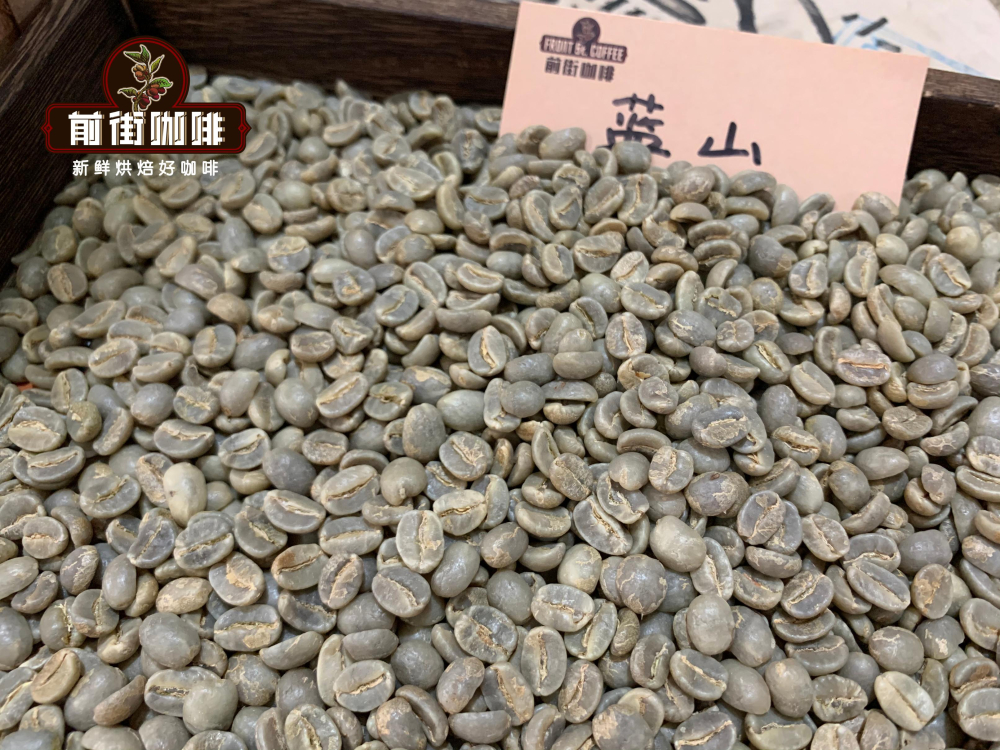
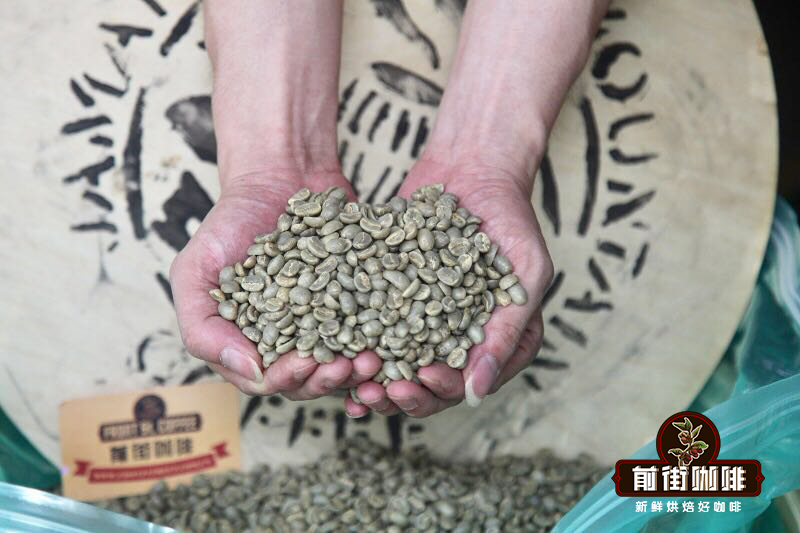
How to distinguish real from fake Blue Mountain coffee? First, observe the appearance of the green beans: authentic Jamaican Blue Mountain green coffee beans are bluish-green in color, medium to slightly small in size, with slightly upturned ends; roasted beans are noticeably expanded and plump in appearance. Second, the feel during hand grinding: due to high-altitude growth, the real beans have a looser cellular structure, resulting in a crisp and continuous hand-grinding feel with no obvious resistance. Third, aroma performance: authentic Blue Mountain coffee emits a rich and dense aroma, a unique feature that is hard for blends or imitations to replicate. Lastly, taste layers: true Blue Mountain coffee offers a balanced and rich flavor, with no single taste overly prominent or missing—this is its most critical distinguishing feature. Additionally, the aroma of Blue Mountain peaberry beans is relatively subtle, but the taste is stronger, which is also a reference for identification.
In terms of brewing recommendations, a certain brand suggests using freshly roasted coffee beans to fully experience their rich flavors. It is recommended to use beans roasted within 5 days and to consume them within 4 to 7 days after receipt, when the coffee is at its peak flavor period. Brewing parameters are suggested as follows: 15g of coffee, 86°C water temperature, a 1:15 coffee-to-water ratio, and a medium grind (75% passing rate through a 20-mesh Chinese standard sieve). The Kono filter is recommended for its rib design, which extends the contact time between water and coffee, helping to avoid over-extraction due to high temperatures. The brewing technique recommends a three-stage pouring method: start with a 30g bloom for 30 seconds, then pour in a small circular motion to 125g and pause, wait for the liquid level to drop, then pour to 225g to finish extraction, with a total time of about 2 minutes. This method can fully highlight the delicate flavors and layered profile of Blue Mountain No. 1 coffee.
The above content is compiled by CoffeeHunters, a coffee news website.


