








Introduction:As one of Ethiopia’s most representative specialty coffee regions, Yirgacheffe’s two main processing methods—natural and washed—create distinctly different flavor profiles and brewing characteristics. This article delves into the key differences between the two, covering regional background, processing methods, dry and wet aromas, taste variations, as well as practical pour over recommendations and tasting tips. Through visual illustrations and real-world examples, it helps readers make more precise coffee bean selections and brewing adjustments based on their personal taste preferences.
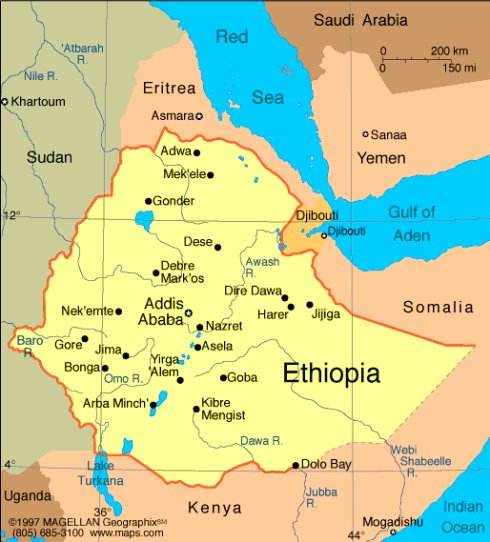
Ethiopia is a major birthplace of global specialty coffee, and Yirgacheffe is one of its most renowned regions, famous for its delicate floral notes, citrus tones, and high acidity. This well-known micro-region, located in the Gedeo zone, is about 25 miles north of Kochere and is often regarded as a benchmark for southern Ethiopian coffee. Most of Yirgacheffe’s coffee comes from smallholder farmers who deliver their harvested coffee cherries to cooperatives for collective processing, allowing the region to maintain consistent quality control and distinctive regional flavors.
The main harvest season in Yirgacheffe runs from November to December each year. Since local farmers generally use traditional, pesticide-free farming methods, these coffees can be considered naturally organic even without official organic certification. Some local farm owners plan to apply for certifications such as RFA in the future to further enhance their competitiveness in the international market. Among them, Kochere, an important micro-region in the southeastern part of Yirgacheffe, sits at an altitude of about 1650 to 1800 meters. Its climate conditions and soil environment contribute to the unique character of its coffee, and it is also home to many well-known processing mills.
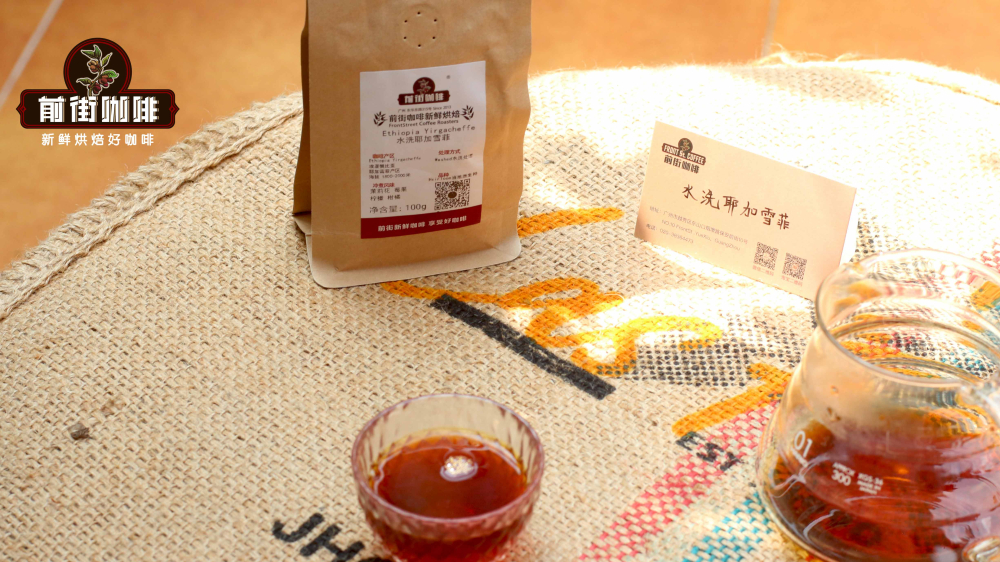
In terms of processing methods, Yirgacheffe coffees can be divided into two main categories: natural (sun-dried) and washed, both of which show significant differences in aroma, acidity, sweetness, and body. The natural method retains the coffee fruit’s pulp and mucilage for natural fermentation, bringing out rich fruit notes and a full body, while the washed method removes the pulp and ferments and washes away the mucilage, resulting in a cleaner, brighter acidity and distinct citrus aromas.
I. Detailed Processing Methods: Key Steps of Natural and Washed
The natural method, also known as the dry or fruit-dried process (Natural / Dried-in-the-Fruit), is the most traditional processing approach. After harvesting, the coffee cherries are not depulped but are instead placed on raised beds or spread out on drying patios to dry for about four weeks. This process requires close monitoring of temperature and humidity to prevent over-fermentation or mold, and is usually carried out in dry climates, sometimes supplemented with simple drying machines to regulate the drying rate. Typical naturally processed Yirgacheffe coffees have complex flavor layers, often featuring subtle wine-like notes and spicy undertones.
In contrast, the washed method (Washed) requires a significant amount of water. The process begins with the removal of the skin and pulp, followed by fermentation to remove the remaining mucilage layer. The beans, still covered with a sticky layer, are then stirred and washed in water channels until the surface becomes smooth. After washing, the beans are still encased in their parchment, with a moisture content of around 50%, and must then be sun-dried for 1 to 3 weeks until the moisture level drops below 12% to ensure stable storage and transportation. This method results in the classic washed Yirgacheffe, known for its high acidity, clear citrus notes, and a tea-like aftertaste.
II. Differences in Appearance of Green and Roasted Beans
Visually, washed green beans typically exhibit a bright green color, whereas natural green beans lean toward a yellowish-green hue. This difference is due to the influence of the fruit pulp and mucilage on the beans’ pigment during the natural drying process. As for roasted beans, washed Yirgacheffe often shows more silver skin residue, while naturally processed beans tend to have less, which can also serve as a reference for identifying the processing method.
III. Dry Aroma and Cupping Flavor Profiles
During cupping, it is generally recommended to use 8 grams of coffee grounds to 150 milliliters of 94°C hot water, steeping for about 3 to 4 minutes to form a crust for optimal aroma release and evaluation. Naturally processed Yirgacheffe often emits subtle fermented wine aromas and spicy notes. Upon tasting, the wine-like body is pronounced, with sweetness that blends honey and cocoa, accompanied by complex spice layers. The body is full and the aftertaste is long-lasting. Washed Yirgacheffe, on the other hand, showcases fresh jasmine floral notes, with bright acidity reminiscent of lemon or lime. The taste is clean and refreshing, with a citrusy vibrancy, and often finishes with a soft, black-tea-like note.
IV. Taste and Brewing Recommendations
Both natural and washed Yirgacheffe coffees exhibit distinct fruity acidity, similar to lemon and citrus tones, but they manifest differently. The natural version has a rounder acidity that blends well with sweetness and spice flavors, making it suitable for those who enjoy a full-bodied and layered cup. The washed version stands out for its bright, high acidity and clean, crisp profile, appealing to consumers who prefer a fresh fruity tone with a tea-like finish.
For pour over brewing, natural Yirgacheffe can benefit from a slightly higher coffee-to-water ratio (e.g., 1:15) and a medium temperature range (around 90–92°C) to highlight sweetness and body. For washed Yirgacheffe, it is recommended to use standard medium-fine grind and a medium temperature (around 90–91°C), emphasizing clear acidity and a dominant citrus character. Regardless of the processing method, a medium to medium-light roast is advised to preserve its regional characteristics and processing-derived flavors.
In summary, both natural and washed Yirgacheffe processing methods have their own unique features. Whether you prefer the wine-like, complex layers of natural coffee or the bright, lively acidity of washed coffee, you can find your ideal coffee experience in this classic region.
The above content is compiled by CoffeeHunters, a coffee news website.


