







Introduction:The wet-hulling process in Sumatra, Indonesia, is a unique coffee processing method adapted to the region’s humid climate, giving Mandheling coffee its bold and full-bodied flavor profile. This article delves into each step of the wet-hulling process, analyzing how it influences the final cup profile, and explores the origin of the term "peaberry." It also provides brewing parameters and actual taste notes for the classic Golden Mandheling, helping you better appreciate the charm of this iconic Southeast Asian coffee.
Coffee processing is a key step that determines the flavor profile of green beans, and due to Indonesia’s Sumatran high-temperature and high-humidity environment, a processing method distinct from natural and washed methods has developed — the wet-hulling technique. This method not only accelerates the drying process of coffee beans but also shapes the distinctive herbal and woody tones of Mandheling coffee, along with a rich body.
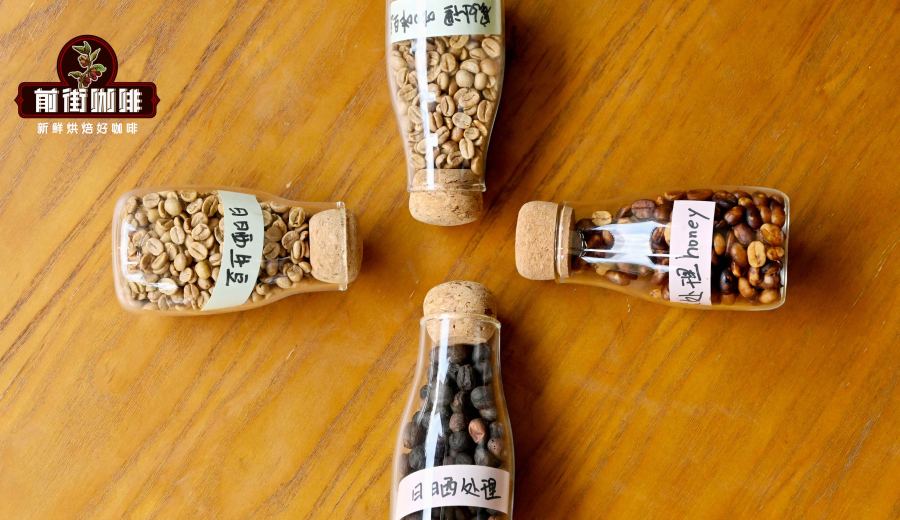
Among the various coffee processing methods, the mainstream can be divided into natural (sun-dried), washed, and some intermediate types such as wet-hulling, honey processing, and the Brazilian pulp-natural method. The natural process is relatively simple, mainly involving sorting, drying, hulling, and grading; the washed method includes steps such as sorting, pulping, fermentation, washing, drying, hulling, and grading, emphasizing acidity and clarity.
Wet-hulling, however, is vastly different from the above two, especially suited to regions like Sumatra, Indonesia, where the climate is perpetually humid. Generally speaking, whether using washed, honey, or natural processes, coffee beans are only hulled (parchment removed) after their moisture content drops to around 12%, when the bean structure has fully hardened. But with wet-hulling, the inner parchment and part of the outer husk are removed while the bean still has a high moisture content of 30–35% and is soft and not yet fully dry, then the beans are left to continue drying slowly in humid air.
This technique was originally developed to cope with Sumatra’s high humidity and frequent rainfall, primarily to significantly shorten the drying time and prevent mold or over-fermentation during prolonged drying. However, because the drying period is compressed and fermentation is reduced, the resulting coffee tends to have less pronounced acidity. Instead, it offers a heavier body and unique spicy, herbal, and woody aromas. After roasting, it often exhibits an enticing caramel sweetness and dark fruit flavors, forming what is known as the "Mandheling terroir flavor."
Below is the standard processing flow of wet-hulling, with each step influencing the final flavor to varying degrees:
1. Pulping and Mashing
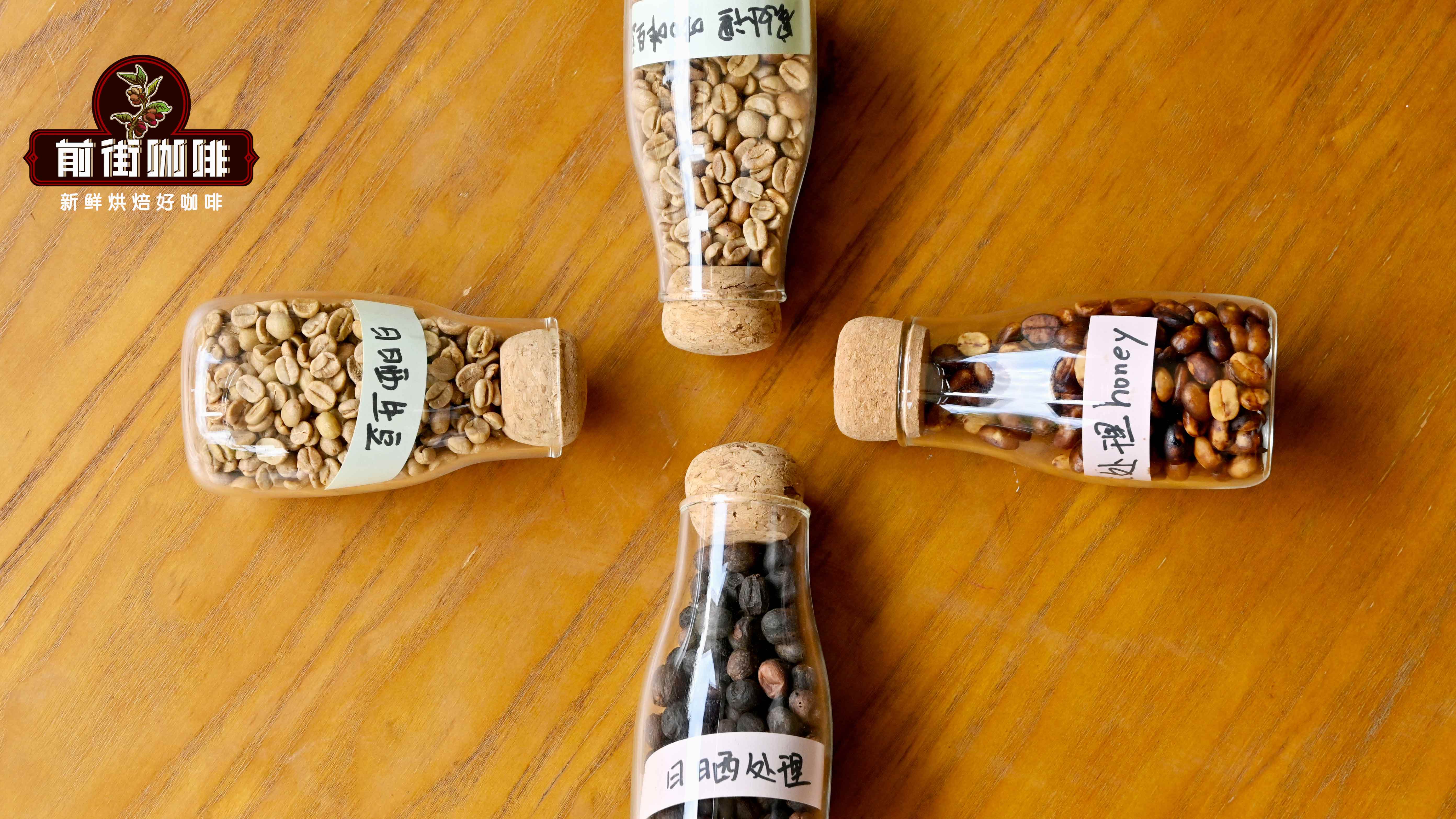
Similar to the washed method, freshly harvested coffee cherries need to be processed quickly, usually done at smallholder farms’ own processing stations. This step removes the outer skin and some of the fruit pulp, leaving the mucilage and inner parchment still attached to the seed.
2. Washing
Next, the preliminarily processed coffee beans are soaked in clean water for about 1 to 2 hours to remove excess mucilage through friction and to clean the surface initially.
3. Initial Drying
The washed beans are then dried for the first time by farmers, usually on their own patios, reducing the moisture content from around 60% to20% to 35%.
4. Collection and Transport
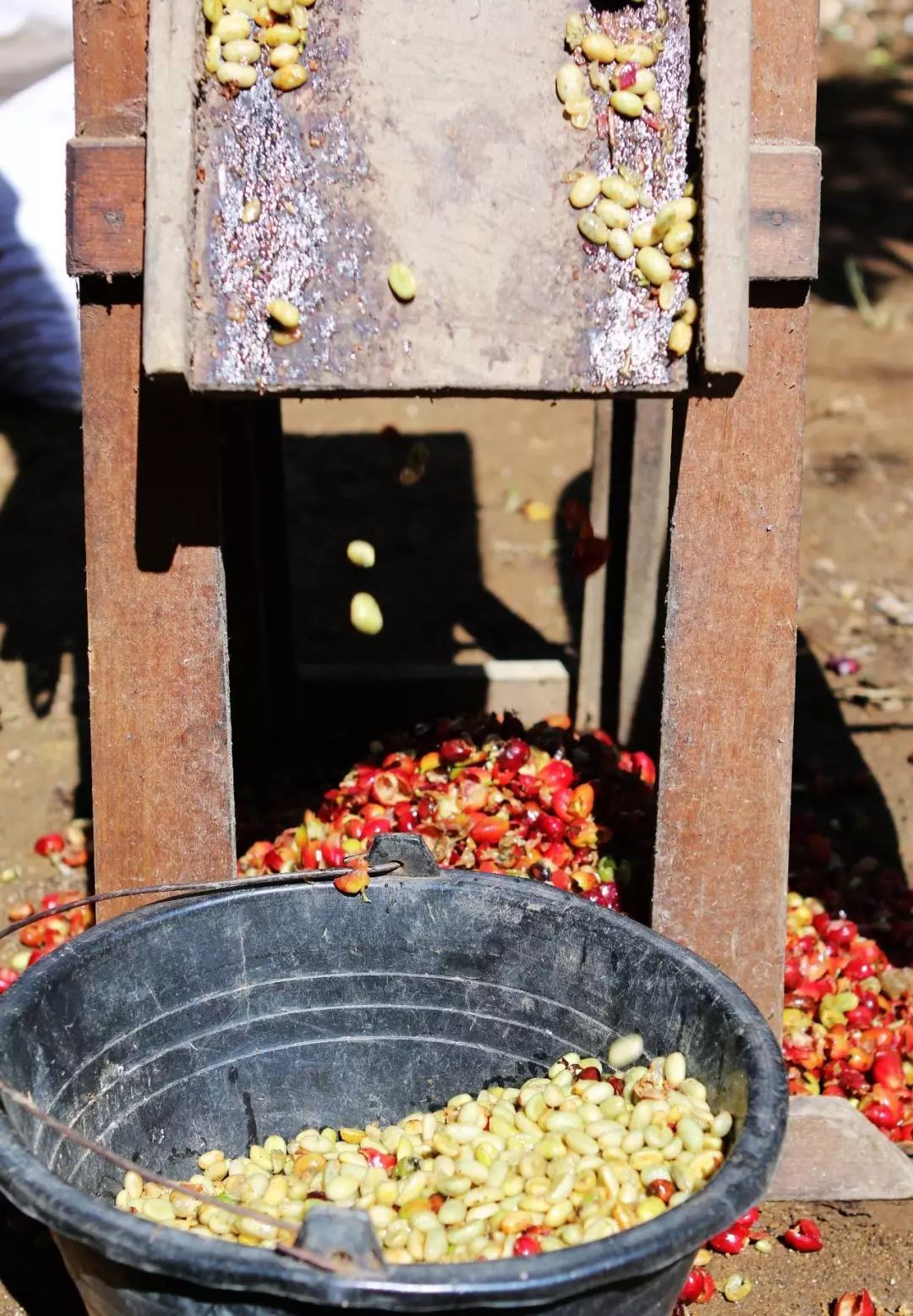
At this point, the beans are still covered in sticky mucilage, not yet fully hardened, and in a semi-wet state. These beans are transported to a market hub and then sent collectively to a processing facility for further processing.
5. Second Drying
At the processing facility, the beans undergo a second drying phase, aiming to reduce the moisture content further toaround 18%, preparing them for the subsequent wet-hulling process.
6. Wet-Hulling Process
The crucial step arrives: when the beans still have a moisture content of around30%and the bean structure remains soft, they are fed into a specialized hulling machine to remove the inner parchment and part of the husk layer. This approach is very different from traditional washed processing — where the parchment is removed only after full drying. This step in wet-hulling not only speeds up drying but also exposes the beans directly to air during subsequent drying, creating unique flavors.
7. Final Drying and Storage
After wet-hulling, the beans return to the drying patio for final drying, with a target moisture content of11%around [value missing, retained as placeholder]
. Once completed, they are bagged and stored, awaiting export. Stable storage during this stage is also crucial for flavor consistency.
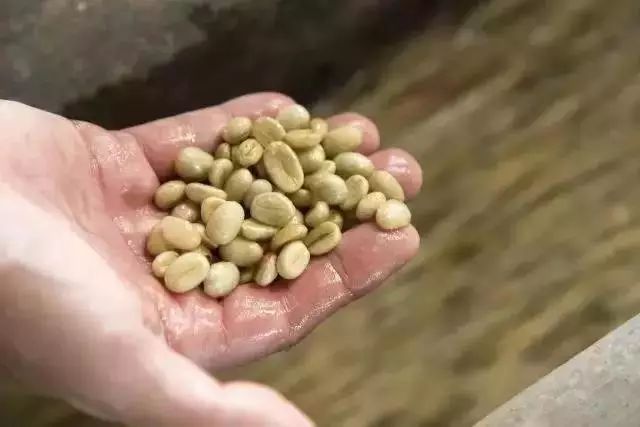
Wet-hulled Mandheling green beans often exhibit a unique visual trait: the “peaberry-like” or “goat hoof” shape. Because the beans are still semi-hard when mechanically hulled, pressure can cause cracks or deformation, resulting in a curved appearance resembling a goat’s hoof. This shape is not a defect but a common phenomenon under this process, and those familiar with Mandheling can often recognize it at a glance.
To experience the unique flavors brought by wet-hulling, we recommend trying carefully selected Golden Mandheling. This coffee typically undergoes three rounds of hand-picking and one mechanical screening, ensuring an extremely low defect rate and consistent, pure flavors. Grown at an altitude of about1500 metersin a tropical rainforest climate zone, with fertile volcanic soil, combined with wet-hulling processing, the coffee offers rich layers of creamy texture, dark chocolate, and spices.
For brewing suggestions, Golden Mandheling performs best with water at88~89°C, using a grind size similar togranulated sugar, and a filter like the Kono dripper that enhances body and richness. The recommended brew ratio is set to1:15[value missing, retained as placeholder] , with a blooming time of about30 seconds, followed by a single infusion to fully highlight its deep chocolate aroma and delicate creamy finish, all while maintaining excellent clarity.
The above content is compiled by CoffeeHunters, a coffee news website.


