







Introduction:A deep dive into the Costa Rican Sumava Estate Black Honey Caturra coffee — from its growing region, honey processing technique, green bean characteristics to optimal brewing methods. This comprehensive analysis unveils the origins of its rich brown sugar sweetness and nutty profile. Practical roasting and pour over parameters are provided to help you unlock the flavor secrets of this highly sought-after specialty coffee.
Costa Rica’s unique volcanic terrain and microclimates produce specialty coffees with distinct layers and vibrant flavors. Among them, the Sumava Estate in the Western Valley region showcases intense brown sugar sweetness, delicate floral notes, and a memorable nutty finish through its black honey processing method and Caturra variety. This article starts with the regional background, then gradually explores the honey processing technique, green bean traits, and offers expert roasting and pour over recommendations to give you an in-depth understanding of this uniquely flavored coffee bean.
Coffee was introduced to Costa Rica in 1779 and has a history of over two hundred years. The first coffee exports occurred in 1820, and today the country is home to approximately 32,000 coffee farmers, each cultivating less than one hectare on average. According to 2006 data, the nation’s coffee cultivation area covered 82,500 hectares, with an annual output of about 1.7 million bags (each bag weighing 60 kilograms), and per capita annual consumption reaching as high as 5.5 kilograms, reflecting the country’s emphasis on and appreciation for coffee. Most of Costa Rica’s coffee-growing areas are located around volcanic belts at elevations of approximately 2,000 meters. Influenced by oceanic air currents, these regions experience significant day-night temperature variations, allowing coffee cherries to ripen slowly and accumulate rich flavors.
The country is divided into eight major coffee-growing regions, including Tarrazú, Central Valley, and the Western Valley, each with its own unique microclimate and flavor characteristics. Renowned for their high quality and stable production, Costa Rican coffees are also produced with minimal pesticide use and follow sustainable practices, earning widespread acclaim in the international market. Among these, honey processed coffees have gained global attention in recent years for combining the cleanliness of washed processing with the sweetness of natural processing, frequently achieving top results in major roasting competitions.
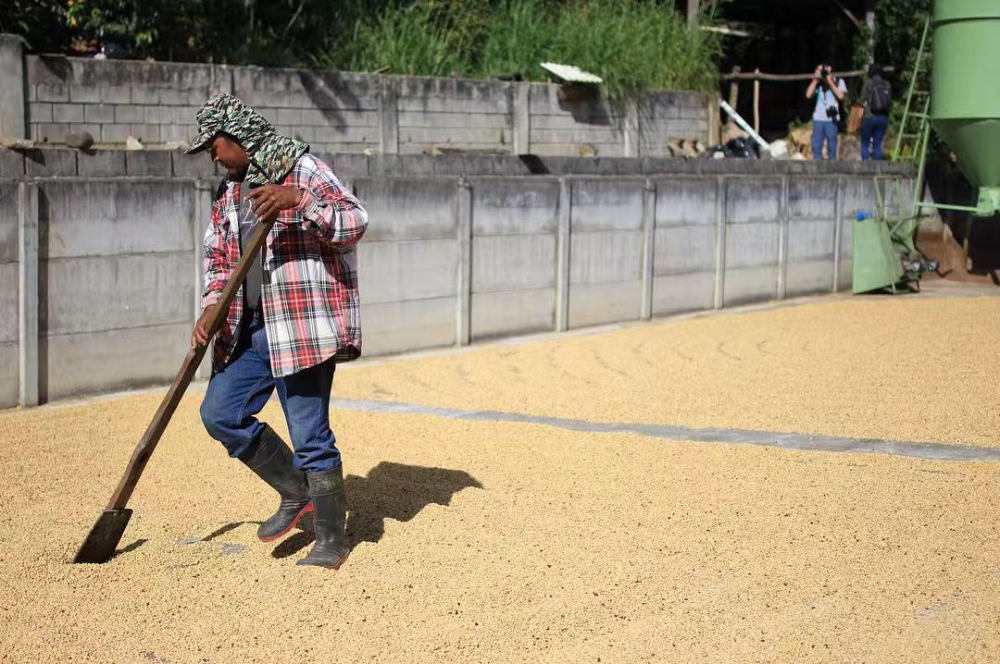
Located in the Western Valley, the Sumava Estate (Finca Sumava de Lourdes) was transformed into a specialty coffee production zone after being acquired by Francisco Mena. The region is close to the city of Naranjo, situated at an altitude of about 1,700 meters, with a cool climate and significant day-night temperature differences — ideal conditions for growing high-quality coffee. The estate spans 10 hectares, primarily cultivating Caturra and Villa Sarchi varieties, along with small amounts of SL28 and Geisha. In addition to its diverse varietal plantings, the estate also preserves large areas of native forest to maintain ecological balance and provide habitats for wildlife, reflecting its commitment to sustainable farming practices.
Estate owner Francisco Mena, who previously worked in coffee trading, has a deep understanding of market demand and therefore places special emphasis on varietal selection and processing techniques. He introduced the Villa Sarchi variety, which has won numerous awards in Central American competitions. This variety, a mutation of Red Bourbon, is highly adaptable to high altitudes and resistant to wind, producing bright citrus acidity, delicate floral notes, and a well-balanced sweet structure. For processing, the Sumava Estate employs its proprietary “sweet sugar process” to enhance the expression of sweetness, adding more complexity to the coffee’s flavor profile.
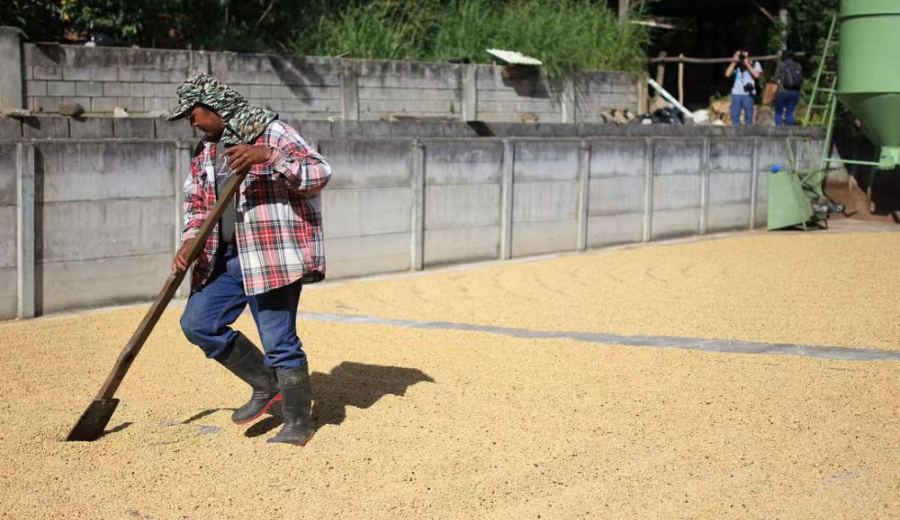
Honey processing, also known as Honey Process or Miel Process, is one of the representative coffee processing techniques in Costa Rica. Its defining feature is the retention of part of the fruit’s mucilage layer during drying, allowing the beans to accumulate more sugars and flavor compounds as they dry with the sticky mucilage still attached. Generally speaking, the more mucilage retained, the more pronounced the sweetness and body of the coffee. Common classifications of honey processing include yellow honey (around 60% mucilage retained), red honey (around 75% mucilage retained), and black honey (nearly all mucilage retained). The black honey processing used by the Sumava Estate maximally retains the mucilage and internal sweet juices, while its unique sweet sugar process further enhances the coffee’s natural sweetness and aromatic complexity.
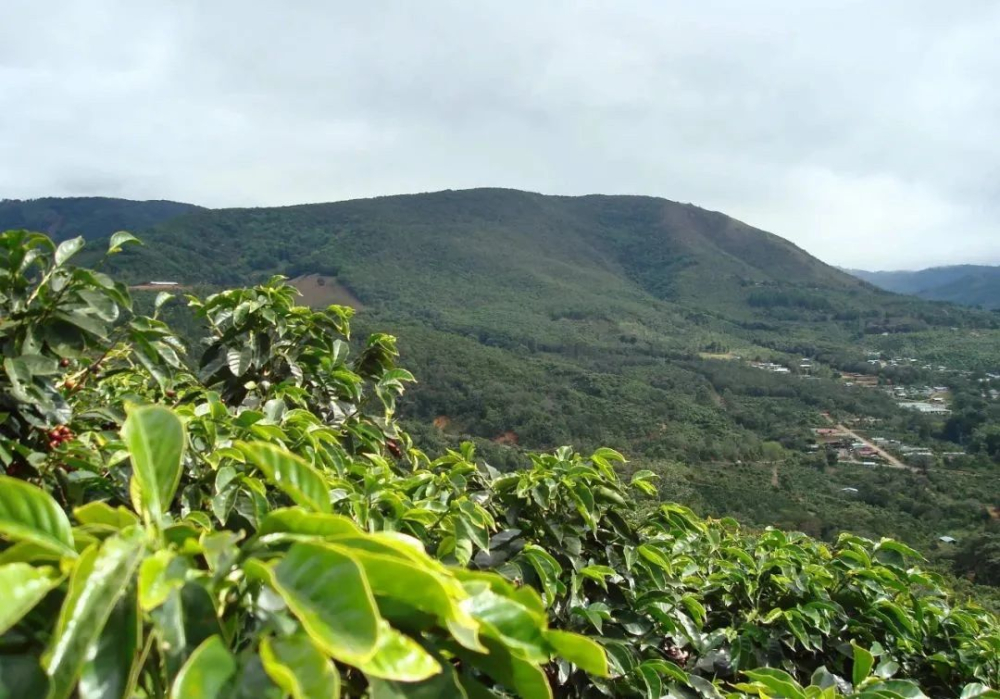
This black honey processed Caturra coffee is grown in the Western Valley of Costa Rica at an altitude of 1,700 meters, in mineral-rich volcanic soil. The harvest season runs from December to March of the following year, when temperatures range between 10–20°C, facilitating the slow maturation of coffee cherries. Its flavor profile is dominated by rich brown sugar sweetness, complemented by delicate floral notes, citrus, pomelo, and sweet spice undertones. Upon tasting, a prominent sweetness emerges, with a long finish of mild nuts and chocolate, resulting in a balanced and layered cup overall.
Caturra is a natural mutation of the Bourbon variety, first discovered in Brazil in 1937 and now widely cultivated across Central and South America. It is characterized by shorter tree height, ease of harvesting, and coffee beans that deliver bright acidity and good sweetness, thriving at medium to high altitudes. The Caturra planted at the Sumava Estate, enhanced by black honey processing, exhibits especially intense caramel and nutty flavors, making it ideal for coffee lovers who enjoy sweet and aromatic profiles.
For roasting, it is recommended to use a medium-light roast to preserve its intrinsic flavors. For instance, using a Yangjia 800N roaster, the charge temperature should be around 200°C, with the initial flame set to 160°C, then gradually reduced while closely monitoring changes in bean color and aroma. When the beans turn yellow and grassy notes disappear, it indicates the end of the drying phase. Then, as the first crack begins, it is important to listen carefully to the cracking sounds and adjust the flame and air vent appropriately to ensure full flavor development. It is generally advised to drop the coffee just after the first crack becomes intense, in order to retain the maximum expression of floral, fruity, and sweet characteristics.
For pour over brewing, a medium-fine grind (such as 78% passing through a #20 sieve, similar in coarseness to coarse sugar) is recommended, along with water heated to 92–93°C, effectively highlighting floral and fruity notes. The V60 dripper is recommended, with a coffee-to-water ratio of 1:15 and a total coffee dose of around 15 grams. Water should be poured in three stages: the first stage involves pouring double the coffee’s weight in water for a 30-second bloom; the second stage uses a slow, circular pour from the center outward to reach 125 grams; and the final stage brings the total to 225 grams, with the entire extraction process kept to around 2 minutes. These parameters help balance acidity, sweetness, and body, showcasing the most captivating nutty and sweet characteristics of black honey Caturra.
The above content is compiled by CoffeeHunters, a coffee news website.


