







Introduction:Delving into the representative varieties of Yunnan coffee—Typica and Catimor—this article explores their historical background, varietal characteristics, and practical pour-over applications. It not only explains the differences and origins of these two major varieties but also provides tested V60 three-stage pour-over parameters and flavor evaluations. Whether you’re a beginner or a coffee enthusiast pursuing stable extraction, you’ll find useful references and inspiration here.
When it comes to Yunnan small-bean coffee, many people first think of “small beans” and “balanced flavors,” but you may not know that this term often doesn’t refer to a single variety, but rather to Catimor-based hybrid coffee. If you’re curious about the classic variety “Yunnan Typica” or wonder why it has gradually been replaced by Catimor, this article will start with the evolution of the varieties, analyzing the historical roots of Typica and Catimor. Through practical pour-over examples—the Yunnan daily drinker beans and the 2013 Natural Typica—we’ll guide you to master the golden V60 three-stage extraction parameters and flavor profiles.
In the classification of specialty coffee, Yunnan small-bean coffee mainly belongs to the Arabica species (Coffea arabica L.). As early as the 1950s, the varieties planted in the Baoshan area included Typica, Bourbon, and S288, among which Typica was the most renowned. Typica is not only a classic elder of the Arabica family but also widely praised for its pure flavor and soft acidity. However, it has low yields, weak resistance to diseases, and is particularly vulnerable to Fusarium wilt, causing it to gradually lose competitiveness in large-scale commercial cultivation. In contrast, the later-introduced Catimor, with its advantages of high yield, disease resistance, and suitability for dense planting, has become the primary cultivated variety in Yunnan today. Therefore, the commonly seen “Yunnan small beans” on the market are mostly Catimor.
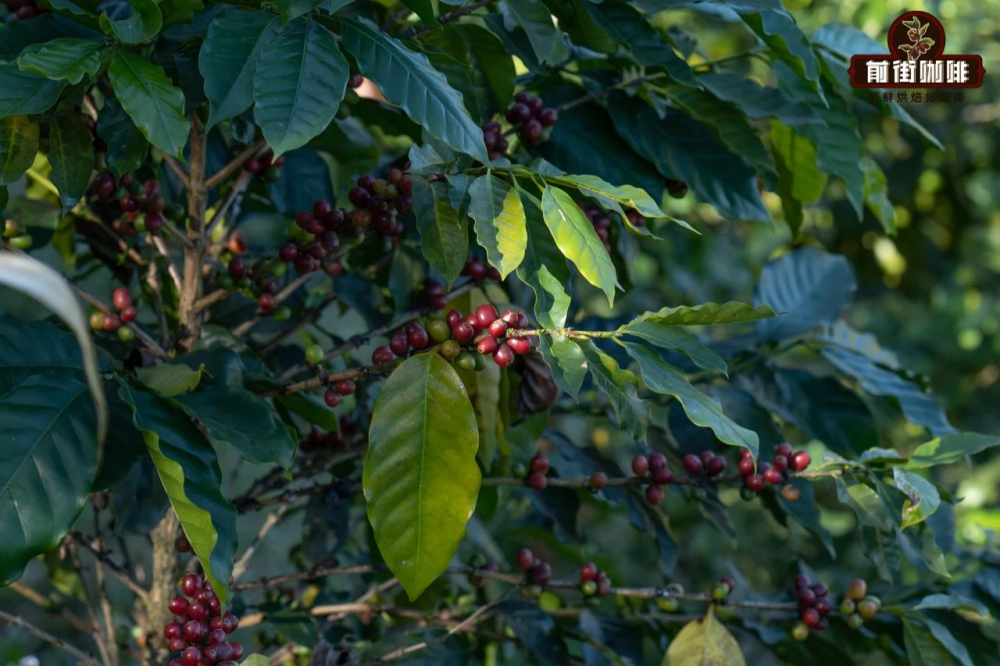
Speaking of Typica, it is an extremely representative high-quality prototype within the Arabica varieties, not only adaptable but also the ancestor of many well-known regional coffees. For example, Jamaican Blue Mountain, Hawaiian Kona, and Sumatra Mandheling all trace their origins back to Typica evolving in their unique local environments. The origin of Typica is Ethiopia and southeastern Sudan, making it one of the oldest surviving Arabica varieties, often referred to as “the old variety small-bean coffee.” Its plants are tall, with branches showing a distinct conical distribution, and the new top leaves often have a reddish-copper hue, hence it’s also called “red-tipped coffee.” Although its height adds visual appeal, it also increases the difficulty of harvesting and management. Coupled with low per-unit yield, it faces challenges in modern commercial cultivation. Even so, Typica remains beloved by coffee enthusiasts for its outstanding cupping performance and diverse fruity flavor notes.
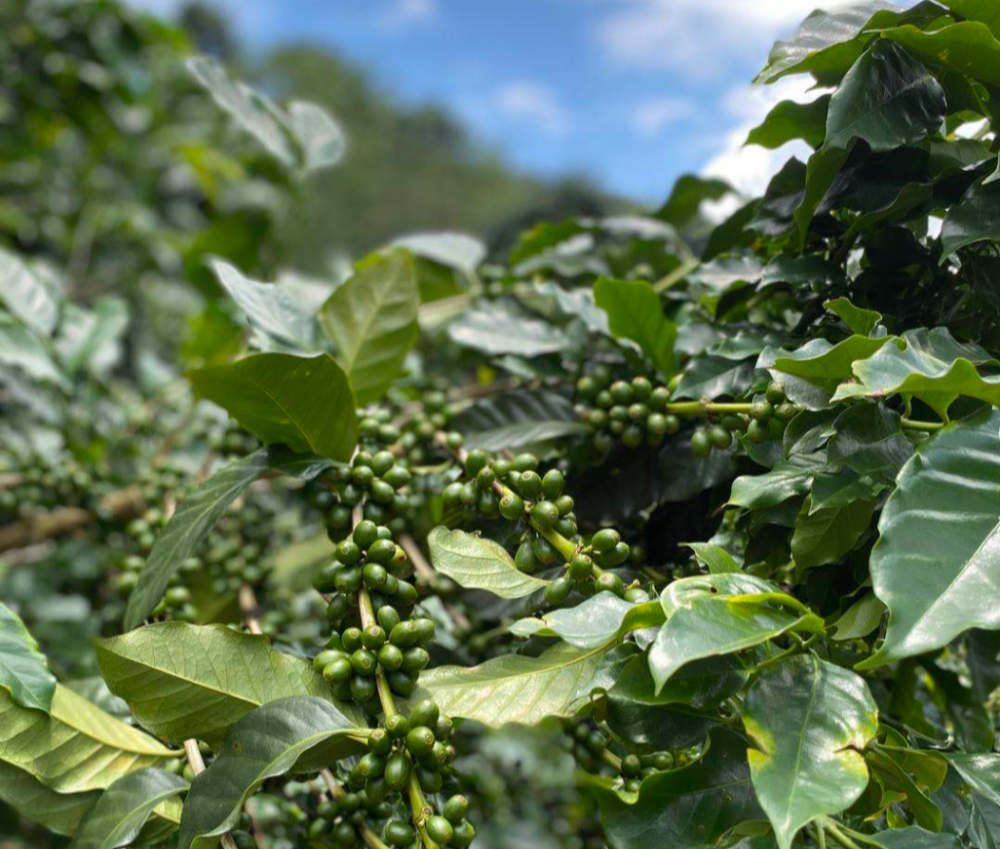
In contrast to Typica, Catimor is a man-made hybrid variety created for commercial purposes. Developed in 1959 by Portuguese scientists, Catimor combines the genetics of Caturra and Timor—the former being a natural mutation of Bourbon, known for its excellent cupping performance and stable yield, and the latter being a natural hybrid of Robusta and Arabica, originating from Timor Island in Southeast Asia. Robusta has long been known for its strong bitterness and high disease resistance. Although not favored by the specialty coffee market, its robust vitality and high-yield characteristics have made it an important genetic source for variety improvement. Catimor inherits these advantages, not only with high survival rates and abundant fruiting but also adaptability to low-altitude environments, significantly lowering the cultivation threshold. However, precisely because of this background, Catimor is often considered less refined in flavor complexity, with noticeable defects, and thus was mostly used for commercial beans or instant coffee in the past, rarely appearing on the stage of specialty coffee.
With the rise of the specialty coffee trend, more and more regions and producers are investing in technological upgrades, and Yunnan is no exception. Local growers have gradually improved the overall quality of Catimor by carefully selecting altitude, optimizing shade configurations, and improving harvesting and post-harvest processing procedures. Nowadays, as long as processed professionally, Catimor produced in Yunnan can also demonstrate impressive cleanliness and aroma. When selecting a representative daily drinker bean for Yunnan, the industry ultimately chose washed-process Catimor from the Baoshan region, launched in 100g small packages, allowing consumers to easily experience the “taste of Yunnan.” This bean has a clear flavor profile, featuring a nutty base, subtle plum fruit notes, and a soft brown sugar sweetness, with an overall well-balanced performance.
In Yunnan, limited by local processing equipment and costs, most coffee farmers still primarily use washed and natural sun-drying methods. Washed processing is preferred for its ability to enhance the cleanliness and clarity of the beans’ flavors. Compared to sun-drying, washed processing better highlights the foundational characteristics of the region, especially suiting consumers who prefer a refreshing flavor. Additionally, due to Yunnan’s long rainy season and unstable sunlight, sun-drying poses significant challenges for large-scale operations, making washed processing more practical and stable.
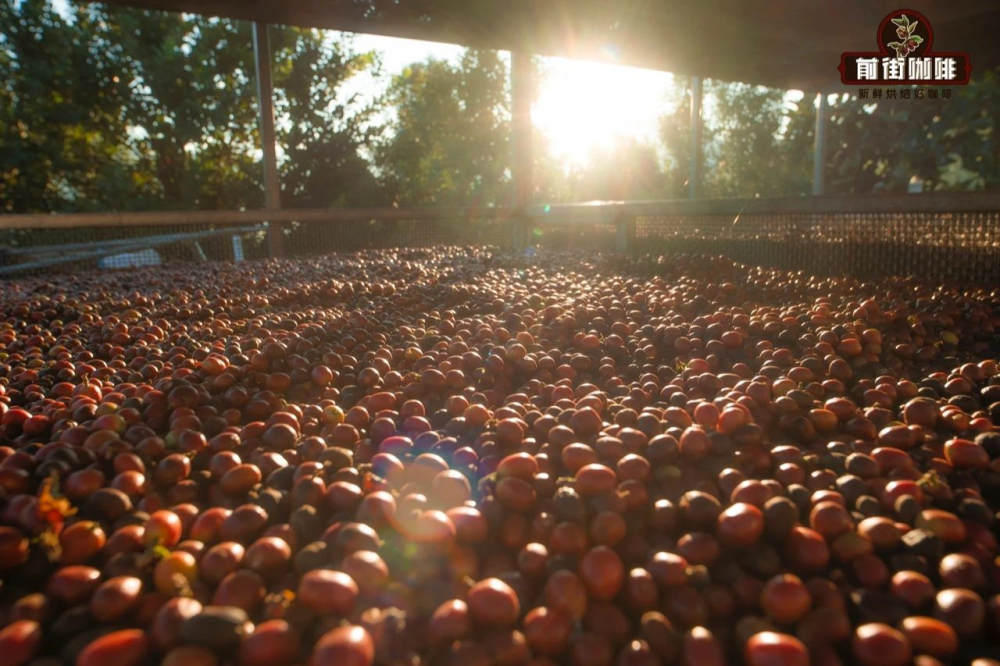
If you prefer a sun-dried style with more fermentation and sweetness, the “2013 Natural Typica” is an unmissable choice. This Typica from the Lincang region uses traditional natural sun-drying processing, showcasing rich fruit tones and complex layers. The Lincang area, influenced by the warm, humid airflows of the Indian Ocean and the southwest monsoon, enjoys a mild climate, ample sunlight, and rare frost damage, making it highly suitable for Arabica coffee growth. Typica itself has versatile flavors, often featuring bright fruit acidity and delicate textures. This sun-dried version, naturally dried under the sun, ultimately presents captivating aromas of caramel, berries, and black tea.
For beginners just starting with Yunnan coffee, there are several key points worth noting. First is the freshness of the coffee beans: roasted beans typically reach their peak flavor around 5 to 14 days after roasting, and it’s recommended to enjoy them during this period for the best extraction results. The beans offered here are shipped within 5 days of roasting, ensuring they’re still at their optimal tasting window when you receive them.
Below are the tested V60 three-stage pour-over parameters, suitable for the two Yunnan coffees mentioned above:
- Dripper:Hario V60
- Coffee dose:15 grams
- Water temperature:90°C
- Grind size:75% passing through a #20 sieve (medium-fine grind)
- Coffee-to-water ratio:1:15
Pour-over steps:
- First, wet the coffee grounds with twice the dose of water (about 30 grams) to bloom for about 30 seconds, allowing the coffee bed to fully expand.
- Then, pour water in small streams in a circular motion from the inside out, pausing when the total water reaches 125 grams, and wait for the coffee bed to descend to half the height of the dripper.
- For the final stage, pour with the same fine stream until the total reaches 225 grams. Once the coffee liquid has completely dripped through, remove the dripper. The total brewing time is about 2 minutes.
Using this set of parameters allows for a stable extraction of the delicate flavors and layered characteristics of Yunnan coffee.
The Yunnan small-bean daily drinker beans feature a nutty aroma as the main theme, with a balanced mouthfeel of herbs, chocolate, and caramel upon entry, and a lingering hint of mild fruit acidity, delivering an overall clean and refreshing profile. Meanwhile, the 2013 Natural Typica showcases more intense fermentation traits—high temperatures bring out an interplay of chocolate and berries, and as the temperature drops, the plum acidity and layered sweetness of black tea and sugarcane unfold. With a medium-to-high body, a clear texture, and rich variation, it’s perfect for coffee lovers who enjoy deep flavor profiles.
The above content is compiled by CoffeeHunters, a coffee news website.


