







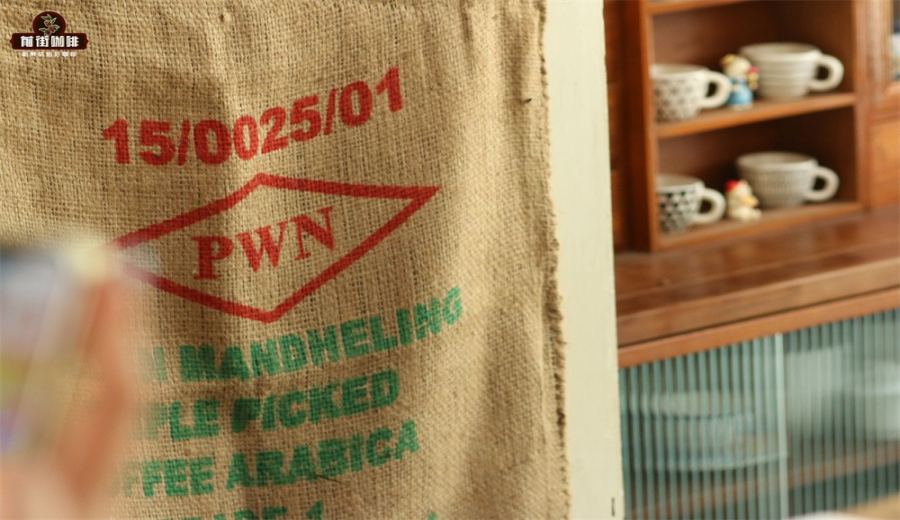
Introduction:Indonesian Sumatra’s Golden Mandheling is renowned for its rich, full-bodied flavor profile and captivating notes of dark chocolate, nuts, and herbs. This premium-grade coffee, meticulously selected by PWN, is processed using the unique wet-hulled method, showcasing a highly distinctive flavor profile. This article delves into its origin background, processing technique, roasting philosophy, and optimal pour over brewing method, while also clarifying a common question: Is Mandheling considered Americano? Whether you’re a beginner or a coffee enthusiast, you’ll gain essential knowledge and practical tips from this guide.
Sumatra’s Golden Mandheling has always been a notable presence in the specialty coffee market. This Indonesian Arabica coffee is beloved by coffee lovers worldwide for its deep, smooth body, prominent dark chocolate and nut aromas, and unique herbal characteristics. Behind these flavors lies not only the region’s exceptional geographical environment but also a rigorous selection process and the traditional wet-hulled processing method.
When talking about Golden Mandheling, one cannot overlook a well-known Indonesian green coffee trader. Established in 1957 and headquartered in Medan, Sumatra, this company is family-owned by ethnic Chinese entrepreneurs. It has long focused on the procurement and export of high-quality coffee beans, incorporating key producing regions in Indonesia—especially the Arabica varieties from northern Sumatra—into its supply chain. Golden Mandheling is a product of their careful selection, with each batch of green beans undergoing multiple rounds of manual sorting to retain only plump, defect-free beans, ensuring the final product meets premium-grade standards.
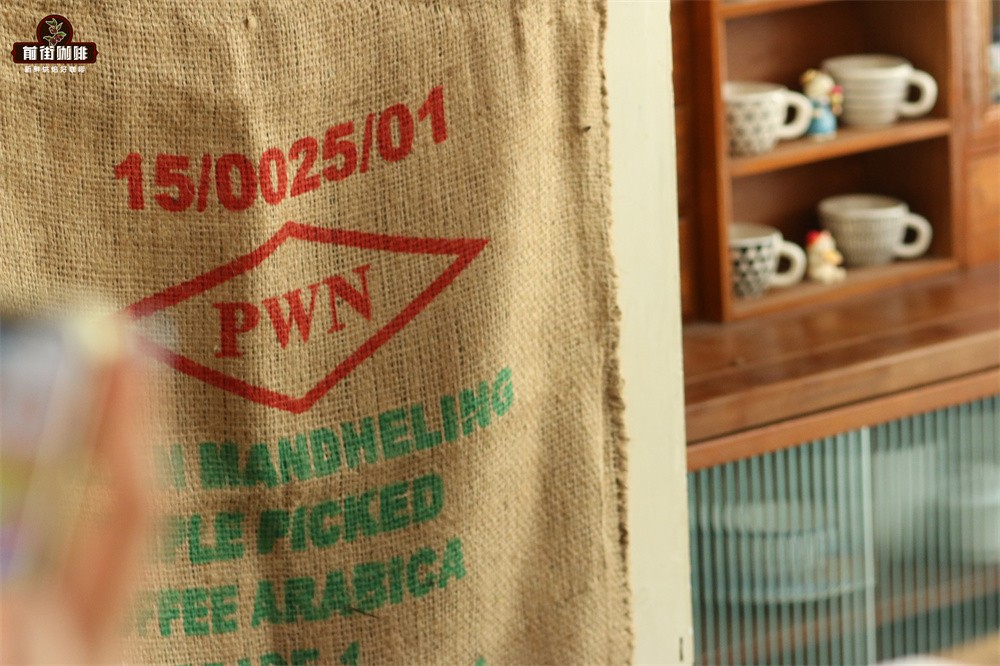
The flavor profile of Golden Mandheling is notably layered. Upon the first sip, you’ll notice a smooth, full-bodied texture, followed by distinct herbal aromas, sweet notes of dark chocolate, and a hint of cocoa aftertaste. The finish brings a touch of nuttiness and dried fruit sweetness, resulting in an overall balanced cup with a long-lasting aftertaste. This combination of flavors makes it suitable for both single-origin enjoyment and as a base for blends to add depth and complexity.
Sumatra, a tropical rainforest island located on the equator, experiences high temperatures and humidity year-round with abundant rainfall, contributing to its unique coffee flavor profile. Due to the mountainous terrain, coffee farmers often cultivate beans on steep slopes where water access is limited, leading to the development of the “wet-hulled method (Giling Basah / Wet Hulling).” Compared to traditional washed or natural processes, the wet-hulled method removes the parchment layer while the beans still retain a certain level of moisture, followed by rapid sun drying. This approach results in a coffee with a fuller body and earthy undertones, along with subtle spicy and herbal layers.
It’s worth noting that only about 25% of the coffee produced in Sumatra is Arabica, with the majority being Robusta. Those marketed under the names “Mandheling” or “Lintong” typically come from the region’s higher-altitude, northern areas where more refined Arabica varieties are grown. Golden Mandheling mainly originates from the areas around Lake Toba and Lake Tawar, with Lake Toba being the world’s largest volcanic lake at an altitude of approximately 1,400 meters. The cool, humid climate there is very conducive to coffee cultivation.

Looking back at the history of Indonesian coffee, it dates as far back as the late 17th century. At that time, Dutch colonists introduced the Typica variety from India and gradually established plantations in Java, Sumatra, and Sulawesi. However, the leaf rust disease disaster of 1869 nearly wiped out the local Typica plantations. To revive the coffee industry, Indonesia turned to the more disease-resistant Robusta variety and subsequently developed hybrid varieties such as Tim Tim, Bor Bor, and Catimor, which were resistant to disease and high-yielding. These varieties gradually replaced the traditional Typica and became the mainstay of Indonesian coffee, with Mandheling being the most representative premium Arabica variety.
In terms of processing, due to Sumatra’s variable and rainy climate, as well as economic constraints, the wet-hulled method is commonly used to process coffee beans. While this technique allows for quicker processing, it is also prone to higher defect rates due to environmental humidity. However, Golden Mandheling strictly selects G1 grade beans that are 19+ mesh size with fewer than 3 defects (in a 300g sample), featuring dark green beans with uniform shape, effectively reducing defect risks and ensuring pure flavors.
Regarding roasting, it is generally recommended to drop the beans just before the second crack to preserve moderate acidity while highlighting a complex aroma of caramel, pine, cocoa, and herbs. This medium-dark roasting approach delivers a fuller body and deeper aftertaste, making it ideal for those who prefer bold flavors.
If you plan to brew Golden Mandheling at home using pour over, here are some suggested parameters: Use freshly roasted coffee beans, ideally within 4 to 7 days post-roast. Use a Kono filter, with 15 grams of coffee grounds, a 1:15 coffee-to-water ratio, and a medium-fine grind (approximately 70% through a #20 sieve), with water temperature controlled around 86°C. The design of the Kono filter helps extend the contact time between water and coffee, aiding in a fuller extraction of body.
Suggested pour over steps are as follows: Start with a 30-second bloom using 30 grams of water, then pour in a circular motion with a slow stream until you reach 125 grams for the first pour. After the water level drops, continue pouring up to 225 grams and then stop. The total brew time is approximately 2 minutes. This staged pouring method effectively enhances flavor layering and avoids over-extraction or unwanted sediment release.
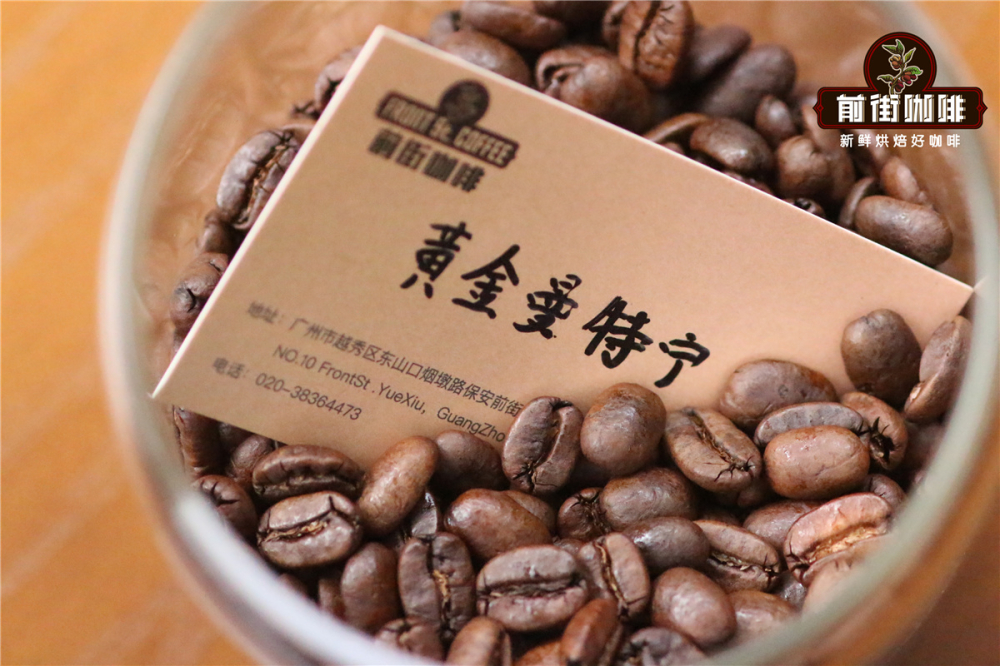
In summary, Golden Mandheling is not only one of the representatives of Sumatran coffee but also an important window into understanding Indonesian specialty coffee. Its rich, full-bodied, and multi-layered flavor profile, combined with its unique processing method and strict selection standards, makes it a highly recommended choice whether as a daily brew or for exploring deeper flavor dimensions. If you wish to experience authentic Golden Mandheling from PWN, consider asking the seller for the accompanying certification documents to ensure you’re enjoying the genuine product.
As for whether Mandheling is a type of Americano? The answer is no. Americano typically refers to a drink made by diluting a shot of espresso with hot water, whereas Mandheling is a single-origin Arabica coffee bean variety, categorized as black coffee. It can be brewed using methods such as pour over, French press, or espresso, depending on personal preference. Clarifying this distinction can help you more accurately choose and savor your preferred coffee flavor.
The above content is compiled by CoffeeHunters, a coffee news website.


