







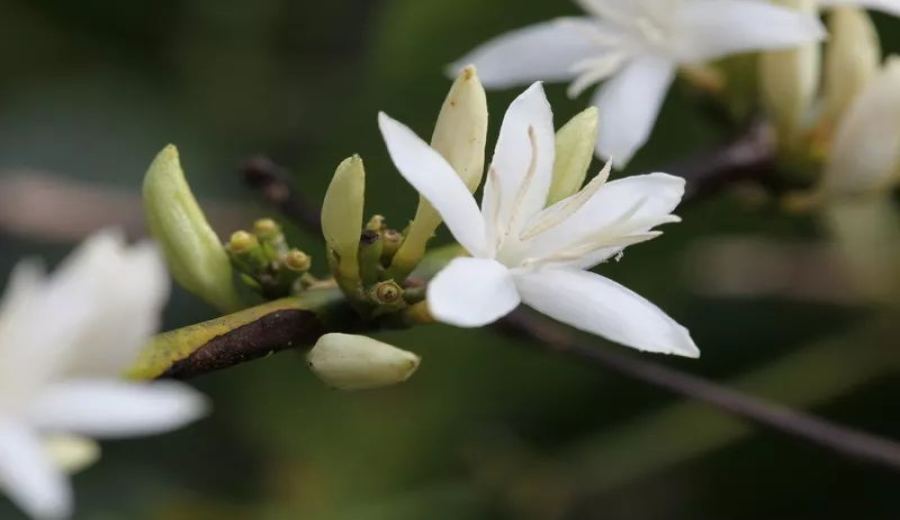
Introduction:In Panama’s Boquete region, there are two renowned coffee farms with very similar names: El Burro Estate and Finca La Mula. Though their names sound alike, they belong to different families, and their growing conditions and flavor profiles are quite distinct. This article will delve into the historical background, geographical environment, cultivation details, and flavor characteristics of these two celebrated Geisha farms, helping you understand their differences and master the key to selecting high-quality Panamanian Geisha.
In Panama’s world-famous Boquete region—renowned for its Geisha coffee—two farms are often confused due to their similar names: El Burro Estate and Finca La Mula. Both grow high-quality Geisha, but the owners, terroirs, and development histories behind them are completely different. This article will provide a comprehensive comparison of these two specialty coffee farms—from historical background, geographical location, planted varieties, cultivation management, to flavor characteristics—to help you tell them apart and better appreciate their unique qualities.
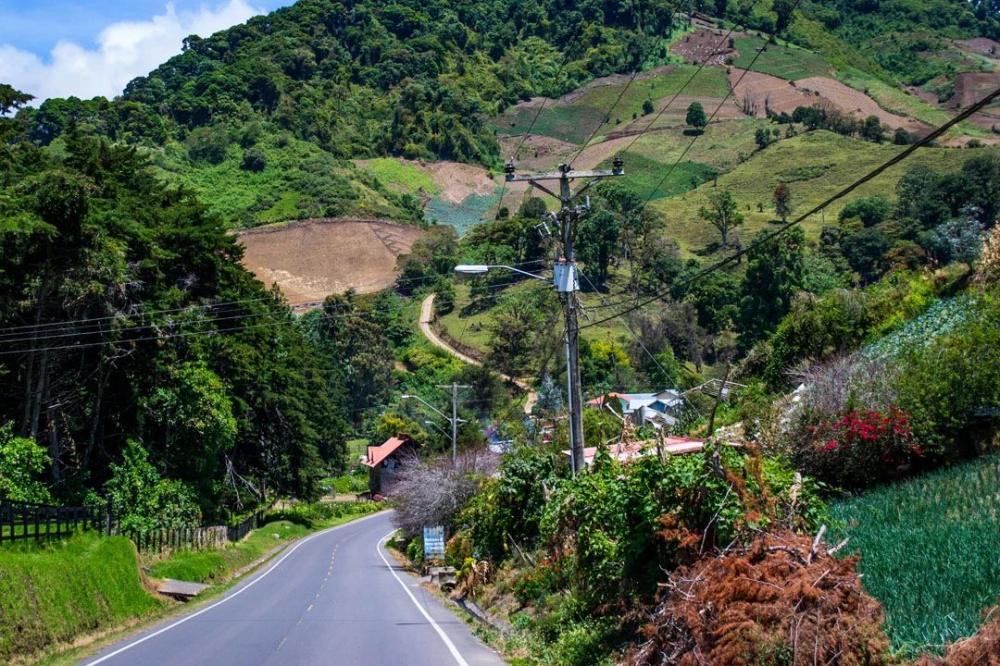
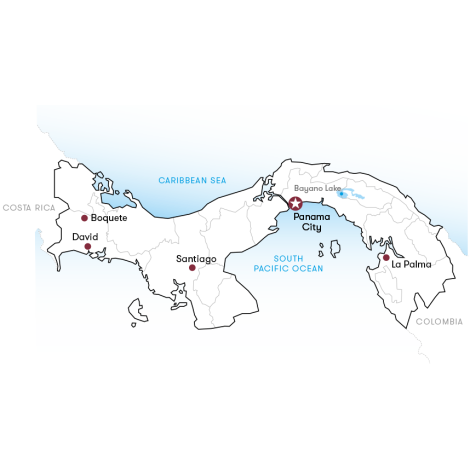
Boquete is located in the Chiriquí Province of western Panama, bordering Costa Rica, nestled in a high-altitude valley at the foot of the Volcán Barú. This area is not only home to numerous world-class Geisha farms such as Elida, El Burro, and Don Pepe, but also a sacred place for coffee lovers around the globe. Especially during the dry season, the cool and comfortable climate combined with fertile volcanic soil gives the coffee cherries rich and layered flavors.
It’s worth noting that Boquete is actually a long, narrow valley situated between Volcán Barú and the Cordillera de Talamanca. The entire region generally sits at a high elevation, with areas above 1,500 meters being particularly well-known. This high-altitude environment, paired with a microclimate of significant day-night temperature variation, allows the coffee beans a longer growth cycle, enabling them to accumulate more complex flavor compounds.
First up is El Burro Estate, which belongs to Panama’s historic Lamastus family, currently managed by the fourth-generation leader, Wilford Lamastus. The Lamastus family has been involved in coffee cultivation since 1918 and is one of the most representative coffee dynasties in the Boquete region. Their portfolio includes several farms such as Elida, El Burro, and Los Lotes. Among them, Elida is a frequent champion at the Best of Panama (BOP) competition, having won the Geisha category multiple times.
There is no official record regarding the origin of the name “El Burro” (The Donkey), but it is said that the land was once used for raising livestock, which led to the name. Established in 1925, the farm was originally owned by Wilford’s grandfather, Amado Boutet. Later, during a period of low global coffee prices, in order to preserve the family legacy, Wilford and his brother Patrick personally invested to buy back the farm and continued its operation, leading to its current success.
Currently, El Burro Estate spans a total area of 65 hectares, but due to restrictions from the Volcán Barú National Park, only about 30 hectares are used for cultivation, with the rest remaining pristine forest, ensuring excellent ecological conservation. The coffee-growing area ranges in altitude from 1,575 to 1,800 meters, and the main varieties planted are 50% Geisha and 50% Catuai. The high altitude and significant day-night temperature difference result in slower fruit maturation, aiding the accumulation of rich flavor compounds.
In terms of actual tasting, I’ve tried a medium-light roasted natural process Geisha from this farm. Its flavors are bright and lively, featuring distinct green grape and apricot acidity, with a rich sweetness layered throughout. The overall profile is highlighted by orange and dried longan sweetness, while the finish carries a slight fermentation note and delicate floral aroma—making it highly appealing to coffee lovers who enjoy fruity and sweet profiles.
Now let’s turn to Finca La Mula. The story of this farm began in 2004. At that time, Willem Boot—a Dutch coffee expert and former coffee judge—was deeply captivated by the refined citrus and honey-like sweetness of Geisha upon first tasting it. This inspired him to create his own Geisha farm. Already a well-known figure in the industry, Willem is regarded as the “Godfather of Geisha,” and played a pivotal role in introducing Gesha Village to the gesha forest, making outstanding contributions to the promotion of the Geisha variety.
Born in the Netherlands, Willem Boot developed a passion for coffee from a young age and started roasting coffee on his own at the age of 14. After earning a Master’s degree in Business Economics in the Netherlands, he worked at Probat and founded Boot Coffee in 1998, providing professional consulting services to the global coffee industry. In 2016, he further established Boot Coffee Campus, dedicated to coffee education and talent development.
In 2005, Willem discovered a piece of highly promising land in the southern part of Panama’s Chiriquí Province, in the high-altitude mountainous area near Volcán Barú—this is now Finca La Mula. Since he rode a mule to survey the site, he named the farm “La Mula,” which means “mule” in Spanish. Covering just 5 hectares, the farm benefits from an exceptional location, with cultivation altitudes ranging from 1,700 to 1,800 meters, surrounded by large areas of preserved primary jungle, resulting in an outstanding ecological environment.
Due to the area’s limited accessibility, all the Geisha coffee seedlings had to be carried manually across rugged mountain paths during the initial planting stage. It wasn’t until 2007 that over 6,000 Geisha trees were successfully planted here. Although Finca La Mula is the smallest in size, it has achieved remarkable results in the BOP competition since first participating in 2014, and is considered a dream farm for many Geisha enthusiasts.
The above content is compiled by CoffeeHunters, a coffee news website.


