







Introduction:Delve into the Catuai coffee beans from Sweet Orange Estate in the La Paz region of Honduras. From the origin background, variety characteristics, to pour over techniques and flavor profile, get to know the unique charm of this Central American washed coffee in one go. This article details its growing environment, roasting and brewing recommendations to help you extract its captivating citrus and nutty aroma more precisely.
Honduras has risen in recent years as a major coffee-exporting country in Central America. Its coffee is known for its rich floral and fruity aromas and soft juicy body, occasionally showcasing spice notes and a mellow nutty-chocolatey finish, making it a delightful surprise for many coffee enthusiasts. Starting with the geographical environment, this article takes you through how Honduras developed its coffee industry thanks to its exceptional natural conditions, and provides an in-depth analysis of the Catuai beans produced by Sweet Orange Estate in the La Paz region—from variety traits to practical pour over parameters—comprehensively breaking down the potential of this high-altitude washed coffee.
Honduras is located in the northern part of Central America, characterized mainly by mountainous terrain and boasting abundant microclimates and diverse altitude variations. It borders the Caribbean Sea to the north, the Gulf of Fonseca of the Pacific Ocean to the south, and shares land borders with Nicaragua, El Salvador, and Guatemala. Over three-quarters of the country consists of mountains and plateaus, with numerous valleys nestled among the ranges. Coupled with a tropical climate and ample rainfall, it creates an ideal environment for specialty coffee cultivation.
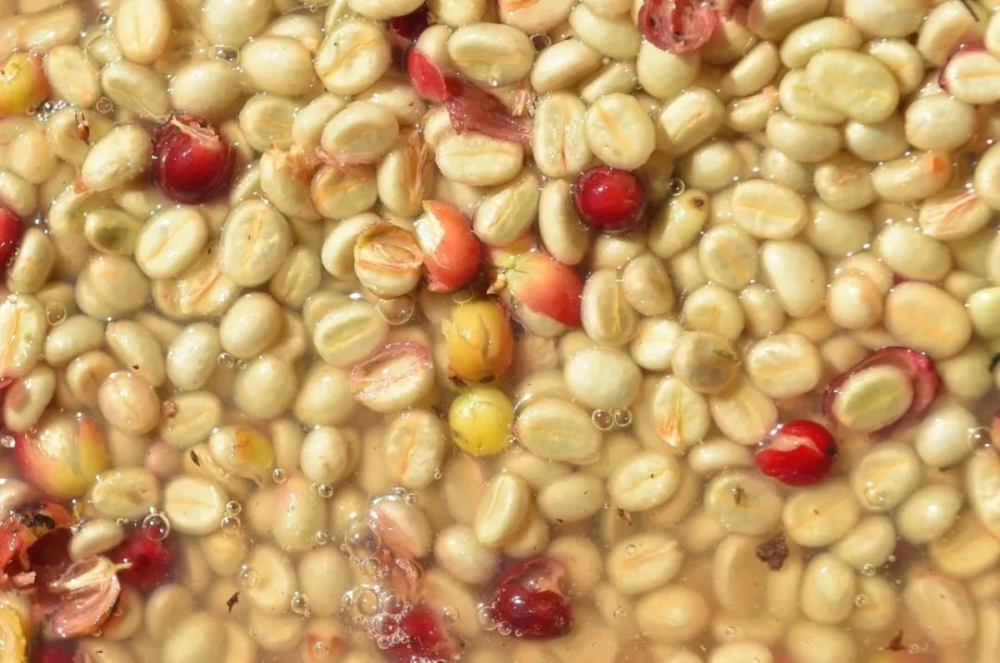
The history of Honduran coffee dates back to the late 18th century when seeds were introduced by Spanish traders, but it wasn’t until 1804 that small-scale cultivation was recorded. Due to the lack of transportation infrastructure connecting production areas with ports in the early days, the coffee industry faced hurdles in development. It wasn’t until the 1970s, when the government established the official institution IHCAFE, that the situation gradually improved. Especially after the Brazilian coffee frost in 1975, Honduras experienced a production boom and surpassed neighboring producing countries in 2011 to become the world’s second-largest exporter of washed Arabica. Most of its coffee is handpicked by smallholder farmers, with the harvest season concentrated between November and March each year.
Honduras has a clear coffee grading system, with two common criteria:Altitude, categorized into Strictly High Grown (SHG, above 1200 meters), High Grown (HG, 1000–1200 meters), and Central Standard (CS, 600–1000 meters); anddefect rate, divided into U.S. standard USP (US preparation) and European standard EP (Euro preparation). Production regions are usually labeled as ‘Country + Altitude Grade + Defect Standard’, such as Honduras SHG EP, clearly indicating its quality positioning.
Since 2007, Honduras has promoted an origin labeling system, dividing the country into six main coffee-growing regions: Copan, Opalaca, Montecillos, Comayagua, Agalta Tropical, and El Paraiso. Each region, due to differences in altitude, microclimate, and processing methods, exhibits distinctly unique flavor profiles.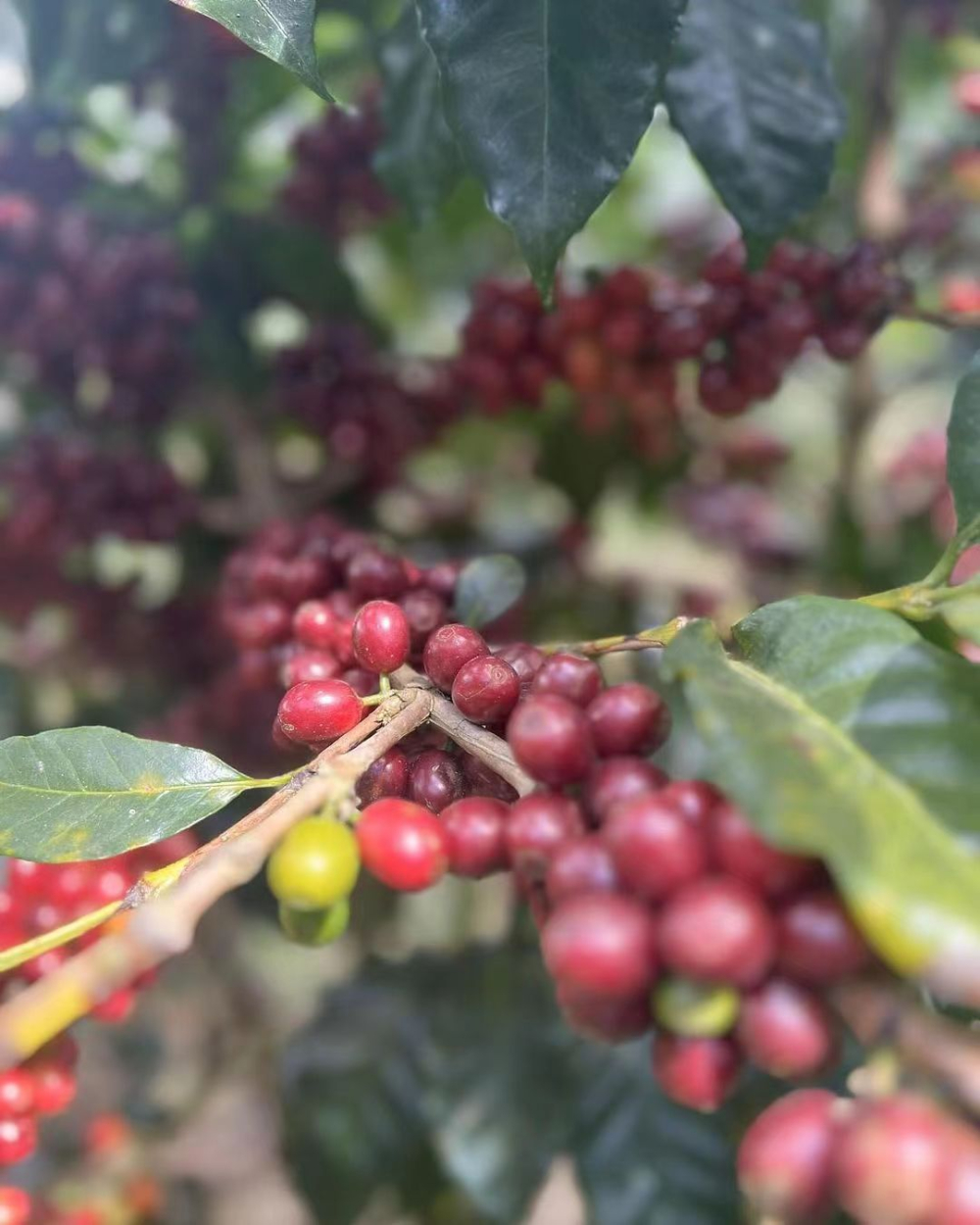
Among them, Sweet Orange Estate (El Naranjo) is located in Marcala, within the La Paz region, at an altitude of1425 meters, making it an excellent terroir for cultivating premium Catuai variety. The estate is named for the tall wild orange trees growing around it, and its coffee flavors are clear and distinctive, rivaling those of the nearby renowned Santa Bárbara region. Currently planted varieties include Catuai, Caturra, Bourbon, and Geisha. The focus of this article is its washed Catuai.
Catuai is a hybrid of Caturra and Mundo Novo. The plant is relatively short, with compact fruit that is less prone to dropping and strong resistance to wind and rain, making it highly suitable for high-altitude and variable climates. The washed Catuai from Sweet Orange Estate enhances a clean and distinct flavor profile. Its cup highlights citrus, melon, and floral notes upfront, complemented by a sugary sweetness and orange peel aroma, while the finish carries nuttiness and a tea-like texture, offering a well-balanced and layered experience.
In roasting, a medium roast is recommended to preserve its bright acidity and delicate fruit character. A practical roasting case used a Taiwan-based Yangjia Feima 800N roaster, with the charge temperature controlled at200°C, reaching the yellowing point (154°C) at5’15”,with first crack starting at 9’11” (186.5°C), and continuingfor 2 minutes of development up to 192.4°Cfor cupping, resulting in a smooth and layered brew.
For pour over, it is recommended to use a Hario V60 dripper, with water temperature set at90°C, coffee dose at15 grams, and a brew ratio of1:15, using a grind size referenced by a standard 20-mesh sieve passing rate of80%. The recommended brewing method is a pulse pour: start with30 grams of water for a 30-second bloom, then pour in a slow circular motion until reaching125 grams for the first pour, wait for the water level to drop before pouring again up to225 grams to finish, keeping the total brew time around2 minutes. These parameters help accentuate its citrus, berry, and nut layers, while maintaining a tea-like aftertaste.
After brewing, this coffee displays brightberry and citrus acidity, with mid-palate notes of melon and flowers, and a finish that reveals sugary sweetness and a round nuttiness, complemented by a notable tea sensation. The overall profile is refreshing and vibrant.
The above content is compiled by CoffeeHunters, a coffee news website.


