







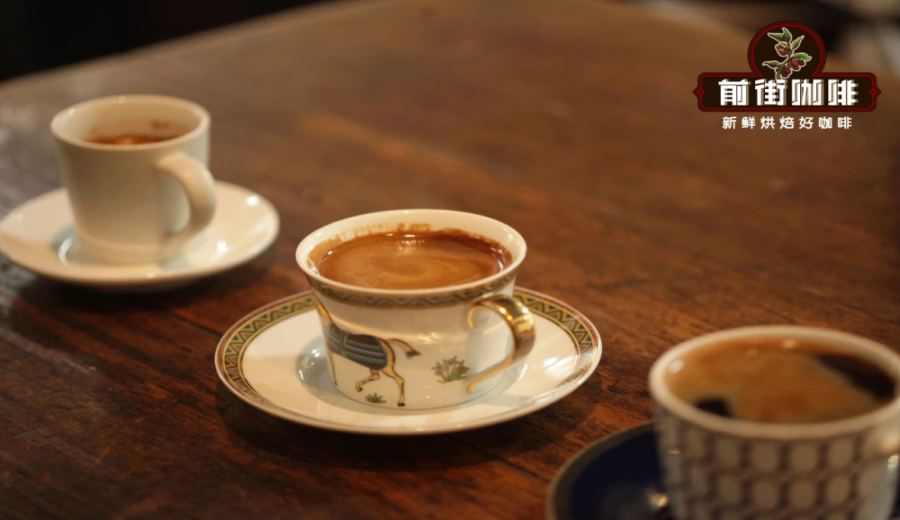
Introduction:There are significant differences between espresso beans and single-origin beans in terms of flavor, roast level, and usage. Understanding their blending logic, roast profiles, and suitable brewing methods can help you choose the most suitable coffee beans based on your needs. This article delves into the distinctions between the two and guides you through the core knowledge from SOE to blends. Whether you're a pour over enthusiast or an espresso drinker, you'll find practical insights here.
Those accustomed to drinking lattes and cappuccinos may not realize that the beans used in these common espresso-based drinks are actually on a completely different path from the single-origin beans used for pour over or filtered brewing. So-called espresso beans are specifically selected and blended to make espresso, often combining beans from different regions in specific proportions to achieve balanced flavor, rich body, and a thick crema. In contrast, single-origin beans emphasize traceability from a single origin or variety, typically showcasing their unique regional characteristics through brewing methods like pour over or cold drip.
Many beginners often wonder: which beans are suitable for making espresso? What does single-origin mean? In reality, this involves multiple factors such as bean variety selection, roast curves, blending techniques, and even extraction methods. Mastering these basics can give you more direction when purchasing coffee beans and help you find the most satisfying coffee experience based on your equipment and drinking habits.
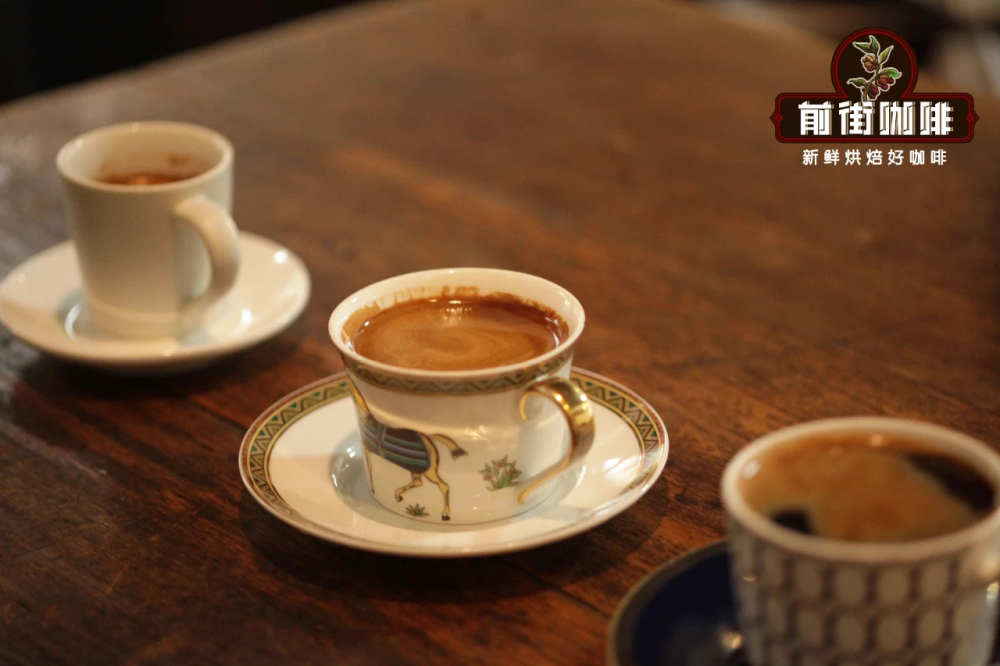
Let’s start with espresso beans. These beans are mostly designed specifically for espresso machines, extracting under high pressure for a short time to produce a rich, full-bodied, and crema-laden shot. To achieve this effect, most espresso beans are roasted tomedium-dark roast, sometimes even darker. This roast level not only brings out rich caramel, chocolate, and nutty notes but also helps stabilize extraction and form crema.
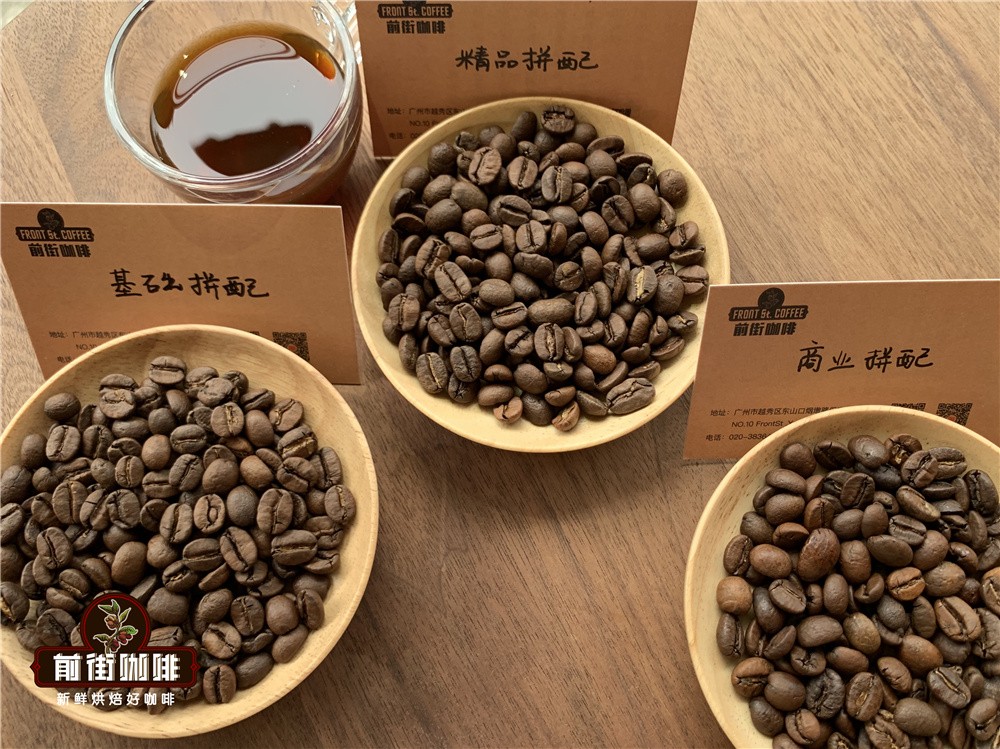
Blending is the mainstream approach for espresso beans, referring to mixing beans from two or more regions or varieties in specific proportions to achieve a desired flavor profile. Blends can be divided into "pre-blend" and "post-blend": pre-blend means mixing green beans from different origins before roasting, then roasting them together; post-blend involves roasting beans from each origin separately and then blending them in proportion. Either way, the blender needs a deep understanding of each bean’s flavor characteristics—such as acidity, sweetness, body, and aroma—to create a balanced, layered, and consistently flavored blend year after year.
Additionally, since coffee beans are agricultural products, even within the same region, annual climate variations can cause slight flavor fluctuations. Blending multiple beans helps maintain overall flavor stability. Moreover, to ensure supply chain reliability, most blend recipes also select beans from major coffee-producing countries with larger yields and relatively stable quality.
Commercially available espresso beans can generally be divided into three types: The first is Arabica-Robusta blends, where a small amount of Robusta is added to enhance the body and crema of the espresso while also helping to reduce costs—this is the most common commercial formula. The second is 100% Arabica blends, which do not include Robusta, usually offering more complex flavor layers but at a higher price, with quality varying depending on the specific origin and processing method. The third type is the increasingly popularSOE (Single Origin Espresso), which uses single-origin Arabica beans to make espresso, highlighting the unique flavor characteristics of that origin.
As for single-origin beans, they refer to beans from a single region, or even a single farm and variety, emphasizing their origin-specific traits and traceability. Common examples include Ethiopian Yirgacheffe, Kenyan AA, and Colombian Huila—all of which fall under the single-origin category. These beans are best brewed using low-pressure, slow extraction methods like pour over, cold drip, French press, or cold brew, which can bring out more delicate fruit acidity, floral notes, herbal or fruity tones—qualities many specialty coffee enthusiasts seek.
Single-origin beans also offer more flexibility in roasting, allowing for light, medium, or dark roasts depending on the desired flavor profile. Light roasts preserve more of the bean’s inherent flavors and acidity; medium roasts balance acidity, sweetness, and body; dark roasts enhance caramel and chocolate notes. However, it’s worth noting that single-origin beans are generally less suited for high-pressure espresso extraction unless they are specially roasted to a darker level—what we refer to as SOE.
SOE stands for "Single Origin Espresso," meaning "single-origin espresso." This approach replaces the multiple beans in traditional blends with a single-origin Arabica bean, extracted under high pressure in an espresso machine to highlight the unique flavors of that origin. For example, Ethiopian Yirgacheffe processed as an SOE might showcase pronounced citrus and floral notes, while Kenyan beans might exhibit intense berry characteristics. However, because it comes from a single origin, if that particular batch has flavor flaws—such as excessive sharpness or heavy fermentation—these can be easily amplified during espresso extraction. Therefore, SOEs are usually roasted slightly darker than typical pour over beans to balance overly prominent single characteristics.
For instance, if you take a commonly found Yirgacheffe single-origin bean from a café and use it directly as an SOE without sufficient dark roasting, the result may be overly sharp acidity, making the overall taste thin and unbalanced. Thus, selecting and roasting SOE beans is an art of balance, requiring a deep understanding of the origin’s flavor profile and its reaction to extraction.
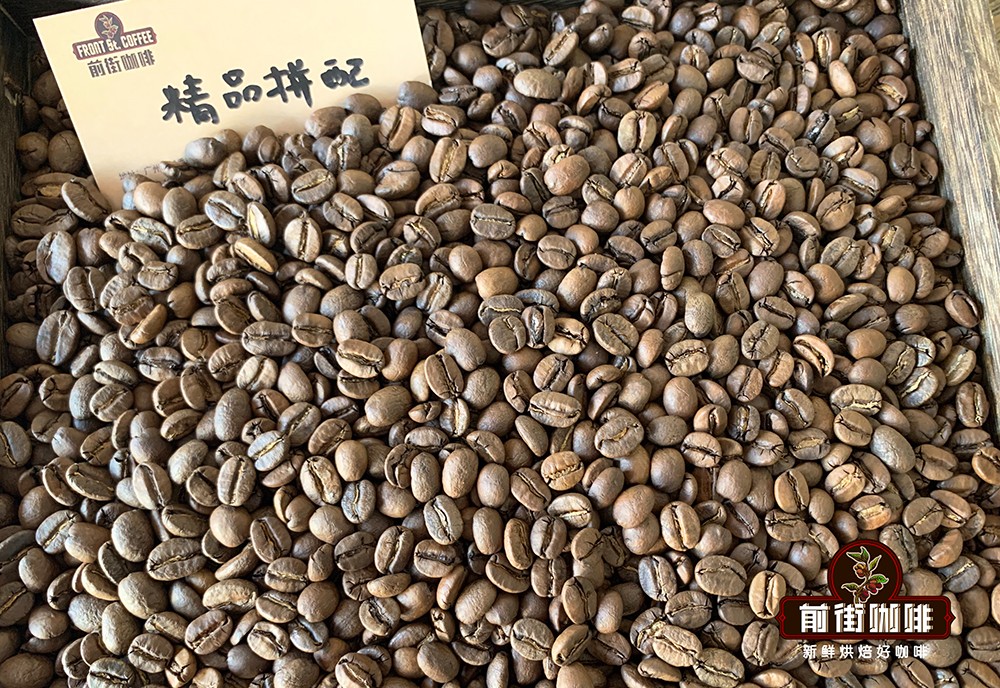
Whether you choose a blend or a single-origin bean,coffee bean freshnessis key to flavor performance. Freshly roasted beans typically enter their optimal resting period 4–7 days after roasting, when their flavors are most vibrant and balanced. It’s recommended that consumers choose beans with recent roast dates and adjust grind size and extraction parameters according to the brewing method. For espresso, a medium-fine grind is advised, along with even tamping and attention to extraction time to achieve a rich and balanced shot.
In summary, espresso beans and single-origin beans each have their own design purposes and ideal use cases. Understanding their differences in origin, roast, blending, and brewing can help you choose the coffee beans that best match your taste and needs. Whether you’re an espresso lover or a pour over enthusiast, you can find your own perfect flavor profile.
The above content is compiled by CoffeeHunters, a coffee news website.


