








Introduction:Delve into the fundamental differences between the two major coffee species—Arabica and Robusta—from flavor profiles to ideal growing regions, helping you find your perfect cup. This article details the characteristics of mainstream varieties and explores how altitude and climate influence flavors, giving you more clarity when selecting coffee beans.
To truly appreciate the essence of coffee, the first step is understanding the bean variety. The two most common categories on the market are Arabica and Robusta. Their flavor profiles differ significantly, and they also cater to distinct brewing methods and consumer preferences. Arabica is renowned for its delicate acidity and complex aromas, making it the go-to base for pour over and specialty coffee. In contrast, Robusta, with its high caffeine content, pronounced bitterness, and rich crema, is commonly found in espresso blends. Understanding their characteristics is the first step toward choosing the right coffee.
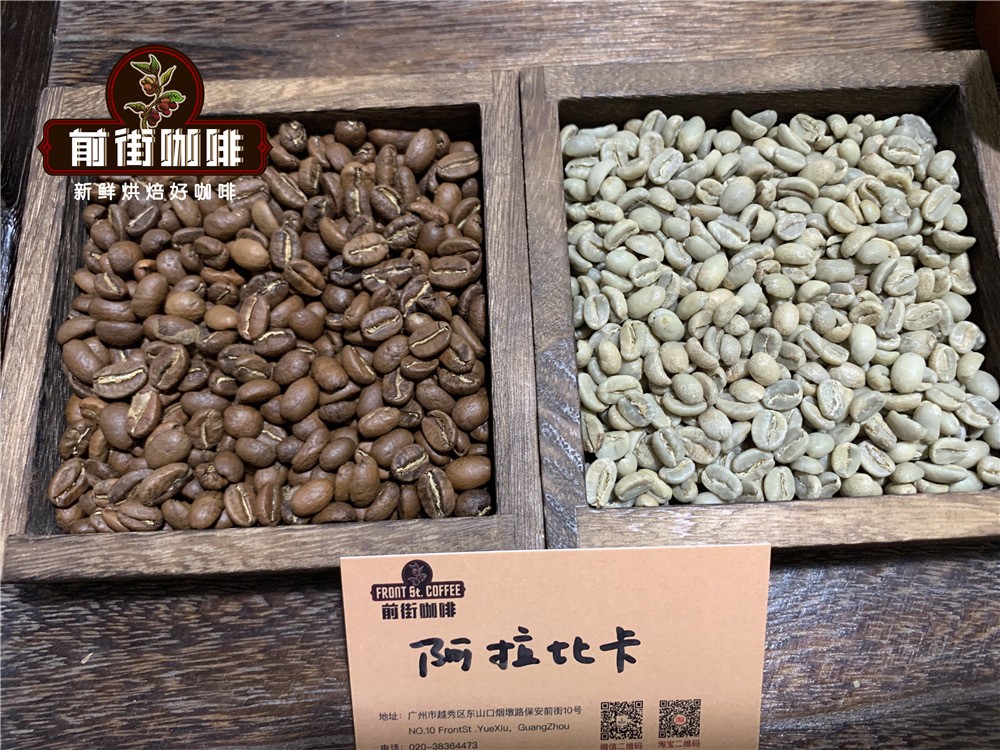
Arabica is currently the world’s predominant coffee species, accounting for approximately 70–80% of global production. These coffee trees are naturally less resistant to pests and diseases and have a longer growth cycle, resulting in limited yield per unit. However, they offer a richer aromatic spectrum and a softer balance of acidity and sweetness, making them the preferred base for specialty coffee. Arabica thrives in high-altitude regions, particularly between 500 and 1500 meters above sea level, with altitudes above 1500 meters—especially volcanic soils or plateau environments—producing the finest bean flavors. This species demands strict environmental conditions, including moderate rainfall, significant diurnal temperature variations, and well-drained sloped terrain to achieve optimal quality.
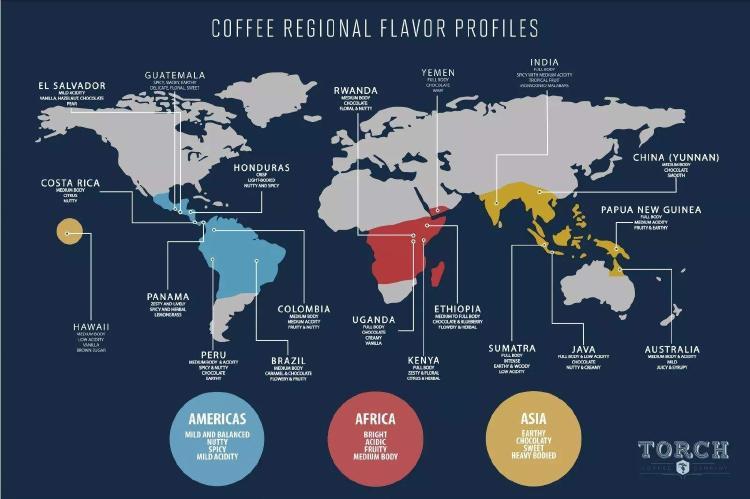
Arabica exhibits an extremely high degree of varietal diversity, with over two to three thousand known cultivars, all derived from the two original varieties: Typica and Bourbon. Both originated in Ethiopia and later spread globally through trade and colonial history, gradually evolving into numerous variants and mutations due to adaptation to different climates and soils. Today’s major producing regions include Central and South American countries such as Brazil and Colombia, East African nations like Ethiopia and Kenya, Asian countries such as Indonesia’s Sumatra and India, as well as Jamaica Blue Mountain.
The global regions suitable for coffee cultivation are generally located between the Tropic of Cancer and the Tropic of Capricorn, collectively referred to as the "Coffee Belt." These areas feature undulating mountainous terrains, making them ideal for coffee planting. Particularly on volcanic slopes between 1000 and 2000 meters above sea level, the daytime sunlight is abundant but temperatures remain moderate, while cool nights help beans mature slowly and accumulate flavor compounds. Additionally, stable cycles of rainy and dry seasons are indispensable for producing high-quality coffee.
Compared to Arabica, Robusta is far more adaptable to environmental conditions. It tolerates high temperatures, resists diseases well, and can grow at low altitudes, resulting in lower planting thresholds, higher yields, and more affordable prices. However, the most distinctive feature of Robusta is its caffeine content, which is nearly double that of Arabica. This delivers a strong stimulating effect but also results in a bolder, slightly woody or coarse flavor profile. Moreover, its high oil content contributes to the rich crema in espresso, making it a common choice in commercial blends. If you’re sensitive to caffeine, opt for blends dominated by Arabica; but if you prefer a bold, full-bodied taste, Robusta remains a popular option for many.
When discussing Arabica sub-varieties, the most frequently mentioned include Typica, Bourbon, Caturra, and Geisha. These varieties not only differ in appearance and regional performance but also directly influence the final flavor of the coffee. For example, Typica is one of the earliest discovered Arabica varieties, known for its delicate acidity and subtle floral notes, but it has low yields and is susceptible to pests and diseases. Bourbon is famed for its round, plump beans and rich sweetness, with softer acidity often accompanied by caramel and nutty undertones. Caturra, a mutation of Bourbon, offers bright acidity and fruity aromas, suitable for medium to light roasts, and is commonly found in competition-grade coffees. Geisha has gained significant attention in recent years, celebrated for its floral-fruity aromas and tea-like aftertaste, making it a dream bean for specialty coffee enthusiasts.

Typica is considered one of the oldest Arabica varieties, originating in southwestern Ethiopia before spreading to Yemen and then the rest of the world. Its beans are long and pointed, contrasting with the round shape of Bourbon. Jamaica Blue Mountain is one of the representative coffees of the Typica variety, beloved by coffee aficionados for its elegant and balanced flavor. Bourbon was introduced to Africa and South America by the French in the 18th century and, due to its stable yield and rich flavors, has become a frequent winner in many cupping competitions. Varieties such as Caturra and Pacas were cultivated to enhance yield and disease resistance, suited for medium to low altitudes, with bright acidity and fruity notes.
The Geisha variety has been a standout star in the coffee world over the past decade. It first gained prominence in Panama, where its unique perfume-like floral-fruity aromas and tea-like aftertaste catapulted it to the top of international competitions. With its delicate acidity and prominent sweetness, Geisha is a must-try for pour over enthusiasts. Yellow Bourbon, named for its orange-yellow beans at maturity, features intense caramel and nutty characteristics, appealing to those who prefer a pronounced sweetness.
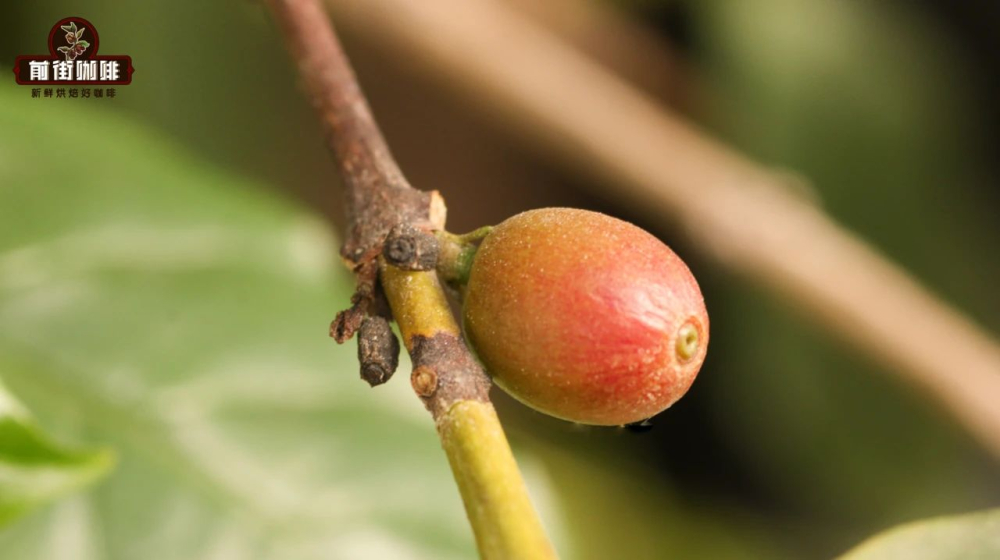
Beyond traditional varieties, many coffee farms have cultivated new varieties through selection or hybridization, resulting in disease-resistant, high-yield beans that still deliver outstanding flavors—such as Catimor. Although some commercial hybrids may sacrifice certain flavor nuances, proper cultivation and processing can still yield surprisingly delightful profiles. When selecting coffee beans, pay attention to factors like origin, altitude, and processing methods, all of which greatly influence the final flavor experience.
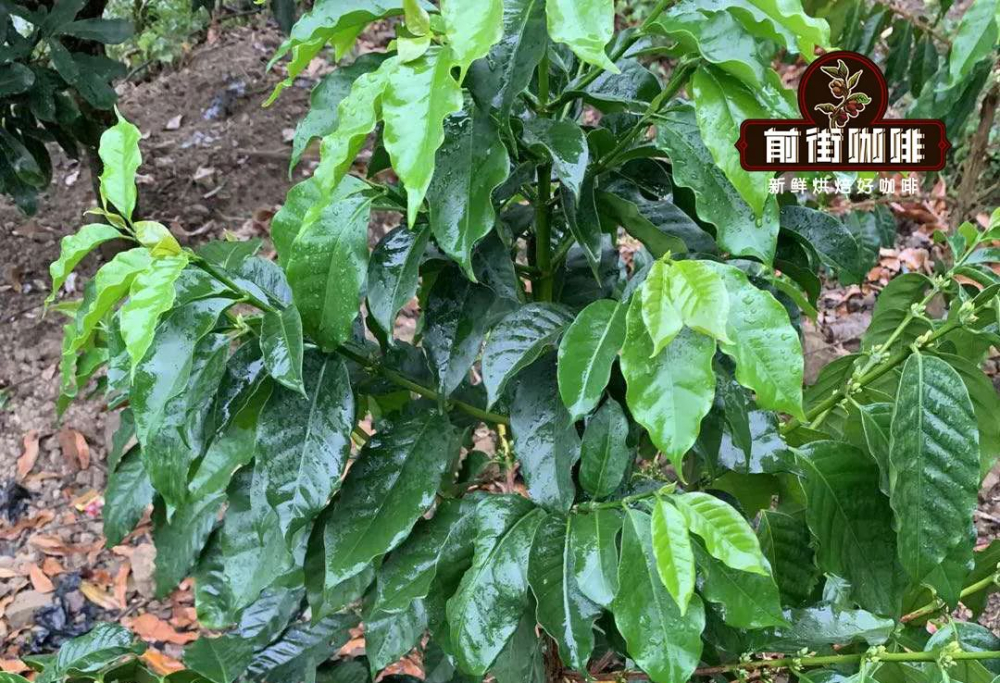
In summary, whether you’re a beginner or an experienced coffee enthusiast, understanding the fundamental differences between Arabica and Robusta and the characteristics of various varieties can help you make more informed choices when selecting coffee beans. Pairing them with the right brewing method and grind size further unlocks each bean’s full potential. From pour over to espresso, from single origins to blends, finding your perfect cup is the most captivating journey in coffee appreciation.

The above content is compiled by CoffeeHunters, a coffee news website.


