







Introduction:Explore the unique charm of Ethiopia’s Yirgacheffe sub-region, Kochere, and delve into how its washed processing method shapes its clean flavor profile of citrus and honey. This article provides a comprehensive practical guide—from regional background, processing techniques, roast profiles, cupping flavors to V60 three-stage pour over steps—to help you master the brewing essence and flavor potential of this classic specialty coffee bean.
As the birthplace of Arabica coffee, Ethiopia boasts numerous coffee regions with vastly different styles, among which Yirgacheffe is a classic representative in the hearts of global specialty coffee enthusiasts. Among its many sub-regions, Yirgacheffe Kochere stands out with its outstanding washed processing techniques and clear cupping grading system, showcasing a distinctive citrus and honey character that has made it a top choice for many coffee lovers exploring Ethiopian washed coffees.
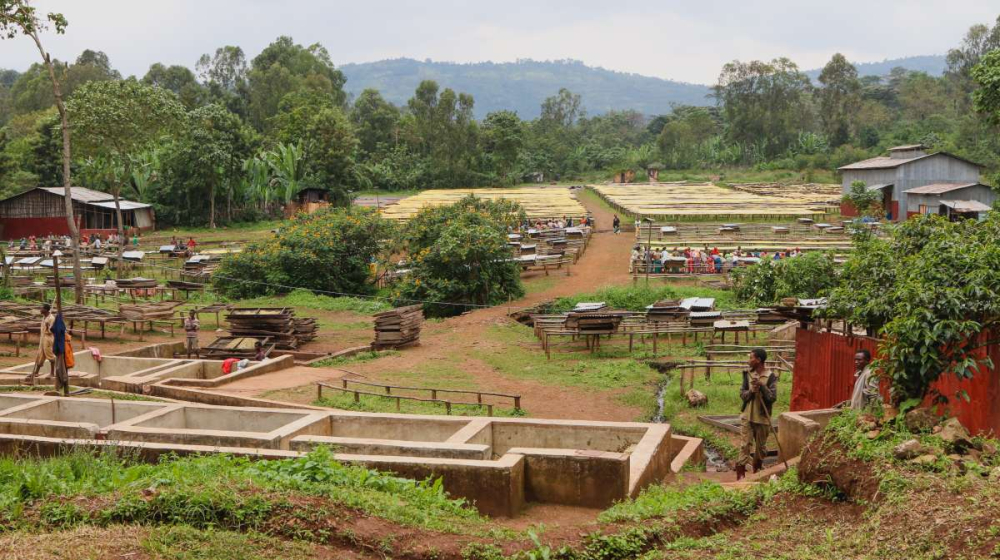
Kochere is located within an important sub-region of the Yirgacheffe system, forming a cluster of high-quality micro-regions around Yirgacheffe along with areas such as Wenago and Gelena Abaya. As early as 2009, Ethiopia officially designated these flavor-similar yet individually unique areas as separate regions, highlighting that their flavor finesse had become distinct enough to stand on their own. The coffee from Kochere mainly comes from numerous smallholder farmers in the area, with each household farming an average of just about 1 hectare (approximately 15 mu), and planting altitudes generally ranging between 1,800 to 2,000 meters, making it a typical high-altitude growing environment.
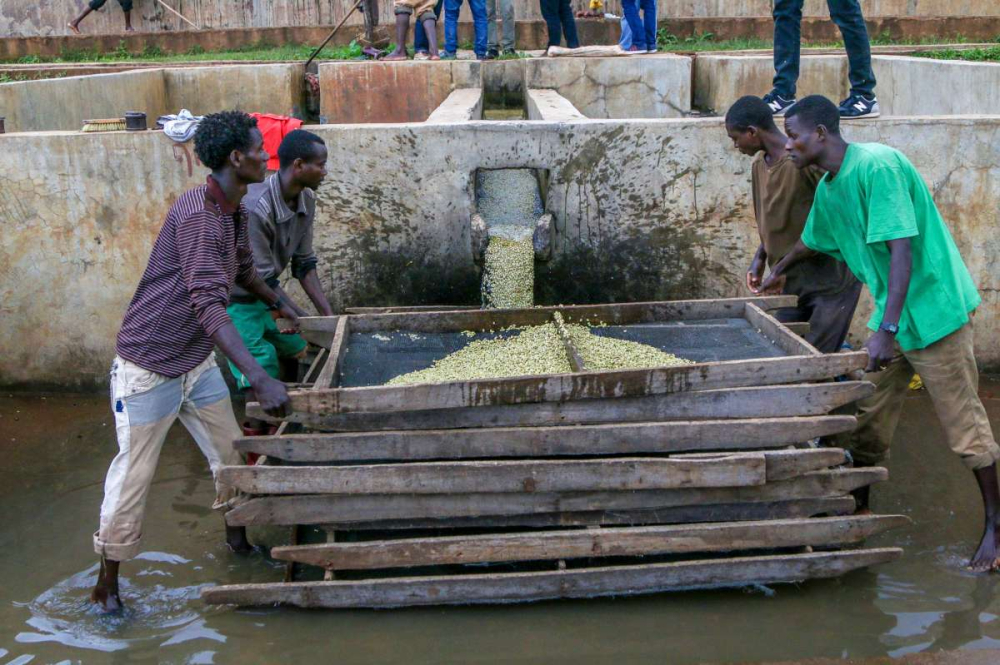
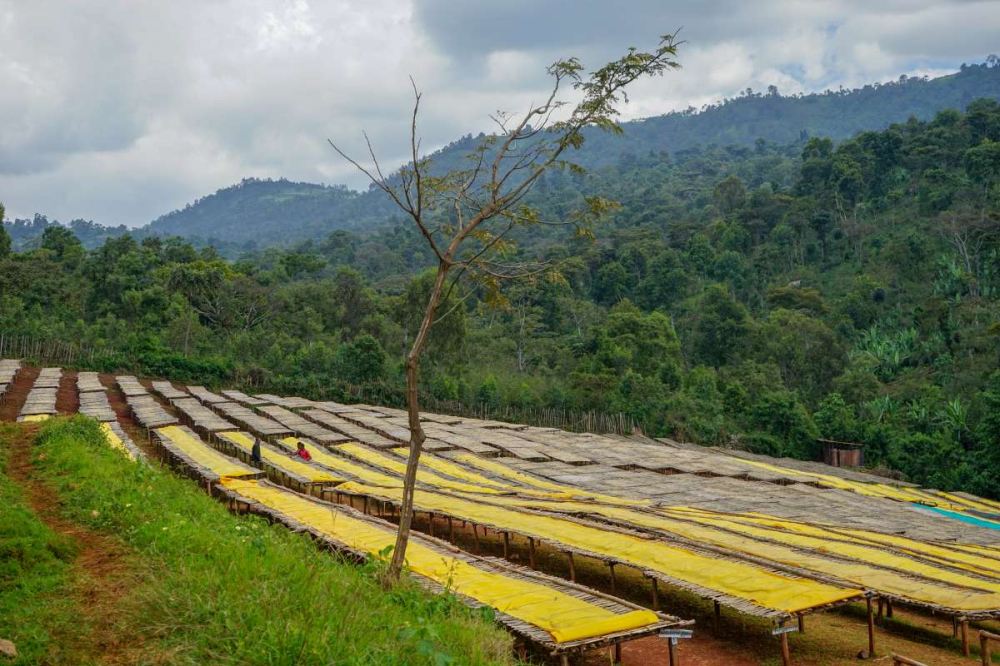
These smallholders typically deliver their harvested red coffee cherries to nearby cooperative washing stations, where professional teams handle the subsequent processing uniformly. Washed processing plays a key role in Kochere, with its core being the precise removal of the skin, pulp, and sticky mucilage layer through water flow and fermentation processes, thereby preserving the purest flavor characteristics of the coffee beans. During processing, ripe red cherries are first sorted, then depulped and fermented in water. The resulting parchment coffee is then sun-dried on raised beds until the moisture content drops below 12%, ensuring bean stability and resistance to mold.
Equipment and water management are crucial during the washed processing. Advanced washing facilities ensure that beans are thoroughly cleansed of impurities during fermentation and washing, while also reducing defect rates—this is a key reason why Kochere coffee maintains stable quality and clear flavors. Compared to traditional natural (sun-dried) methods, washed processing not only reduces interference from impurities but also highlights bright acidity and layered fruit aromas, resulting in a cleaner and more balanced coffee expression.
The Kochere coffee beans selected by this shop are processed at the G1 grade using washed method, with the variety being a local landrace, grown at an altitude of approximately 1,650 to 1,800 meters, falling within the classic range for medium-light roasting. Medium-light roasting preserves the coffee beans’ original fruit acidity and aroma, highlighting the vibrant characteristics of tropical fruits while maintaining moderate body and aftertaste. During roasting, a Yangjia 600g semi-direct-fire roaster is used in fast-roast mode, starting at 200°C, with gradual adjustments to heat and air vent to control the drying and first crack stages, finally dropping the beans at 192°C to maximize flavor details.
During cupping, this Kochere coffee exhibits layers of orange blossom, lemon, black tea, and fruity acidity and sweetness. The acidity is bright yet not harsh, with noticeable sweetness and a clean aftertaste. These flavor characteristics are further concentrated thanks to the washed process, making it ideal for coffee lovers who enjoy a fresh and bright flavor profile.
For brewing recommendations, the V60 filter cone paired with a three-stage pouring method is the ideal choice for extracting the flavors of Kochere. It is recommended to use 15 grams of coffee grounds, with water temperature controlled at 91°C, grind size at medium-fine for pour over (approximately 80% passing through a #20 sieve), and a water-to-coffee ratio of about 1:15. The specific steps are as follows: first, perform a 30-second bloom with 30ml of water to activate the release of coffee aromas; then pour water in small streams in circular motions centered on the grounds until reaching 125ml; finally, after the water level drops by half, continue pouring to 225ml, with total brewing time of about 2 minutes. These parameters effectively balance acidity, sweetness, and body, showcasing the layered notes of citrus and black tea.
After pouring, the flavor profile is dominated by bright lemon acidity, paired with refreshing citrus aromas, mid-palate fruit sweetness, and a soft black tea-like finish, delivering an overall clean taste with a long-lasting aftertaste. It should be noted that the optimal tasting period for these coffee beans is from the 4th to the 40th day after roasting. Fresh grinding and brewing are recommended to fully experience its vibrant aromas and dynamic flavor evolution.
The above content is compiled by CoffeeHunters, a coffee news website.


