







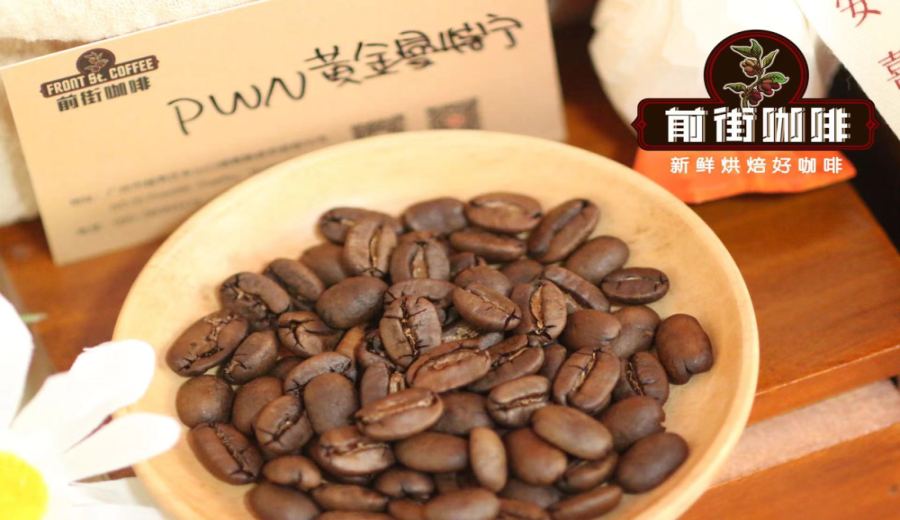
Introduction:Indonesian Mandheling is beloved by many coffee enthusiasts for its rich, bold, and low-acid profile with a smooth mouthfeel. This article takes an in-depth look at two of Indonesia’s most iconic Mandheling coffees—Golden Mandheling and Lintong Mandheling. We explore their regional backgrounds, the unique wet-hulling (Giling Basah) processing method, the PWN vs. Ding Shang trademark dispute, as well as the varieties, flavor profiles, and pour over brewing parameters for both beans. This guide will help you master the key factors in selecting and brewing these coffees to discover your preferred Indonesian coffee flavor.
Indonesian coffee has always held a significant place in the global market, especially Mandheling from the Sumatra region, renowned for its bold, full-bodied, and low-acid characteristics. Among the various Mandheling offerings, Golden Mandheling by PWN (Pwani Coffee Company) stands out with its rigorous four-stage manual sorting process, delivering a cleaner, brighter, and more layered cup profile. It’s a classic choice for coffee beginners looking to level up or seasoned drinkers wanting to explore something new.
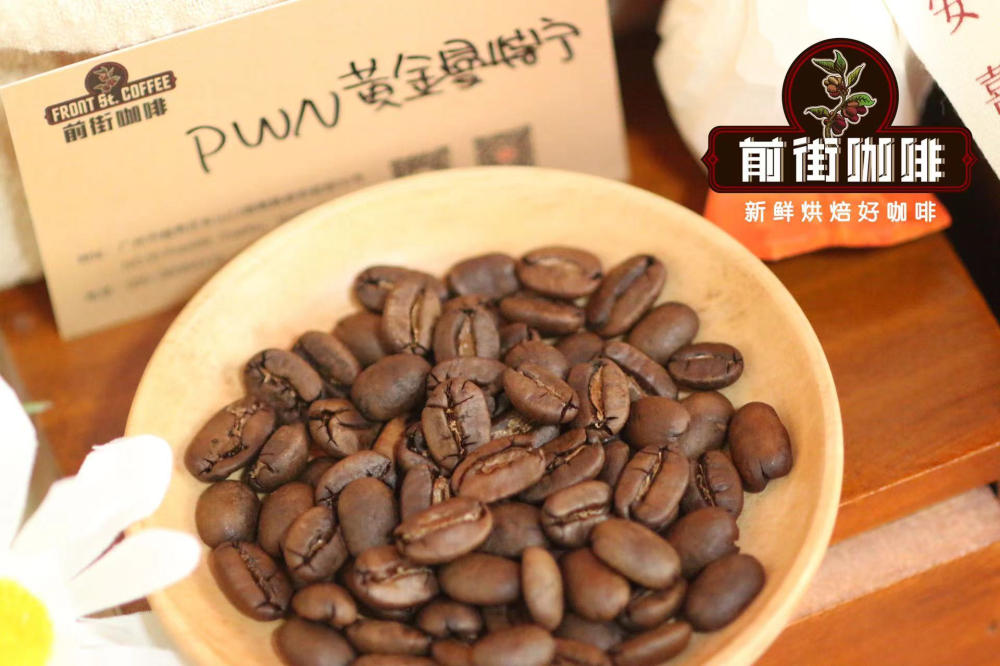
The name “Golden Mandheling” is not used casually—it actually stems from a trademark dispute. In the Japanese market, Mandheling beans that underwent meticulous sorting with extremely low defect rates were originally referred to as “Golden Mandheling.” However, this name was eventually registered as a trademark by the well-known Indonesian company PWN (Pwani Coffee Company), leading Japanese producers to rebrand their similar products as “Gold Top Mandheling” (Ding Shang Golden Mandheling). Although both originate from Sumatra, there are still noticeable differences in bean shape, flavor, and sorting standards. PWN’s Golden Mandheling primarily uses the ancient Typica variety, with larger bean size and defects kept to an absolute minimum after four rounds of hand sorting. The Ding Shang version, on the other hand, mostly uses Typica variants with smaller beans, each having its own loyal following.
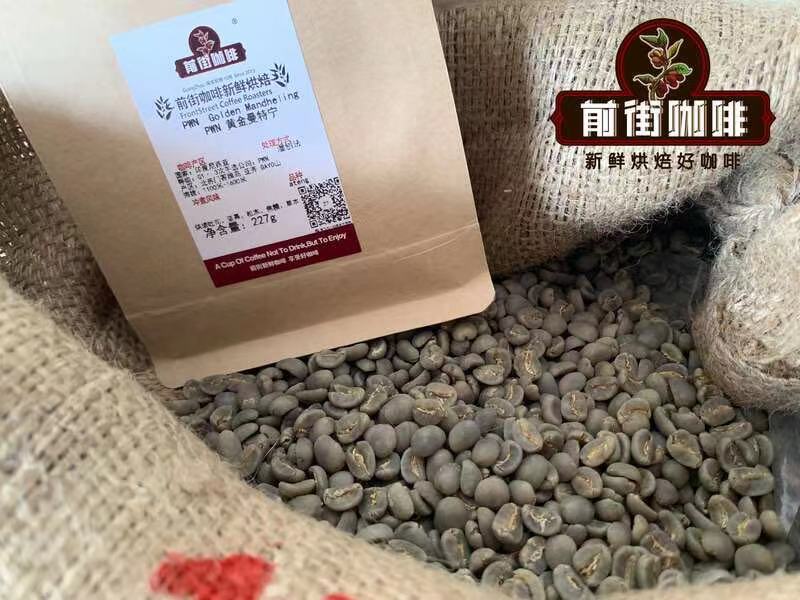
The development of the unique wet-hulling process in Indonesia is closely tied to the local climate. Sumatra is rainy and humid, with limited sunny days, making full sun drying impractical. Meanwhile, the washed method demands relatively expensive equipment and technical skills, which are not easily accessible. As a result, local farmers developed wet-hulling as an adaptive processing method: first, the traditional washed process removes the fruit pulp, then the parchment-covered beans undergo 2–3 days of initial sun drying until the moisture content drops to around 20%–24%. At this point, the parchment layer is removed early, and drying continues until the target moisture level is reached. While this method significantly shortens processing time, the premature removal of the protective layer can lead to a higher incidence of defects. However, Golden Mandheling manages to control defect rates through strict sorting.For green beans larger than screen 19, samples of 300 grams often contain fewer than 3 defective beans, meeting the top-tier G1 grade.The beans are dark green in color with uniform shape, laying a solid foundation for their consistent performance.
In addition to Golden Mandheling, another key Mandheling-producing region in Sumatra is Lintong. Located in northern Sumatra, Lintong shares a similar altitude of 1100–1600 meters with Gayo Mountain, the producing area of Golden Mandheling. However, Lintong Mandheling differs slightly in variety and sorting criteria. Common varieties include Typica and Catuai, also processed using the wet-hulling method. The flavor profile features intense roasted toast aromas paired with notes of nuts, caramel, and herbs. The cup offers subtle herbal and dark chocolate undertones, with an overall taste that is more rustic and straightforward—ideal for those who appreciate the bold, unrefined character of Indonesian coffee.
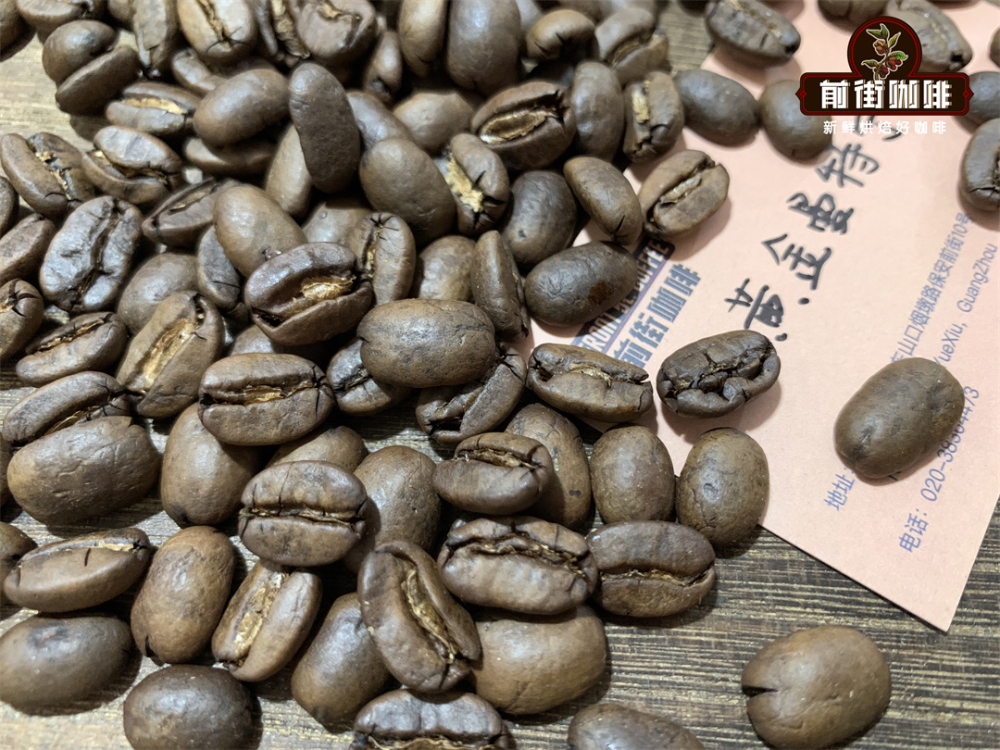
To better understand the actual performance of these two beans, pour over brewing is one of the most direct methods. Below are general pour over parameters and step-by-step techniques suitable for medium-dark roasted Mandheling beans, helping to highlight their unique personalities:
【Pour Over Equipment】Kono dripper or V60
【Coffee-to-Water Ratio】1:15
【Coffee Dose】15 grams
【Brew Water Temperature】88°C
【Grind Size】20-mesh standard sieve passing rate of 70–75% (medium-coarse grind, similar to white sugar granules)
【Brewing Steps】
1. Start with a 30-gram bloom for about 30 seconds.
2. Then pour water in small circular motions. When the total water volume reaches 125 grams, perform the first pour and let the water level drop.
3. When the coffee bed is about to become visible, continue pouring until you reach 225 grams, then stop and wait for the water level to lower again.
4. Finally, remove the dripper. Total brew time may vary slightly depending on the dripper—around 2 minutes for V60 and approximately 2 minutes 10 seconds for Kono.
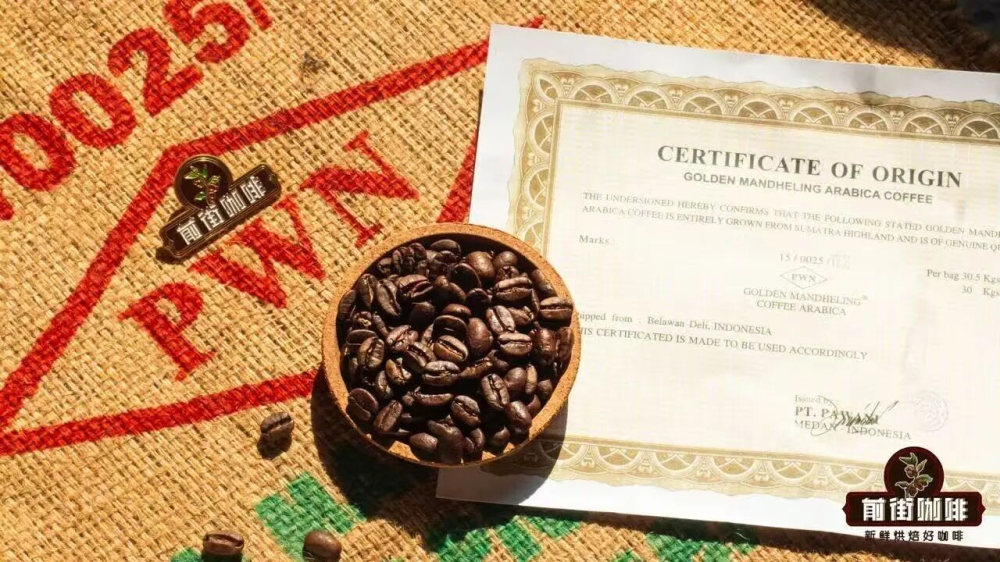
In terms of flavor, PWN Golden Mandheling presents a more refined profile: clean, well-layered, and full-bodied, with intense notes of nuts, caramel, and chocolate. The finish is long and stable, with almost no earthy or off-flavors—perfect for those who prefer a delicate and balanced cup. Lintong Mandheling, on the other hand, showcases a more primal Sumatran character: prominent herbal and vegetal notes upfront, accompanied by dark chocolate and caramel sweetness, with a lingering finish that hints at mild spice and woodiness. Overall, it has a bolder, more regionally distinctive flavor.
In summary, if you’re seeking a premium-grade Mandheling with clear flavors, minimal defects, and a balanced mouthfeel, PWN Golden Mandheling is undoubtedly the more advanced choice. But if you’re just starting to explore Indonesian coffee or prefer a rich, hearty, and more rustic everyday bean, Lintong Mandheling makes an excellent entry-level option. Understanding the regional backgrounds, processing differences, and sorting standards of these two beans will help you choose the Sumatran Mandheling that best suits your taste.
The above content is compiled by CoffeeHunters, a coffee news website.


