







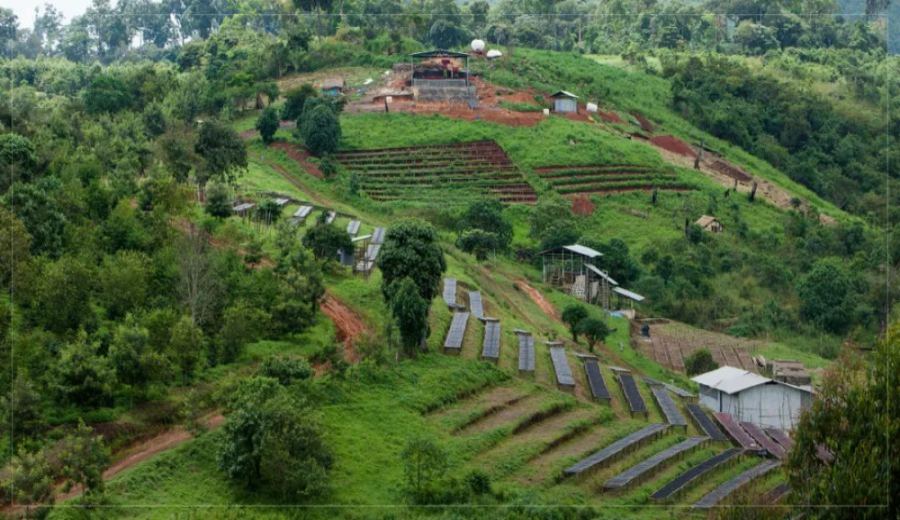
Introduction:Do you know which forest the globally beloved Geisha coffee originally came from? This article delves into the founding background of Ethiopia’s Gesha Village Coffee Estate, the origin of its varieties, and how it has developed distinct Geisha coffees through a rigorous grading system. We’ve also compiled the flavor profiles, recommended processing methods, and brewing parameters for each grade to help you better understand the potential of this top-tier coffee.
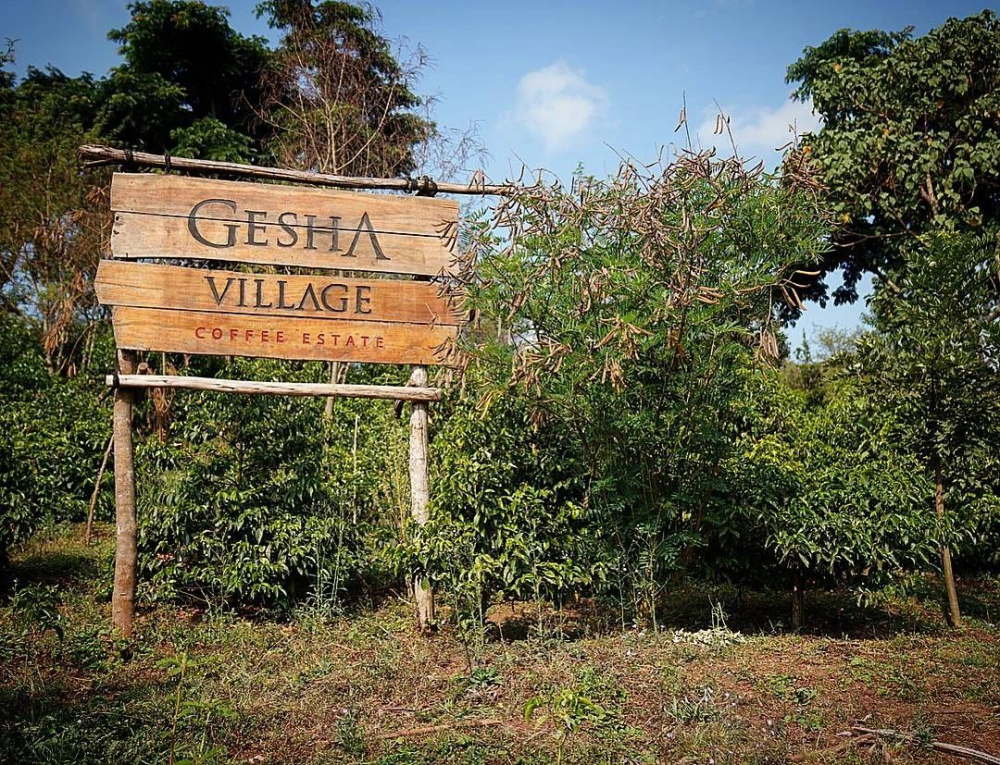
Geisha coffee has taken the specialty coffee world by storm in recent years, but where does it truly come from? Gesha Village Coffee Estate, located in the southwestern part of Ethiopia, is the key stage for this story. Established in 2011 by American documentary filmmaker Adam Overton and Ethiopian photographer Rachel Samuel, together with Dutch coffee expert Willem Boot, this estate is dedicated to cultivating the Geisha variety native to Ethiopia’s forests and gradually developing a unique regional flavor and strict grading classification.
The story of Gesha Village Coffee Estate began with a documentary filming mission centered around coffee. In 2007, Adam and Rachel were invited to Ethiopia to film and during their trip, they had profound interactions with local communities and coffee farms, sparking their idea to own their own coffee estate. In 2009, they met Willem Boot — an expert with deep roots in the coffee industry. He was deeply impressed after first tasting the competition-grade Geisha from Panama’s Hacienda La Esmeralda in 2004, and the following year purchased the then-obscure La Mula farm, introducing 6,000 Geisha coffee trees. In 2014, La Mula made a remarkable splash at the BOP competition, defeating several well-known farms to take the championship, showcasing the ultimate potential of the Geisha variety.
Willem Boot had long hoped to return to Ethiopia to find the true origin of the Geisha variety. In 1931, this variety was first discovered in a forest in Ethiopia called Geisha Mountain, and was later introduced to places such as Costa Rica. However, due to its low yield and unremarkable appearance, it had long been used as a windbreak. It wasn’t until it entered the competition scene that it gained fame. Adam and Rachel, along with Willem Boot, strongly believed that by returning to this original forest, they could cultivate the purest form of Geisha.

In 2011, they chose to settle in the Bench-Maji region in southwestern Ethiopia, near the border with South Sudan. The terrain and climate conditions of this area bear some similarity to those of Panama’s Geisha-growing regions and are considered one of the likely birthplaces of the original Geisha. There, they discovered a pristine forest known as Gori Geisha, where the wild coffee trees showed high genetic similarity to known Geisha varieties and emitted a rich coffee floral aroma. After identification, the coffee from this forest was confirmed to be one of the original Geisha varieties, and thus Gesha Village Coffee Estate was established nearby and named accordingly.
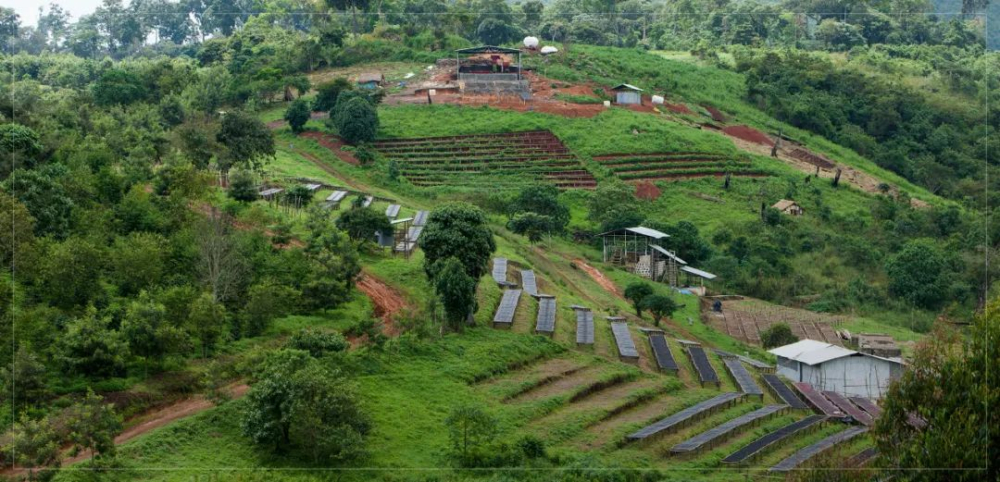
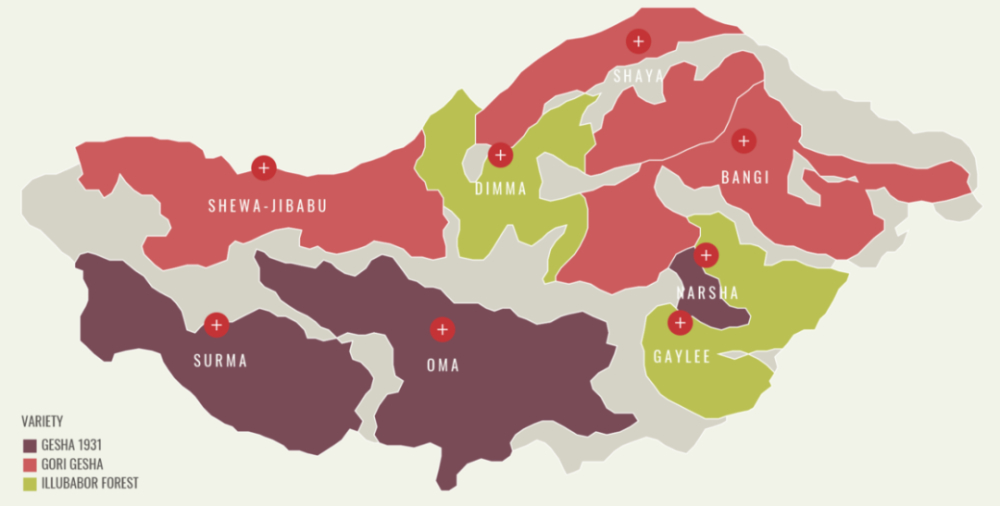
Currently, Gesha Village Coffee Estate covers an area of 500 hectares and has its own washed processing plant and laboratory, making it one of the very few large-scale coffee farms that exclusively grow the Geisha variety. The estate is divided into eight plots, cultivating various Geisha-related varieties including Gori Gesha (Gori Geisha), Gesha 1931, and the disease-resistant variety IIIubabor Forest. The seeds all come from the surrounding pristine forests, not from imports from Panama.
To ensure product quality, the estate has implemented a strict grading system, categorizing Geisha coffee into five grades: Auction Lot, Gold Label, Red Label, Green Label, and the CHAKA batch, which blends multiple varieties and plots.
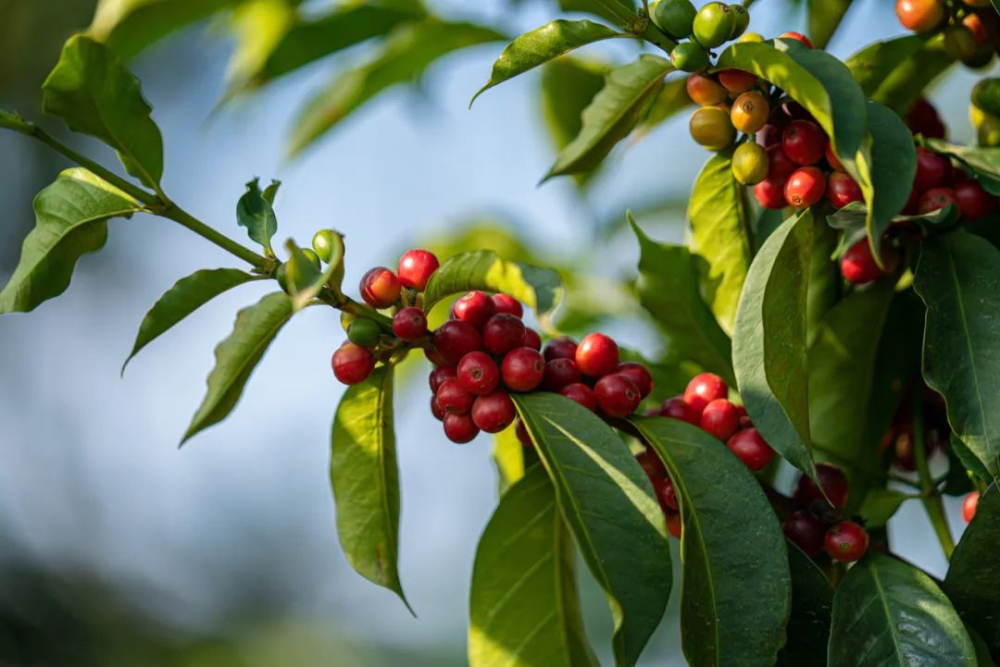
Auction Lotis the highest grade of Gesha Village, accounting for only about 3.7% of annual production and available only through auction. This batch of Geisha undergoes multiple screenings and delivers the most delicate and complex flavor profile, making it the top choice for collectors and competition use.
Gold Labelaccounts for approximately 10% of total production and is favored by many roasters and competition participants. For example, a coffee brand’s purchase of the Oma plot’s Gold Label natural-processed Geisha (altitude 1900–2040 meters, variety: Gesha 1931) displayed layers of citrus, berries, honey, and caramel in cupping, with a long aftertaste and a sweet melon-like aroma.
Red Labelmakes up about 15%, with cupping scores of SCA 88 or above. It mainly comes from plots such as Shewa-Jibabu (altitude 1973–2069 meters), featuring Gori Gesha natural-processed beans. Its flavors include lemon, plum, citrus, and tropical fruits. It offers good value and is suitable for everyday drinking by Geisha enthusiasts.
Green Labelis an entry-level single-plot batch with no cupping score threshold but complete traceability on origin and processing. An example is the Gori Gesha natural-processed beans from the Bangi plot (altitude 1911–2001 meters), suitable for those wanting to explore the original flavors of Geisha.
CHAKA is the only batch that blends multiple varieties and plots, including Gesha 1931, Gori Gesha, and Illubabor, and offers both washed and natural processing. A coffee brand’s version using the natural process, dried for 18–30 days on African beds, features floral, citrus, berry, creamy, and oolong tea notes, with bright acidity and rich sweetness.
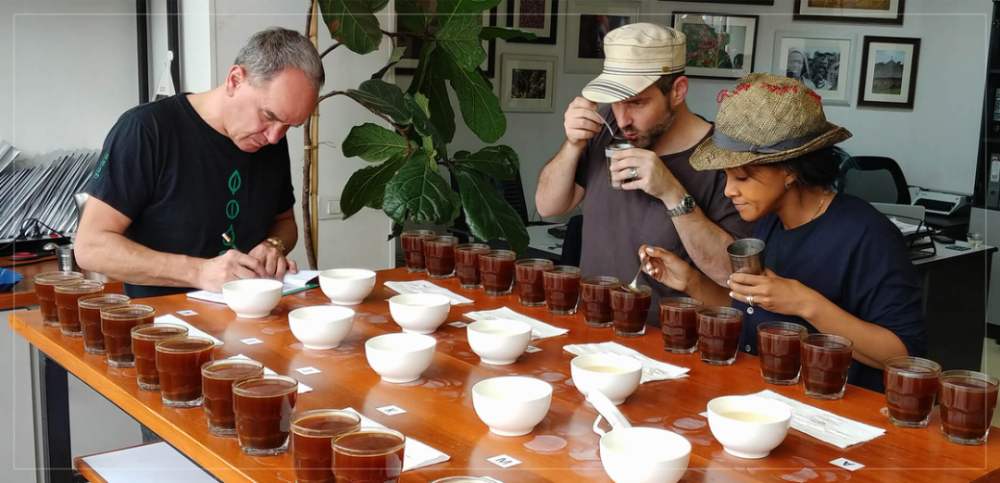
In terms of green bean appearance, Gesha Village’s beans are slightly smaller than those from Panama. Washed beans exhibit a beautiful blue-green color, while natural beans have a warm greenish-yellow hue, with unique aromas of peach, berries, and oolong tea. In cupping, the dry fragrance includes wine, apricot, and jasmine notes, while the wet aroma reveals sweet orange and tropical fruit scents. Upon tasting, one can perceive an interplay of citrus, berries, ripe fruit, and fermentation aromas, with clear acidity and a clean mouthfeel, and a fruity-sweet and honey-toned aftertaste.
When it comes to brewing recommendations, since Geisha coffee generally possesses complex floral and fruity characteristics,pour over is the extraction method that best highlights its nuances. A certain coffee brand recommends using freshly roasted beans (within 7–30 days post-roast for optimal flavor), and opting for a medium-light roast to preserve acidity and complexity. They suggest using a V60 dripper, with a 1:16 coffee-to-water ratio (e.g., 15g coffee to 240ml water), water temperature controlled at 91–92°C, and grind size around 80% passing through a #20 sieve (similar to granulated sugar).
Specifically, a three-stage pour is advised: start with a 30g bloom for 30 seconds, then pour 95g of water, wait for the bed to lower, and then add the final 100g. Total brew time is about 2 minutes. This method fully brings out Geisha’s fruity acidity, floral notes, and sweetness, while avoiding over-extraction that could lead to astringency.
In summary, Gesha Village Coffee Estate not only preserves the original genetics of the Geisha variety but also, through scientific management and strict grading, allows each batch of coffee to showcase its unique terroir. Whether you’re a beginner or a seasoned coffee enthusiast, you can find your own flavor story within the estate’s various grades of Geisha.
The above content is compiled by CoffeeHunters, a coffee news website.


