







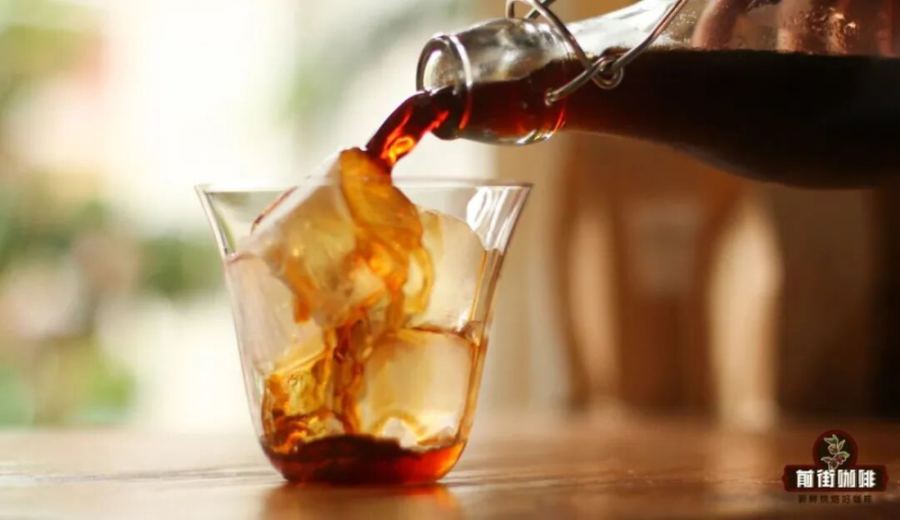
Introduction:The reason behind the relatively high price and smaller portion size of cold drip coffee is closely tied to its intricate brewing process. Compared to iced Americano or iced pour over, cold drip not only requires specialized equipment but also demands precise control over grind size, dripping rate, coffee-to-water ratio, and aging time to bring out its unique flavors. This article starts with the structural principles of the cold drip brewer, explains in detail the adjustment techniques for the four key variables, and provides practical parameters for both light and medium roast beans, helping you understand why it's priced higher—and even how you can try making it at home.
Many coffee enthusiasts have noticed that commercial cold drip coffee often comes with a higher price tag than similar products like iced Americano or iced pour over, and sometimes even in smaller quantities. For example, a regular iced Americano might cost just 23 yuan, while a serving of cold drip coffee could go for 40 yuan. What accounts for this price difference? The answer doesn’t lie in the coffee beans themselves, but rather in the brewing method and the time investment required.
Although both cold drip and cold brew are low-temperature extraction methods, their operational logic and brewing approaches are entirely different. Cold brew is relatively simple—just mix coffee grounds with cold water, let it steep in the fridge for several hours, then filter out the grounds. Almost anyone can do it at home. In contrast, cold drip is a brewing technique that requires specialized equipment and technical skill. Not only do you need a dedicated cold drip brewer, but you also have to carefully adjust grind coarseness, dripping rate, coffee-to-water ratio, and then wait patiently for days of aging to produce a uniquely flavored cup of cold drip coffee.
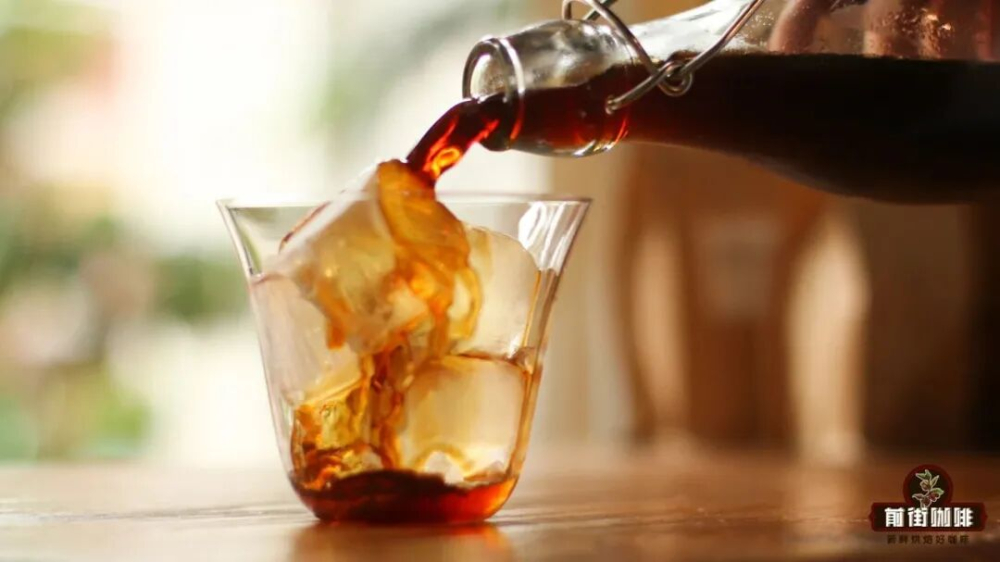
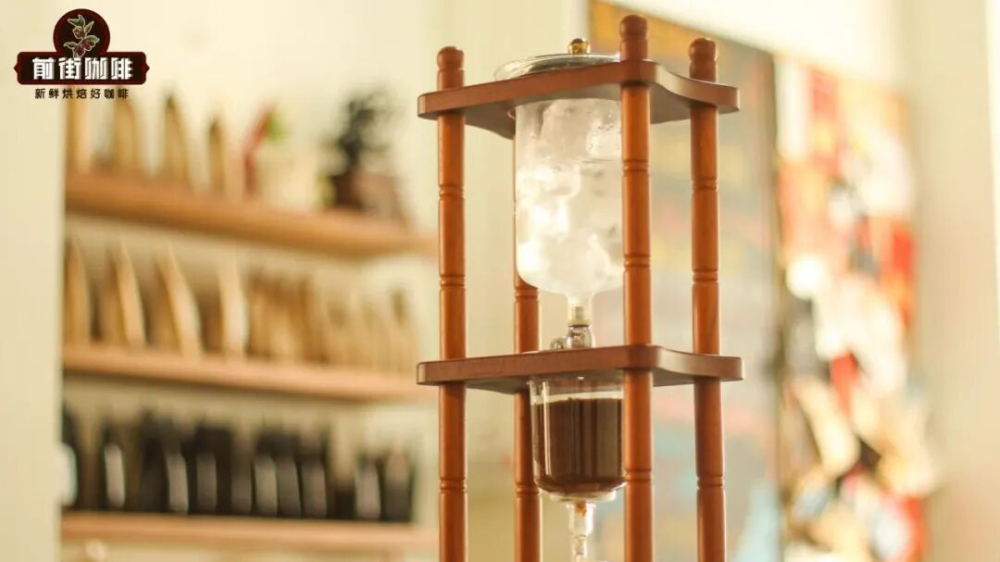
A typical cold drip brewer consists of three layers: the top chamber holds ice water, the middle layer contains the coffee grounds, and the bottom chamber collects the dripping coffee. The term "cold" highlights the use of low-temperature water, while "drip" refers to the drop-by-drop extraction method. Overall, it can be seen as a multi-stage, low-temperature drip filtration extraction. The bottom of the top chamber is equipped with an adjustable valve to ensure the ice water drips at a consistent rate, allowing the coffee grounds to be extracted steadily. The entire process can take several hours, and after extraction, the coffee liquid needs to be refrigerated for a few more days to age, softening the flavors and enhancing complexity and smoothness.
Overall, making a standard cup of cold drip coffee relies not only on specialized equipment but also on meticulous control of each step in the extraction process—including whether the dripping is stable, the grind size is appropriate, the coffee-to-water ratio is on point, and if enough aging time is allowed. In comparison, cold brew is much simpler to make and almost anyone can do it without much effort, which naturally makes cold drip more technically challenging. This is the main reason why most people choose to buy it rather than make it themselves.
From an extraction principle standpoint, cold drip and pour over are both drip filtration methods. The difference lies in the fact that cold drip uses ice water below 5°C as the extraction medium, making it a low-temperature version of drip coffee. Practical experience shows that a low-temperature environment helps suppress the release of bitterness and impurities from the coffee, resulting in a purer final flavor. However, the brewing duration and quality of cold drip are mainly influenced by the following four key variables: grind size of the coffee grounds, dripping rate, coffee-to-water ratio, and aging time.
1. Grind Size of Coffee Grounds
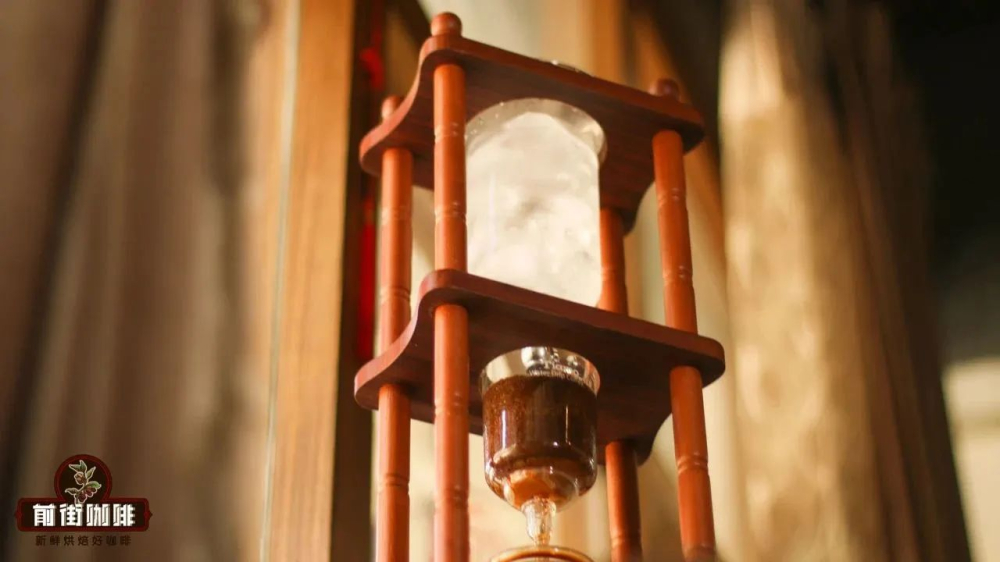
In cold drip extraction, the grind coarseness must be carefully adjusted to avoid going to either extreme. If the coffee is ground too coarse, the resistance of the coffee bed to the water is insufficient, causing the water to pass through too quickly and leading to under-extraction, resulting in a flat and dull-tasting coffee. On the other hand, if the grind is too fine, the resistance is too high, impeding the flow of water and causing pooling. Over time, the coffee grounds may release excessive bitter and astringent substances due to prolonged soaking.
In practice, using a No. 20 (0.85mm) standard sieve for calibration, it has been found that the passage rate for cold drip is around 83–85%, slightly finer than the grind typically used for pour over. The general order of grind coarseness for common brewing methods is: cold drip (or cold brew) > pour over (or siphon) at about 80% > American drip at about 75–80% > cupping at about 70–75% > French press at about 65–70%. Knowing this range can help you dial in the right grind size for smoother cold drip extraction.
2. Dripping Rate
Cold drip is a dynamic extraction method, unlike the static immersion style of cold brew. Its flavor profile is closely related to whether the water drips evenly and steadily through the coffee bed. Too fast a dripping rate leads to under-extraction, resulting in a weak and tasteless coffee. Too slow a rate can cause over-extraction, producing unpleasant acidity or off-flavors, and even fermented notes.
According to experiments, when using light roast beans (such as Red Cherry or Little Tomato), it is recommended to set the dripping rate to 7 drops per 10 seconds to fully showcase floral and fruity aromas and a refreshing complexity. For medium roast beans (such as Geisha or Strawberry Candy), slowing the dripping rate to 5 drops per 10 seconds is advised, which helps enhance a rounder body and pronounced fermentation character.
3. Extraction Ratio (Coffee-to-Water Ratio)
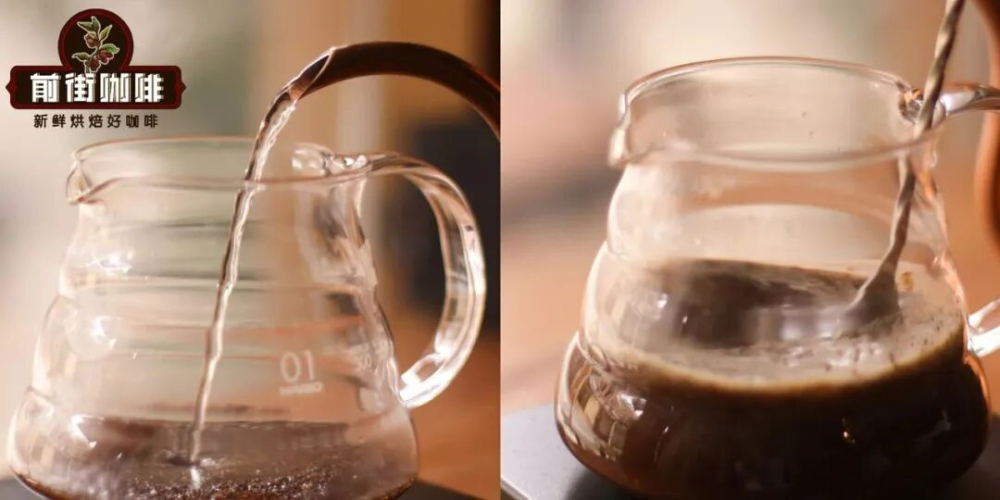
The coffee-to-water ratio directly affects the final concentration and extraction yield of the coffee, and is also one of the key parameters for adjusting flavor. It is recommended to use a 1:10 ratio for standard cold drip to achieve a balanced strength and layered complexity. If you prefer a lighter and less concentrated taste, you can adjust the ratio to 1:12–1:14, suitable for direct drinking without the need for additional dilution.
4. Aging Time
After extraction, cold drip coffee still needs to go through a period of refrigeration aging. The freshly extracted coffee liquid is in an unstable state internally, and through several hours to a few days of settling, the flavors will gradually transform, becoming richer and smoother. Practical experience shows that the 3rd to 5th day is the peak period for flavor expression, and after 6 days, some aromas may start to fade, and acidity may lose its brightness. Therefore, it is recommended to consume cold drip coffee within 5 days of preparation to enjoy its optimal flavor.
So, how long does it actually take to make a cup of cold drip coffee? Taking a common 200ml cold drip as an example, using 20g of coffee grounds and 240g of ice water, with a dripping rate of 7 drops per 10 seconds, it takes approximately 2.5 hours to complete the extraction. But in reality, many shops brew larger batches to improve efficiency—for instance, using a 650ml lower chamber, brewing 60g of coffee grounds to yield 600g of coffee liquid, which takes about 7 hours to drip, followed by an overnight refrigeration, ready for sale the next day. So, if you’re asked “how long does it take to make a cup of cold drip?” the answer might well be “a day and a night.”
The above content is compiled by CoffeeHunters, a coffee news website.


