







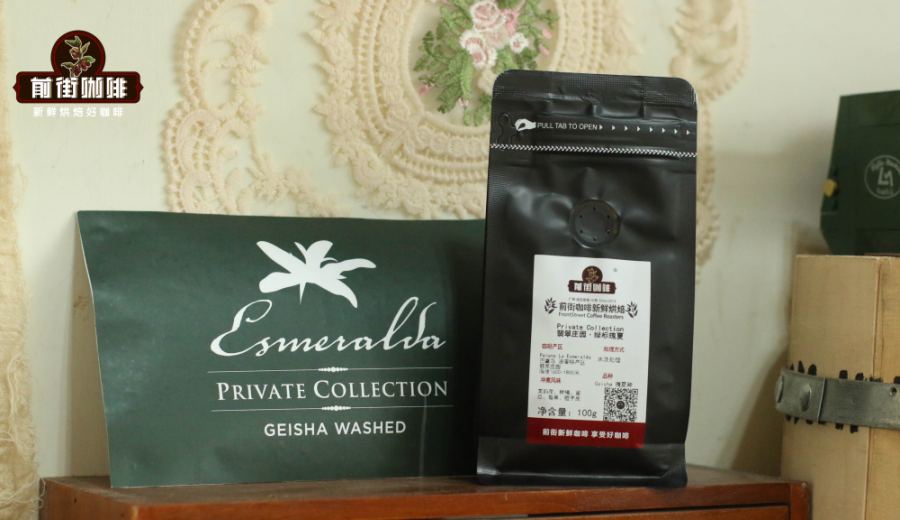
Introduction:Both Geisha and Yirgacheffe are renowned for their bright acidity and citrusy profiles, yet the former repeatedly fetches record-breaking auction prices while the latter is often the first choice for many beginners in specialty coffee. This article provides an in-depth comparison of the origins, varietal characteristics, processing methods, roast profiles, and pour-over brewing recommendations of the two, helping you grasp the key differences and allure of these two classic coffee beans — from flavor profiles to actual brewing.
In the world of specialty coffee, Geisha (also spelled Gesha) and Yirgacheffe are frequently compared not only because they both boast captivating citrus and berry notes, but also because they represent two distinctly different coffee experiences and market positions. Geisha is known for its rarity and high price, considered a “dream coffee” by many enthusiasts; Yirgacheffe, on the other hand, with its approachable price and clear fruity aromas, serves as the gateway bean for many entering the world of specialty coffee. This article will comprehensively dissect the core differences between the two, covering everything from regional background and varietal history, to processing methods, roast curves, and pour-over parameters.
Geisha: The Legend from Ethiopian Forests to Auction Champion
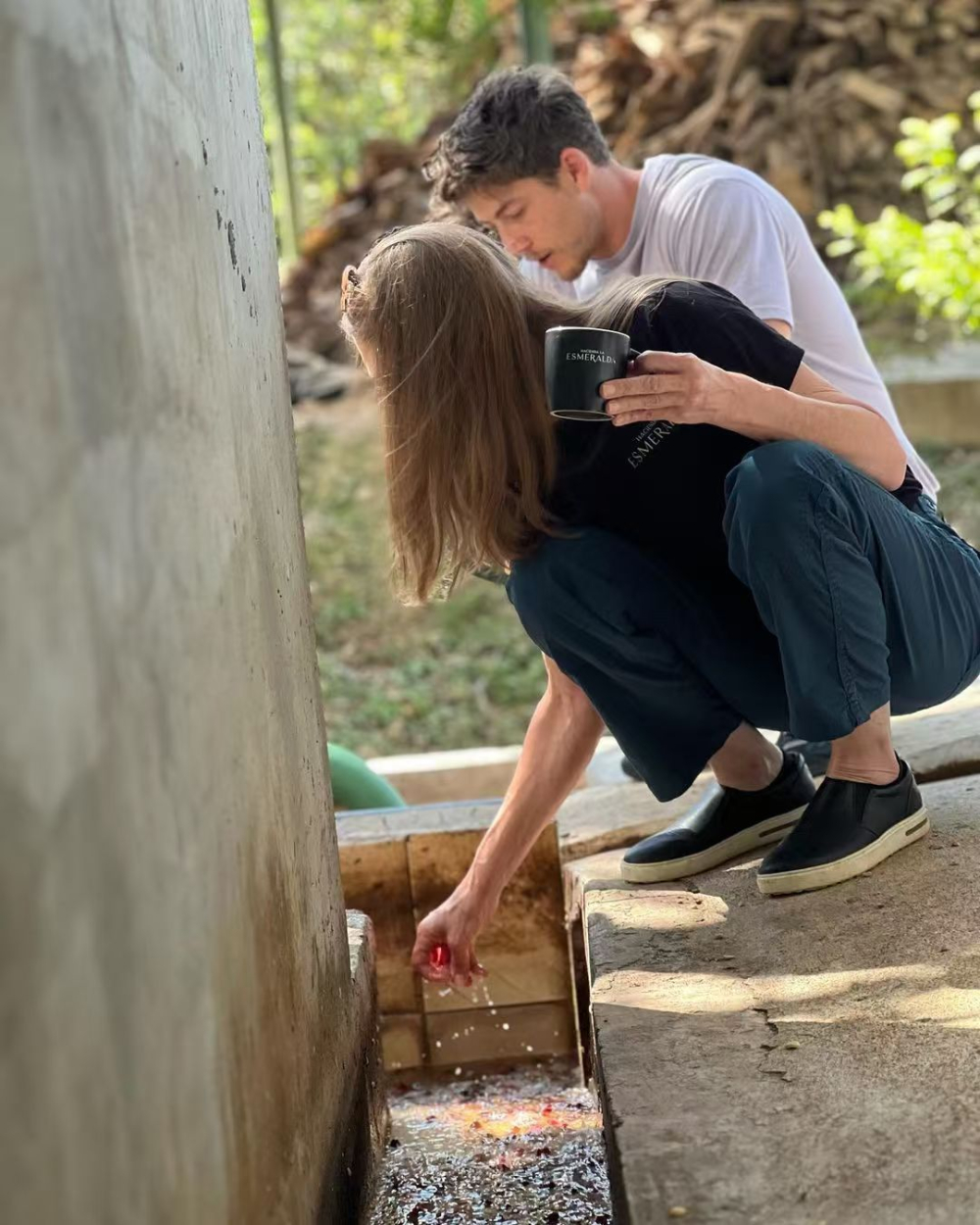
The name Geisha originates from the Japanese word “芸者” (geisha), but due to its phonetic similarity to “艺妓” (also pronounced geisha), the Chinese translation adopts “瑰夏,” which closely matches the original pronunciation while also imparting an elegant connotation. This variety was first discovered in 1931 in the forests of Gesha, Ethiopia, and after years of shifting around, it was eventually cultivated at Hacienda La Esmeralda in Panama, where its remarkable potential was unlocked. It’s said that the farm owner, Daniel, identified this uniquely flavored bean through repeated cuppings, pinpointing its origin to a specific small plot. This discovery not only changed the fate of Panamanian coffee but also turned Geisha into a legend in the specialty coffee world.
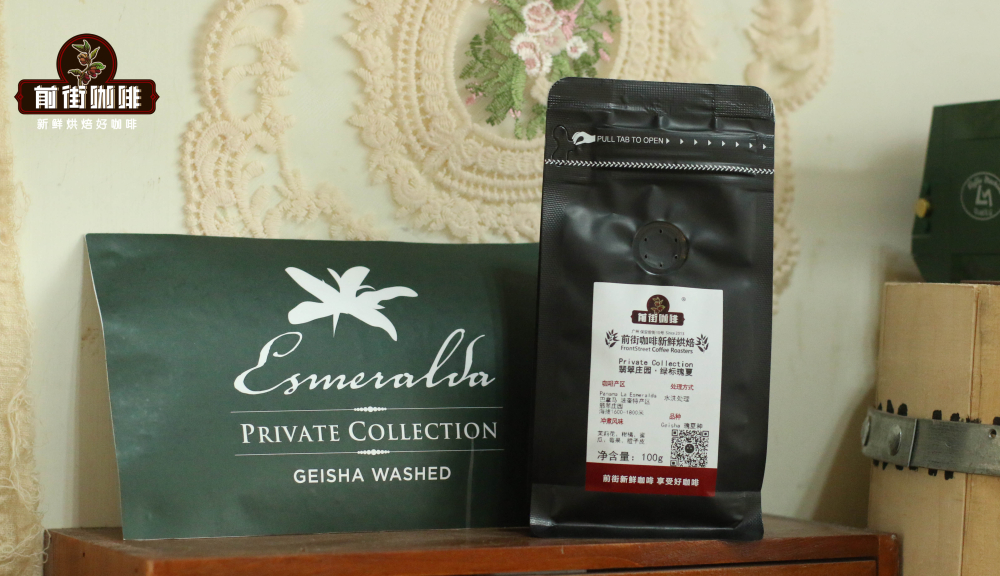
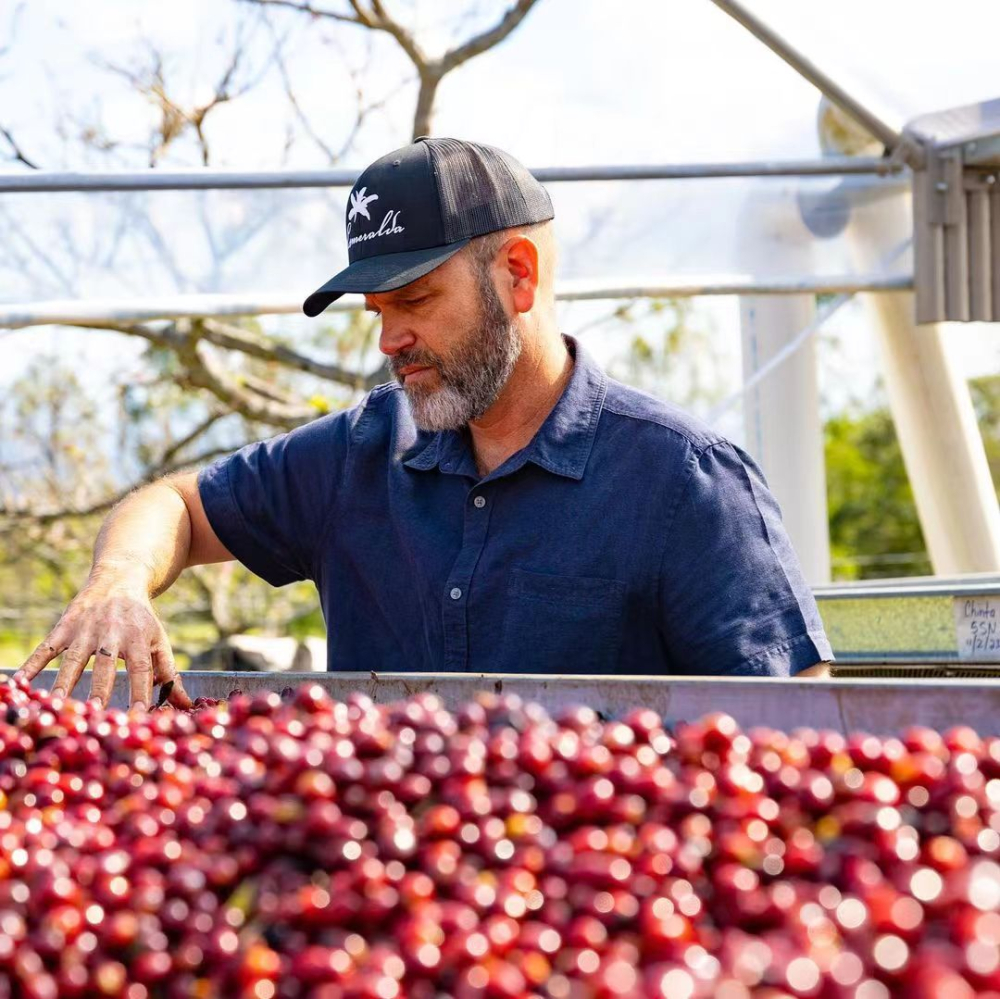
Geisha truly gained international fame when Hacienda La Esmeralda won multiple awards at international coffee competitions. In 2013, it set a record with a natural Geisha lot selling for $350.25 per pound — more than 58 times the price of typical specialty coffee beans at the time. Such glory has made Geisha not just a coffee variety, but a symbol of quality and rarity.
Geisha Varietal Characteristics and Roast Recommendations
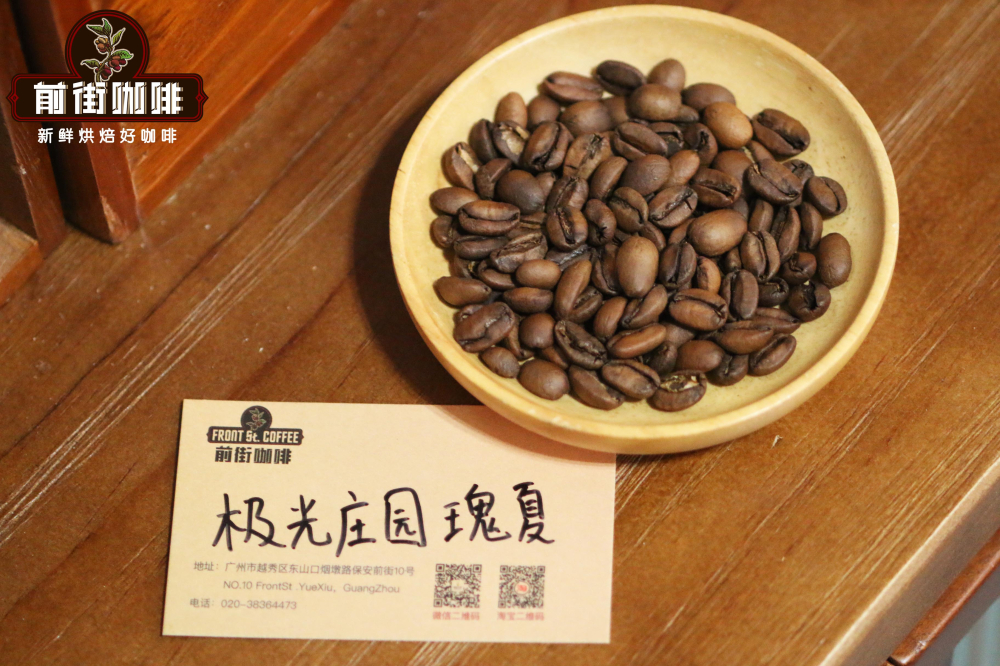
Geisha is a high-altitude-adapted variety, typically grown at elevations above 1600 to 1800 meters, capable of expressing layered floral, tea-like, and tropical fruit notes. Take the Red Label Geisha from Hacienda La Esmeralda, for example — its dry fragrance features subtle floral notes, which transform into a prominent blend of fruit and floral aromas when wet. Upon tasting, it presents clear citrus acidity, a distinct tea-like body, high sweetness, and a long-lasting finish. Due to its delicate flavors, it’s recommended to roast Geisha at a medium-light to medium level, approaching the start of the second crack. Roasting too light may bring out off-flavors, while roasting too dark can diminish its intricate floral and fruity aromas.
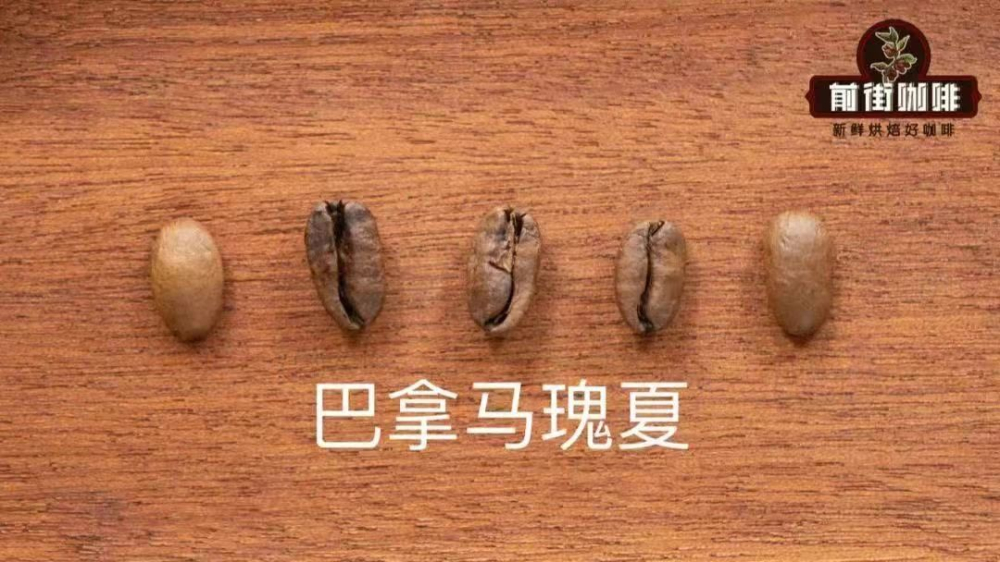
During actual roasting, parameters should be adjusted according to the bean density and moisture content. For instance, starting at a drum temperature of 150°C, with around 1 minute and 28 seconds of development after the first crack, and a drop temperature of about 189.5°C, can fully highlight Geisha’s aroma and sweetness. During cupping, one often detects tropical fruit flavors such as lychee, peach, and orange, paired with rich sweetness and refined acidity, reminiscent of sipping a floral fruit tea.
Yirgacheffe: The Coffee Holy Land of Ethiopia
Yirgacheffe is located in southern Ethiopia and is one of the country’s most prestigious coffee regions, renowned for its high altitude (1900–2300 meters), premium native varieties, and traditional washed and natural processing techniques. Coffees from this area generally exhibit bright acidity, delicate floral notes, and citrus tones, making them a popular choice for many newcomers to specialty coffee.
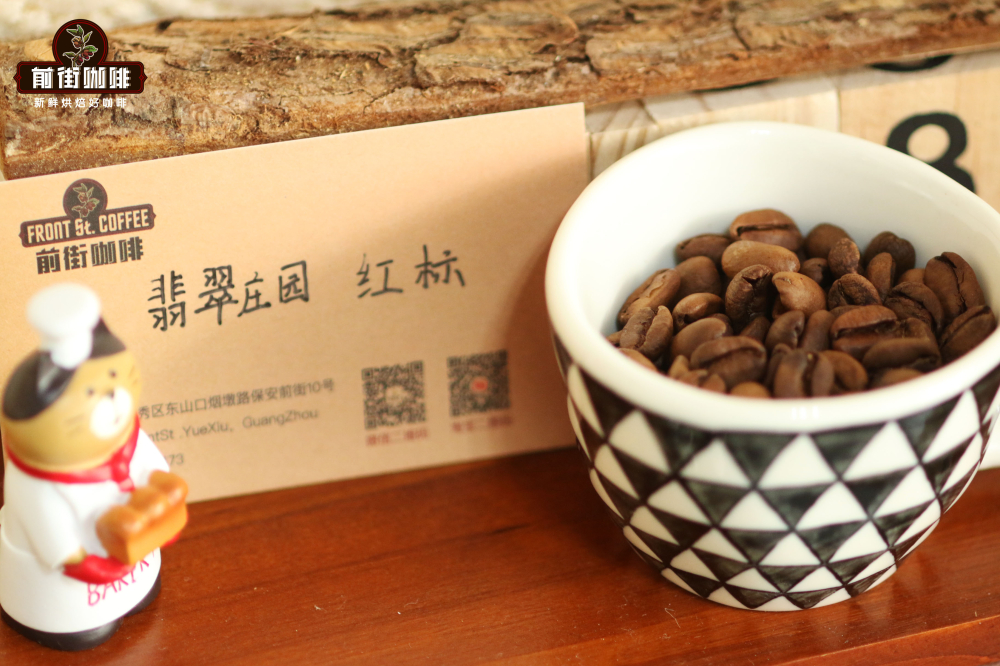
Most Yirgacheffe coffee beans are of local native varieties, with smaller bean sizes. Processing methods are divided into washed and natural, with natural Yirgacheffe often featuring intense tropical fruit and berry aromas, rich sweetness, and a smooth mouthfeel. Notably, the “Red Cherry Project (Operation Cherry Red),” initiated by Dutch trader Trabocca, is a quality enhancement initiative that encourages farmers to harvest only fully ripe red cherries. Through financial and technical support, it has significantly elevated both the quality and market value of Yirgacheffe.
Processing and Flavor Profile of Natural Yirgacheffe
A natural Yirgacheffe from a certain coffee shop is part of this project, using raised-bed drying to prevent the coffee cherries from touching the ground, thereby reducing off-flavors and resulting in clean and intense fruit flavors. These beans are usually of G1 grade, with uniform and plump beans, and the sweetness and fruitiness after natural processing are particularly prominent. It’s recommended to use a light roast to preserve its floral-fruit character and vibrant acidity. During actual roasting, an inlet temperature of about 200°C, with the first crack starting at 9 minutes and 7 seconds, and a drop temperature of around 194°C, can fully showcase its fruity and honey notes.
During cupping, its dry fragrance carries rich fruitiness and honey sweetness, while the wet aroma is thick like syrup. The acidity is bright upon entry, with abundant sweetness, often described as a “fruit bomb.” Common flavor notes include berries, strawberries, and mango, with a long and pleasant aftertaste.
Pour-Over Brewing Recommendation Comparison
For brewing, both Geisha and Yirgacheffe are well-suited for pour-over, though with slightly different parameters. For Geisha, it’s recommended to use a V60 filter, with a water temperature of 88–90°C, a brew ratio of 1:15, and a medium-fine grind (80% passing through a Chinese No. 20 sieve). The pouring technique can involve a blooming phase with 32 grams of water for 30 seconds, followed by a slow pour to 125 grams, then continuing to 228 grams, with a total brew time of about 1 minute and 52 seconds. These parameters can fully express Geisha’s layers of floral, fruity acidity, and sweetness.
As for Yirgacheffe, the V60 filter is also recommended, with a slightly higher water temperature of about 91°C, a brew ratio of 1:15, and a finer grind (78% passing through a No. 20 sieve). Start with 30 grams of water for 30 seconds of bloom, pour to 125 grams, then continue to 225 grams, with a total brew time of about 1 minute and 50 seconds. These parameters can bring out its bright acidity, fruity aromas, and sweetness, making it especially suitable for those who prefer a clean and refreshing taste.

Conclusion: Two Styles of Flavor Journeys
Although both Geisha and Yirgacheffe share citrus and berry tones, Geisha stands out with its high altitude, rarity, and complex layers of floral, tea-like, and sweet aromas, making it a top-tier representative in specialty coffee. Yirgacheffe, with its accessible price, clear fruit acidity, and bright mouthfeel, is the go-to choice for many coffee lovers starting their journey. No matter which style you prefer, understanding their regional backgrounds, processing methods, and brewing parameters will allow you to better appreciate the unique charm of these two classic coffee beans.
The above content is compiled by CoffeeHunters, a coffee news website.


