







Introduction:Delve into the essence of Costa Rican coffee, from the terrain and climate characteristics of its eight major regions to the honey processing techniques of Tarrazú and its COE competition achievements. This article provides a detailed breakdown of the processing styles of renowned farms like Miramar and Caneé, as well as the profiles of mainstream varieties such as Bourbon and Caturra, along with practical pour over parameters and flavor evaluations to help you grasp the essence of Central American specialty coffee.
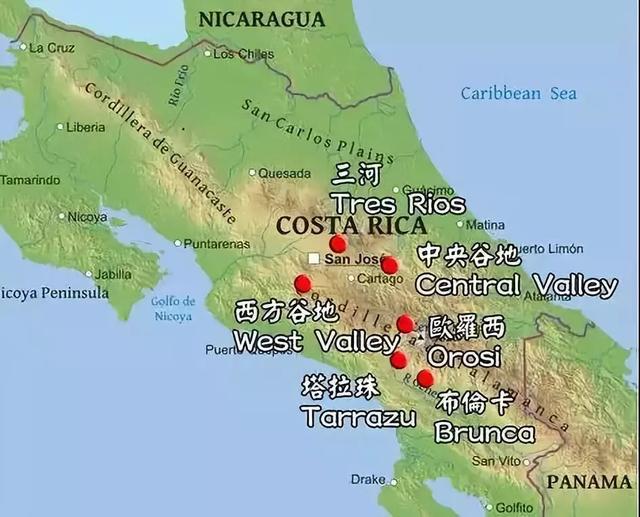
With its high-altitude volcanic soils and diverse processing methods, Costa Rica firmly holds its position as a leader in Central American specialty coffee. This article systematically introduces the geographical features of the country’s eight major coffee regions, with a focus on the exceptional terroir conditions and COE performance of the Tarrazú region. It also explores the evolution and classification of honey processing, including the unique raisin honey process. Additionally, it analyzes the regional background and flavor profiles of well-known coffees such as those from the Miramar farm and the Musician Series from the Caneé farm, concluding with practical pour over brewing suggestions and tasting guidance.
Costa Rican coffee is renowned for its bright acidity and prominent sweetness, with honey processing being the most representative technique. From traditional washed and natural processes to innovative methods like anaerobic fermentation and raisin honey processing, producers in the country have demonstrated remarkable technical adaptability. In particular, the raisin honey process used by one farm imparts a rich depth of dark berries and fermented wine-like aromas. The Musician Series launched by one brand is a flagship representation of this special processing method, with both its Miramar Geisha blend and Classical Musician Series coffees originating from the heart of the Tarrazú region.
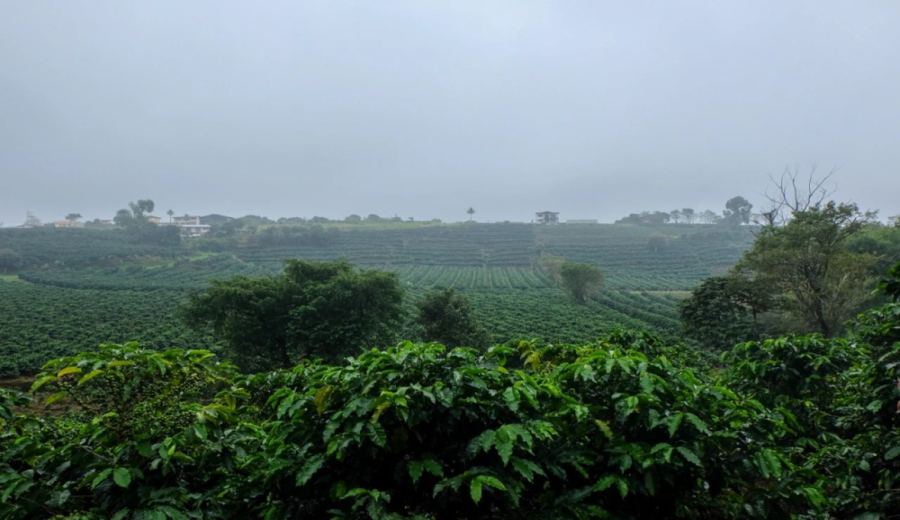
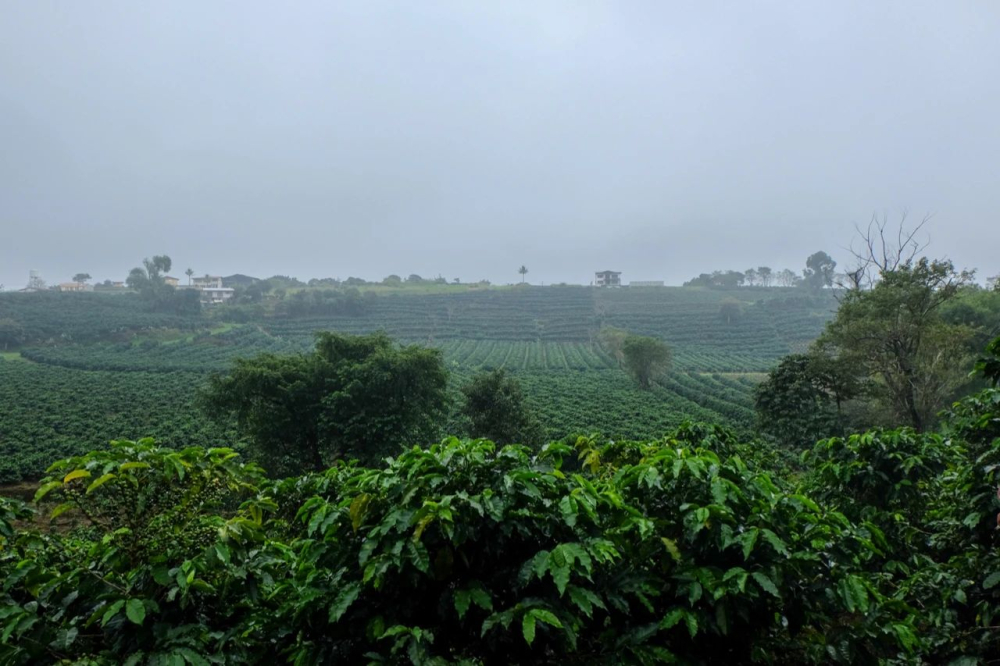
As a pioneer in Central America’s coffee industry, Costa Rica established a comprehensive production system from the time coffee was first introduced. The country’s volcanic terrain, situated at elevations between 1,200 and 1,600 meters, coupled with a mild climate and abundant rainfall, nurtures richly flavored Arabica beans. The three major volcanoes in the central highlands—Irazú, Barva, and Poás—provide natural nutrients, while microclimatic variations result in diverse flavor expressions. Typical characteristics include chocolatey notes, vibrant fruit acidity, and elegant aromatics. The harvest season primarily runs from November to March and can be subdivided into three sub-regions: San José, Heredia, and Alajuela.

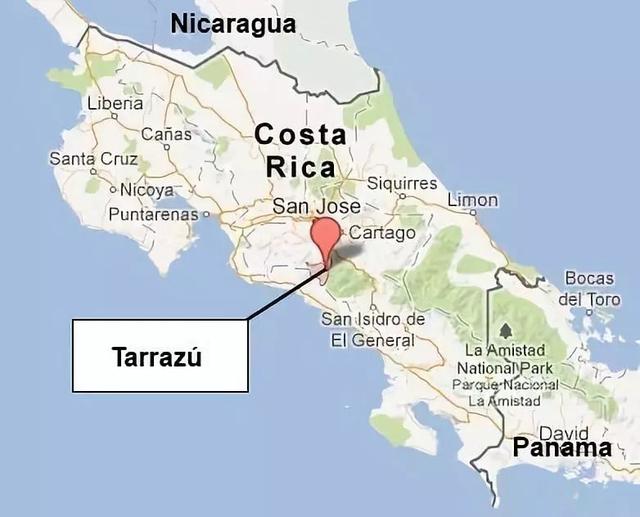
The country is divided into eight coffee-growing regions, among which Tarrazú stands out for its exceptional quality. Located south of the capital, San José, Tarrazú sits at elevations between 1,200 and 1,700 meters. Its distinct dry and wet seasons, combined with fertile volcanic soils, create beans with a dense body and bright acidity. During the harvest season from December to March, local farmers refrain from using chemical fertilizers. Coupled with the extended growth cycle enabled by the high-altitude environment, the coffee exhibits complex layers of aroma. In the 2014 COE competition, 17 of the selected beans came from this region, affirming its leadership in specialty coffee.
The Miramar farm was founded by former coffee machinery technician Esteban Sanches. The farm’s name means “overlooking Tarrazú” in the local language. With a background in agricultural science, the farm owner focuses on innovating processing methods and experimenting with varieties, cultivating a diverse range of heirloom cultivars. Their natural Geisha displays delicate floral and stone fruit notes, paired with a black sugar sweetness to form a unique flavor profile. A specially released Geisha blend ingeniously combines 50% Geisha with varieties such as ET47, SL28, and Maico, achieving a balanced flavor spectrum.
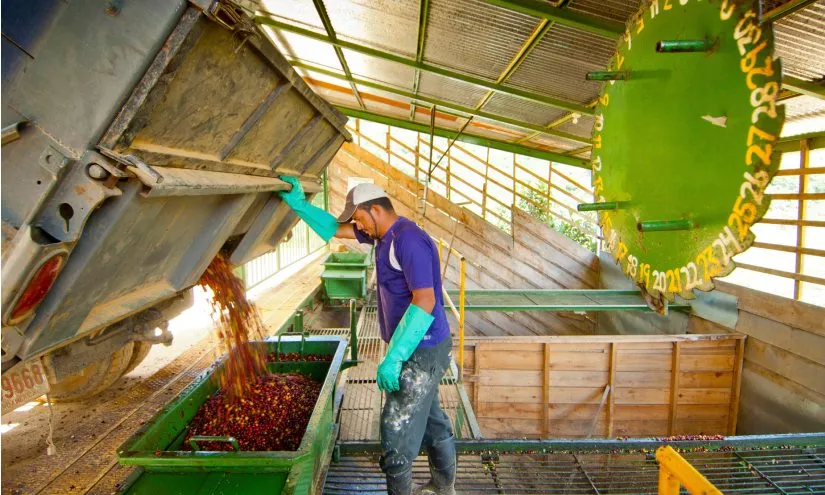
Situated in the highest-altitude zone of Tarrazú, the Caneé farm is known for its rigorous harvesting standards. Only ripe red cherries are handpicked and undergo a secondary selection process to ensure consistency in raw materials. The farm’s Musician Series, which includes beans named after composers like Mozart and Bach, uses SHB-grade beans grown at elevations between 1,700 and 1,950 meters, combining raisin honey processing with the washed method. Among them, the Caturra and Catuaí varieties showcase intense fruity aromas and wine-like notes, while the SHB-grade hard bean characteristics further enhance structural integrity.
Costa Rica primarily cultivates classic varieties such as Bourbon, Caturra, and Catuaí, and has developed local variants like Villalobos and Vera. The Bourbon variety is known for its round bean shape and excellent cupping performance, making it a staple choice for Brazil and most Central American regions. Caturra, a natural mutation of Bourbon, though higher-yielding, is less disease-resistant but thrives in the high-altitude environments of Central and South America. Catuaí, a hybrid of Caturra and Mundo Novo, offers improved wind resistance, with red-fruited varieties often exhibiting richer flavor complexity. Vera is distinguished by its complex floral and honey-like aromatic profile, with medium-to-dark roasts bringing out cinnamon-like spice notes.

Costa Rica is hailed as the birthplace of honey processing, an innovative technique driven by the pursuit of water efficiency. This process retains the mucilage layer of the coffee cherry and employs 12–14 days of shaded drying to impart unique sweetness and caramelized characteristics to the beans. Depending on the amount of mucilage retained and the degree of drying, it is categorized into Yellow Honey, Red Honey, and Black Honey levels, with Black Honey processing delivering the most intense flavor. Special techniques like raisin honey processing involve sun-drying the coffee fruit to a dehydrated state before removing the pulp, creating a composite flavor of dark berries and fermented wine aromas.
For practical pour over brewing, use a V60 filter cone with a water temperature of 91°C and a 1:15 coffee-to-water ratio (15g coffee). The step-by-step extraction process: First, pour 30g of water for a 30-second bloom to form a “hamburger” bed of grounds; second, at 1:00, pour up to 125g and wait for the water level to drop; third, at 1:40, continue pouring to 225g to complete the extraction. These parameters highlight the bright acidity and syrupy mouthfeel of Costa Rican coffee. A resting period of 4–7 days is recommended for optimal flavor development.

The above content is compiled by CoffeeHunters, a coffee news website.


