







Introduction:Brewing a high-quality cup of coffee at home not only satisfies your taste buds but also becomes a ritual of life. This article systematically introduces nine common home brewing methods including espresso, pour over, siphon, and cold drip. It details the characteristics, operation essentials, and flavor profiles of each brewing device to help you find the most suitable brewing solution based on your personal preferences and equipment conditions, easily stepping up to become a coffee expert.
Making a great cup of coffee at home is actually not difficult. In recent years, more and more coffee enthusiasts have moved beyond simply drinking coffee to exploring various brewing methods. This article will comprehensively outline espresso, pour over single origin, drip bags, siphon, moka pot, cold drip, AeroPress, as well as a comparison between French press and clever dripper, providing a complete list of equipment, operational details, and flavor characteristics to help you select the most suitable brewing method according to your own needs.
As coffee culture becomes increasingly popular, many friends have already experienced the charm of freshly ground coffee. The wide variety of coffee equipment on the market also makes it simple and feasible to make delicious coffee at home. In fact, brewing coffee at home does not require complex equipment; basic tools are accessible to most people. Of course, if you are pursuing higher quality — such as espresso — although it’s just a single shot, mastering its essence requires repeated practice.
Below is a summary of several commonly used home brewing methods and related equipment, mainly including: pour over (Hand Drip), siphon (Syphon), moka pot (Moka Pot), French press (Press Pot), AeroPress, and clever dripper (Clever Coffee Dripper). In addition, there are Belgian coffee makers, Turkish coffee pots, Vietnamese drip filters, and cold drip, but due to more complex brewing processes or flavor preference factors, these will not be explored in depth in this article.
Espresso
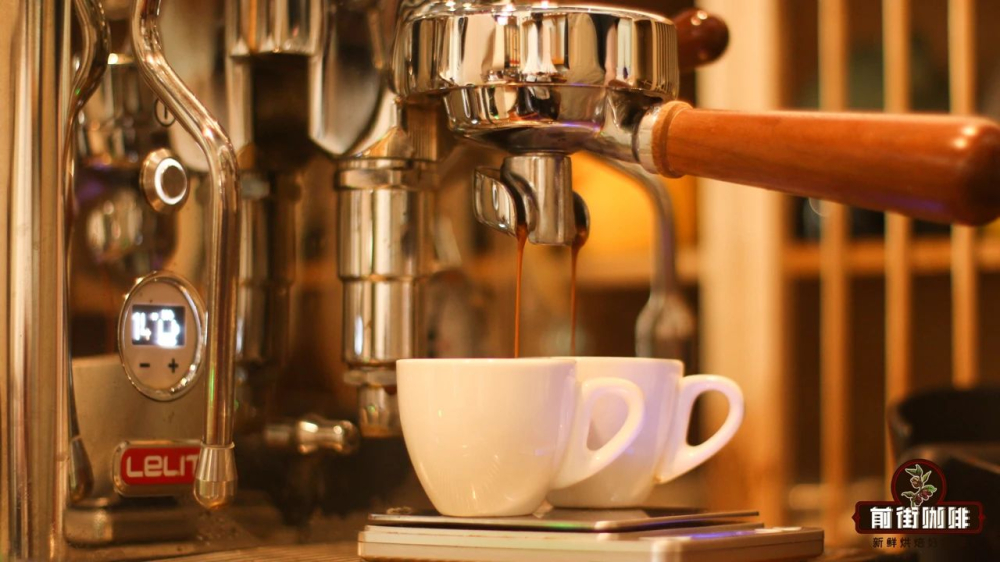
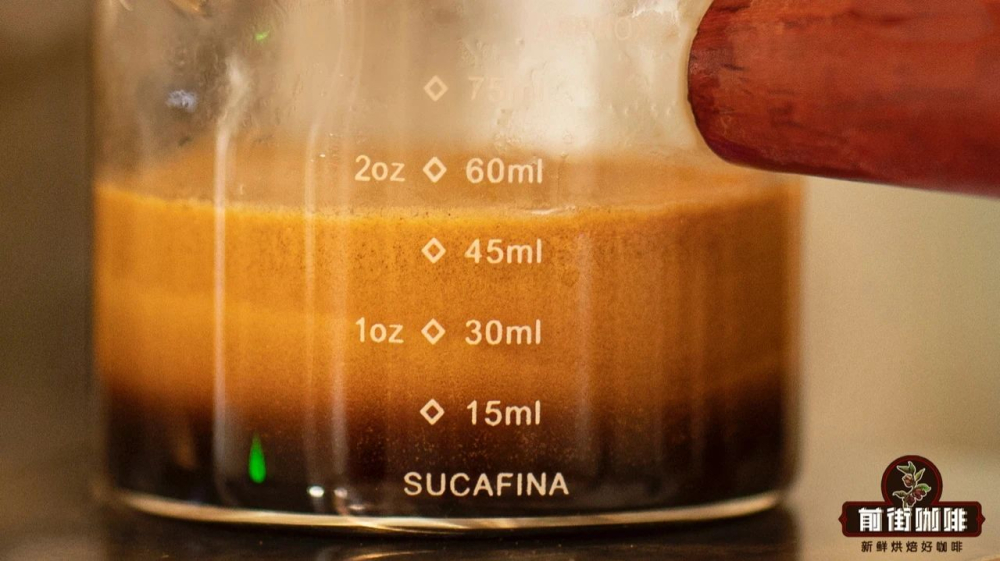
Espresso is one of the fastest brewing methods, with equipment prices ranging dramatically from over ten thousand yuan to several million yuan, essentially putting a car “on” the table. Its production principle involves passing water heated to about 94°C through a tightly packed coffee puck under a pressure of 9 bars (atmospheres), typically yielding a single serving of just 30 milliliters along with a reddish-brown crema (foam layer). This method is fast, highly concentrated, and must be performed using a professional espresso machine.
When hot water at 94°C comes into contact with the coffee puck, it releases essential substances such as carbon dioxide and oils. Because carbon dioxide itself has internal pressure and water has surface tension, the high-pressure water at 9 bars can counteract the carbon dioxide pressure, thereby encapsulating both the gas and coffee essences to form the crema.
Espresso Equipment
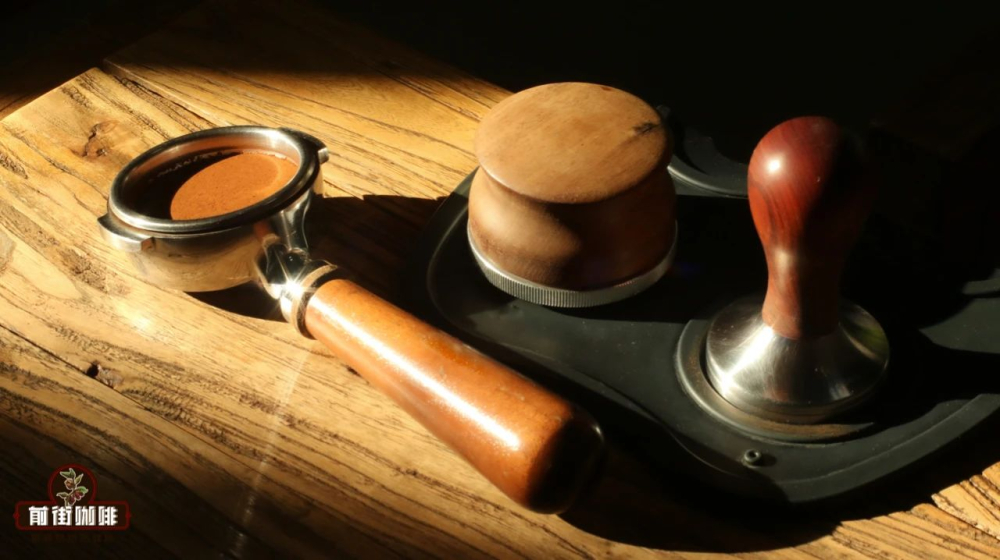
• Espresso Machine: Available in both home and commercial versions.
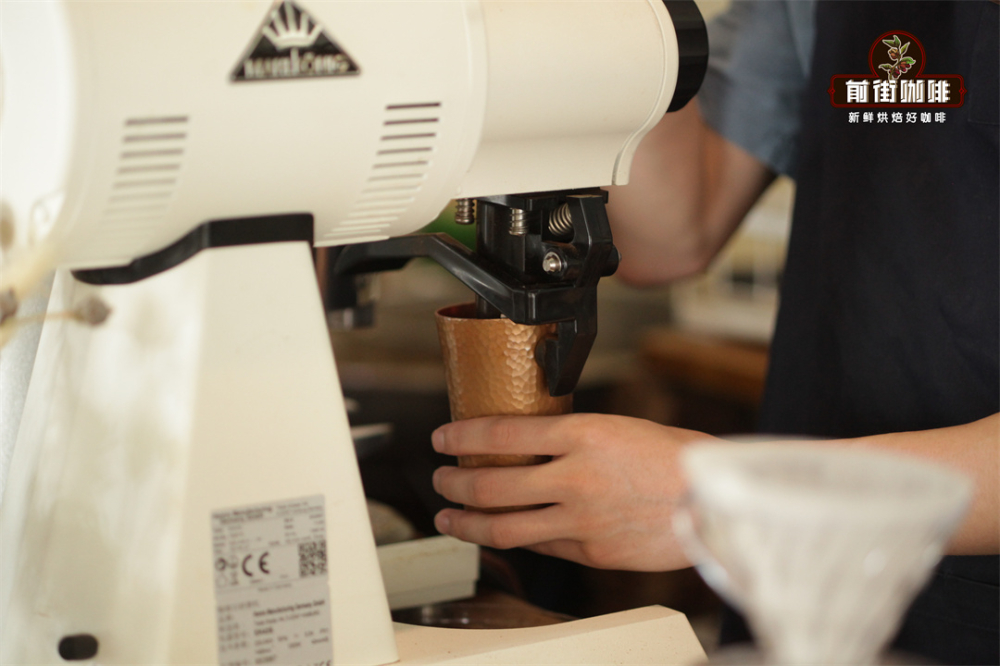
• Grinder: The type of burrs is crucial—its importance even surpasses that of the espresso machine itself—as it directly affects the quality of the coffee grounds.
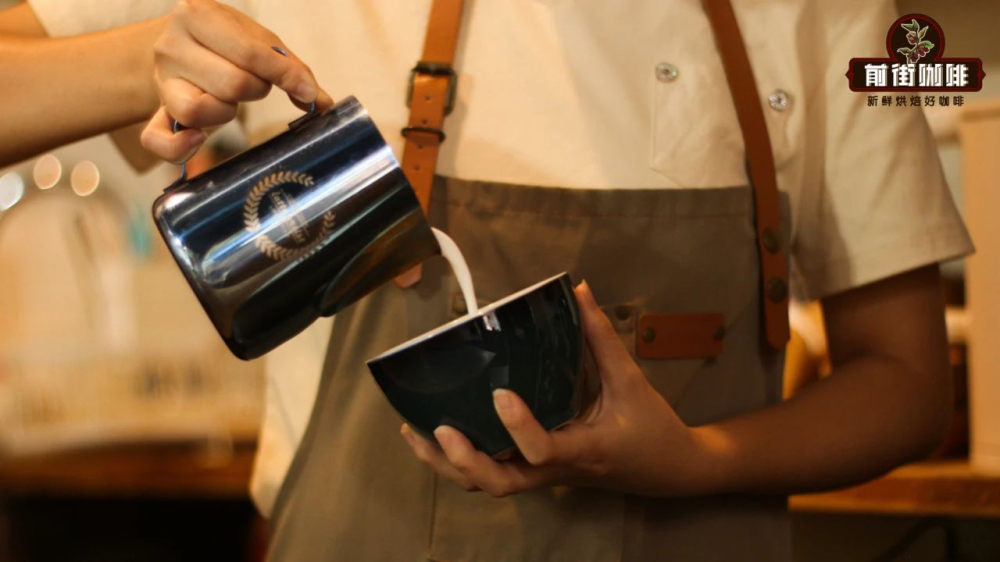
• Milk Frothing Pitcher: Essential for frothing milk and creating latte art; it is recommended to choose one with at least double the capacity of your coffee cup.
• Auxiliary Tools: Thermometer, measuring cup, timer, etc., as the extraction process is extremely fast, even minor parameter differences can significantly impact flavor.
Espresso Characteristics
• Extremely Fast Extraction: On average, a shot can be completed in 30 seconds, with a standardized process that is easy to learn, making it the mainstream choice for chain coffee shops.
• Diverse Flavors: In Italy, drinking straight espresso is very common (it is reported that Italians drink an average of 7 cups of various coffees per day); domestically, it is mostly used to make flavored drinks like lattes, macchiatos, and cappuccinos.
• High Equipment Cost: Compared to skill, espresso relies more on equipment. Inferior components such as boilers make it difficult to extract high-quality espresso.
• Hard to Showcase Coffee Bean Uniqueness: Due to the emphasis on fast extraction, to some extent it weakens the original characteristics of the coffee beans. Currently, many shops achieve unique espresso styles through self-roasting or blending, with some offering four distinct espresso blends.
Common specialty blends include a 3:7 ratio of Colombian and Brazilian beans, offering balanced bitterness and sweetness, smoothness, with grassy notes and mild bitterness; Sunflower Warm Sun uses a 6:4 blend of Honduran Sherry and Yirgacheffe Red Cherry, featuring bright acidity, rich berry and wine aromas, and a comfortable aftertaste; commercial blends combine Colombian, Brazilian, and Robusta in a 3:6:1 ratio, yielding rich crema with caramel sweetness and nutty-chocolate notes; a black cocoa blend (3:7 Yunnan and Brazilian) is known for its soft acidity, caramel sweetness, and dark chocolate flavors, smooth yet relatively light-bodied.
Pour Over Single Origin Coffee
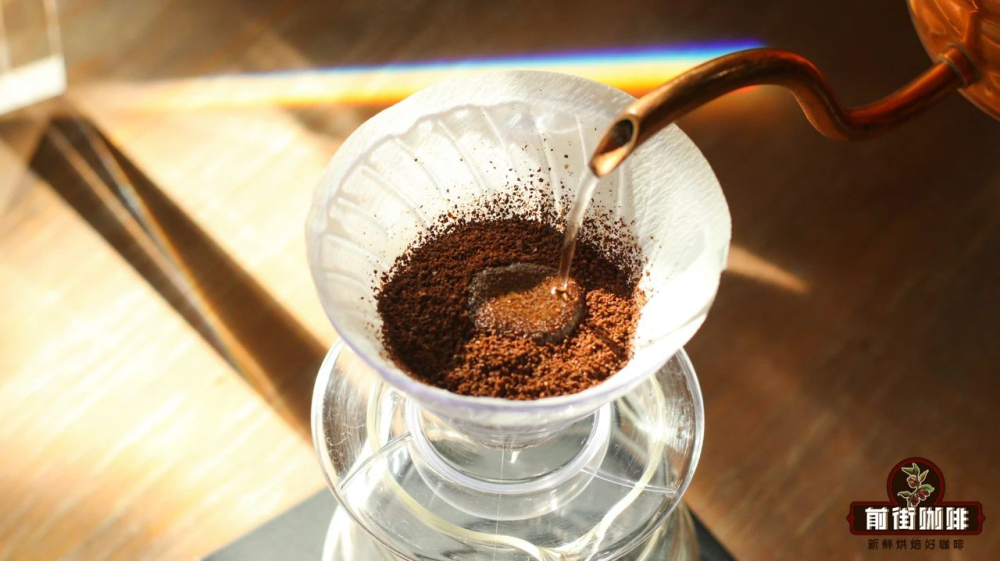
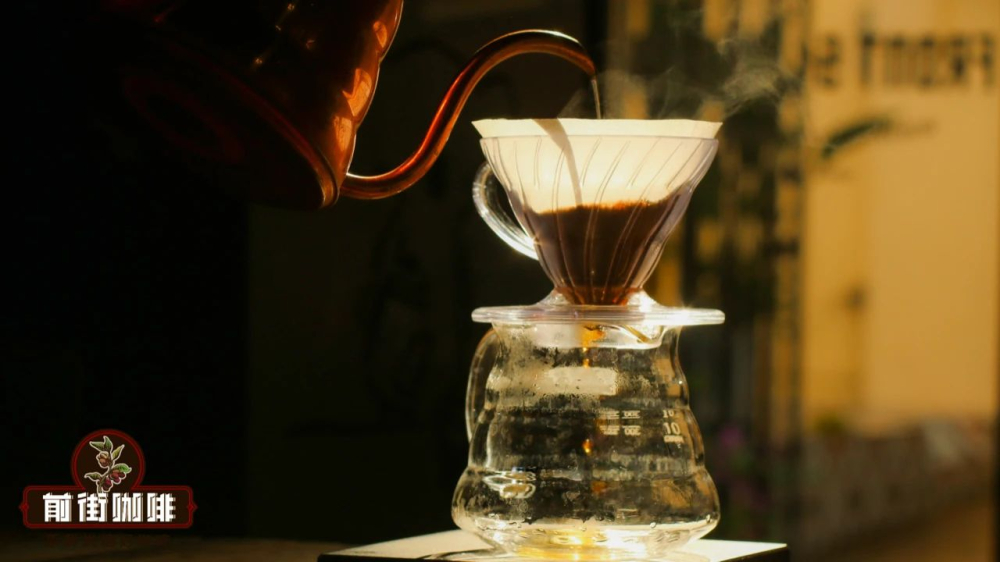
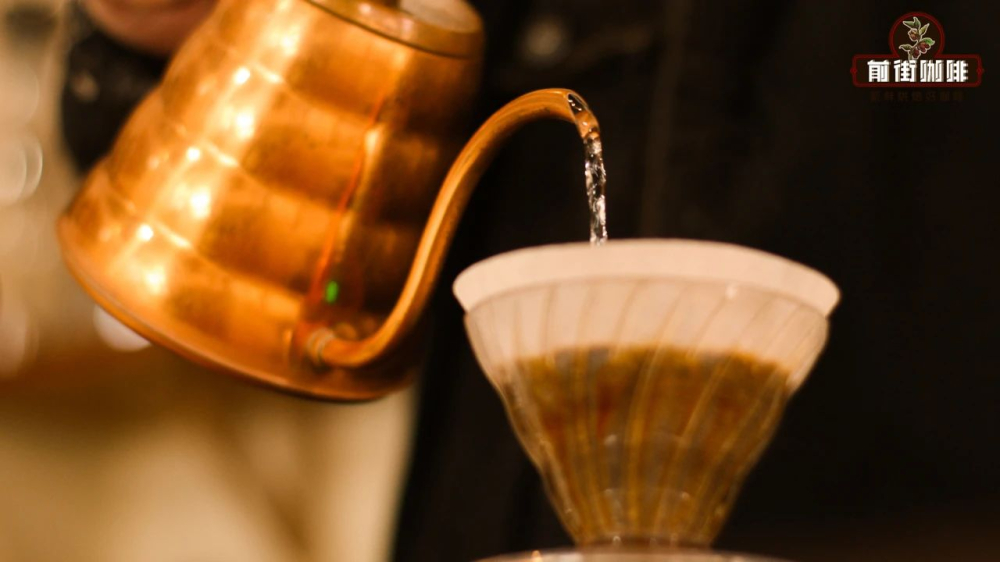
In an era dominated by various coffee machines, pour over coffee stands out with its minimalist setup and emphasis on technique, representing a return to simplicity. Originating in Japan, it has now attracted numerous coffee connoisseurs and lifestyle enthusiasts. Pour over involves pouring hot water over coffee grounds and extracting through a filter paper and dripper, taking about 2 minutes in total. Since the flow rate, direction, and water temperature are all controlled by the brewer, nearly every brew yields different flavors. Though the equipment is simple, it places high emphasis on technique and experience.
Pour Over Equipment
• Grinder: Freshly ground coffee offers the best flavor; particle size and uniformity are key, with ideal grind size for pour over being similar to that of No. 2 sugar — the more uniform, the better the taste.
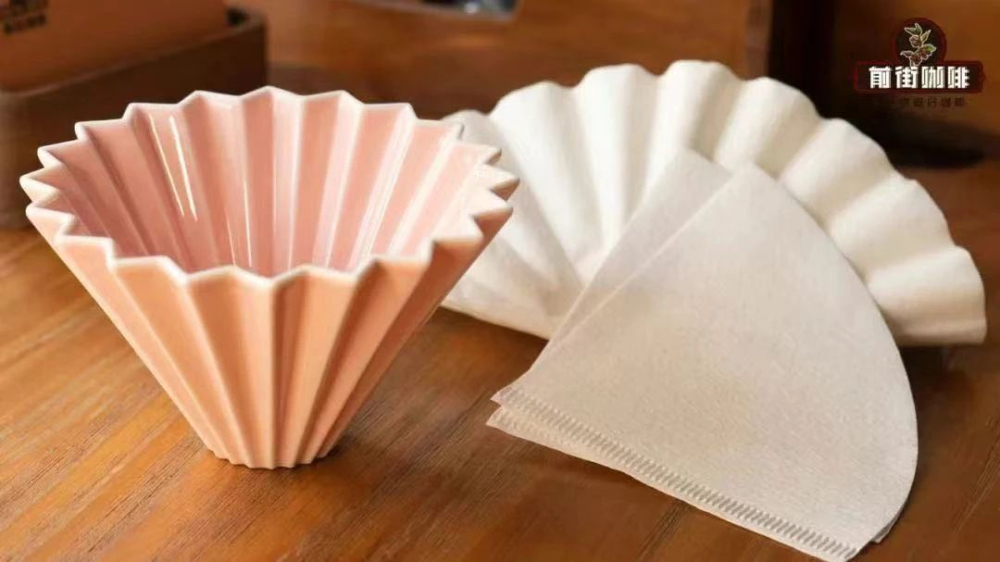
• Filter Paper: Different drippers match different filter papers; unbleached paper may carry a papery taste, so it’s recommended to wet it before use. Some shops use acid-washed bleached Kono filter paper, where wetting has minimal effect.
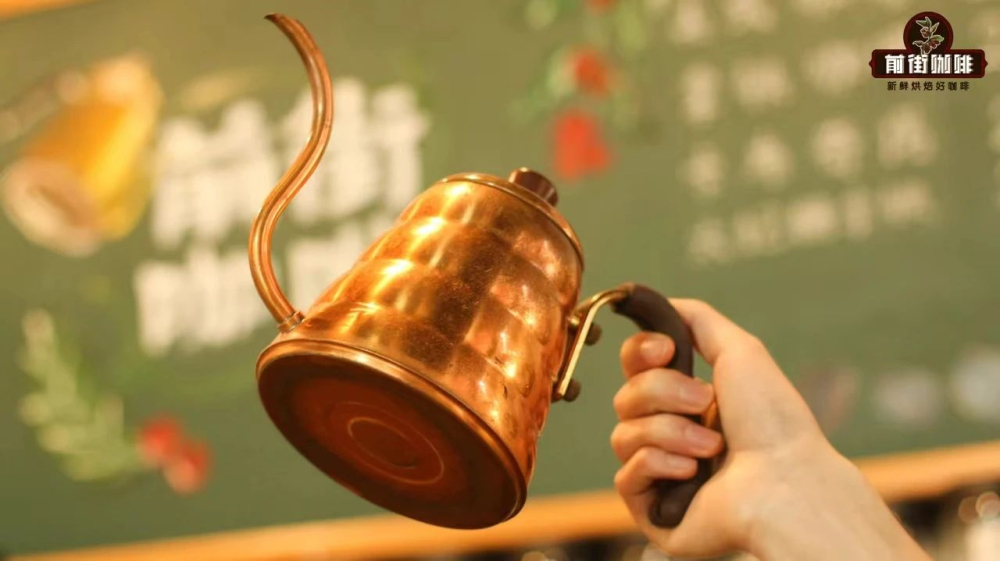
• Pour Over Kettle: Available in various materials and sizes; beginners are advised to use a gooseneck kettle for easier water control. Also pay attention to whether the kettle is compatible with your heat source (induction or gas).
• Dripper: Main types include V60 (cone), Kalita Wave (flat-bottom/wave), and other designs; the bottom filter diameter affects flow rate and thus flavor.
• Others: A server and coffee cup are used to catch the brew; it’s recommended to preheat them; a scale, thermometer, and timer can improve brew accuracy.
Pour Over Characteristics
• Efficient Extraction: Continuous hot water passing through coffee grounds quickly extracts abundant compounds, but improper control can lead to over-extraction.
• Many Influencing Factors: Water flow rate, temperature, coffee grind size, and dripper shape all affect final flavor, requiring thorough preparation and study.
• Diverse Flavors: Brewing under different conditions yields varied flavors, and different beans also have their optimal brewing parameters.
Although pour over may seem complex and technique-driven, its charm lies in the ability to control every detail, resulting in a unique flavor in each cup. By adjusting various variables, you can explore the infinite possibilities of coffee — this is what makes pour over so captivating.
Simplified Pour Over — Drip Bags
Drip bags can be seen as a simplified version of pour over — convenient, quick, and affordable. Although their aroma is not as rich as pour over, they still maintain a decent level and are an ideal choice for enjoying single origin coffee on the go.
Taking a certain brand’s drip bag as an example, it uses about 10g of coffee grounds. To use, tear open the package, unfold the two “ears” on either side, and place them over a cup with an opening diameter of about 8–9 cm. The brewing technique is similar to pour over but with more lenient requirements; suggested basic parameters include a water temperature of 90°C, a bloom time of about 10 seconds, and water volume roughly equal to the coffee grounds. After blooming, you can pour directly to about 70% full or in two steps. Drip bags should not be reused as the coffee essence has been mostly extracted. You can also enjoy it iced or with milk as preferred.
Siphon Coffee
The siphon (Siphon) originates from Germany and uses the pressure generated by boiling water for brewing. Its structure consists of two chambers connected by a tube. The lower chamber is filled with hot water and heated, causing steam pressure to push the water up into the upper chamber where it meets the filter cloth and coffee grounds. Once heating stops, the air in the lower chamber cools and contracts, causing the coffee liquid in the upper chamber to descend back into the lower chamber due to loss of support, while the coffee grounds are trapped by the filter cloth, leaving brewed coffee in the lower chamber.
Siphon Characteristics
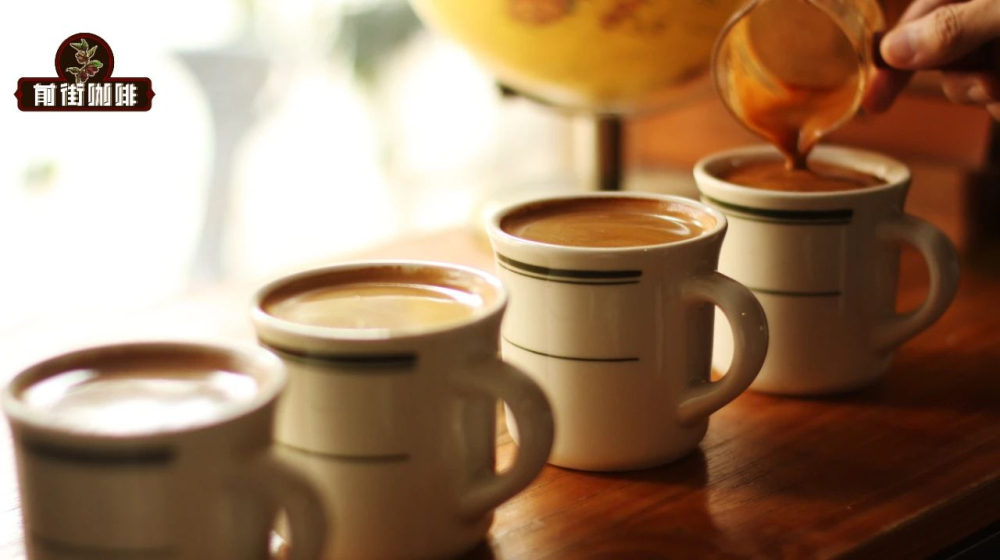
• Rich Mouthfeel: Combines the intensity of espresso with the layered profile of pour over, suitable for single origin brewing.
• Visually Appealing: Its unique construction resembles a scientific apparatus, combining functionality with decorative value.
• High Operation Difficulty: Requires precise control of water temperature and stirring to avoid scorching, astringency, or excessive acidity.
Moka Pot Coffee
Also known as the stovetop Italian coffee maker, the moka pot brews coffee using basic physical principles. It has three compartments: the lower chamber holds water, the middle chamber contains coffee grounds, and the upper chamber collects the brewed coffee. When heated, steam pressure pushes the water through the coffee grounds into the upper chamber. The internal pressure of a moka pot is relatively low, about 1.5 bars, far less than the 9 bars of traditional espresso machines, but its simple design and ability to produce good quality coffee have made it widely popular.
Invented by Alfonso Bialetti in the 1930s, legend says the design was inspired by watching his wife do laundry. Since its launch in 1933, global sales have reached 300 million units, making it a classic among coffee lovers.
Moka Pot Characteristics
• Flavor Intensity Between Espresso and Siphon.
• Portable: Sturdy and durable, suitable for outdoor use — a great companion for travel or hiking.
• Safety Note: Use with care to control the heat source, ensuring water level in the lower chamber doesn’t exceed the safety valve.
Cold Drip Coffee
Cold drip coffee centers around slow extraction over time. In a low-temperature environment, bitter substances in coffee are less likely to be extracted. After prolonged brewing, refrigeration and fermentation impart a subtle fermented aroma and a thick mouthfeel.
During preparation, the upper chamber of the cold drip tower holds ice and water (in a 1:1 ratio), the middle chamber contains coffee grounds (in a 1:10–1:12 ratio), and the lower chamber collects the brewed coffee. Attention should be paid to keeping the coffee bed flat — it can be gently pressed but not too compact. Filter paper is used to ensure even water distribution, and pre-wetting improves extraction consistency. It’s recommended to seal and refrigerate for fermentation overnight after brewing for enhanced flavor.
AeroPress
The AeroPress consists of a main body, filter cap, plunger cylinder, funnel, filter paper, and stirring stick, and offers both positive and reverse brewing methods. Positive brewing involves injecting water while extracting, which may yield a lighter body; reverse brewing first steeps then pressurizes for fuller extraction and richer flavor. Recommended parameters: 15g beans, grind size (70% through a #20 sieve), water temperature 88°C, coffee-to-water ratio 1:15. The process starts with pouring a small amount of water to stir evenly, then adding the rest, followed by a brief steeping period before flipping and pressing for about 30 seconds. The AeroPress’s advantages lie in its ease of use, clean taste, and flexibility for personal customization.
French Press & Clever Dripper
The French press (made of glass, cylindrical) and clever dripper (made of PCT, trapezoidal) differ in material, shape, and pouring method. The French press presses coffee grounds down with a plunger, and coffee is poured from the top spout, usually resulting in a fuller, oilier body; the clever dripper sits on a server, and coffee flows out from the bottom when the valve is opened, yielding a cleaner, clearer, and more layered flavor. Their brewing parameters are similar, but flavor profiles differ, making them worth trying side-by-side.
Other Brewing Methods
Common American coffee machines and fully automatic machines are easy to operate, but the resulting coffee is often limited in quality and flavor; capsule machines and instant or three-in-one coffees are often questioned for cost and ingredient reasons, so coffee enthusiasts are advised to prioritize freshly ground beans and suitable equipment to explore more coffee possibilities.
The world of coffee is vast and profound, with different beans, origins, processing methods, and brewing techniques interweaving to create countless flavor profiles. Why not start by trying a new coffee every day, gradually building experience — you too can become a coffee explorer with unique taste.
The above content is compiled by CoffeeHunters, a coffee news website.


