







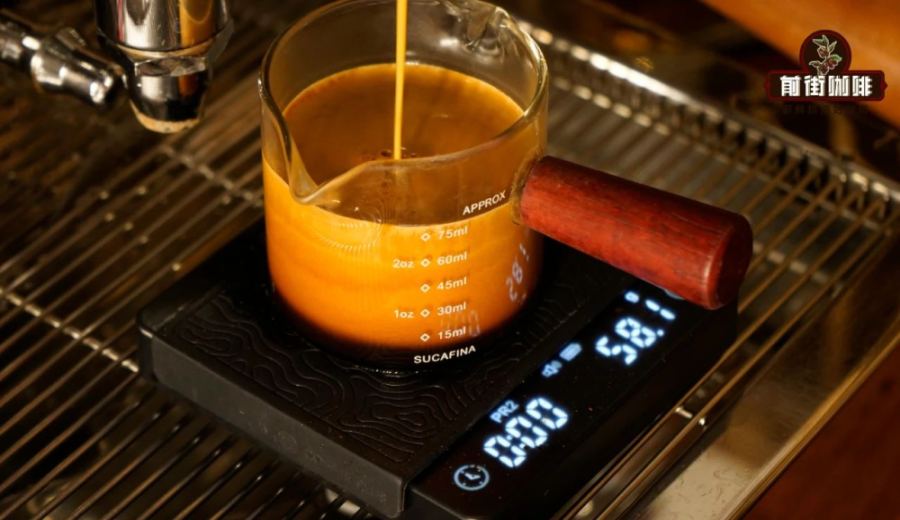
Introduction:Understanding how the roast level of coffee beans affects their flavor is the first step in selecting and brewing specialty coffee. From bright and vibrant light roasts to rich and bold dark roasts, each roast level has a unique balance of acidity, sweetness, and bitterness, as well as brewing methods that suit it best. This article provides an in-depth analysis of the characteristics of three main roast styles—light, medium, and dark—along with real-world regional examples, and offers bean selection and pour over parameter recommendations to help you find your ideal coffee experience.
A large part of a coffee bean’s charm comes from the chemical changes triggered during the roasting process. Raw beans have almost no noticeable aroma, but with proper roasting, they can release a diverse range of flavor layers. The duration, temperature, and technique of roasting, as well as factors like weather and bean moisture content, all subtly alter the final coffee profile.
From light to dark roast, coffee beans show distinctly different trends in color, acidity, bitterness, and aroma. Different roast levels suit different origins and processing methods, and also influence the choice of extraction methods and equipment. Mastering these basic concepts enables you to select and enjoy coffee more precisely.
Light Roast (Light to Cinnamon Roast)
Coffee beans roasted to this level exhibit a lighter cinnamon color, with pronounced and lively acidity, often featuring fruit, floral, or citrus notes. Due to the short roasting time and lower temperature, the beans retain more of their original flavors, making them ideal for highlighting beans like Ethiopia Yirgacheffe, which are known for their distinct floral and lemony acidity. Light roast beans are generally recommended for pour over brewing, with water temperature controlled at 90–93°C and a medium-fine grind, which better brings out their fresh and vibrant layers.
Medium Roast (Medium to High Roast)
Beans in this range appear chestnut or light brown in color and represent what many coffee enthusiasts consider the “golden balance point.” The acidity and bitterness are more balanced, with flavors combining fruity notes and caramel sweetness, suitable for most single-origin or blended beans from various regions. This roast level is widely used in everyday Americano or drip coffee. For brewing, options include pour over, French press, or siphon, with water temperature recommended at 92–94°C and a medium grind.
Dark Roast (City to French Roast)
Dark roast beans usually appear dark brown or even close to black, sometimes with an oily surface. This roast level enhances the bitterness and intensity of the coffee while reducing acidity, bringing out rich flavors resembling nuts, chocolate, or caramel. It’s very suitable for making espresso. Origins such as Indonesia Mandheling are often processed with medium-dark to dark roasts to highlight herbal, woody, and low-acidity bold characteristics. For brewing, espresso machines or moka pots are recommended. If using a pour over method, be mindful not to use too high a water temperature (around 88–91°C), and shorten the extraction time to avoid over-extraction and bitterness.
Roasters design the optimal roast curve and temperature profile tailored to the beans’ origin, variety, and processing method. For example, beans from African origins typically feature bright acidity and rich fruitiness, making them suitable for light to medium roasts to preserve those traits. In contrast, beans from certain regions in Southeast Asia or South America, due to their inherent fiber structure and high density, are better suited for medium-dark or dark roasts to bring out their body and sweetness.

It’s worth noting that while light roasting can highlight the beans’ intrinsic characteristics, it can also make the flavors of underripe or defective beans more apparent, thus requiring higher roasting skill. Additionally, different roast levels affect the chemical composition of the beans—for instance, chlorogenic acid transforms into various bitter compounds as roasting progresses, which is one reason why dark roasts often carry intense and bold bitter notes.
Whether you prefer bright fruity acidity, balanced flavors, or rich and bold caramelized notes, understanding roast levels allows you to choose and brew the coffee experience that suits your taste most accurately. Remember, there’s no such thing as the “best” roast level—only the one that’s “best for your taste.”
The above content is compiled by CoffeeHunters, a coffee news website.


