







Introduction:Kenya AA coffee is renowned for its vibrant acidity, but many pour over beginners are often intimidated by its intense sourness. This article delves into Kenya’s coffee journey—from colonial-era varietal breeding, the genetic advantages of SL28/SL34, to how the K72 washed process shapes its distinctive acidic aroma—and introduces you to the terroir differences of core regions like Nyeri and Muranga. It also provides practical roast curves and V60 pour over parameters to help you bring out the layers and balance in Kenyan beans with the right technique.
The acidity of Kenyan coffee is as sharp as morning dew, yet it often leaves first-time pour over enthusiasts at a loss. These beans from the East African highlands, blessed with the innate genetics of the SL28 and SL34 varieties and paired with the unique K72 washed process, hold a respected place in the global specialty coffee market. But without understanding their regional characteristics and processing logic, one can easily be overwhelmed by overly intense acidity.
The rise of Kenyan coffee is inseparable from British colonial history.The establishment of the Scott Agricultural Laboratories in 1922 (the origin of the “SL” designation)led to the selection of SL28 and SL34 from 42 varieties—varieties that thrive at high altitudes and remain the soul of Kenya’s specialty coffee to this day. The17–18 mesh AA grading systemestablished during the colonial era remains an internationally recognized hallmark of high quality.
Kenya’s coffee grading system is highly distinctive:AA (17–18 mesh), AB (15–16 mesh), and PB (peaberry)are the main grades, with AA+ being an unofficial but commonly used cupping bonus label. In terms of processing, Kenya’sK72 washed methoddiffers significantly from conventional washed processes—fermentation time is extended to 72 hours, allowing for more thorough mucilage breakdown, resulting in a uniquely bright acidity and juicy mouthfeel.
Among the core producing regions,Nyeriis known for its altitude of 1200–2300 meters and volcanic red soil, with beans produced during the main season of October to December often exhibiting wine-like acidity and berry notes;Muranga, at elevations of 1350–1950 meters, produces more balanced citrus and nutty flavors;Kirinyaga, a foothills region of Mount Kenya, grows coffee at 1300–1900 meters known for its rich floral aroma and syrupy sweetness.
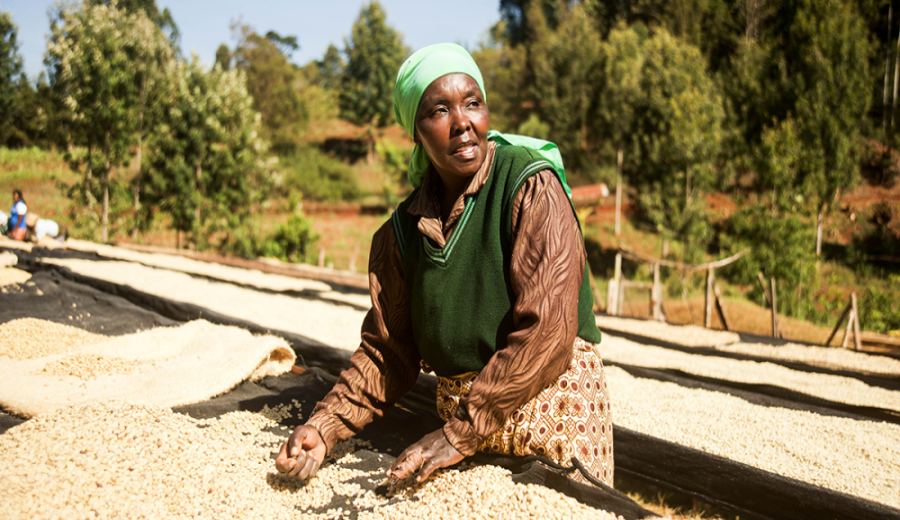
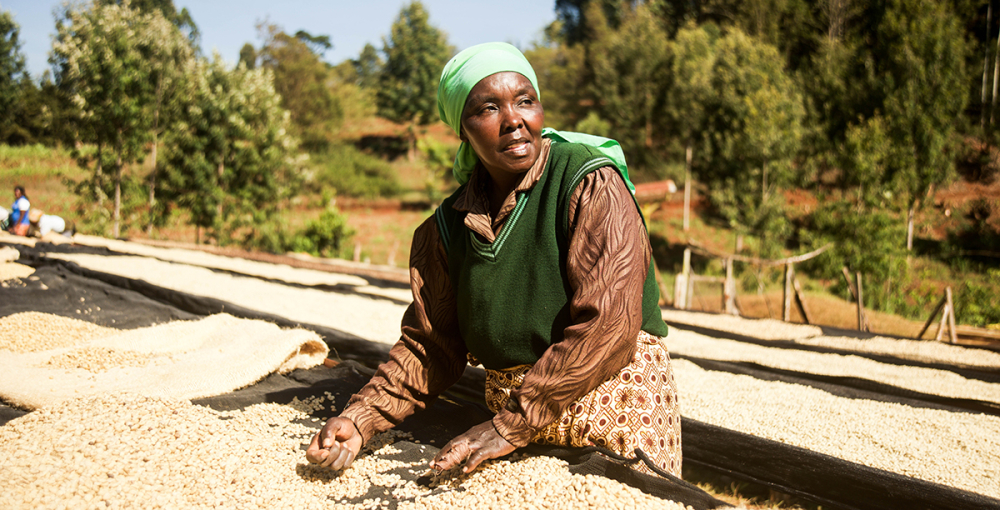
Regarding processing methods, Kenya’sK72 washed processincludes: bean selection → depulping → 72-hour controlled fermentation (double the usual time) → fresh water rinse → drying on raised beds to 12% moisture content. This extended fermentation breaks down more mucilage and impurities while preserving more active acidic compounds. In practice, it is recommended to use90°C water temperatureandmedium-fine grind (EK43s setting 10, approximately 80% passing rate through a #20 sieve)to avoid overly sharp acidity caused by high temperatures or too coarse a grind.
Practical and effective pour over parameter example:
• Filter: Hario V60
• Dose: 15 grams
• Brew ratio: 1:15
• Brewing technique: 30g water bloom for 30 seconds → small stream pour to 125g → continue pouring to 225g → total extraction time of about 2 minutes
This parameter effectively highlights the layered profile of Kenyan beans while suppressing overly sharp acidity.
Common pitfalls to note: Over-extending the bloom time (beyond 45 seconds) may amplify sour astringency; using too fine a grind (e.g., 90% passing rate through a #20 sieve) can lead to channeling and over-extraction flavors. If a noticeable vinegar-like taste is encountered, check whether the beans were stored improperly or have passed their peak freshness.
The above content is compiled by CoffeeHunters, a coffee news website.


