








Introduction:As one of the most representative heirloom varieties in Yunnan, the Yunnan Typica coffee bean has garnered widespread acclaim for its distinctive fruity acidity and rich body. This article begins with the historical background of Typica’s introduction to Yunnan, delves into its performance differences between the Baoshan and Lincang growing regions, and details the flavor characteristics under both washed and natural processing methods. It also provides practical brewing and espresso extraction parameter recommendations to help coffee enthusiasts fully experience the diverse charm of this classic bean variety.
In recent years, Yunnan coffee has gradually emerged on the global stage, where the term "small-bean coffee" — a general reference to Arabica varieties — is often synonymous with the Yunnan growing region. Among the many varieties, it is the historically significant Typica that laid the foundation for Yunnan coffee’s early reputation. This article will take you through the introduction history of Typica, exploring its performance in different Yunnan regions, the unique flavors showcased under washed and natural processing, and offering practical pour-over and espresso brewing references.
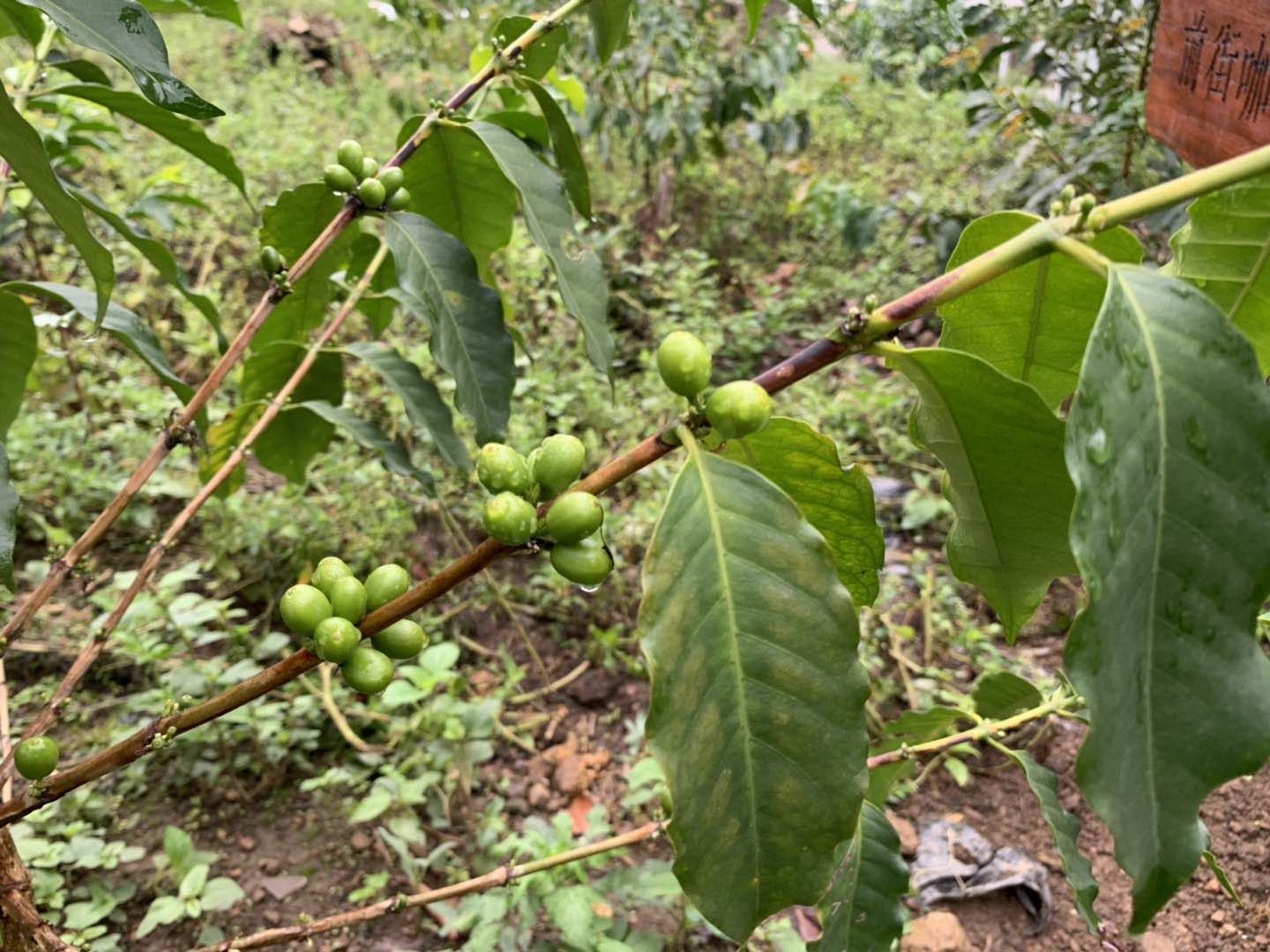
Typica coffee was first introduced to Yunnan from abroad by a French missionary in 1904, who planted the first coffee trees in the Zhukula area. Before the 1980s, the two main varieties cultivated in Yunnan were Typica and Bourbon, both traditional small-bean Arabicas, distinctly different from the medium-bean Robusta grown in places like Hainan. Typica is renowned for its elegant acidity, rich fruitiness, and delicate mouthfeel, with famous varieties such as Blue Mountain and Hawaiian Kona belonging to this type.
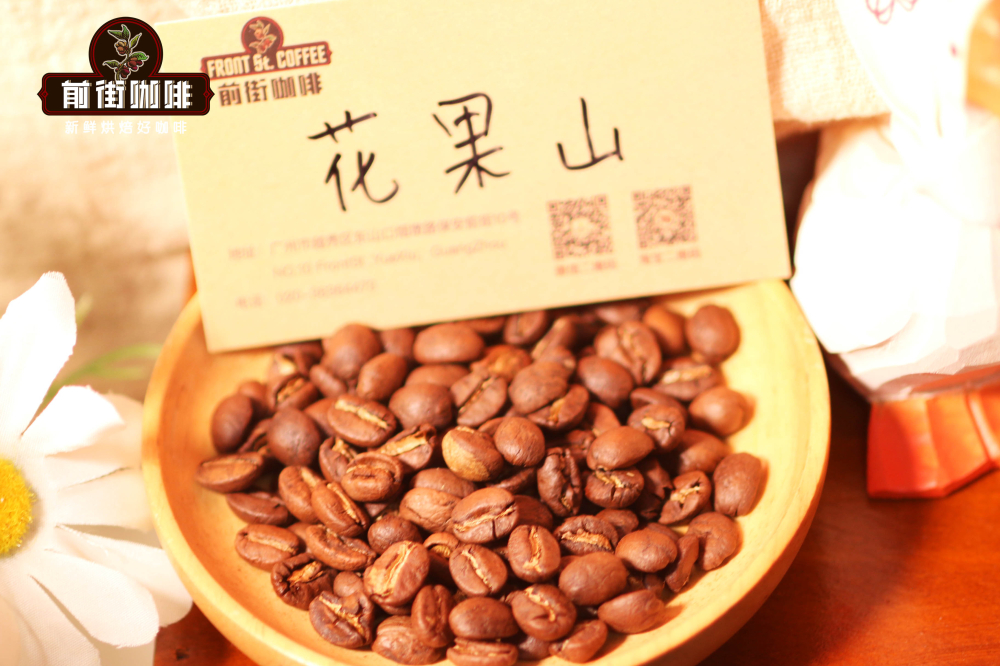
However, Typica also has its limitations, such as tall plant stature, low yield, and weak disease resistance, making it susceptible to leaf rust, berry disease, and nematode infestations. These factors have led many farmers to switch to higher-yielding and more disease-resistant varieties like Catimor. Nevertheless, some green bean enthusiasts and specialty coffee farms continue to cultivate this classic variety in pursuit of purer flavors. The industry’s offerings include two Yunnan Typica beans: one is the washed “Huaguoshan” from Baoshan, and the other is the “2013” from Lincang, which is personally cultivated and naturally processed.
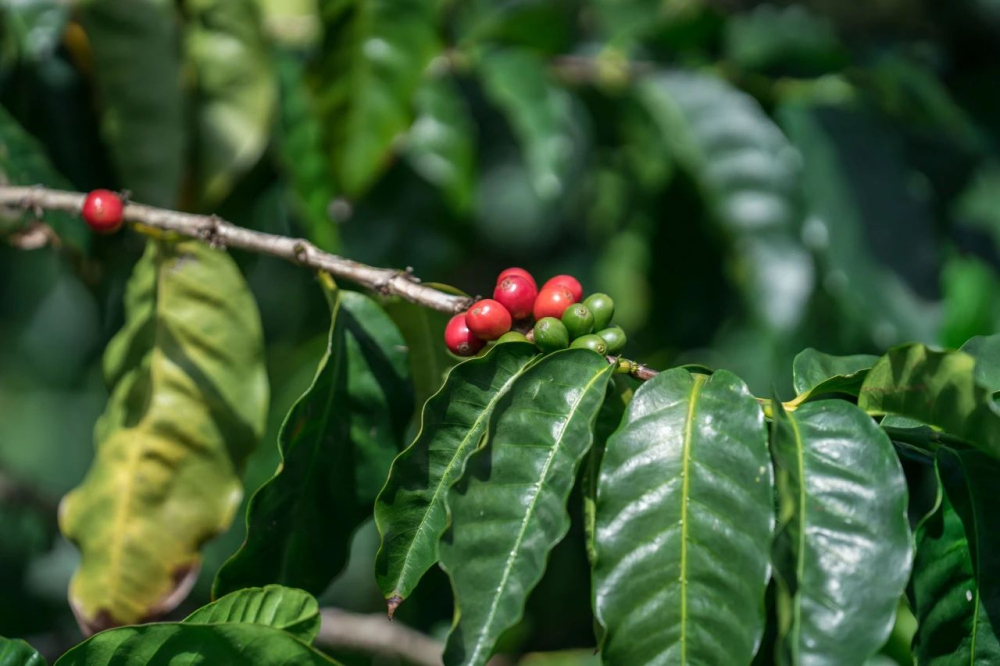
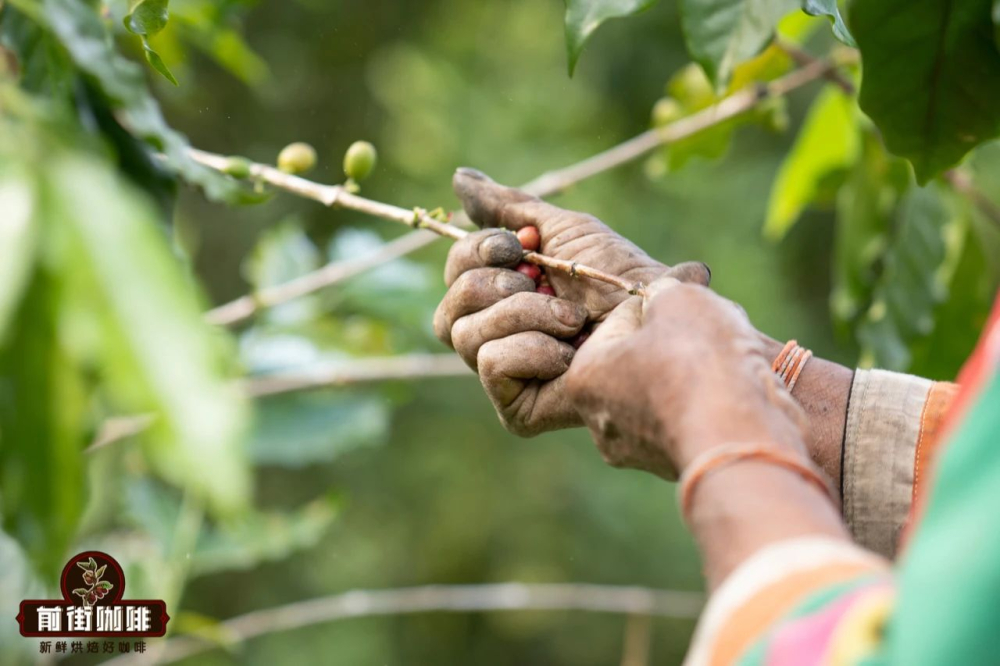
As one of the earlier-developed coffee-growing regions in Yunnan, Baoshan boasts the Lijiang Dam — the country’s largest-scale coffee planting base — with Xinzhai Village being hailed as “China’s No. 1 Coffee Village.” The region enjoys a warm climate, frost-free year-round, fertile soil, and moderate rainfall, resulting in coffee beans with less fruit pulp and a sweet, clean flavor profile. The main harvest season runs from November to March each year, when local farmers pick ripe red coffee cherries in the mountains.
Due to Yunnan’s rainy harvest season, washed processing has become the most common and practical method for green bean production. The Baoshan Huaguoshan coffee is precisely washed processed — the pulp is removed via pulping and fermentation to preserve the purest flavor characteristics of the beans. This bean exhibits the signature delicate aroma and round mouthfeel of Typica, along with distinct layers of fruity notes. The washed method not only enhances overall cleanliness but also better highlights the inherent regional flavor traits.
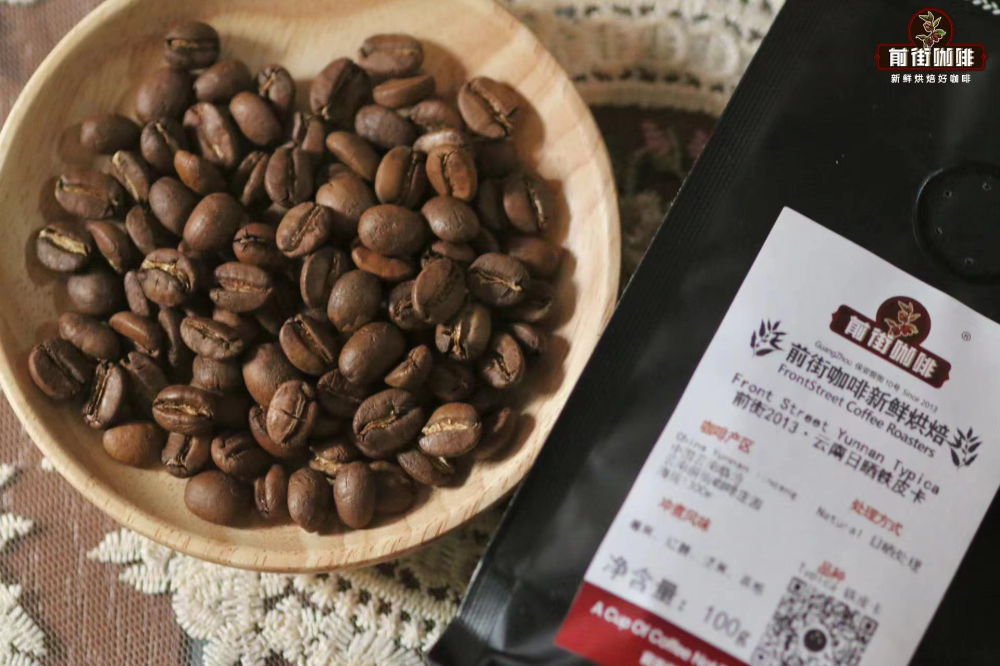
As for the Lincang growing region, it is the birthplace of another Typica variety, the “2013.” Following a global leaf rust epidemic in the past, many original Typica and Bourbon plantings in various parts of Yunnan disappeared, later replaced by the disease-resistant Catimor as the dominant variety. However, in 2013, someone chose to venture into Lincang to challenge the cultivation of the most original Typica variety, personally participating in site selection, seedling cultivation, harvesting, and processing every step of the way.
The Lincang region, influenced by the warm, moist air currents of the Indian Ocean and the southwest monsoon, features a three-dimensional climate with distinct dry and rainy seasons, abundant sunshine, and short frost periods — highly suitable for Arabica growth. Yet Typica inherently yields poorly and has weak disease resistance. Under meticulous team management, it took five to six years of cultivation before the first harvest was achieved in 2020. The beans were then naturally processed and named “2013.”
During the natural processing, unripe coffee cherries are first removed via floatation, after which the coffee fruits are placed under the sun to dry naturally, with regular turning to ensure even heat exposure. The coffee cherries turn from bright red to dark purple, reaching the ideal moisture content before hulling and subsequent roasting. This processing method imparts a richer fermented aroma to the beans, with sweetness as the flavor backbone, featuring layers of caramel, berries, and black tea — showcasing a full-bodied character distinctly different from the washed version.
In terms of roasting strategy, a medium roast level is preferred to balance the richness and acidity of Yunnan Typica, highlighting its multi-layered flavor potential. For everyday drinking or café service, pour-over brewing is commonly used, with a V60 filter cone, medium-fine grind, and moderate water temperature to bring out its balanced and layered characteristics. This brewing method is suitable not only for professional baristas but also for home use by general coffee enthusiasts.
It is recommended to use a medium-fine grind (approximately the size of fine sugar granules), with water temperature controlled at 90–92°C, and a brew ratio of 1:15 to 1:16. The total extraction time should be around 2 minutes. With stable water flow and moderate extraction pressure, the fruity aroma and sweetness of Typica can be fully released while avoiding over-extraction that could lead to bitterness.
Is Yunnan Typica suitable for espresso? The answer is yes. When the natural version of Typica is medium roasted, it exhibits aromas of brown sugar, chocolate, cream, and nutty cookie, with well-balanced acidity, bitterness, and sweetness — making it highly suitable as a single-origin espresso (SOE). It can be brewed using commercial-grade coffee machines (such as the Lelit Bianca) or home machines (with at least 9 bar pressure).
In practice, it is recommended to use a double-shot basket, with about 18–20 grams of coffee grounds, and a brew ratio of 1:2 (i.e., 20 grams of coffee yielding 40 grams of espresso), with an extraction time of around 28–30 seconds. Too short an extraction may result in a thin flavor, while too long can lead to over-extraction and burnt bitterness. Pour the extracted espresso into a cup, and you can enjoy its full-bodied texture with chocolate and cocoa notes, paired with a soft acidity and overall balance.
To further explore its versatility, you can mix the espresso with hot water at a 1:4 ratio (approximately 160 milliliters) to make an Americano. The flavor then shifts to a focus on plum, dried apricot, nuts, and black tea undertones, offering a smooth mouthfeel and rich layers — perfect for those who appreciate coffee’s lingering finish.
The above content is compiled by CoffeeHunters, a coffee news website.


