







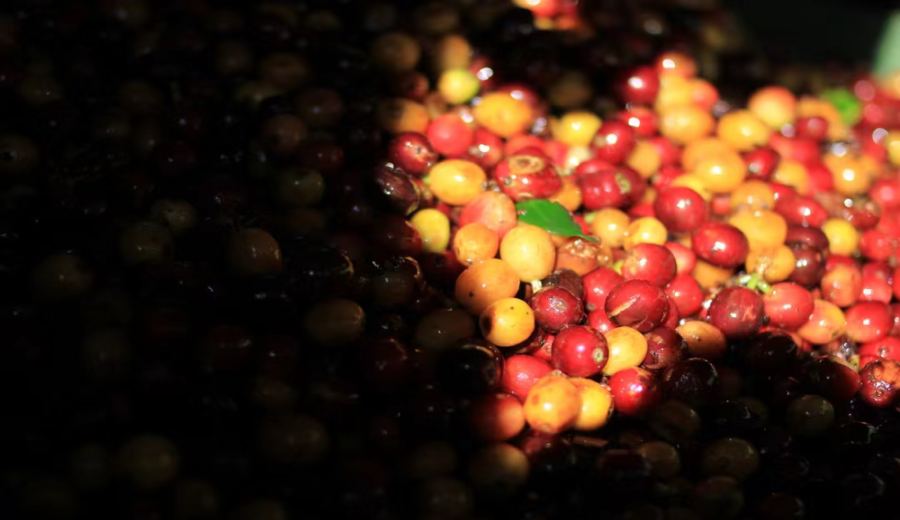
Introduction:Costa Rican coffee is renowned for its bright acidity and vibrant aromas, yet many enthusiasts struggle to replicate café-level delicate flavors when brewing at home using pour over methods. This article delves into the region’s geographical advantages, explores the characteristics of its eight major producing areas, and examines classic processing techniques. It takes an in-depth look at the high-altitude benefits of core regions like Tarrazú, and explains how honey processing contributes to its distinctive sweetness. Featuring two beans from the Musician Series—Bach and Mozart—as practical examples, it provides tested pour over parameters and step-by-step extraction tips to help you master the key to achieving balanced flavors.
As a significant origin for specialty coffee in Latin America, Costa Rica not only boasts a long history of cultivation but also continues to innovate in coffee processing techniques. From traditional washed and natural processes to honey processing, as well as cutting-edge methods like anaerobic fermentation and raisin honey, a wide range of practices can be found locally. Many coffee lovers purchase Costa Rican beans for home brewing, yet often notice a gap compared to café-quality results. This discrepancy may stem from factors such as regional characteristics, differences in processing methods, or the need for adjusted brewing parameters.
Costa Rica’s coffee-growing conditions are exceptionally favorable. Its volcanic soils are rich in minerals and highly draining, while the central highlands generally sit between 1,200 and 1,600 meters above sea level—creating the foundation for coffee beans with dense structure and complex flavor profiles. Key micro-regions include the Western Valley, Central Valley, Tarrazú, Tres Ríos, Orosi, Brunca, Turrialba, and again Tarrazú. Among them, Tarrazú stands out as a representative specialty coffee region, thanks to its altitude ranging from 1,200 to 1,700 meters and stable microclimates.
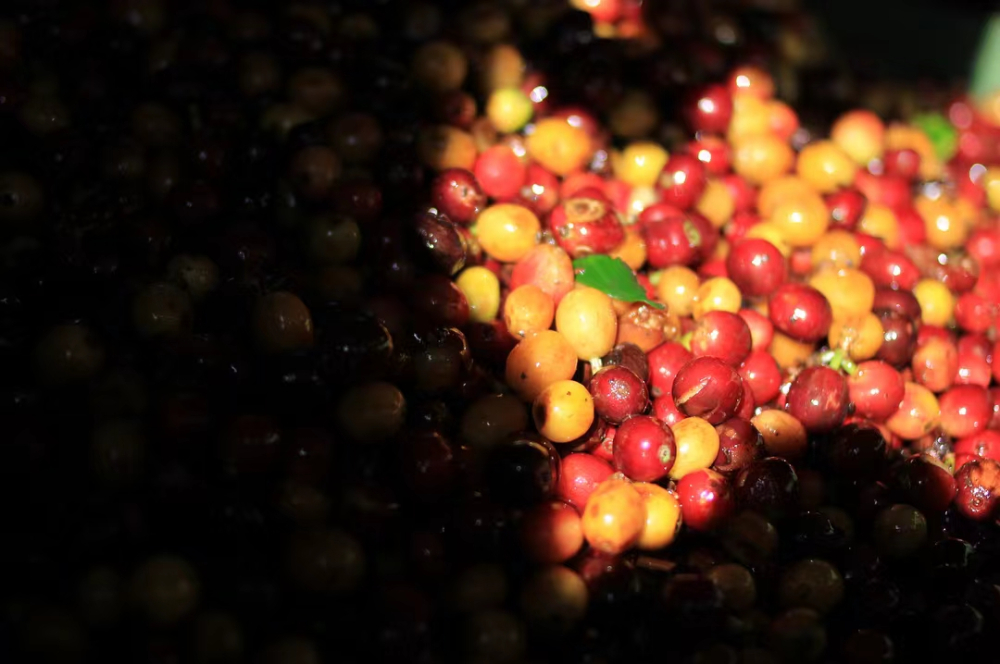
The Tarrazú region is located south of the capital, San José, with the main harvest season running from December to March each year. This area benefits not only from the natural fertility provided by active volcanoes such as Irazú, Barva, and Poás, but also from the ideal shading environment created by the surrounding dense forests. Notably, many coffee farmers in Tarrazú adhere to natural cultivation methods without pesticides or synthetic fertilizers, resulting in beans that often exhibit a chocolatey richness, lively acidity, and elegant floral notes. Coffee grown at higher altitudes, in particular, tends to have softer and brighter acidity.
In terms of varieties, Costa Rica primarily cultivates classic Arabica types such as Bourbon, Caturra, and Catuai, along with native variants like Villalobos. The Bourbon variety, originating from Yemen, is known for its round-shaped beans that often demonstrate consistently high quality in cupping. Caturra is a natural mutation of Bourbon, with a shorter plant stature but higher yield, well-suited for medium-to-high altitudes. Catuai combines traits of Mundo Novo and Caturra, with sturdy fruit that is less prone to dropping, though its flavor complexity is slightly less than that of Caturra. Additionally, Villalobos, a green-tipped dwarf mutation variety, offers highly complex aromas and performs well with medium-to-dark roasting, showcasing a blend of floral, honey, cherry, and cinnamon spice notes.
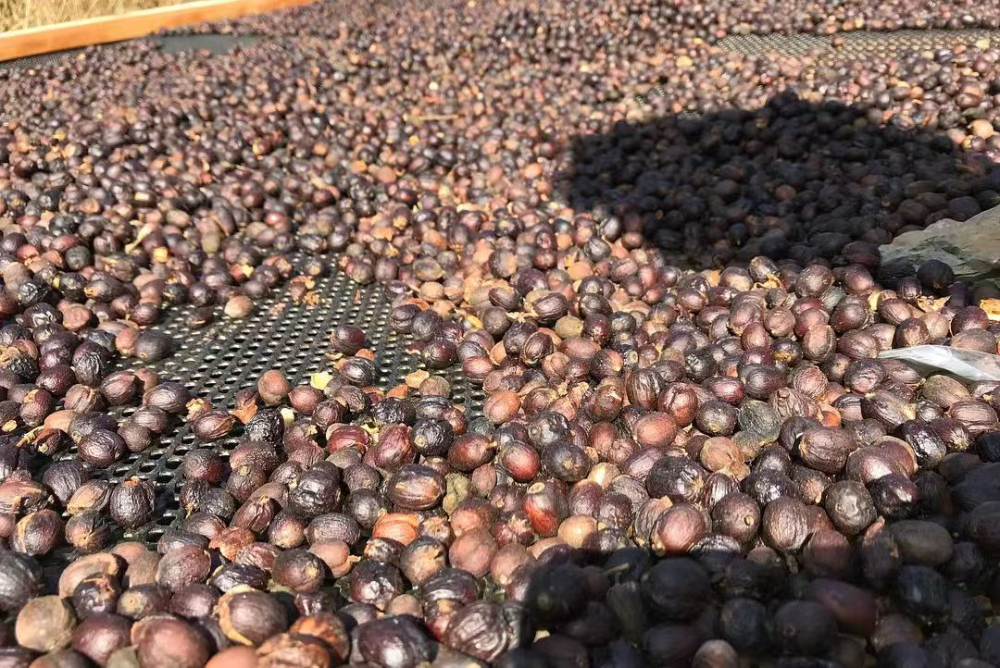
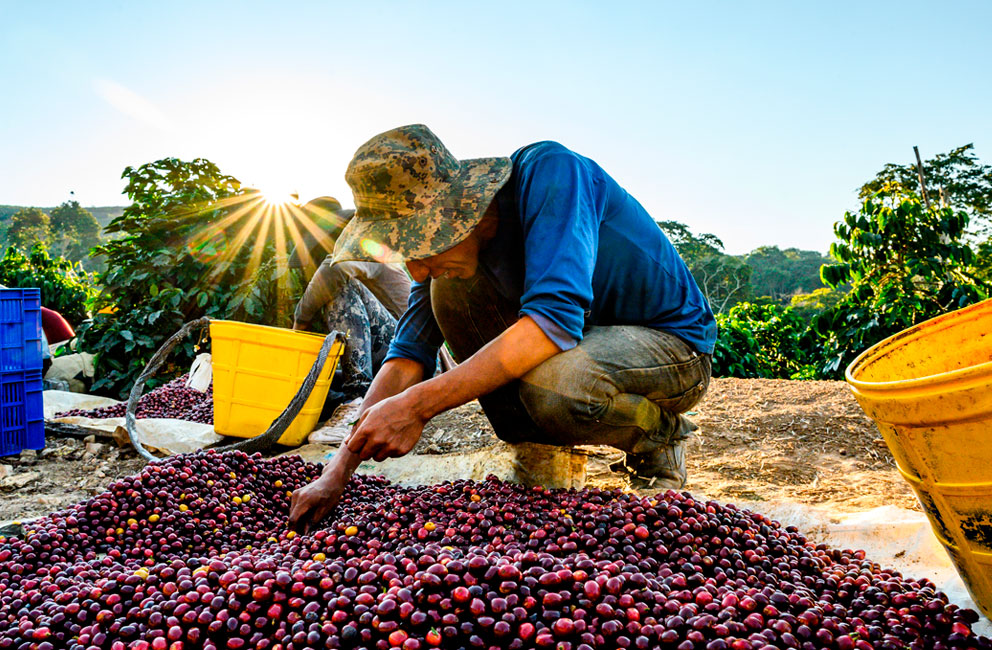
A defining feature of Costa Rican coffee processing is the widespread use of honey processing. In this method, after removing the outer fruit skin, the sticky mucilage layer is intentionally retained during sun drying. Compared to the clean and bright profile of traditional washed processing, honey processing imparts greater sweetness and caramel-like flavors. Depending on the amount of mucilage retained and the intensity of sun drying, local producers categorize honey processing into three types: yellow honey, red honey, and black honey. Yellow honey offers the cleanest profile but with relatively less sweetness, while black honey, retaining the most mucilage, exhibits the most pronounced sweetness albeit with slightly lower clarity. Red honey achieves a good balance between cleanliness and sweetness.
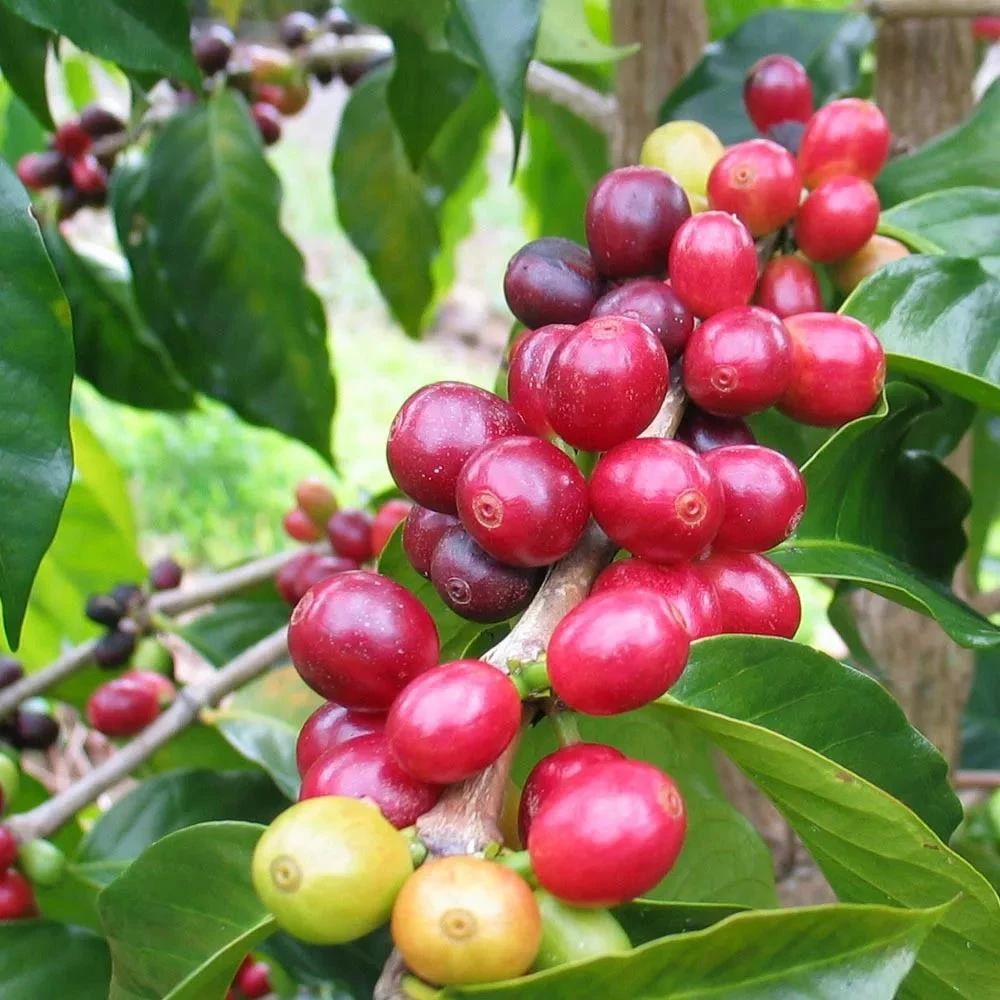
Take the Bach and Mozart beans from the Musician Series as examples—both are grown at elevations of 1,800 to 1,950 meters in the Tarrazú region and processed using raisin honey methods, with the H1 variety. Raisin honey is an extreme form of honey processing, retaining an exceptionally high proportion of mucilage and undergoing extended sun drying, which results in intense sweetness and complex layers of fruity flavors.
For actual pour over brewing, it is recommended to use a Hario V60 #01 filter, 15 grams of coffee, a 1:15 coffee-to-water ratio, and water temperature controlled at 90°C, with a medium-fine grind (approximately 80% passing through a Chinese standard No. 20 sieve). Specifically, start with a 30-gram bloom to allow the coffee grounds to fully expand into a “hamburger” shape for about 30 seconds. Then, pour water steadily in a circular motion with a medium-fine stream until you reach 125 grams at around 55 seconds. Pause to let the water level drop naturally to about two-thirds of the coffee bed, then continue pouring until the total reaches 225 grams (maintaining the 1:15 ratio), with the overall extraction time kept around 1 minute and 55 seconds.
The Bach coffee shows distinct grape-like acidity and wine fermentation notes at higher temperatures, gradually transforming into bright red berry juiciness and rose floral tones as it cools, with a lasting caramelized sweetness in the aftertaste. Mozart, on the other hand, presents a combination of berry and fermented aromas, delivering sweet and mellow flavors of raisins and sweet oranges upon entry. As the temperature changes, wine-like notes and osmanthus aromas become more pronounced, offering an overall well-balanced and layered flavor profile.
Mastering these regional characteristics, differences in processing methods, and precise brewing parameters will help you recreate café-quality Costa Rican coffee flavors using your home pour over setup. Whether you’re chasing bright acidity or rich sweetness, adjusting variables such as water temperature, grind size, and brewing rhythm can allow you to explore the unique charm of Costa Rican coffee more deeply.
The above content is compiled by CoffeeHunters, a coffee news website.


