







Introduction:When brewing coffee at home using a De’Longhi drip coffee maker, selecting the right grind size and suitable coffee beans is key. This article provides an in-depth yet easy-to-understand introduction to the differences and application scenarios of fine, medium, and coarse grind sizes, analyzes the performance of light and dark roasted beans under drip extraction, and takes the De’Longhi model as an example to explain the operation process step by step. It also recommends two American-style coffee beans suitable for drip brewing, and compares the flavor and mouthfeel differences between espresso with added water and drip-style Americano, helping you precisely master the essentials of each cup’s extraction.
Brewing American coffee at home, all you need is a De’Longhi drip machine and the correct grind size to consistently extract balanced and flavor-clear coffee. However, many users often overlook the impact of grind fineness on extraction, leading to under-extraction or over-extraction that affects overall flavor performance. How exactly should you adjust the grind size based on the characteristics of your equipment? What roast level is most suitable for drip machines? This article will guide you through a comprehensive understanding.
First, we need to understand that grind size is one of the core factors influencing coffee extraction efficiency.The finer the coffee grounds, the greater the surface area in contact with water, and the faster the release of flavor compounds; conversely, coarser grinding allows water to pass through more quickly, shortening the extraction time and reducing the release of flavors.This is why different brewing methods require coffee grounds of varying fineness.
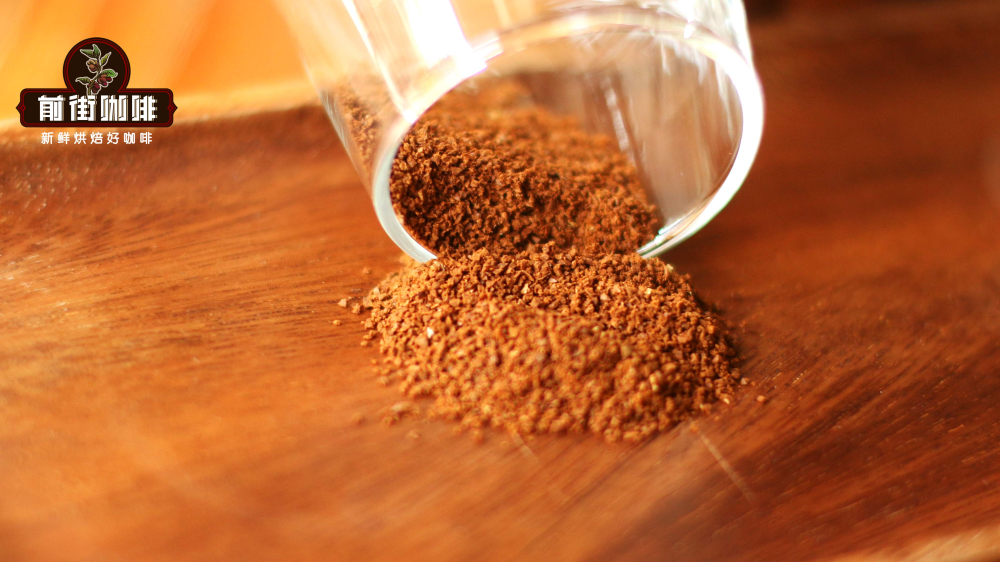
Internationally, coffee grind sizes are typically divided into seven levels, but for practical ease, we can simplify them into three main categories: fine, medium, and coarse. Among them,medium-coarse grind (approximately corresponding to a 75% passing rate through a national No. 20 sieve) is most commonly used in drip coffee makers, such as De’Longhi models; medium grind (around 75%-80%) is suitable for pour over; while fine grind (with a passing rate close to 90% or higher) is mostly used in espresso or moka pot under high-pressure conditions.
Why does the brewing device directly influence the choice of grind size? The key lies in ‘contact time between coffee and water’ and ‘water flow resistance.’ For example, when using a drip machine, water naturally seeps through the coffee grounds layer by gravity, a relatively slow process, thus slightly coarser grind is suitable, providing appropriate extraction time to avoid over-extraction or an overly sharp taste.
Conversely, if you mistakenly use overly fine coffee grounds, the extended contact time between water and coffee can lead to over-extraction, resulting in bitter, astringent, and noticeably off-flavor notes, even unpleasant burnt tastes. Meanwhile, too coarse a grind may cause under-extraction, making the coffee flavor thin, overly acidic, and lacking in complexity.
So, what considerations are there when choosing beans? Drip coffee makers are actually not strictly limited by roast level, it mainly depends on personal preference. If you prefer bright, refreshing floral and fruity notes, light roast coffee is a good choice. For example, a well-known brand's sun-dried Red Cherry, sourced from Ethiopia’s Yirgacheffe region, is known for its bright citrus tones and berry aromas, suitable for users who enjoy a balanced sweet-and-acidic taste.
If you prefer a richer, fuller-bodied flavor, dark roast coffee can better meet your needs. We recommend trying a well-known brand’s PWN Golden Mandheling, a classic dark roast bean from Indonesia, hand-selected multiple times with uniform bean appearance, characterized by low acidity, full body, and flavors of chocolate and spices. However, be aware that some commercially available products labeled as ‘Golden Mandheling’ may not be authentic, so it’s advised to look for the PWN certificate and original burlap sack labeling when purchasing.
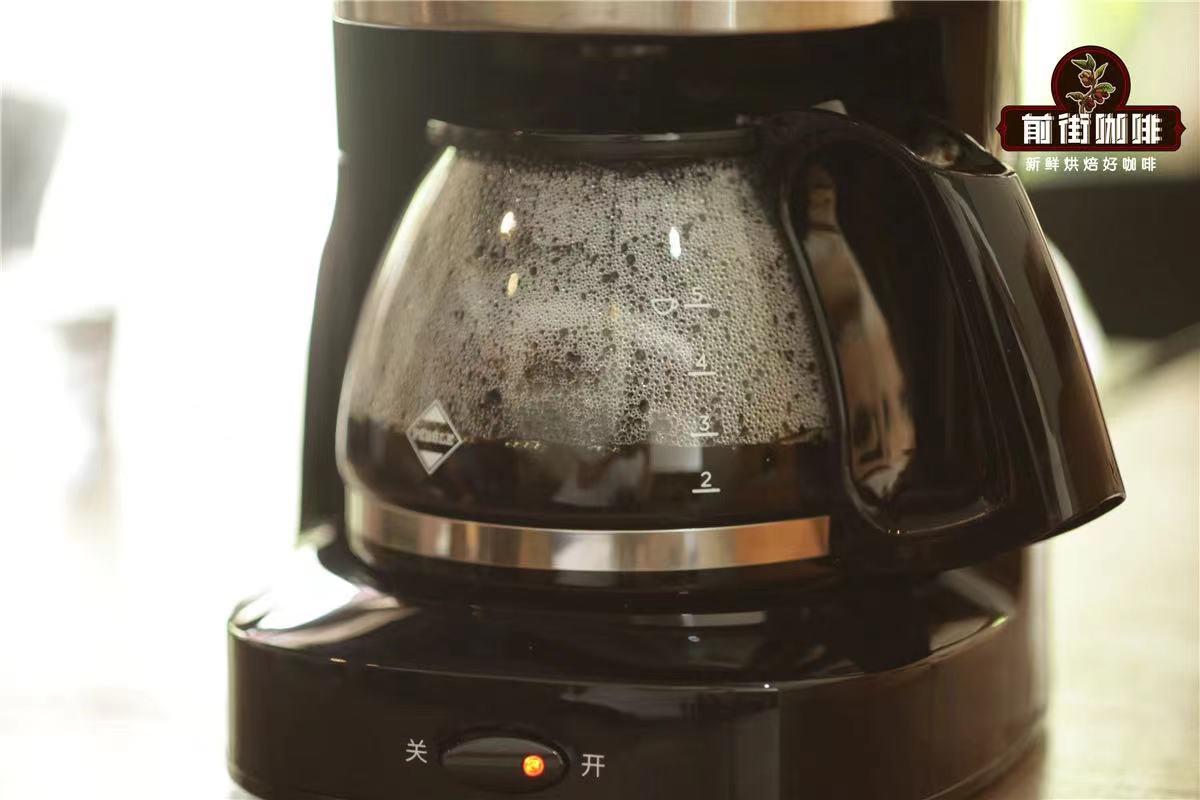
After understanding the beans and grind size, let’s look at how to actually operate the De’Longhi drip coffee maker. The steps are very simple: first, place an appropriate amount of coffee grounds (recommended about 5 grams of coffee per 100 ml of water, adjustable according to taste) into the machine’s filter basket; then, fill the water tank with fresh water, close the lid, and press the power button to start automatic extraction. This drip method is an atmospheric-pressure extraction, the process is stable, and it’s suitable for everyday use.
Besides drip brewing, some coffee enthusiasts also make what is called ‘Americano’ by adding water to ‘espresso.’ So, what’s the difference between the two? Simply put,Americano made by adding water to espresso has a richer and fuller mouthfeel, and because it is extracted under high pressure, it has a layer of Crema, offering a more complex flavor profile; whereas drip-style Americano is relatively cleaner and crisper, highlighting the inherent flavor characteristics of the coffee beans more.
Espresso-style coffee usually uses blended beans, emphasizing richness and balance, suitable for adding milk or making milk-based drinks like lattes and cappuccinos; whereas drip-style brewing more faithfully presents the original flavors of single-origin beans or specific processing methods, ideal for drinking straight to enjoy the regional terroir of the beans.
In summary, using a De’Longhi drip coffee maker to make American coffee, the key lies in choosing the right grind size, picking suitable coffee beans, and mastering the basic brewing ratio. Whether you prefer a bright light roast or a rich dark roast, as long as you adjust properly, you can brew professional-grade coffee at home.
The above content is compiled by CoffeeHunters, a coffee news website.


