







Introduction:The French press is beloved by coffee enthusiasts for its simple operation and ability to preserve rich oils, but excessive fine sediment is a common issue. This article details how to effectively reduce sediment and enhance the overall cleanliness and flavor complexity of your coffee by precisely controlling grind size, coffee-to-water ratio, steeping time, and the optimal pouring timing—along with a simple paper filter method. A medium-dark roasted bean example illustrates the compatibility between equipment and bean variety.
The French press has long been a top choice among many coffee lovers. Besides its intuitive operation and lack of need for paper filters, its metal filter preserves the natural oils in coffee, resulting in a richer and fuller flavor. However, many users often encounter the annoyance of fine sediment in their coffee, which affects the overall taste. In fact, by mastering the correct grind coarseness, coffee-to-water ratio, steeping time, and the crucial pouring timing—along with a secondary simple paper filtration—you can significantly improve the sediment issue, making French press coffee nearly as clear and delicate as pour over.
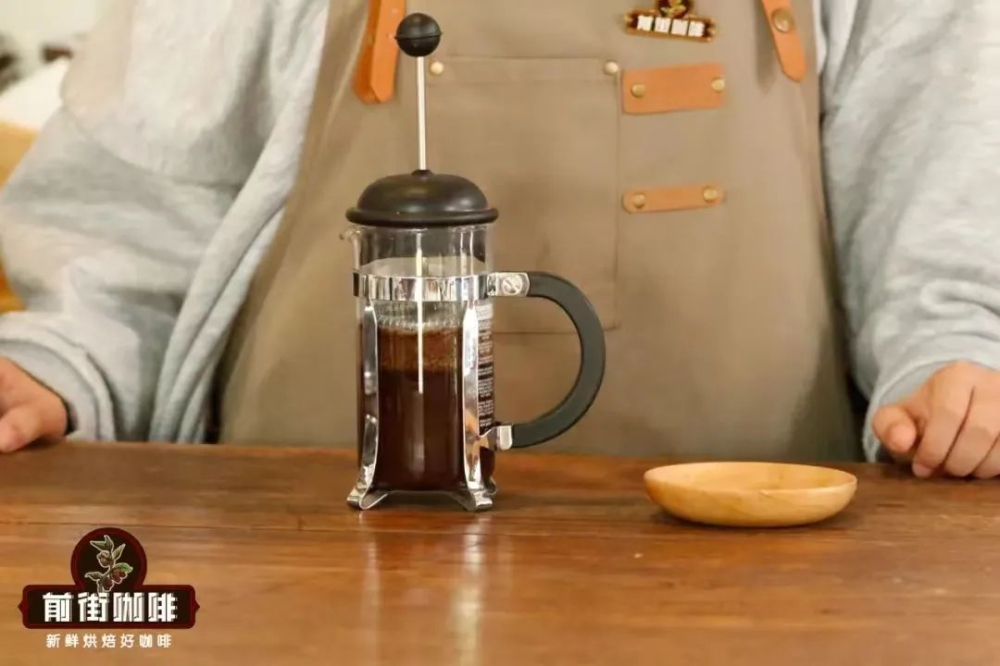
The structure of the French press is quite simple: just add hot water and coffee grounds into the container, let it sit for a while, then press the filter down to trap the coffee grounds at the bottom to complete the extraction. Compared to paper filtration, the metal filter is not only reusable but also avoids the absorption of some oils and aromas by paper, better showcasing the coffee’s original characteristics—including its intensity, body, and multi-layered flavor profile. For this reason, the French press extraction method is considered closest to the logic of professional cupping, making it ideal for those who enjoy a naturally rich and bold taste.
However, the immersion extraction nature of the French press also makes it more sensitive to fine particles. If the grind is too fine or the steeping time too long, fine sediment can easily pass through the filter and into the coffee, resulting in a murky taste. Therefore, understanding and controlling each variable is key to improving the quality of French press brews. Next, we’ll detail the entire process from bean selection and grinding to actual operation, using a medium-dark roasted Colombian Huila coffee bean as an example to illustrate why it’s particularly well-suited for this brewing method.
When selecting coffee beans, the French press is especially well-suited for medium-dark roasted beans, which typically have a more balanced flavor profile while showcasing a rich body and abundant oiliness. For example, beans from regions like Brazil Cerrado, Indonesia Mandheling, and Costa Rica Tarrazú, with their balanced acidity and sweetness and moderate intensity, are classic pairings for the French press. Medium-dark roasting also helps highlight flavors such as dark chocolate, nuts, and caramel, making the overall taste more rounded.
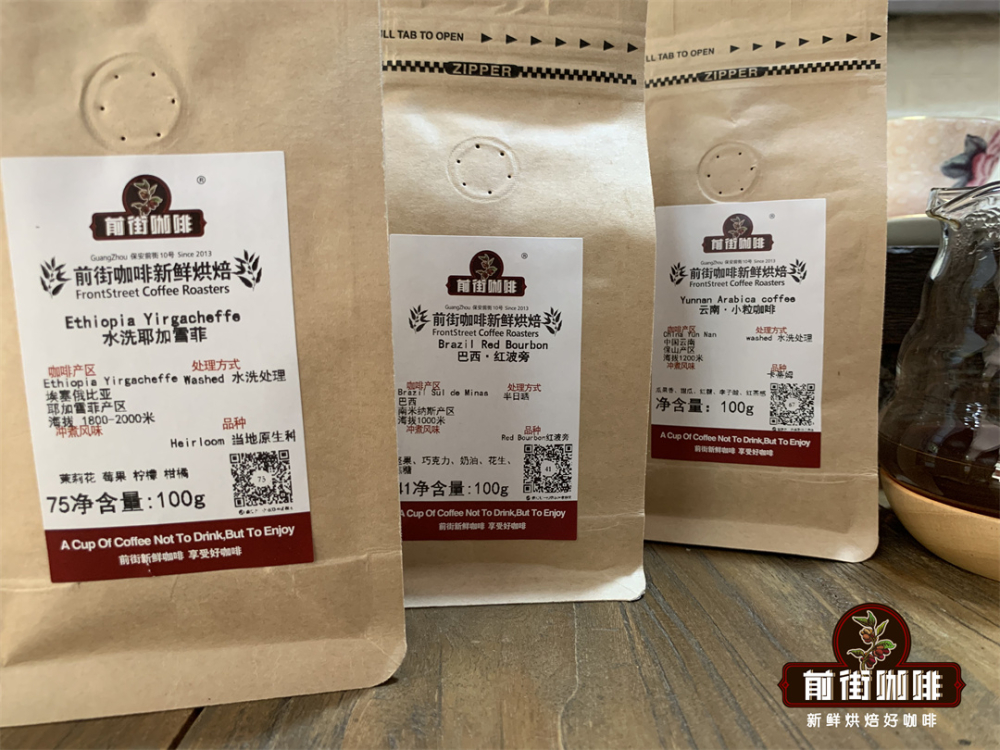
In contrast, light roasted coffee beans—especially varieties like Ethiopian Yirgacheffe that are known for their floral, citrus, and bright fruity acidity—are less suitable for French press brewing. The delicate aromas and nuanced flavors of light roasts can be suppressed during the immersion process, resulting in a dull and monotonous cup. If you prefer coffee with lively acidity and clear flavors, methods like pour over or cold brew, which better preserve details, are recommended.
For practical use, it’s advised to use medium-coarse coffee grounds, slightly coarser than those for pour over, to reduce over-extraction and sediment issues. An ideal sieve passing rate can be controlled between 70% to 75%. This level of coarseness ensures smooth water flow without under-extracting due to excessive coarseness. If the coffee grounds are too fine, they can not only easily pass through the metal filter but also make the coffee appear cloudy, negatively affecting the overall sensory experience.
In terms of coffee-to-water ratio, it’s recommended to start with 1:10—for example, using 20 grams of coffee beans to about 200 grams of water—and adjust according to personal taste. A commonly used and stable ratio is 1:16, which is 15 grams of coffee grounds to 240 grams of water. This ratio suits the taste preferences of most people. Using a digital scale can help you more accurately control the ratio, especially if you wish to replicate a satisfying brew, where numerical records become especially important.
Water quality is also one of the key factors influencing coffee flavor. It’s recommended to use soft water or filtered water to avoid minerals in hard water affecting extraction performance and final taste. Using fresh, clean water is a basic requirement for making a good cup of coffee.
In terms of specific steps, first grind an appropriate amount of coffee beans to medium-coarse and pour them into the French press. Then heat the water to about 93°C, the ideal temperature for medium-dark roasted beans, which can fully extract the flavors without over-extracting. After pouring the calculated amount of water, it’s recommended to gently stir the coffee grounds and water mixture to ensure every coffee particle is evenly saturated.
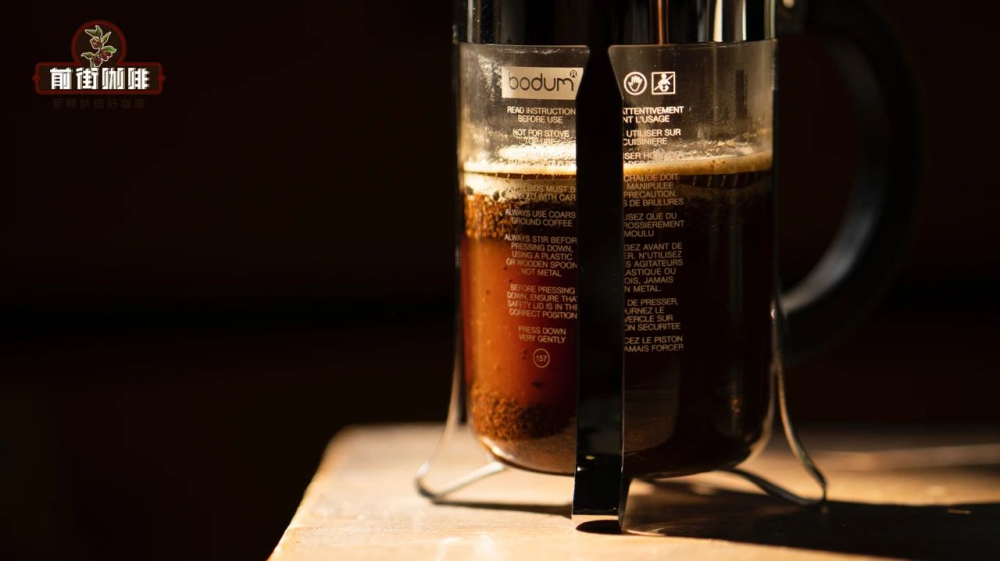
For the steeping stage, it’s advised to let it sit for about 4 minutes. During this time, you can place the lid on the French press but keep the plunger at the top to avoid premature contact with the coffee grounds. Once the time is up, you can open the lid, use a spoon to gently skim off any foam and tiny particles from the surface, then slowly and steadily press the plunger down to the bottom. Maintain even pressure when pressing to avoid pushing out fine particles due to excessive speed.
After extraction, it’s recommended to immediately pour the coffee liquid into another insulated container to prevent over-extraction and the release of impurities from prolonged contact with the coffee grounds. If you’re still concerned about fine sediment, you can use a paper filter for a secondary filtration, which can effectively enhance the clarity of the coffee liquid and the overall cleanliness of the taste.
In summary, the French press is a simple yet highly potential coffee brewing tool. By mastering variables such as grind size, water temperature, coffee-to-water ratio, and time, you can brew a cup of coffee that is rich in flavor, layered, and refreshingly clean. For coffee lovers who are busy but don’t want to sacrifice quality, the French press is definitely an ideal choice worth exploring in depth.
The above content is compiled by CoffeeHunters, a coffee news website.


