







Introduction:Cold brew coffee, known for its simple preparation and refreshing flavor, has become the go-to summer choice for many coffee enthusiasts. This article delves into the unique flavor characteristics of cold brew coffee, offering practical advice on everything from suitable bean varieties and grind size to coffee-to-water ratios and the full brewing process. It also addresses the common question of whether espresso beans are suitable for cold brew, providing adjusted parameters and real-tasted flavor analysis to help you easily brew a clean, rich, and well-balanced cup of cold brew at home.
Among the many coffee brewing methods, cold brew stands out as an easy entry point for beginners due to its low barrier to entry and lack of need for specialized equipment. By simply steeping coffee grounds in cold water over an extended period, you can extract the pleasant sweetness and fruity acidity from the beans while avoiding the bitterness and off-flavors often brought about by high temperatures. This article will explore the flavor profile of cold brew coffee step-by-step, explaining how to choose the right coffee beans, master the coffee-to-water ratio and grind size, and providing clear brewing steps and storage tips—so you can consistently produce a smooth, layered cold brew at home.
The popularity of cold brew coffee lies largely in its low-temperature extraction process, which effectively suppresses the release of compounds that can produce undesirable flavors, such as excessive acidity or bitterness. Compared to traditional hot water brewing, cold brew better highlights the fruitiness, sweetness, and body inherent in the coffee, resulting in a smoother mouthfeel and a cleaner aftertaste. However, cold brew does have its limitations: one is the long steeping time required, typically 8 to 12 hours, so it’s recommended to prepare it the night before for enjoyment the next day; the other is that using the wrong type of coffee beans can lead to poor flavor, or even produce off-notes reminiscent of herbal tea—thus selecting beans suitable for cold brew is especially important.
For bean selection in cold brew coffee, it is recommended to prioritize medium-light to medium roast coffee beans. These beans typically exhibit pronounced fruity, floral, or sweet notes, which can shine through in cold extraction to deliver a refreshing juice-like flavor, making them highly suitable for summer consumption. Dark roast beans, while excelling in hot brewing, tend to release excessive woody tones and bitterness during cold brew, negatively affecting the overall taste. For example, beans with bright citrus acidity, honey-like sweetness, or delicate floral notes—such as Ethiopian natural series, Panama Geisha (花蝴蝶), or Honduran Sherry—are ideal choices for cold brew, offering a fresh and layered taste experience.
In actual preparation, the recommended coffee-to-water ratio for cold brew is between 1:10 and 1:12. For instance, using about 30 grams of coffee grounds with around 300 grams of cold water can be adjusted slightly according to personal taste. As for grind size, it is recommended to use a consistency similar to fine sugar, roughly equivalent to 75% of a Chinese No. 20 sieve mesh. This grind size helps achieve balanced flavor extraction during cold steeping without over-extraction. If you don’t have a grinder at home, you can ask the vendor to grind the beans to a “cold brew” specification. Please note that once coffee grounds are ground, their aroma can dissipate quickly, so grinding and brewing immediately will help preserve the most flavor if conditions allow.
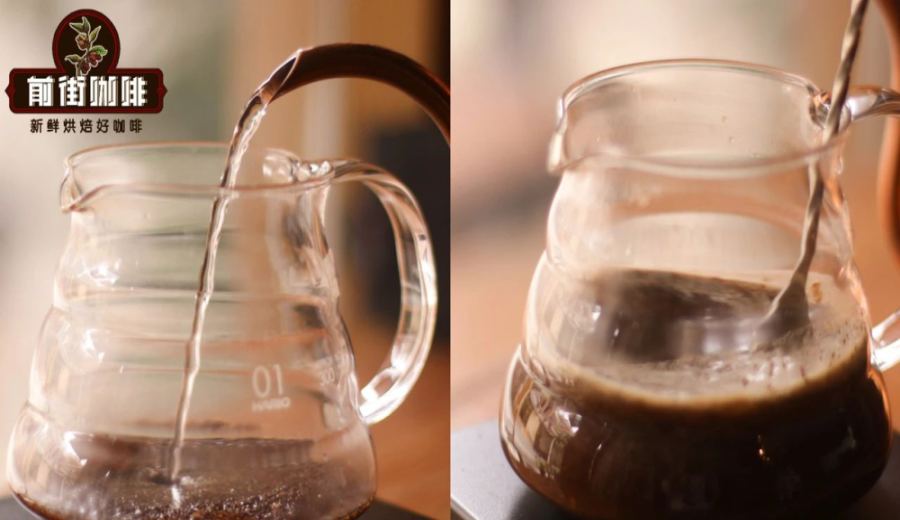
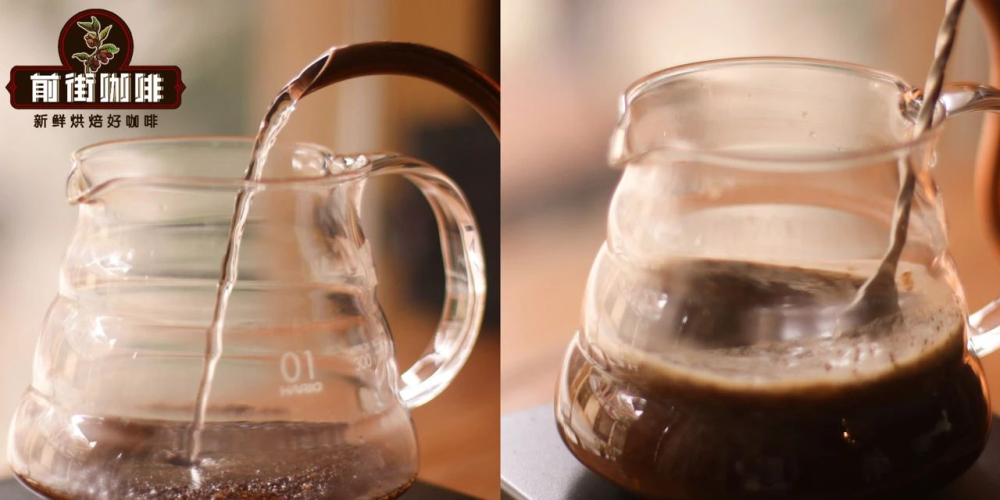
In terms of the brewing process, first add the coffee grounds and cold water into a clean, sealable container. Stir gently to ensure even contact between the grounds and water, then seal and refrigerate. The recommended steeping time is 8 to 12 hours. After steeping, use a filter cloth, paper filter, or sieve to separate the coffee grounds, pour the clear coffee liquid into another clean container, and store it back in the refrigerator. It can generally be kept for about 5 days, and it is recommended to consume it within this period to enjoy the best flavor.
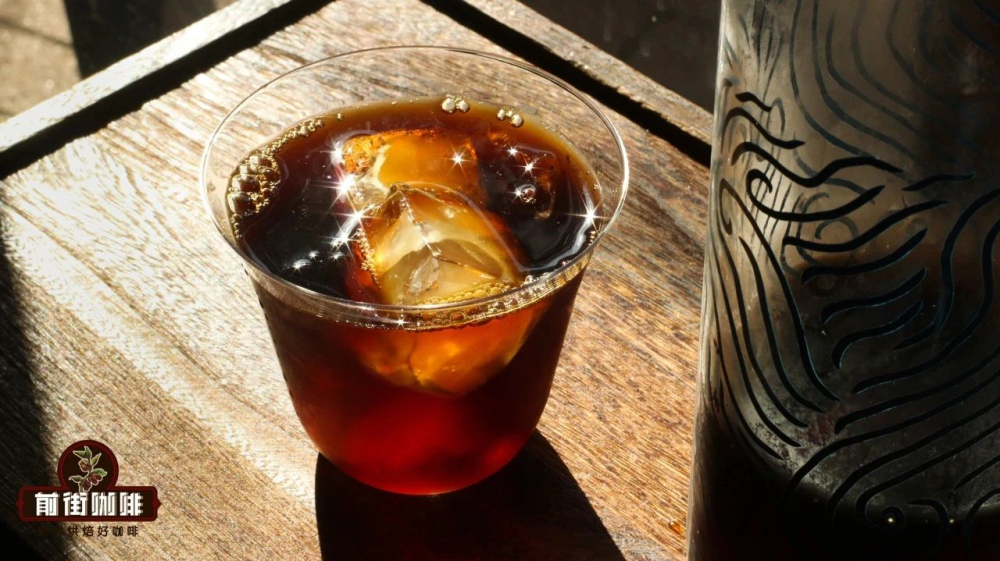
As for the common question “Can espresso beans be used for cold brew?”, the answer is yes—but adjustments to parameters are needed due to their fine grind characteristics. Since espresso beans are usually ground extremely fine, similar to flour, using them directly with standard cold brew ratios and times will result in over-extraction, leading to an overly intense, bitter taste, and even a powdery mouthfeel. To improve this, it is recommended to increase the coffee-to-water ratio to 1:14 and shorten the steeping time to about 3 hours, thereby reducing overall concentration and extraction intensity.
In a practical test using a medium-dark roasted Indonesian Mandheling as an example, with a grind as fine as powdered sugar (equivalent to espresso grind), using 50 grams of coffee grounds and 700 grams of cold water, steeped for 3 hours and then filtered, followed by 2 more hours of refrigeration, a more balanced flavor can be achieved. Due to the fine grounds potentially causing slow filtration and more suspended particles, it is recommended to let the filtered coffee sit in the refrigerator briefly after filtering to allow fine particles to settle, which can help improve smoothness when drinking. Additionally, considering the naturally bold and bitter characteristics of dark roast beans, adding ice cubes in moderation can not only alleviate the heaviness but also bring out dominant flavors such as spices, dark chocolate, and caramel, while adding a cool and refreshing layered experience.
The above content is compiled by CoffeeHunters, a coffee news website.


