







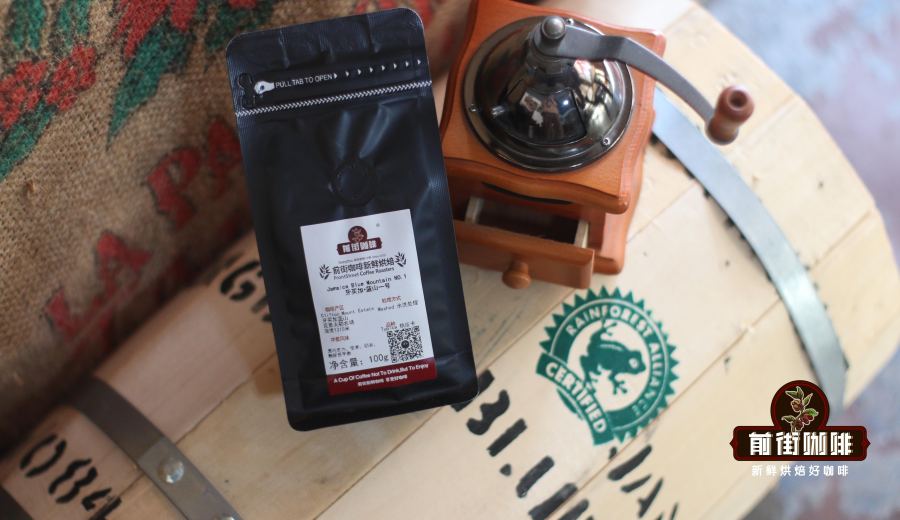
Introduction:Jamaica Blue Mountain No. 1 coffee beans are renowned as one of the world’s top-tier coffees, grown at the Clifton Estate in the Blue Mountains—a Rainforest Alliance-certified farm. Its balanced and richly flavored profile has won the hearts of coffee enthusiasts. This article will delve into the origin background and quality certifications of this medium-dark roasted coffee bean, and provide practical pour over parameters and techniques—including recommended grind size, water temperature, coffee-to-water ratio, and pulse pouring method—to help you fully highlight its layers of nutty, dark chocolate, and caramel sweetness. Even pour over beginners can easily master it.
Blue Mountain coffee has long been a legend in the specialty coffee world, and Jamaica Blue Mountain No. 1 is the most famous among them. These beans come from the Clifton Estate, the oldest plantation in the Blue Mountains and the only coffee farm in the region to be certified by the Rainforest Alliance. The certification standards of the Rainforest Alliance are extremely strict. In addition to limiting pesticide use, they evaluate the farm’s ecological environment, waste management, and sustainable agriculture practices. Only those that pass the audit are allowed to print the iconic green frog logo on their packaging, symbolizing a commitment to environmental friendliness and quality.
According to Jamaican government regulations, all Blue Mountain coffee beans must be shipped in wooden barrels, and each shipment is accompanied by official certification documents to ensure that consumers receive genuine products. These documents include a quality certificate issued by the Jamaica Coffee Industry Board, an authorized sales certificate from the producer, and a certificate of origin. The quality certificate specifies the inspection time and quantity, and samples are taken from the actual submitted packages for testing—only those that pass can receive certification. When purchasing through legitimate channels, you can identify whether the beans are truly Jamaica Blue Mountain No. 1 by these certificates and the wooden barrel packaging.
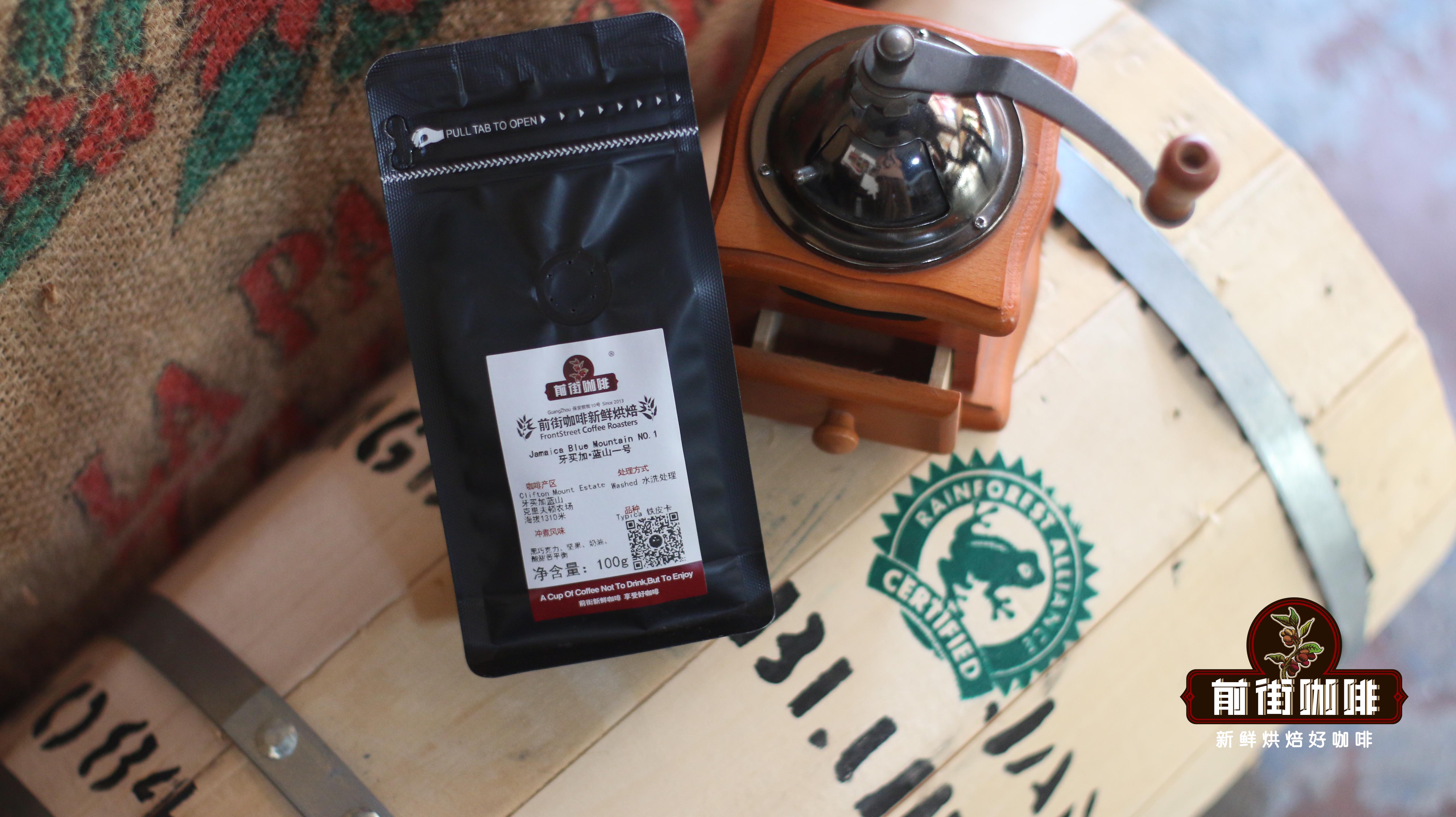
A well-known coffee shop’s Jamaica Blue Mountain No. 1 uses the Typica variety, one of the oldest and purest-flavored Arabica family varieties, naturally offering a clean, soft mouthfeel and distinctly layered flavor profile. Compared to other common commercial coffee varieties, Typica better showcases the delicate and balanced characteristics unique to Blue Mountain coffee. This coffee bean is medium-dark roasted, aiming to balance the expression of acidity, sweetness, and bitterness while retaining moderate fruit acidity and a rich body. During the roasting process, the roasters choose to finish just before the second crack to preserve some of the original acidity while making the flavor rounder and the structure more complete. Additionally, to ensure consumers enjoy the freshest flavor possible, these beans are usually shipped within five days after roasting, guaranteeing peak flavor condition.
Through multiple cupping sessions, this medium-dark roasted Blue Mountain No. 1 has been shown to exhibit a harmonious coexistence of three main flavor notes: gentle fruit acidity, rich dark chocolate tones, and pronounced caramel sweetness. This flavor combination allows it to gradually release a wealth of layers during the pour over process—from the initial freshness to the sweet aftertaste—delivering a very full and balanced overall drinking experience.
However, because medium-dark roasted coffee beans are generally slightly less dense and lighter in weight, issues such as floating coffee grounds and uneven water absorption can occur during the pour over process, especially during the initial pouring stage when the coffee bed may quickly form channels due to vigorous degassing, affecting the stability of overall extraction. Therefore, it is recommended to use a coarse water flow combined with a slow circular pouring technique to reduce channeling effects, ensuring that every coffee particle is evenly saturated and thereby improving extraction consistency and completeness.
It is recommended to use a KONO filter cone for pour over. The rib design and flow rate of this filter cone help extend the contact time between the coffee liquid and grounds, while moderately controlling the flow rate, which aids in the full release of flavor compounds. Specific parameters are as follows: the water temperature is recommended to be controlled at 88°C, the grind size ismedium-coarse grind(approximately equivalent to 70% passing rate through a Chinese standard 20-mesh sieve), the coffee dosage is recommended to be 15 grams, the coffee-to-water ratio is set to 1:15, with a total brewing water volume of 225 grams.
The pour over steps are recommended to be done in three pours: First, use double the coffee weight, 30 grams of water , for the bloom phase for about 30 seconds. At this stage, you can already clearly smell the pronounced caramel aroma. Then, slowly pour with a small stream of water in a circular motion from the inside out. When the cumulative poured water reaches 125 grams , pause the pour to let the coffee bed settle slightly. When the water level drops to about half the height of the filter cone, continue pouring with the same fine stream until you reach 225 grams. Finally, let it sit until all the coffee liquid has dripped through. The entire process takes about 2 minutes. After brewing, gently swirl the coffee in the server to blend the flavors, and it’s ready to enjoy.
The Jamaica Blue Mountain No. 1 brewed using the above parameters and steps delivers a cup where you can distinctly taste rich notes of nuts and dark chocolate upon entry, followed by silky caramel sweetness in the mid-palate. The overall mouthfeel is full-bodied with distinct layers, and the aftertaste is clean with a notable lingering sweetness. As long as you master the correct extraction parameters and details, even beginners can fully appreciate the unique charm of this legendary coffee.
The above content is compiled by CoffeeHunters, a coffee news website.


