







Introduction:Although both espresso and Americano are types of black coffee, they differ significantly in concentration, brewing methods, and flavor profiles. This article delves into the definitions, standard preparation processes, and core parameters of both, including the extraction conditions for espresso, the science behind crema formation, as well as the two common brewing methods for Americano. It also provides detailed practical data such as coffee dosage, coffee-to-water ratio, and extraction time, while explaining the preparation techniques for both iced and hot Americano. This helps readers fully grasp the differences and brewing essentials of these two classic coffees.
Walking into a café and seeing espresso and Americano on the menu often leaves many people puzzled. Both are black liquids, so why is one intense and strong while the other is relatively light and refreshing? In fact, these two coffees not only differ in concentration but also in brewing methods and flavor profiles. Understanding their distinctions can help you choose the coffee that better suits your taste.
The origin of Americano is actually related to World War II. At that time, American soldiers in Europe found the intense and highly concentrated espresso unfamiliar, so they asked for water to be added to dilute it, making the overall taste smoother and milder. This adjusted beverage gradually came to be known as "Americano," and was even jokingly called "sock coffee" by Europeans at one point, mocking its taste akin to that of a worn sock. Though meant as a joke, it reflects the significant difference in taste between the two types of coffee.
As for espresso, also widely known as Espresso, it is a concentrated liquid extracted under high pressure. Authentic espresso must be made using a professional espresso machine capable of delivering 9 bar pressure. When setting extraction parameters, it is generally recommended to use 20 grams of coffee grounds, with a 1:2 coffee-to-water ratio—extracting 40 grams of coffee liquid—and a time frame controlled between 25 to 30 seconds. Of course, these values may be fine-tuned based on the roast level of the coffee beans, grind size, and machine condition.
A high-quality espresso should first have a rich and intact crema (coffee foam). This golden layer of foam is not only a symbol of successful extraction but also directly impacts the expression of aroma and taste. The crema should evenly cover the surface of the liquid without any noticeable holes and carry a strong coffee aroma. Upon tasting, good espresso should feel smooth without any graininess, with a rich flavor yet not bitter, featuring a slight acidity and a distinct aftertaste of sweetness, with a lingering sweet sensation felt in the throat.
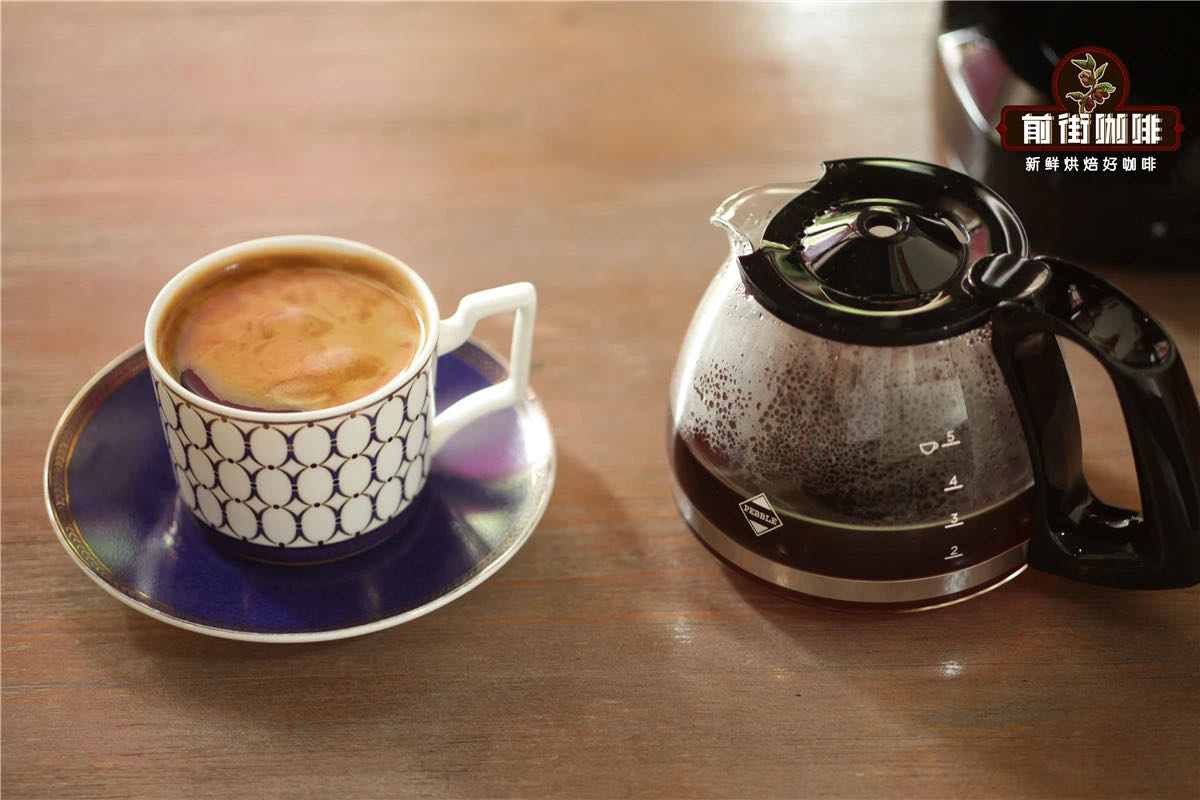
As for Americano, there are two common preparation methods: one is direct extraction using a drip coffee maker, and the other is diluting a small amount of espresso with hot or iced water. The former usually results in a lighter flavor, suitable for those who prefer a milder taste; the latter involves adding about 30-40 milliliters of espresso to 120-200 milliliters of water to adjust the concentration to a level suitable for everyday drinking.
If you want to try making espresso at home, it is recommended to choose a blend specifically designed for espresso extraction. These coffee beans are typically a mix of beans from different regions, such as Brazil and Colombia, and can showcase a rich layering of flavors after extraction, including notes of chocolate, nuts, and caramel, with a long-lasting sweet finish. In addition, the cleanliness of the portafilter basket, the even distribution of coffee grounds, and the tamping pressure all directly affect the stability of extraction and the final flavor.
Here is the standard espresso preparation process, using a common double shot as an example: First, ensure the portafilter basket is completely dry with no residual moisture; next, use an electronic scale to accurately weigh 20 grams of coffee grounds, keeping the error within ±0.1 gram as much as possible; then distribute the grounds evenly to ensure a flat surface layer; tamp the coffee grounds with appropriate pressure (about 30 pounds); after lightly tapping the handle to remove excess coffee grounds, mount the handle onto the machine and begin extraction. The ideal extraction time is 25 to 30 seconds, yielding 40 grams of espresso liquid.
Since the extracted espresso is quite concentrated, most people choose to add water or milk to adjust the taste. To make an iced Americano, start by adding about 100 grams of ice cubes, followed by 120 grams of cold water, and finally pour in a shot of espresso, roughly in a 1:3 ratio, resulting in a refreshing taste that retains the original flavor of the coffee. For a hot Americano, it is recommended to use 160 to 200 grams of hot water (around 85-90°C), pour the espresso into it, and it’s done—the ratio can be adjusted according to personal taste.
In summary, the difference between espresso and Americano lies not only in concentration but also in brewing craftsmanship, flavor expression, and drinking methods. Understanding these details not only helps you make more informed choices when ordering at a café but also enables you to more accurately replicate professional-level coffee flavors at home.
The above content is compiled by CoffeeHunters, a coffee news website.


