







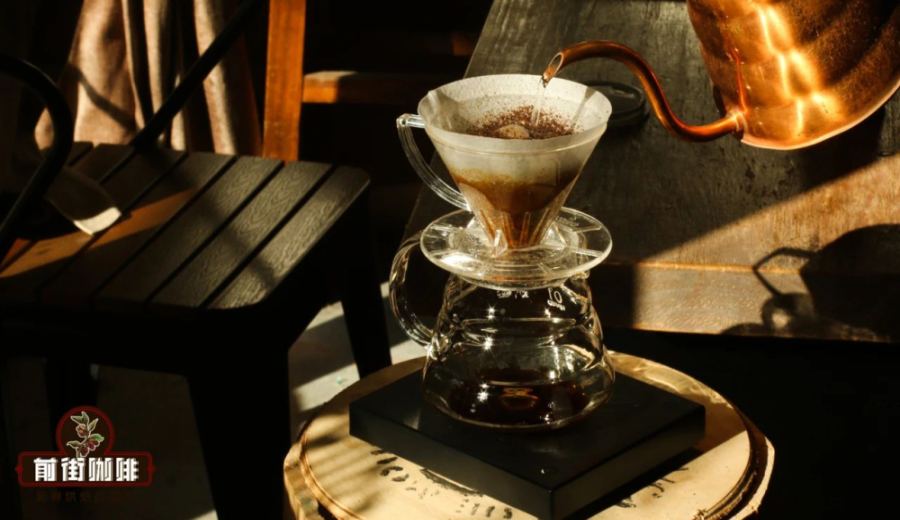
Introduction:Want to easily brew a delicious pour over coffee at home? This article will start from the basic principles, detailing the selection of key equipment such as the pour over kettle, filter cone, and grinder, analyzing core parameters like grind size, water temperature, and coffee-to-water ratio, and deeply introducing the flavor profiles of six classic Arabica beans from the three major producing regions of Africa, the Americas, and Asia. Finally, it provides complete pour over steps, including blooming, pouring techniques, and time control, to help you easily master your own coffee flavor.
Brewing a satisfying pour over coffee at home is actually not difficult. By mastering the basic principles and understanding equipment selection and key parameters, even beginners can brew coffee with unique flavors. This article will systematically explain the beginner knowledge of pour over coffee, from equipment selection to parameter setting, then to the flavor characteristics of Arabica beans from six major producing regions, and finally provide detailed operation steps, allowing you to get started easily and enjoy the fun of pour over brewing.
The charm of pour over coffee lies in its flexibility and personalization. Simply put, it involves evenly pouring hot water over coffee grounds, extracting through the filter paper and filter cone, with the whole process taking about three to four minutes. Since the pouring speed, direction, and water temperature are all controlled by the brewer, the flavor of each brew may vary slightly. Although not many tools are required, it does demand a certain level of technique and experience, which is also what makes it more exploratory and enjoyable.
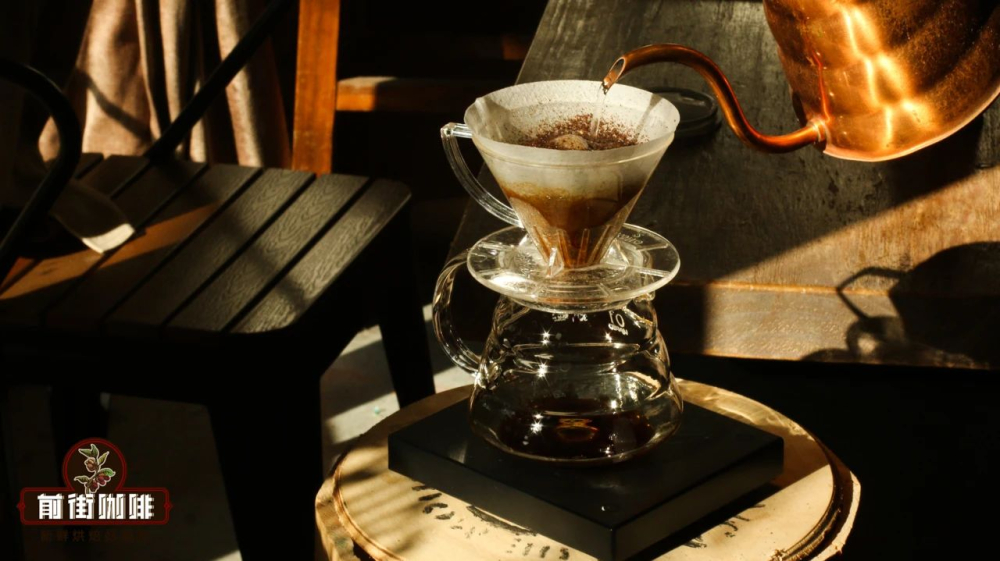
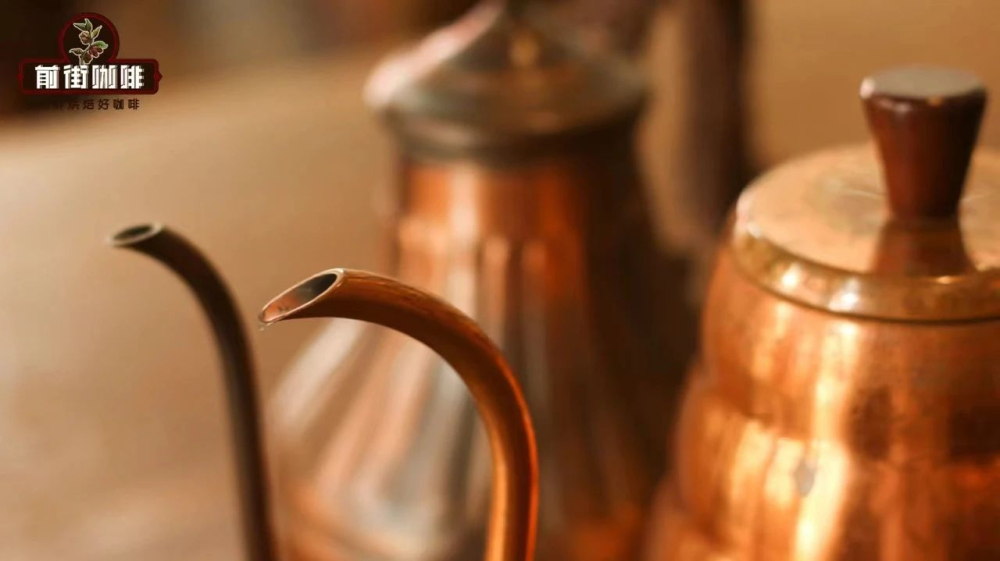
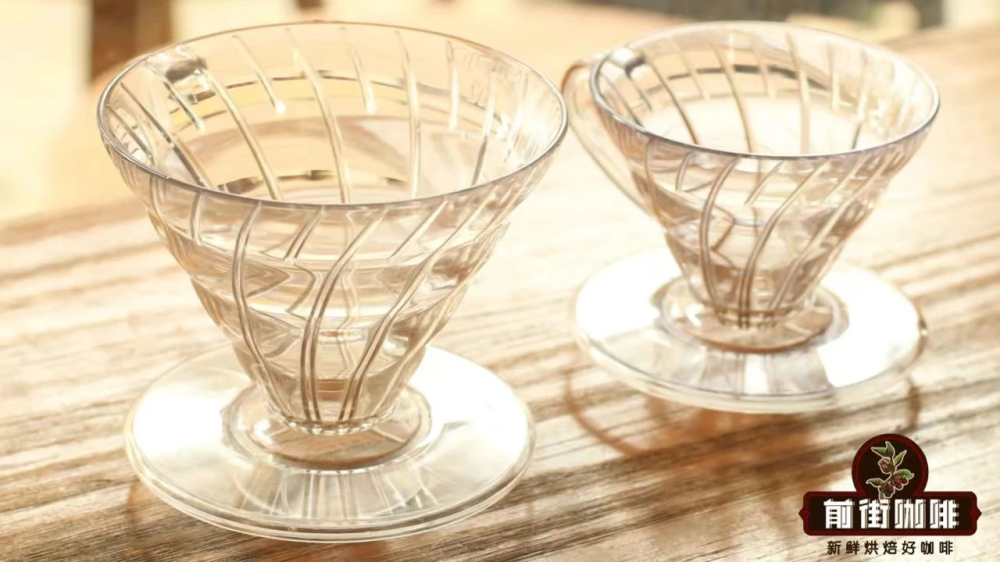
The choice of pour over equipment directly affects the final flavor. First is the pour over kettle; there are many styles on the market, but it is recommended that beginners choose a narrow-spout gooseneck kettle (see the image below). This design allows for more precise control of the water flow, helping to stabilize pouring. Next is the filter cone, which commonly comes in three shapes: fan-shaped, conical, and wave-shaped. Fan-shaped cones have smaller holes, slower flow rates, and produce a richer coffee taste; conical cones have larger holes, faster flow rates, and yield a lighter flavor; wave-shaped cones have flat bottoms and require special filter paper, offering a relatively balanced taste. Metal filter cones don’t require filter paper and can retain more oils for a richer taste, but they may not fully filter out fine particles, making them suitable for users who prefer a bold flavor.
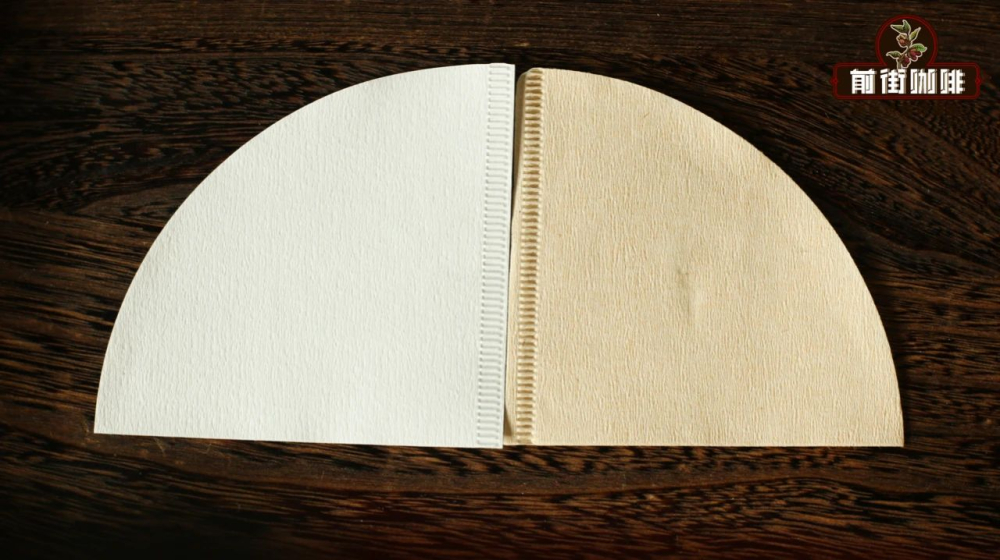
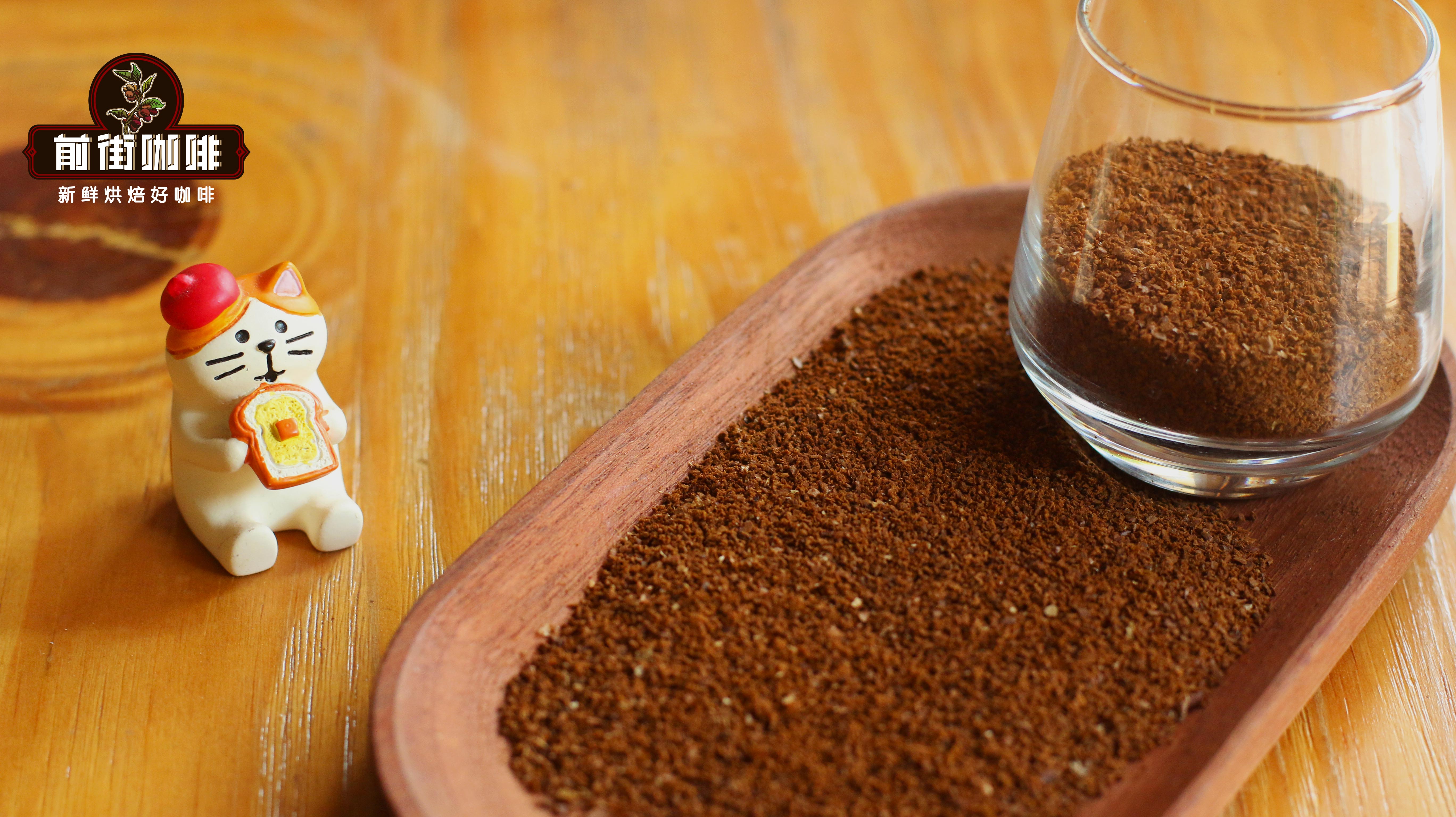
Filter paper is also an important element, with each type of filter cone having a corresponding model. Filter paper can absorb some off-flavors and oils, and unbleached filter paper may sometimes carry a slight paper taste, which can be chosen based on personal preference. As for the grinder, freshly ground coffee preserves the most freshness, and the grind size and uniformity are key factors affecting flavor. The ideal pour over grind size is similar to granulated sugar, and the more uniform the particles, the more stable the extraction (see the image below). Depending on the roast level, medium-light to medium roasts are suited for medium-fine grinding (75-80% extraction rate using a Chinese No. 20 standard sieve), while medium-dark to dark roasts are suited for medium-coarse grinding (65-70% extraction rate).
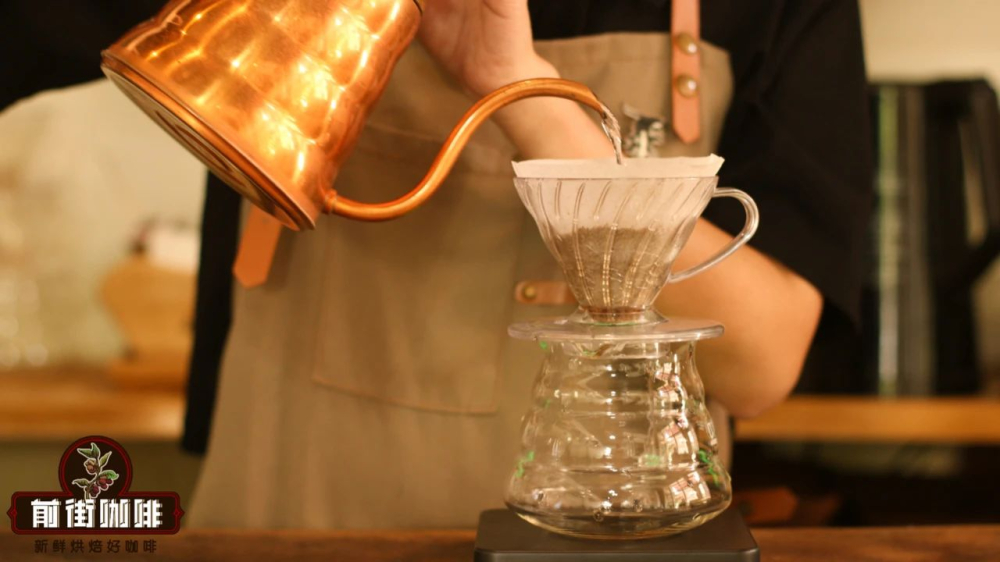
Other auxiliary equipment such as an electronic scale, thermometer, and timer can help more precisely control parameters. Different roast levels of coffee beans suit different water temperatures: medium-light to medium roasts are recommended at 90-92°C, while medium-dark to dark roasts are suited for 87-89°C. The coffee kettle and cup are recommended to be preheated to maintain coffee temperature. Of course, the most important material is freshly roasted Arabica coffee beans; it’s advisable to choose beans with distinct flavors and reasonable prices, which can mainly be divided into three major producing regions by geography: Africa, the Americas, and Asia.
From Africa, Ethiopia’s washed Yirgacheffe features white floral notes, citrus, lemon, nuts, and a tea-like feel, offering a bright and refreshing flavor (see the image below). From the Americas, Colombia’s Huila coffee presents a blend of dark chocolate, cream, caramel, and cookie aromas. Brazil’s Cerrado coffee is dominated by cream, peanuts, almonds, and cocoa, with a smooth mouthfeel. Costa Rica’s Tarrazú coffee showcases a balance of nuts, sweet orange, and chocolate.
From the Asian producing region, China’s Yunnan small-grain coffee features characteristics of nuts, brown sugar, chocolate, and a tea-like taste, while Indonesia’s Mandheling excels in spice, herbal, sandalwood, caramel, and toast flavors, with a rich and full-bodied mouthfeel (see the image below). These beans from different producing regions offer a rich variety of flavors for pour over brewing.
In actual operation, first grind the coffee beans to a sugar-like coarseness, and it’s recommended to sift out overly fine powder to avoid clogging the filter paper. The amount of coffee should be about half to two-thirds of the filter cone capacity—too much may cause overflow, and too little may make water flow hard to control. When boiling water, a coffee-to-water ratio of 1:15 is suggested, with water temperature controlled around 90°C, which can be slightly adjusted based on personal taste.
Before starting, fold the filter paper in half and fit it into the filter cone, then rinse and preheat the cone with hot water, while also removing any filter paper odor, after which discard the preheating water. After placing the coffee grounds into the filter cone, gently tap the sides to flatten the surface. Once timing starts, the first pour should begin from the center, spiraling outward and then back to the center, evenly wetting all coffee grounds before stopping. At this point, the coffee grounds will emit white bubbles and gradually expand—this step is called blooming, and you should wait about 30-40 seconds.
When the foam begins to collapse, proceed with the second pour, again starting from the center and spiraling. Maintain an even and stable water flow throughout the pouring process. The entire pouring process is recommended to last over 2 minutes; for dark roasts, the total time is suggested to be 2 to 2 minutes 20 seconds, and for medium-light roasts, about 2 to 2 minutes 10 seconds. Finally, gently shake the coffee liquid in the kettle to mix it evenly, then pour it into the cup to enjoy your unique pour over flavor.
The above content is compiled by CoffeeHunters, a coffee news website.


