







Introduction:This article delves into the unique flavor characteristics of the Yirgacheffe region in Ethiopia, exploring everything from its origins, the differences between washed and natural processing methods, to the suitability of SOE (Single Origin Espresso). It will help you understand why Yirgacheffe has become the top choice for specialty coffee lovers worldwide. Detailed brewing parameter suggestions for both pour over and espresso extraction are also provided to help you fully master the art of brewing this classic coffee bean.
Yirgacheffe in Ethiopia is a globally renowned specialty coffee region, famous for its distinctive citrus acidity, white floral notes, and honey-like sweetness. This town located in southern Ethiopia was originally part of the Sidamo region but gradually developed into an independent and well-known coffee-producing area due to the introduction of washed processing techniques that created its uniquely profiled cup.
The so-called “Yirgacheffe flavor” is mainly characterized by bright lemony acidity, elegant floral aromas, and soft honey-like sweetness. The overall cup is clean and refreshing—unlike the heavy bitterness of dark-roasted coffee, it’s more like sipping a pleasant fruit tea. If you haven’t yet experienced the classic “Yirgacheffe taste,” it’s recommended to start with a medium-light roasted, washed pour over bean.
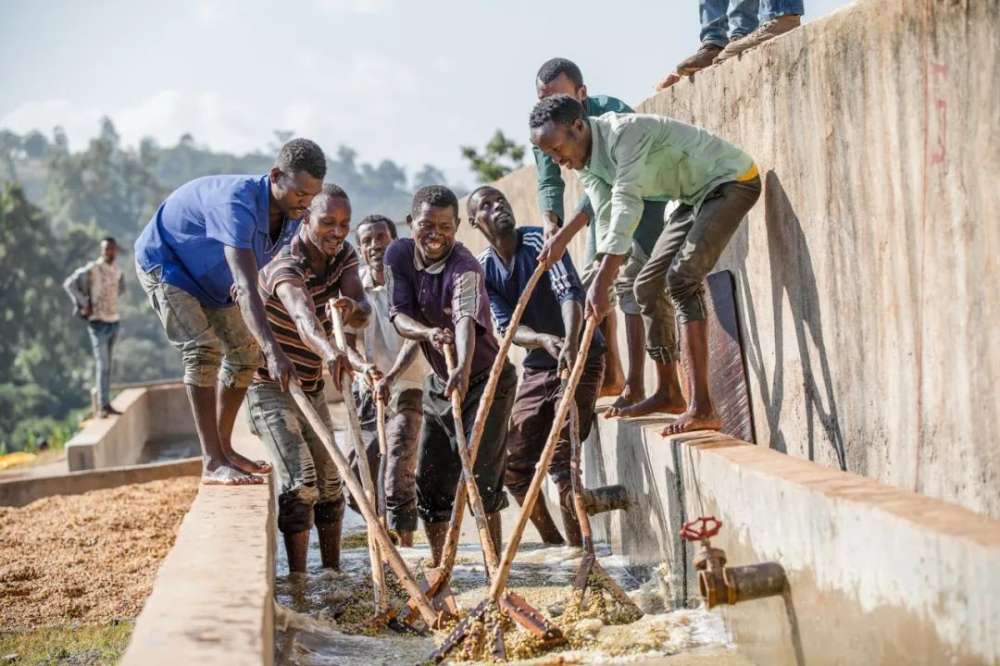
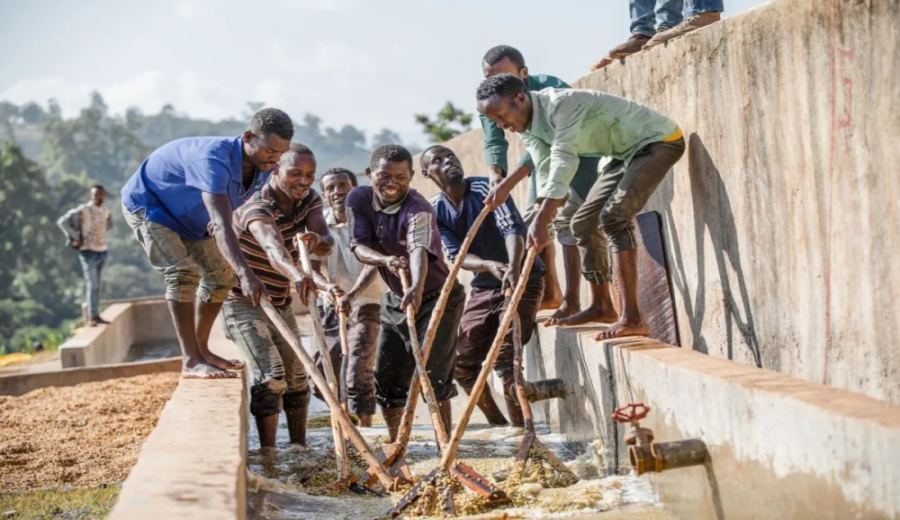
The reason Yirgacheffe coffee forms such a distinct flavor profile lies not only in its exceptional natural conditions but also crucially in the application of washed processing techniques. As early as the 1970s, the region established the first modern washing station in the Sidamo region, introducing sophisticated washed processing equipment and technical workflows from South America. This innovation allowed the coffee beans to shed impurities while better preserving their fruity acidity and floral-fruity aromas, further enhancing the clean and bright taste characteristics.
Washed processing relies on a stable water source and sound infrastructure, and the Yirgacheffe area happens to have abundant natural springs, especially the clean river water flowing through the Gedeo zone, which provides ideal conditions for washed processing. Etymologically, the term “Yirgacheffe” in the local ancient language means “to find a dwelling place in the marshland,” reflecting its geographical character of being born by the water.
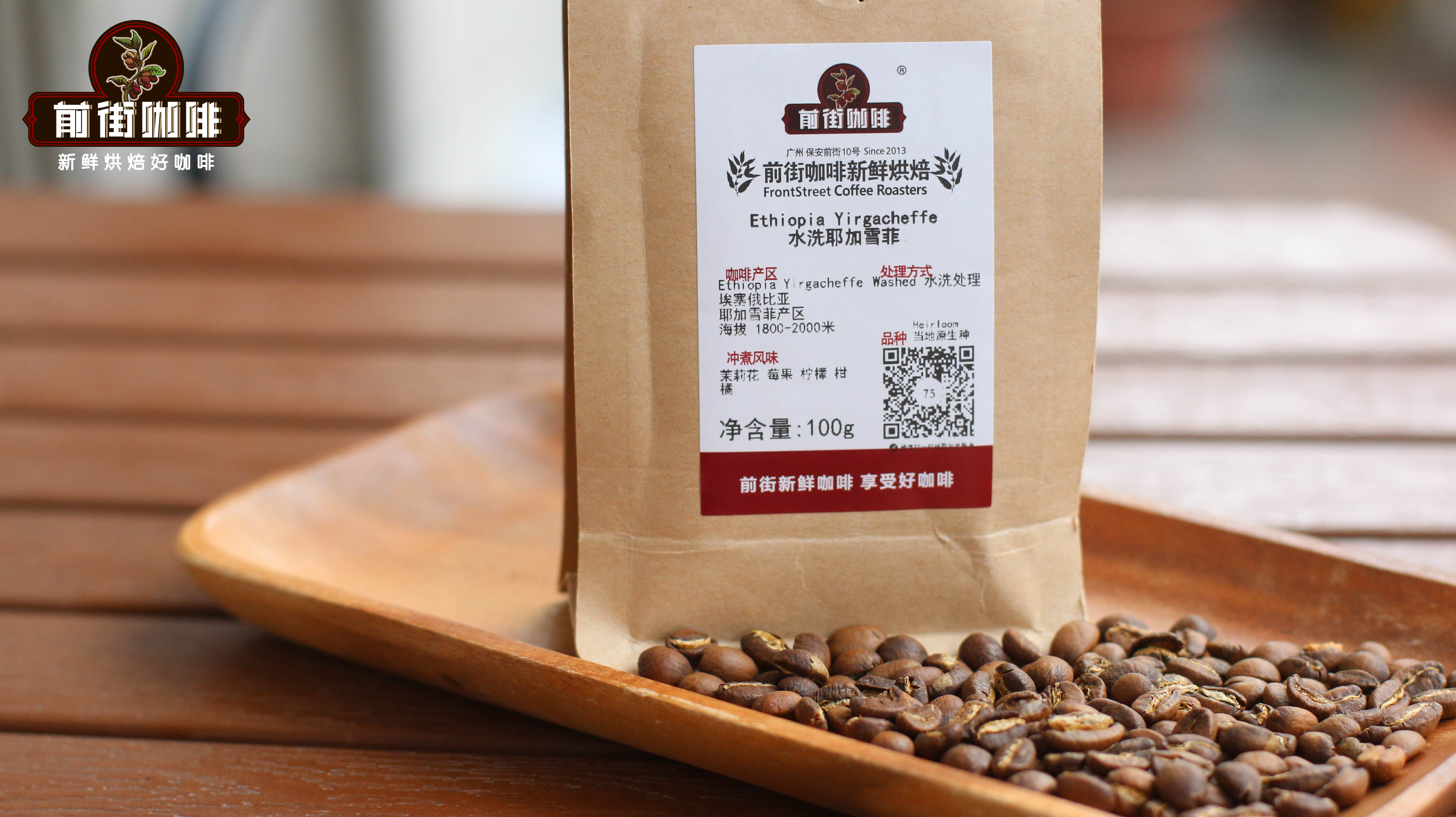
When we talk about the “Yirgacheffe flavor,” we are actually referring to a specific set of sensory characteristics: high-toned citrus and lemony acidity, elegant white floral or jasmine aromas, paired with clearly layered sweetness and a clean, residue-free aftertaste. According to the classification standards of the Ethiopian Commodity Exchange (ECX), in addition to the town of Yirgacheffe itself, surrounding regions such as Wenago, Gedeb, and Kochere also produce coffee beans that can be categorized under this flavor type.
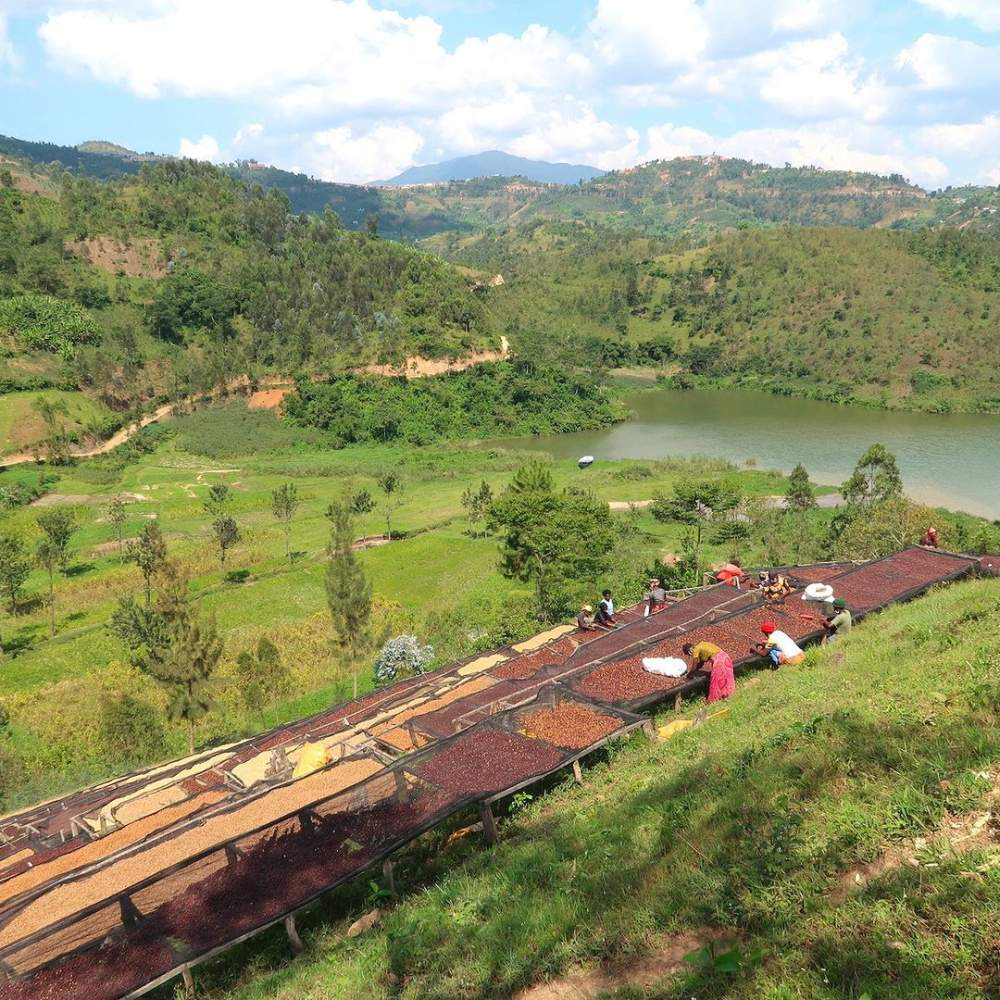
Among the many coffee cooperatives in the Yirgacheffe region, the Konga Cooperative stands out particularly. Composed of over two thousand coffee farmers, this cooperative organization is located in the iron-rich Gedeo region, where its deep and fertile soil (over 1.5 meters in depth) provides an ideal growing environment for coffee trees. The rich iron content in the soil aids chlorophyll synthesis, thereby promoting photosynthesis and the accumulation of fruit nutrients.
The Konga Cooperative operates the dedicated Woter Konga washed processing station, making full use of the Woter River water resources. The coffee cherries are processed through standardized procedures: first, the outer skin and pulp are mechanically removed, then the mucilage-covered seeds undergo temperature-controlled fermentation, followed by rinsing with clean spring water to remove residual mucilage, and finally drying on African-style raised beds until the moisture content reaches the standard level. In addition, the cooperative also produces intensely flavored natural batches, where the parchment coffee is slowly dried for 10 to 12 days under shaded drying beds, resulting in a richer juiciness and rounded floral aroma.
Is Yirgacheffe suitable for making Single Origin Espresso (SOE)? The answer is yes. Its bright fruit acidity and floral-fruity aromas, under appropriate roasting and extraction conditions, can be fully expressed in espresso. Typically, Yirgacheffe is roasted to a medium-light level to highlight its fresh characteristics, but for SOE applications, some batches are adjusted to a medium roast to balance the fruit acidity and caramelized flavors.
In practice, the recommended extraction parameters for SOE are a brew ratio of 1:2 (for example, 20 grams of coffee grounds yielding 40 grams of espresso), with a total extraction time controlled within 30 to 35 seconds. Since medium-light roasted beans have a tighter cell wall structure, extending the extraction time moderately helps fully release the flavor compounds, avoiding overly sharp acidity or a thin mouthfeel.
Espresso made from Konga SOE coffee beans offers layers of cranberry, citrus, and lightly roasted biscuit when sipped directly; when diluted at a 1:5 ratio with water to make an Americano, it presents a refreshing lemon acidity and delicate floral notes; and when combined with 1:4 fresh milk to make a latte, it showcases a smooth milk foam integration and a mellow sweet aroma. No matter which brewing method you choose, Yirgacheffe showcases the diverse charm of a classic coffee origin.
The above content is compiled by CoffeeHunters, a coffee news website.


