







Introduction:The charm of pour over coffee lies in its ability to precisely showcase the unique flavors of beans from different regions. This article delves into the pour over techniques for four classic origins—Yirgacheffe, Mandheling, Kenya, and Brazil—covering the scientific pairing of coffee freshness, grind size, water temperature, and brew ratio. It provides practical parameters, step-by-step guidance, and explains bean resting and degassing principles, filter calibration methods, and the application of the Golden Cup theory to help you master the optimal extraction for each bean.
Ethiopian Yirgacheffe, Indonesian Mandheling, Kenya, and Brazil—these four globally renowned single-origin coffee beans each boast distinct regional flavor profiles, but brewing them to their fullest potential is far from intuitive. This article will focus on the four key elements of pour over coffee—freshness, grind size, water temperature, and brew ratio—and provide detailed brewing parameters and practical techniques for representative beans from these four origins, along with supplementary explanations on bean resting and degassing, filter calibration, and Golden Cup extraction theory, so you can brew professional-grade coffee at home.
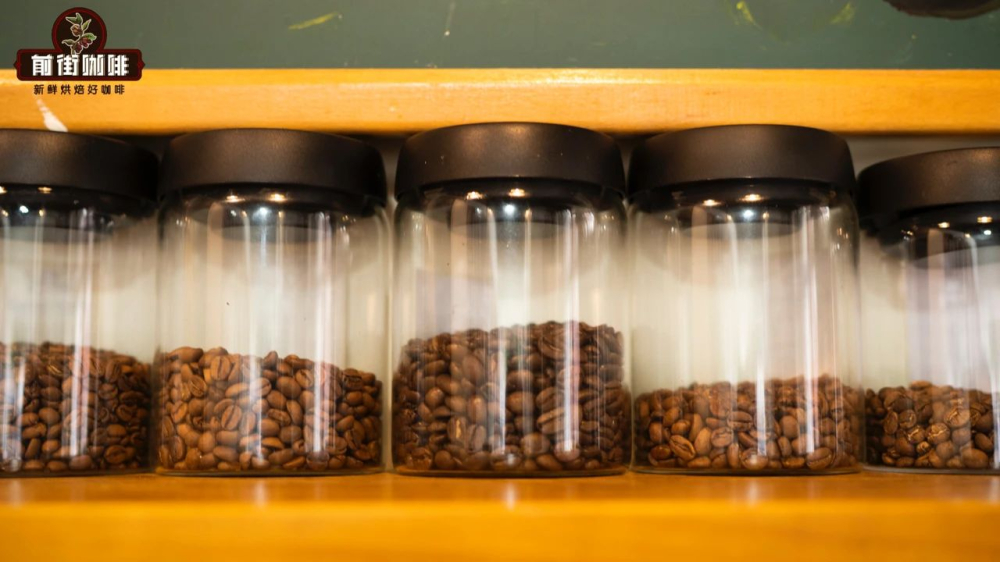
First, let’s talk about coffee bean freshness. Many people mistakenly believe that "the fresher, the better," but in reality, beans right after roasting release a large amount of carbon dioxide, which can actually hinder extraction. The so-called optimal drinking window refers to the period after 3–4 days of resting, approximatelywithin 3–15 days after roasting, during which the beans’ flavors are most complete. It’s worth noting that even if the packaging claims a shelf life of up to a year, the flavor often deteriorates significantly after more than a month, so it’s recommended to use the beans within30 days of purchaseto experience the true depth of coffee flavors.
The so-called "resting" is actually the process of coffee beans releasing carbon dioxide. Freshly roasted beans, due to the tiny fissures created during roasting, continuously release aroma and carbon dioxide. If the carbon dioxide hasn’t been fully released during grinding, it can impede the contact between water and coffee grounds during brewing, leading to under-extraction. Over time, as carbon dioxide gradually dissipates, water and coffee grounds make better contact, and the flavors become more complete. Therefore, many people more commonly refer to this process as "letting the beans breathe" or "degassing."
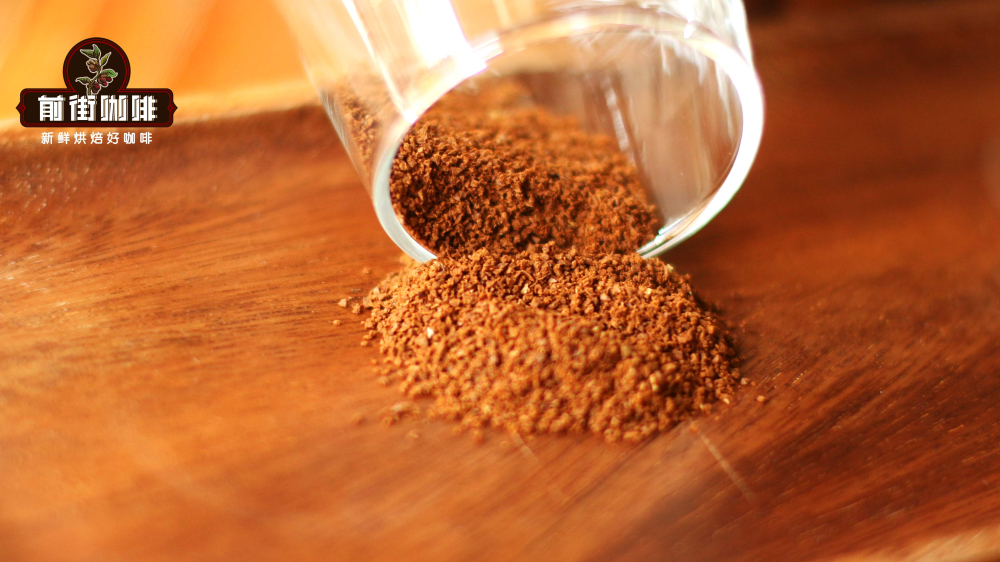
Grind size is one of the key factors influencing the flavor of pour over coffee. Since each grinder’s design and wear level differ, even the same beans can yield vastly different particle sizes across devices. To ensure stable extraction, it’s recommended to calibrate using a standard sieve. For example, a certain brand usesa Chinese national standard No. 20 (850 microns) sieve, and according to SCAA cupping standards, a passing rate of 70–75% is ideal. For light-roasted beans, the brand typically sets the grind size toa 75–80% passing rateto achieve the optimal extraction effect.
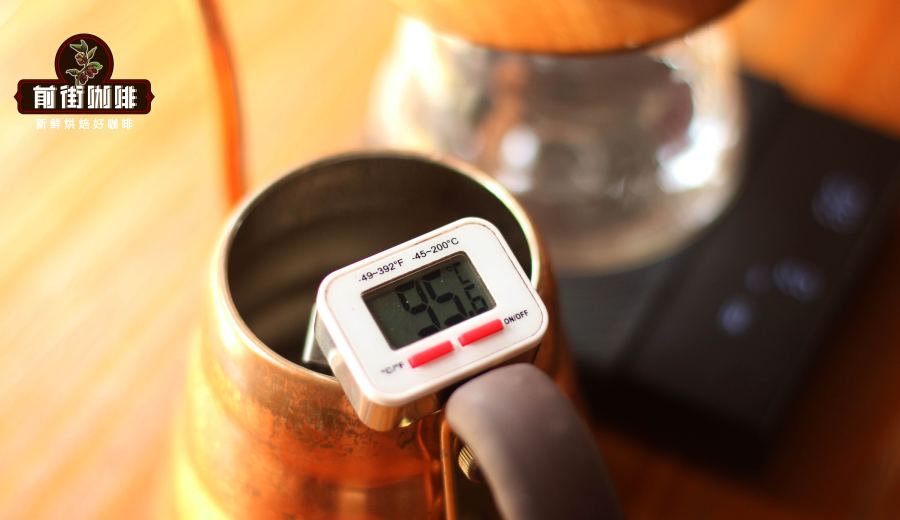
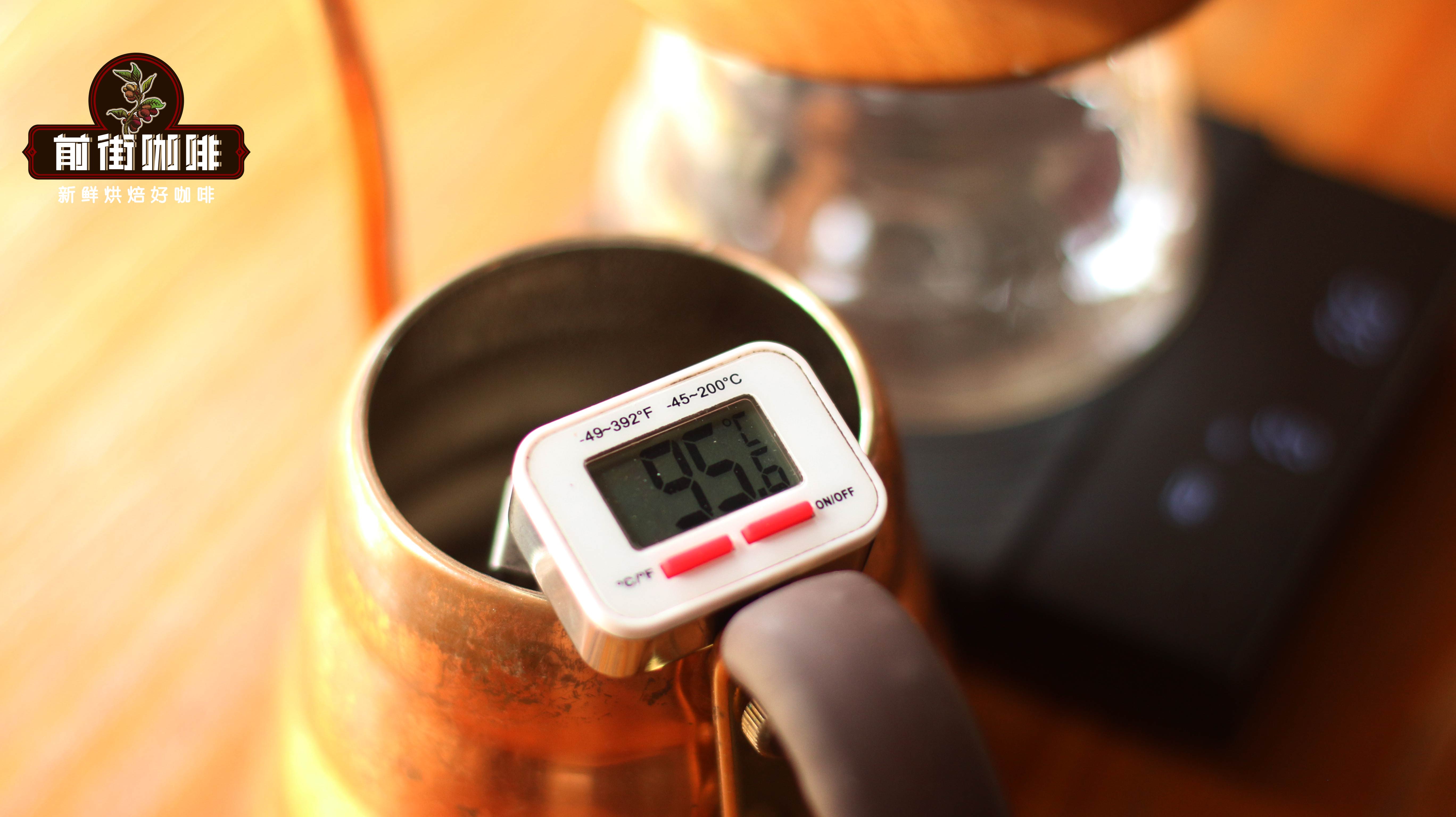
Water temperature is also an essential factor in pour over coffee. The general recommended range is86–93°C, but the specific temperature should be adjusted based on roast level. Light-roasted beans (such as Yirgacheffe Gu Ding Ding), with their delicate flavors, suit a higher water temperature of around90–91°C; whereas dark-roasted beans (such as Golden Mandheling) are better brewed with a slightly lower temperature of around88–89°C. In short, the darker the roast, the lower the water temperature (86–89°C); the lighter the roast, the higher the water temperature (90–93°C)—this way, the beans’ full potential flavors can be fully extracted.
Brew ratio directly affects the strength and flavor profile of the coffee. According to the SCA Golden Cup extraction theory, different ratios yield distinctly different taste experiences:bold (1:10–1:11, approx. 1:12.5–1:13.5),medium (1:12–1:13, approx. 1:14.5–1:15.5), andlight (1:14–1:16, approx. 1:16.5–1:18.5). A certain brand recommends a1:15 brew ratio, which balances flavor harmony and a refreshing taste, making it an ideal choice for most single-origin beans. Note that the larger the brew ratio, the lighter the coffee tastes; conversely, the stronger it becomes. Adjustments can be made based on personal taste preferences.
With these four elements understood, let’s now look at the specific brewing methods for representative beans from the four origins.
First up is Ethiopian Yirgacheffe. These beans from the Gedeo Zone region are known for their bright fruity aromas, crisp acidity, and light, refreshing taste. A certain brand uses a medium-light roast to highlight its floral and fruity notes. The recommended setup includes aV60 filter, coffee dosage15g, brew ratio1:15, water temperature90°C, and amedium-fine grind (20号筛网通过率78%). The brewing technique employs a three-stage method: start with30g water for a 30-second bloom, then pour in small circles to reach125g (first pour), wait for the water level to drop, then pour to225g(final pour), with a total extraction time of about1 minute 55 seconds
. The flavor profile features citrus and black tea as the main notes, with undertones of cream, caramel, and almonds emerging as the temperature changes, resulting in a clean and sweet mouthfeel.Indonesian Mandheling is renowned for its rich herbal and spicy notes and full body. A certain brand selects Golden Mandheling from Gayo Mountain, Aceh, Sumatra, and uses a medium-dark roast to enhance its bold characteristics. It’s recommended to use aKono filter15g, coffee dosage1:15, brew ratio88°C, water temperature, and amedium-fine grind (20号筛网通过率73%). The same three-stage extraction is used: begin with a30g water bloom for 30 seconds, then pour to125g (first pour)225g, and finally pour to(final pour), with a total time of about
2 minutes 15 seconds. The flavor layers are complex, featuring notes of nuts, caramel, and chocolate, with a long-lasting finish and excellent balance.Kenyan coffee is characterized by bright acidity paired with a full body, and its berry-like juiciness is particularly memorable. The recommended Assaria beans from the Thika region are of the SL28 and SL34 varieties, processed with a 72-hour washed method. It’s suggested to use a15gV60 filter1:15, coffee dosage91°C, brew ratio, water temperature, and amedium-fine grind (20号筛网通过率77%). The brewing method is a staged approach: start with a30g water bloom for 30 seconds, then pour95g (approx. 125g), followed by another pour of100g (approx. 225g)when the water level drops to two-thirds of the coffee bed, with a total extraction time of about
2 minutes. The flavors present as dark plum and cherry tomato acidity, with prominent sweetness in the mid-palate and undertones of berries and green tea in the finish.Finally, there’s the Brazilian Queen Estate Yellow Bourbon, known for its nutty and cocoa aromas, full body, bright acidity, and smooth mouthfeel. It’s recommended to use a15gKono filter1:15, coffee dosage88°C, brew ratio, water temperature, and amedium-fine grind (20号筛网通过率75%). The brewing method is also a three-stage approach: start with a30g water bloom for 30 seconds, then pour to225g125g (first pour), and finally pour to(final pour)
The above content is compiled by CoffeeHunters, a coffee news website.


