







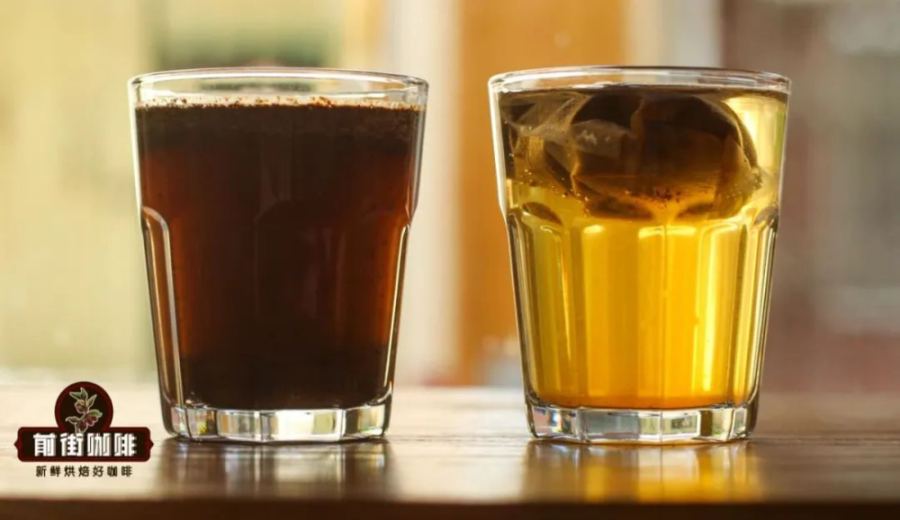
Introduction:Want to easily make a refreshing and sweet cold brew coffee at home? This article breaks down the cold brew process in detail, covering key elements such as bean selection, grind size, coffee-to-water ratio, steeping time, and temperature control. It also provides practical advice and common troubleshooting tips to help you avoid frequent issues and master the secrets to consistently brewing delicious cold brew.
On a hot summer day, a cool and smooth cold brew coffee is many people’s go-to choice for beating the heat. Compared to traditional iced coffee, cold brew is made by steeping coffee grounds in cold water for an extended period, followed by filtration. Though the process isn’t complicated, each step holds details that can elevate the flavor. This article will delve into the key aspects of making cold brew, including how to choose the right coffee beans, adjust grind size and coffee-to-water ratio, control water temperature and steeping time—guiding you step-by-step to produce a clean, sweet, and layered iced coffee.
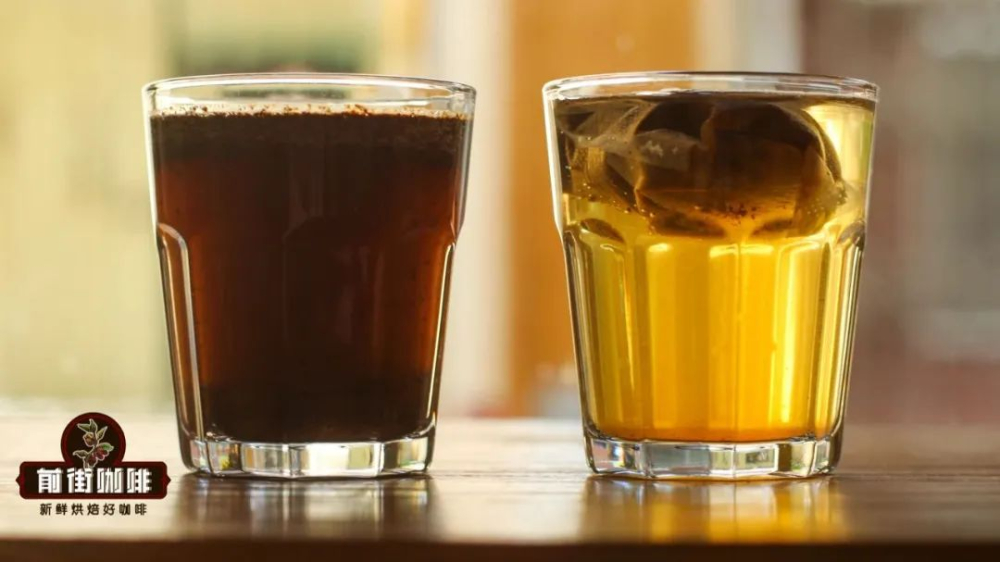
The market offers a variety of iced coffee options, such as affogato which combines ice cream, slow-extracted ice drip coffee, or cold brew coffee made by steeping coarse grounds in cold water for a long time—all popular summer items. Among them, cold brew coffee (English: Cold Brew Coffee) involves steeping coarsely ground coffee in cold water for at least 8 hours or more, then separating the grounds through a filter. This method doesn’t require professional equipment; just master a few key parameters, and you can enjoy a delicious cold brew at home.
So, what aspects should you focus on to make a cold brew coffee with balanced flavor and a smooth mouthfeel? The following will explain key settings and practical suggestions from the perspectives of bean type, grind size, coffee-to-water ratio, water temperature, and time.
Recommended Cold Brew Coffee Beans and Selection Tips
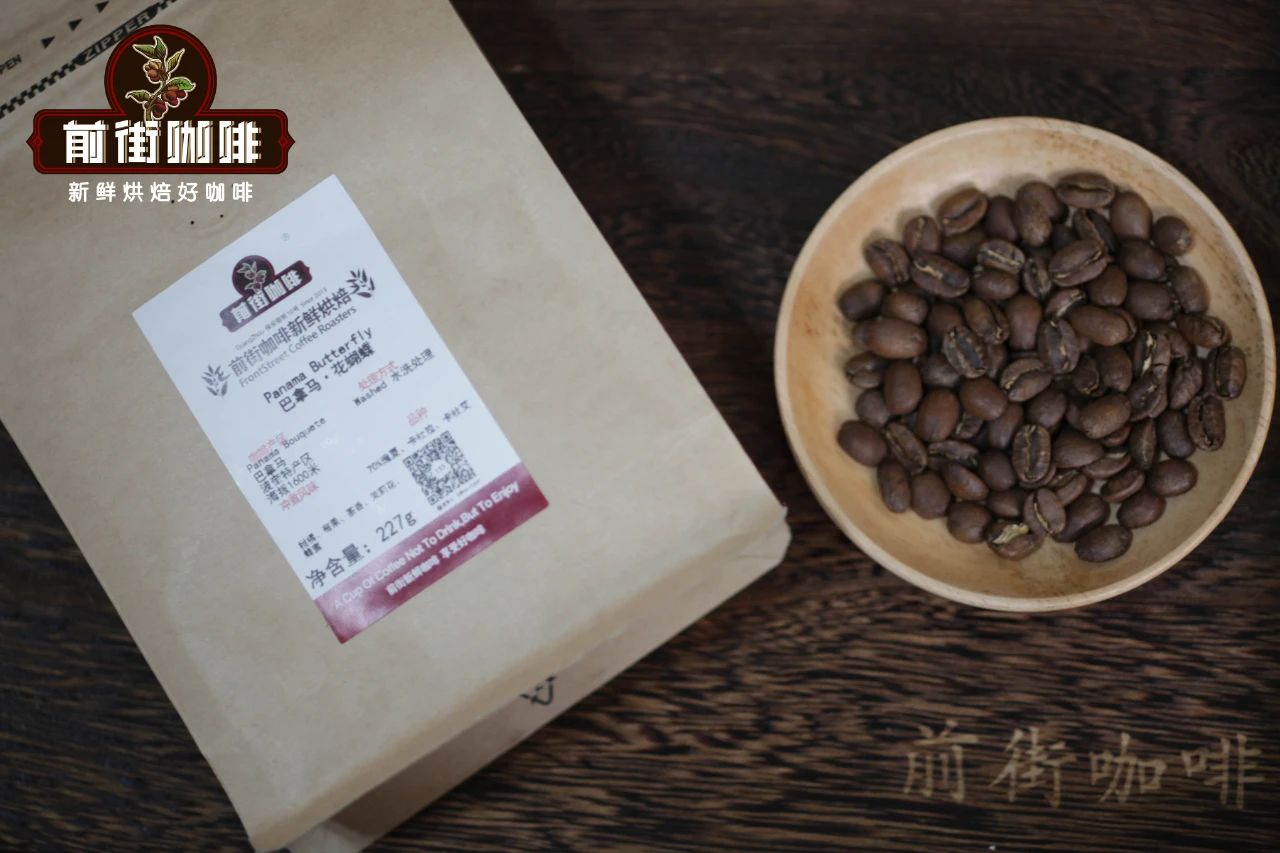
Cold brew coffee aims for a clean and layered taste, so it’s recommended to prioritize medium to light roasted beans. These beans typically showcase more floral notes, fruity acidity, and tea-like qualities. Overly dark roasts tend to produce burnt, bitter, or smoky flavors, which may make the cold brew taste heavy.
For example, washed beans often have clear fruity acidity and citrus notes, suitable for those seeking a fresh taste; whereas naturally sun-dried or specially processed beans may bring out rich berry, honey, or wine-like aromas, adding depth and complexity to the cold brew. Choosing freshly roasted coffee beans can also ensure more vibrant flavor expression.
Grind Size Settings for Cold Brew Coffee
The extraction principle of cold brew relies on long-term soaking in cold water, so the extraction efficiency is relatively low, and over-extraction is almost unlikely to occur. It’s recommended to adjust the grind size to a medium-coarse level similar to pour over, using a 20-mesh standard sieve with about 85% passing rate as a reference, while minimizing the proportion of fine particles.
Too many fine particles not only prolong the filtration time but may also cause the coffee liquid to feel gritty or affect the overall smoothness of the mouthfeel. Therefore, controlling the coarseness appropriately during grinding can result in a clearer texture and a smoother drinking experience for your cold brew.
Recommended Coffee-to-Water Ratio and Ice-to-Water Ratio
The coffee-to-water ratio is one of the key factors affecting the concentration and flavor profile of cold brew. Based on practical experience, it’s recommended to use a 1:8 ratio of coffee grounds to water, with an equal amount of ice added, translating to an actual coffee-to-water ratio of about 1:12. The purpose of adding ice is to maintain a low water temperature, ensuring stable extraction and preventing flavor imbalance caused by temperature fluctuations.
This ratio produces a cold brew with moderate strength, suitable for most people’s taste preferences. Of course, you can also adjust the amount of coffee or water slightly according to your personal taste to find the ratio that suits you best.
Recommended Water Temperature and Steeping Time for Cold Brew
Cold brew is usually extracted in a low-temperature environment. It’s generally recommended to refrigerate the coffee and steep it in water at 4–10°C for 12 to 24 hours. If choosing to steep at room temperature, the time should be shortened, ideally within 8 to 12 hours, to avoid excessive flavor release or off-flavors due to prolonged steeping.
It’s worth noting that the extraction speed of cold brew is slow, so sufficient time is needed for the aromatic compounds, sugars, and organic acids in the coffee to fully release, achieving a balanced sweet and acidic profile with a rich mouthfeel. The steeping time is recommended to be no less than 8 hours and no more than 18 hours, to prevent the flavor from becoming too thin or developing over-extracted bitterness.
Step-by-Step Guide to Making Cold Brew Coffee
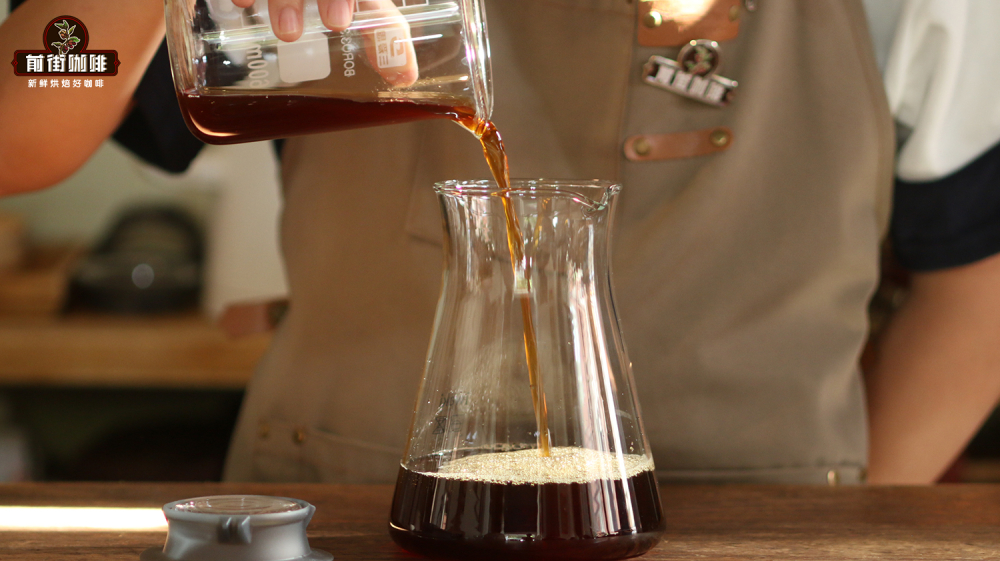
The steps to make cold brew coffee are relatively simple. Taking 50 grams of coffee grounds as an example, coarsely grind them to about an 85% passing rate through a 20-mesh sieve, then place them in a clean glass bottle or container. Next, pour in 400 milliliters of room temperature water and 200 grams of ice cubes (a total of about 600 grams of ice water mixture), stir gently to mix evenly, seal, and refrigerate for 12 to 24 hours.
After steeping, use filter paper or a filter cloth to remove the coffee grounds, obtaining a clear coffee liquid. It’s recommended to pour the filtered cold brew into a clean, sealed bottle and let it sit refrigerated for about 4 hours to allow the flavors to meld further before pouring and enjoying.
Common Issues and Adjustment Suggestions
Some people find that the flavor of their homemade cold brew isn’t as rich or sweet as that from coffee shops. This may be related to several key details. First, insufficient steeping time (e.g., less than 8 hours) may lead to under-extraction, resulting in a weak taste and muted aroma; whereas too long (e.g., over 18 hours) can cause over-extraction, leading to bitterness or off-flavors.
Additionally, a high proportion of fine particles, improper water temperature control, or unsuitable coffee bean selection (e.g., overly dark roast) can also affect the final flavor. It’s recommended to pay attention to these variables during brewing and adjust gradually to find your ideal formula.
In summary, cold brew coffee offers great flexibility and a low barrier to entry. By mastering basic parameter settings and operational details, you can easily enjoy a clean and smooth iced coffee at home. Start with the recommended medium to light roasted beans, and gradually experiment with different grind sizes and coffee-to-water ratios to discover your perfect cold brew flavor.
The above content is compiled by CoffeeHunters, a coffee news website.


