







Introduction:Jamaican Blue Mountain coffee is hailed as the pinnacle of the coffee world, with Mavis Bank Blue Mountain No. 1 being the Holy Grail sought after by specialty coffee enthusiasts. This article delves into the unique geographical and climatic conditions of the Blue Mountain region, explores the historical background and rigorous green bean quality control processes at the Mavis Bank processing plant, details how washed and natural processing methods affect flavor, and provides a practical guide to brewing Mavis Bank Blue Mountain pour over coffee. This comprehensive guide helps readers grasp every detail from origin to cup.
Jamaican Blue Mountain coffee has long been regarded as the gold standard of specialty coffee, and Mavis Bank’s No. 1 grade is synonymous with quality and pure flavor. This article takes you on a journey from the natural environment of the producing region, through the history of the Mavis Bank processing facility, to the green bean processing and grading systems, as well as the subtle effects of washed and natural processing on coffee flavor. It also includes a practical brewing guide for Mavis Bank Blue Mountain pour over coffee. Whether you’re new to Blue Mountain or a coffee aficionado looking to dive deeper into its mysteries, you’ll gain valuable insights.
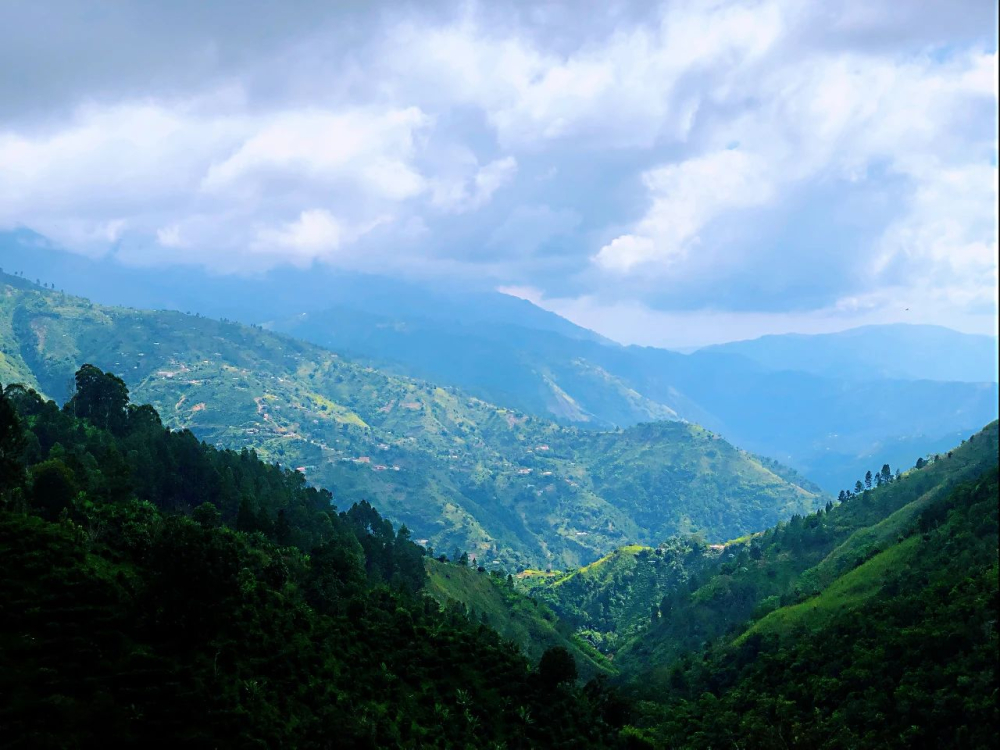
The renown of Blue Mountain coffee stems from its exceptional terroir. Jamaica’s legally defined Blue Mountain coffee growing region gets its name from the blue mist that often surrounds its high-altitude hills. The area is located in eastern Jamaica, stretching approximately 45 kilometers east to west and 20 kilometers north to south, with its highest peak reaching an elevation of 2,260 meters—the highest point in the entire Caribbean. The region boasts highly fertile soil with excellent drainage, paired with a mild climate and abundant sunshine, providing ideal conditions for coffee cultivation.
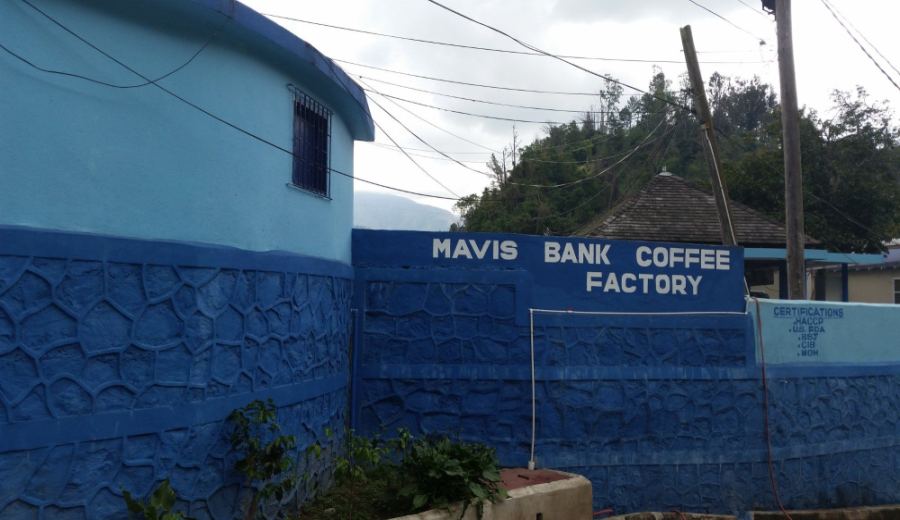
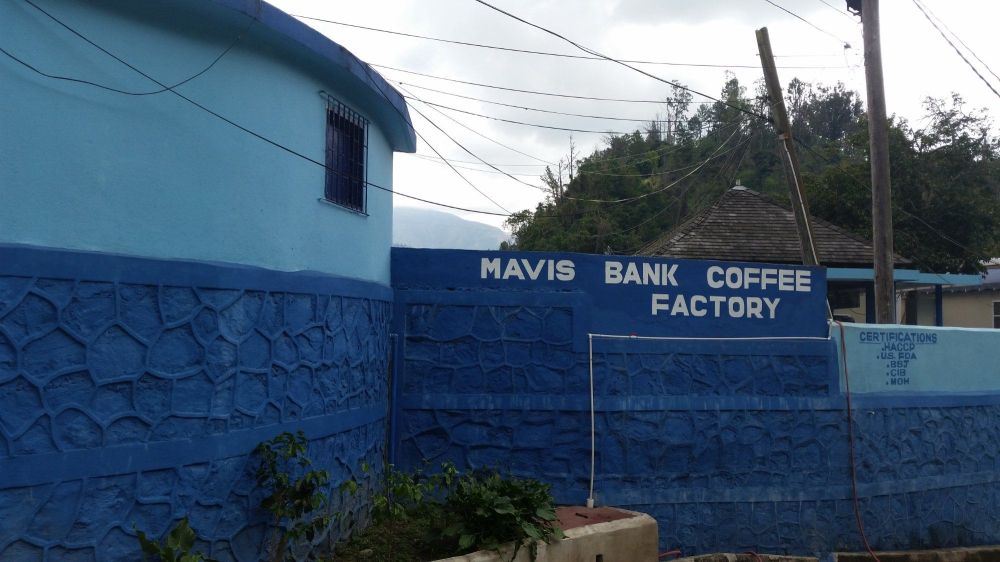
The Mavis Bank processing plant is situated within the legally designated Blue Mountain region and holds official certification from the Jamaican government. Since 1885, it has been operated by the Munn Family, initially growing and processing coffee on Strawberry Hill on the western side of the mountains. In 1920, Victor Munn founded the current Mavis Bank processing facility, which was later inherited by his nephew Keble Munn—a successful agricultural entrepreneur and Jamaica’s first certified professional cupper. Today, Mavis Bank is Jamaica’s largest coffee distribution hub, focusing on purchasing green beans from single farms or smallholders in specific high-altitude areas of the Blue Mountains. With a stringent quality control process, it ensures the high quality of every batch.
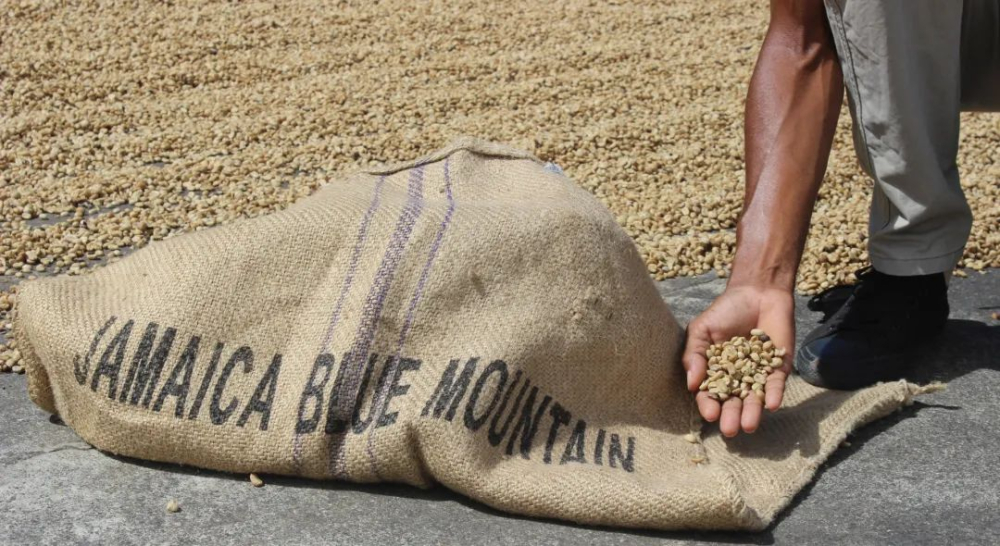
In green bean processing, Mavis Bank only harvests fully ripe red coffee cherries, which undergo initial manual sorting and floatation to remove underripe or defective beans. These cherries are then sent to washing stations for secondary inspection and pulping, during which any fruits showing abnormal fermentation, underripeness, or pest damage are eliminated before moving on to mucilage removal. The depulped parchment beans are sun-dried on cement slabs for five days and then stored in warehouses for at least ten weeks. A final round of manual sorting removes any defective beans. Mavis Bank boasts Jamaica’s most advanced green bean processing equipment, works with up to 6,000 partner farmers, and is renowned for producing No. 1 grade Blue Mountain coffee with specifications of 17/18 mesh size and a defect rate below 2%. Its M.B.C.F trademark is a mark of quality assurance in the global specialty coffee market.
The altitude range of the Blue Mountain region is mainly between 1,200 and 1,600 meters, representing a typical high-altitude coffee-growing environment. Coffee farms here are often shrouded in clouds in the afternoon, not only reducing the impact of intense sunlight on the coffee cherries but also slowing their ripening process, which aids in the accumulation of flavor compounds. The mineral-rich soil and moderate diurnal temperature variation contribute to the unique richness and balance characteristic of Blue Mountain coffee.
The maintenance of Blue Mountain coffee’s exceptional quality is closely tied to the long-term policies of the Jamaican government. As early as 1932, the local government implemented policies to encourage coffee production. However, unlike other coffee-producing countries that prioritize yield, Jamaica chose to prioritize quality—even if it meant reducing output. As a result, the annual production of Blue Mountain coffee is only about 40,000 bags, far lower than the millions of bags produced by major producers like Brazil, making it one of the rarest coffees in the world. Its primary variety is Typica, one of the oldest Arabica varieties originating from Ethiopia. It was introduced to Jamaica in 1717 by King Louis XV of France, and in the 1920s, the local governor brought in new varieties from Martinique, gradually laying the foundation for today’s Blue Mountain coffee.
In addition to traditional washed processing, some estates have recently started experimenting with natural processing to meet the market demand for diverse flavor profiles, such as in response to competition from the bold flavors of Geisha and Yirgacheffe. However, Jamaica’s rainy and foggy climate poses significant challenges to natural processing. Still, some estates like Clifton have managed to overcome these difficulties, offering Blue Mountain coffees with distinct flavor profiles that are worth trying for coffee enthusiasts.
To be classified as the highest-grade Blue Mountain No. 1, green beans must meet strict criteria: bean size must be 17/18 mesh, defect rate must be below 2%, and cupping must confirm balanced acidity, sweetness, bitterness, body, and aroma. Such rigorous selection results in extremely limited production of Blue Mountain No. 1, which is why its value and flavor are so highly esteemed.
If you want to enjoy the refined flavors of Blue Mountain No. 1, besides traditional pour over, Mavis Bank Blue Mountain pour over coffee sachets are also a convenient and practical option. Below are four simple steps to help you easily brew a high-quality cup of Blue Mountain coffee at home:
1. Open the coffee sachet, tear off the seal, and hang it on the rim of a clean cup.
2. Pour hot water up to half the height of the sachet and let it bloom for 10–15 seconds (note: since the coffee amount in the sachet is relatively small, the blooming time doesn’t need to be too long).
3. Continue pouring hot water until the sachet is 90% full. Wait for the dripping to finish, then repeat this step two more times.
4. After the final pour of water to 90% full and complete dripping, remove the sachet and enjoy a delicious cup of Blue Mountain coffee.
By understanding the region’s terroir, processing methods, and brewing details, you’ll be able to better appreciate the delicate layers and unique charm of Blue Mountain No. 1 coffee.
The above content is compiled by CoffeeHunters, a coffee news website.


