







Introduction:Yirgacheffe is renowned for its distinctive citrus acidity and white floral notes, making it a top choice for many coffee enthusiasts just starting their journey. This article delves into this classic Ethiopian coffee variety, exploring everything from the background of its growing regions, the key differences between washed and natural processing methods, to practical pour over parameters and flavor evaluation techniques—helping readers master the best brewing methods to fully experience Yirgacheffe’s freshness and layered complexity.
The name Yirgacheffe is almost synonymous for many coffee lovers with bright citrus acidity and soft floral aromas. This classic Ethiopian coffee bean, known for its delicate floral notes and vibrant fruit acidity, has long been established as one of the representative varieties in the global specialty coffee scene. In the offering list of a well-known coffee brand alone, there are four different processing method options for Yirgacheffe, among which the washed and natural versions are particularly popular—testament to its widespread acclaim.
In fact, Yirgacheffe is not a coffee variety but rather originates from a small town in southern Ethiopia called Yirgacheffe. The region sits at an altitude of 1700 to 2200 meters, with a cool climate that allows coffee cherries to ripen slowly, aiding the accumulation of flavor compounds and giving rise to its unique aroma and taste profile. The region also enjoys official Protected Designation of Origin status, making “Yirgacheffe” synonymous with high-quality Ethiopian coffee.
What is the charm of Yirgacheffe? It often exhibits distinctly recognizable white floral notes such as jasmine or honey, accompanied by the bright acidity of citrus fruits like yellow lemon and orange. Its flavor is clean without any muddiness, with a tea-like brightness and a refreshing mouthfeel—making it highly suitable for coffee drinkers who enjoy fruity acidity and fresh flavor profiles. Compared to some pricier specialty beans such as Geisha, Yirgacheffe not only stands out in flavor but also offers excellent value, making it a top choice for many as their everyday go-to bean.
Where does such captivating flavor come from? The key lies in the variety, terroir, processing method, roast profile, and ultimately the brewing technique. Among these, the processing method is especially crucial in determining the two major flavor directions of Yirgacheffe: washed and natural. Traditionally, Ethiopia primarily used the natural process, but due to technical limitations, quality was inconsistent. It wasn’t until 1972, when washed processing techniques from Central and South America were introduced, that Yirgacheffe found a way to truly showcase its potential.
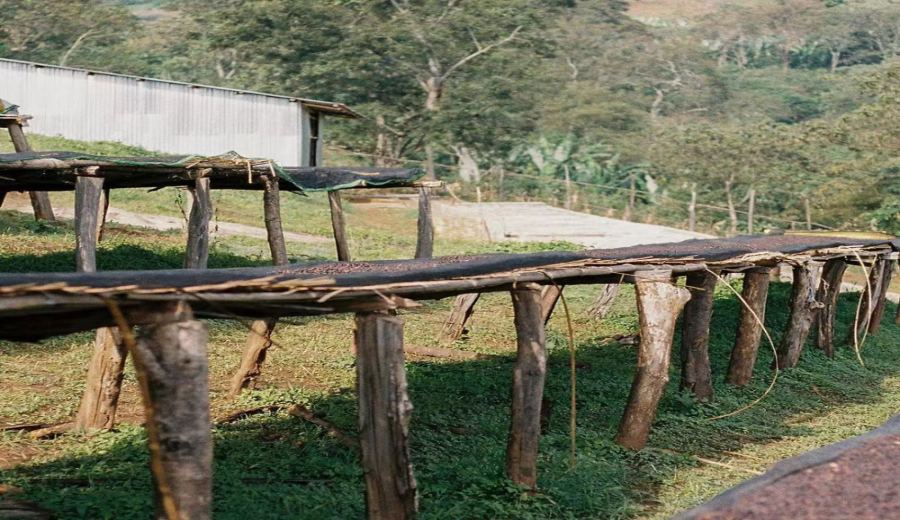
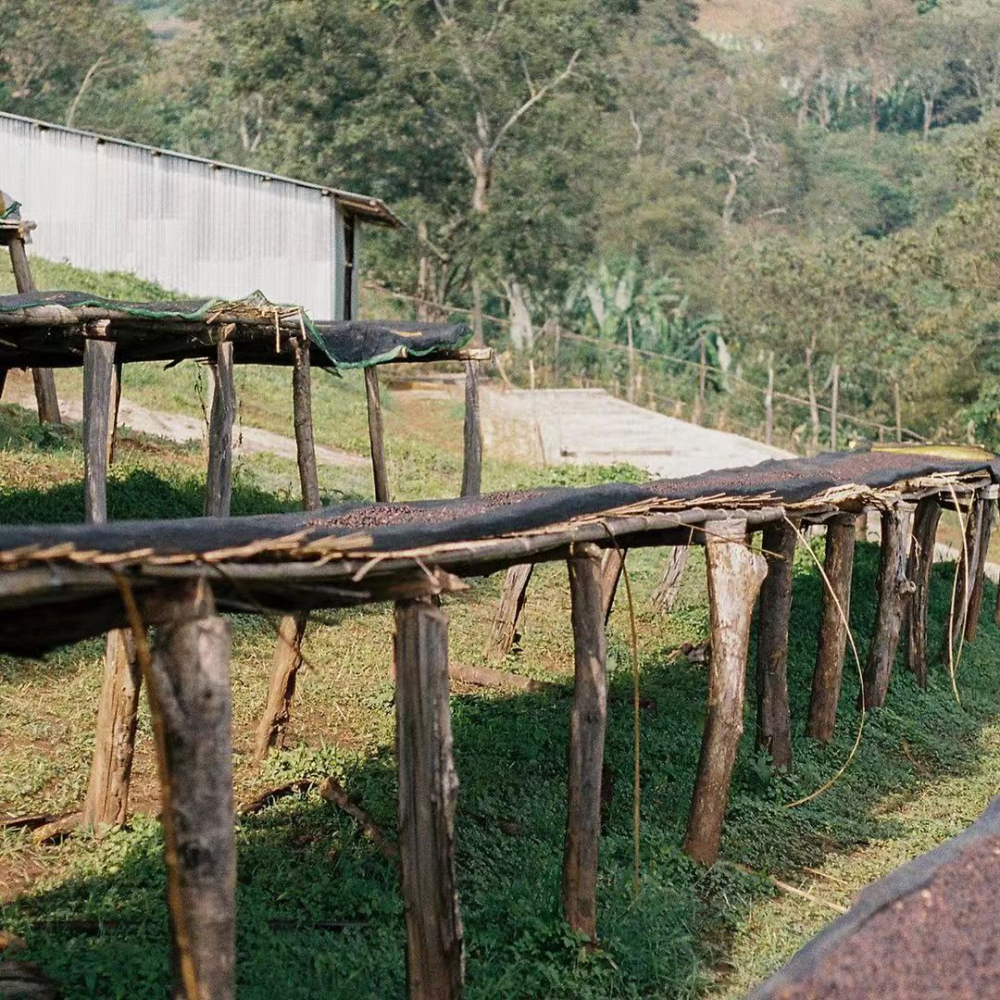
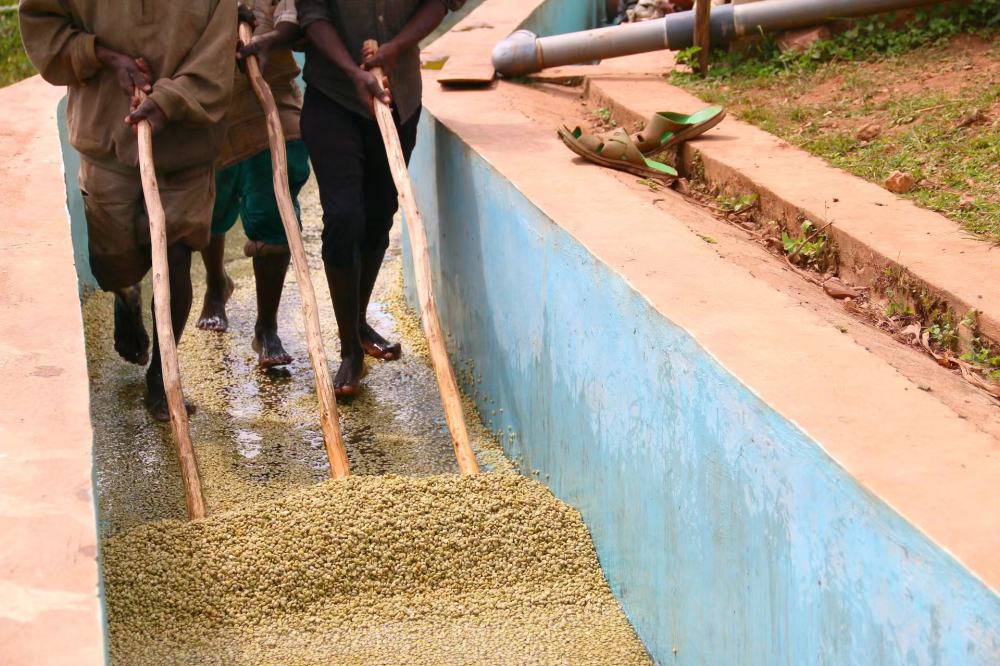
In the washed processing method, coffee cherries are first floated to remove unripe ones, then depulped, and placed in fermentation tanks for 18 to 36 hours to remove the mucilage layer. They are then rinsed multiple times with clean water and dried on African raised beds. This multi-step screening and cleaning process significantly reduces defect rates, resulting in a coffee that presents a purer, brighter acidity and a clearer aromatic profile. Common beans from regions like Guji or Kochere that you see in shops are usually washed.
In contrast, naturally processed Yirgacheffe reveals a completely different layer of complexity. This method involves drying the entire coffee cherry in the sun, allowing the sugars and flavors within the pulp to penetrate more deeply into the seed—resulting in a richer sweetness, wine-like notes, and greater fermentation complexity. In the past, natural processing techniques were relatively rudimentary, leading to unstable quality, but with the rise of specialty coffee, today’s high-quality natural Yirgacheffe can demonstrate remarkable flavor complexity.
For example, the well-known “Red Cherry Project” (OPERATION CHERRY RED PROJECT), initiated in 2007 by the Dutch trading company Trabocca, aimed to elevate the processing standards of the Yirgacheffe region. This project emphasizes harvesting only fully ripe red cherries and implementing a strict drying process, typically lasting 27 to 30 days until the moisture content is reduced to 11%. This results in natural beans with rich sweetness and complex aromatics, even carrying a hint of wine-like fermented notes.
Now that we understand the story behind Yirgacheffe, let’s take a look at how to brew a cup that highlights its vibrant flavors. Taking the commonly seen natural red cherry variant as an example, it is recommended to use a V60 dripper, paired with a medium-fine grind (approximately 78% passing through a Chinese No. 20 sieve, similar in coarseness to granulated sugar). The coffee-to-water ratio can be set between 1:15 and 1:16, adjusted according to individual taste preferences. If you prefer a stronger body, opt for 1:15; if you want the flavors to be clearer with more pronounced sweetness, increase the water volume to 1:16.
Water temperature is advised to be controlled at 92 to 93°C. This range effectively highlights Yirgacheffe’s floral and fruity acidity without over-extracting and causing bitterness. As Yirgacheffe is a high-altitude hard bean, a fine grind combined with moderate water temperature balances the release of flavor compounds, helping avoid under- or over-extraction.
For actual pouring, a three-stage pouring method is recommended: begin with a bloom using twice the amount of coffee grounds in water (about 30g), for around 30 seconds, to allow the coffee to degas and initiate aroma release; then pour steadily with a thin stream in a circular motion up to 125g, pause briefly as the water level drops; finally pour up to 225g, keeping the total brew time around 2 minutes. This segmented approach helps different flavor compounds emerge progressively across varying temperatures, enhancing the立体ity of acidity, sweetness, and aroma.
When tasting, start at a high temperature to perceive the fresh acidity of yellow lemon and citrus, then as it cools to medium temperature, you may notice sweet notes akin to green grapes or honey. The finish often carries a soft creamy sensation with hints of sugarcane sweetness. The overall profile is clean, bright, and layered—a classic bean variety that makes it easy for anyone to appreciate the allure of specialty coffee.
In summary, whether washed or natural, Yirgacheffe boasts high recognizability and tremendous flavor potential. With the right brewing parameters and techniques, even novice coffee brewers can easily prepare an outstanding pour over coffee brimming with floral and fruity acidity. Why not start with this classic bean and embark on your own journey of discovering unique coffee flavors?
The above content is compiled by CoffeeHunters, a coffee news website.


