








Introduction:The washed beans from the Gedeo Zone’s Gedeb Cooperative in Ethiopia’s Yirgacheffe region, roasted to a medium-light level, highlight delicate floral notes and citrus tones—making them a top choice for many coffee enthusiasts just starting out. This article takes an actual sold batch of Gedeb washed beans as an example, delving into its origin background, processing characteristics, and detailing how to use V60 pour over techniques—such as grind size, water temperature, and pulse pouring—to bring out white floral notes, green tea undertones, and bright acidity. This helps you grasp the unique flavor profile of Yirgacheffe.
As one of the world’s premier specialty coffee regions, one of Ethiopia’s appeals lies in how even within the same zone and using the same processing method, subtle differences can yield distinctly varied flavor profiles. Take Yirgacheffe, for instance—just between sun-dried and washed versions, or among batches from different cooperatives, the aroma and taste directions can vary markedly. This article uses a sold batch of Yirgacheffe Gedeb washed beans as an example, stepping through its origin story, traditional processing methods, and how medium-light roasting highlights citrusy acidity and green tea nuances. We’ll break it down step-by-step and provide practical V60 pour over parameters, helping you understand how roast level and extraction methods actually influence the final cup.
Ethiopia is not only the world’s coffee genetic repository but in recent years has seen more and more small-scale regions or cooperatives exporting directly under their own names, emphasizing traceability and independent flavor characteristics. These producers typically only harvest fully ripe coffee cherries and maintain strict quality control during processing. Whether using washed or natural methods, they consistently produce nuanced and layered aromas and flavors—one of the reasons coffee lovers look forward to them each year.
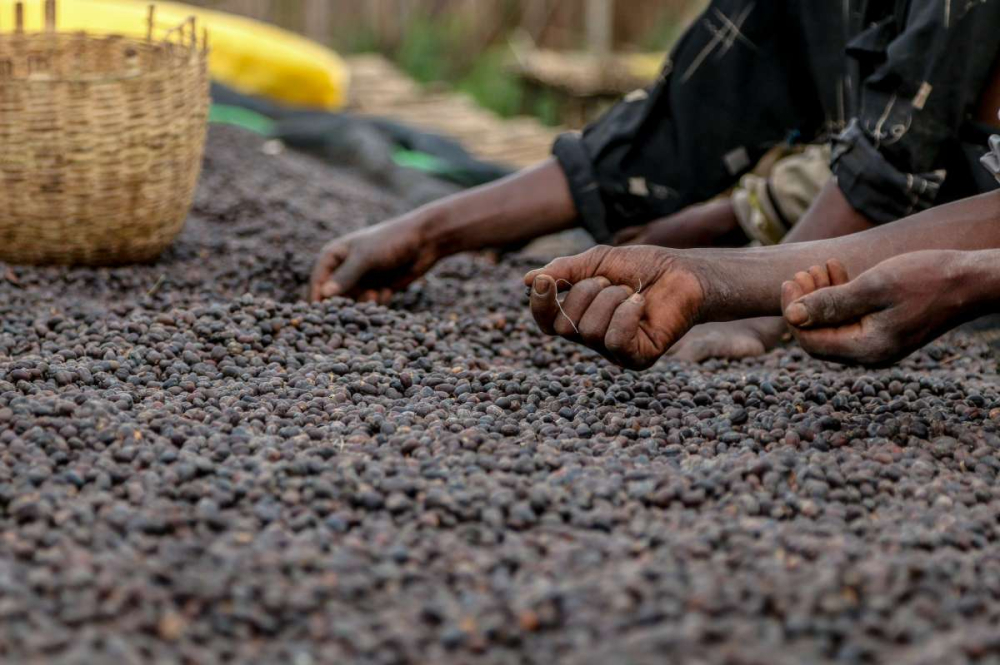
The sold Yirgacheffe Gedeb washed beans come from the Gedeb Cooperative under the jurisdiction of the Yirgacheffe town. Originally part of the Wolkite Cooperative under the Yirgacheffe Coffee Farmers Cooperative Union (YCFCU), with the market’s increasing emphasis on “single-origin” and “traceability,” Gedeb officially established its own cooperative in 2012, with about 300 members. Since many smallholder farmers were already members of the Wolkite Cooperative, the foundation in coffee cultivation and processing techniques is solid. Additionally, Gedeb is regarded as the last piece of Yirgacheffe that retains traditional flavor purity, so both its washed and natural processing follow classic practices.
The Yirgacheffe Gedeb batch introduced here uses the washed process, which effectively removes pulp and impurities, presenting the region’s inherent base flavors more clearly. The roaster chose a medium-light roast to emphasize the unique white floral notes, the fresh acidity and sweetness of citrus fruits, and the faint green tea undertones in the aftertaste. The overall profile is bright and lively, with a tight acidity that is not overly sharp.

To fully draw out the delicate flavors of Gedeb washed Yirgacheffe, the parameters and operational steps of pour over brewing are crucial. Below is a recommended V60 pour over scheme, ideal for coffee lovers who enjoy bright fruit acidity, fine floral notes, and tea-like aftertaste:
Equipment: Hario V60 dripper
Water temperature: 90°C (±1)
Coffee dose: 15 grams
Coffee-to-water ratio: 1:15 (total water volume approximately 225 grams)
Grind size: Medium-fine grind, suggested to have around 80% extraction through a Chinese standard No. 20 sieve, roughly similar to the texture of fine sugar granules. Too coarse may lead to under-extraction, while too fine may over-extract and bring out unwanted astringency.
Pour over steps (pulse pouring):
1. Start with a 30-gram bloom pour for about 30 seconds to help the coffee grounds fully expand and release aroma.
2. Then pour water in small streams in a circular motion, moving from the center outward and back to the center. Pour steadily until you reach 120 grams, then pause briefly (about 15–20 seconds) to allow the coffee bed to drain adequately.
3. When the water level in the dripper drops to just about to expose the coffee bed, continue pouring at a steady flow rate until reaching 225 grams total, then remove the dripper.
4. Starting from the initial bloom, the overall extraction time should be kept around 2 minutes. Too long or too short may affect the balance of flavors.
In summary, the Yirgacheffe Gedeb washed beans, thanks to their medium-light roast and washed process, showcase the unique charm of Ethiopian high-altitude coffee—from bright citrus and delicate white florals to the subtle green tea notes in the aftertaste. Every sip reflects the essence of the region’s terroir. As long as you master the right grind size, water temperature, and pour over technique, even beginners can easily brew a cup of Yirgacheffe with vivid flavors and distinct layers.
The above content is compiled by CoffeeHunters, a coffee news website.


