







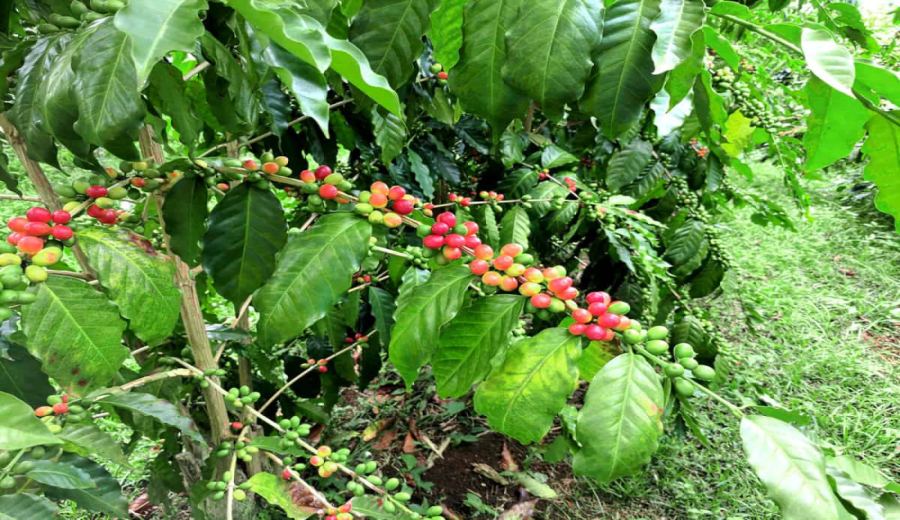
Introduction:Explore two renowned coffees from Panama’s Boquete region: the classic Geisha and the highly cost-effective Butterfly. This article delves into their varietal origins, growing environments, processing methods, and offers professional pour over recommendations and flavor profiles to help coffee enthusiasts find their ideal entry-level Geisha choice.
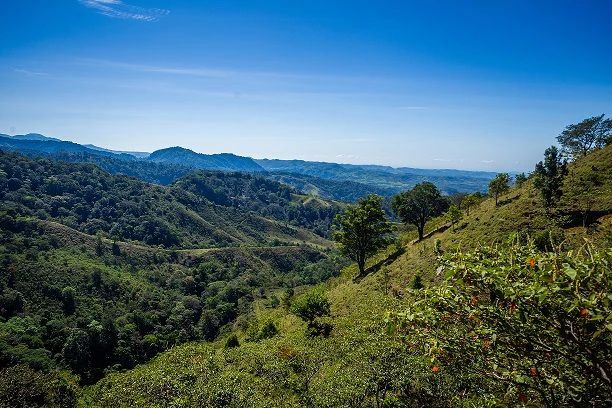
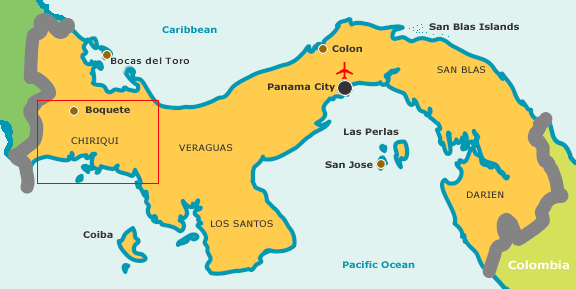
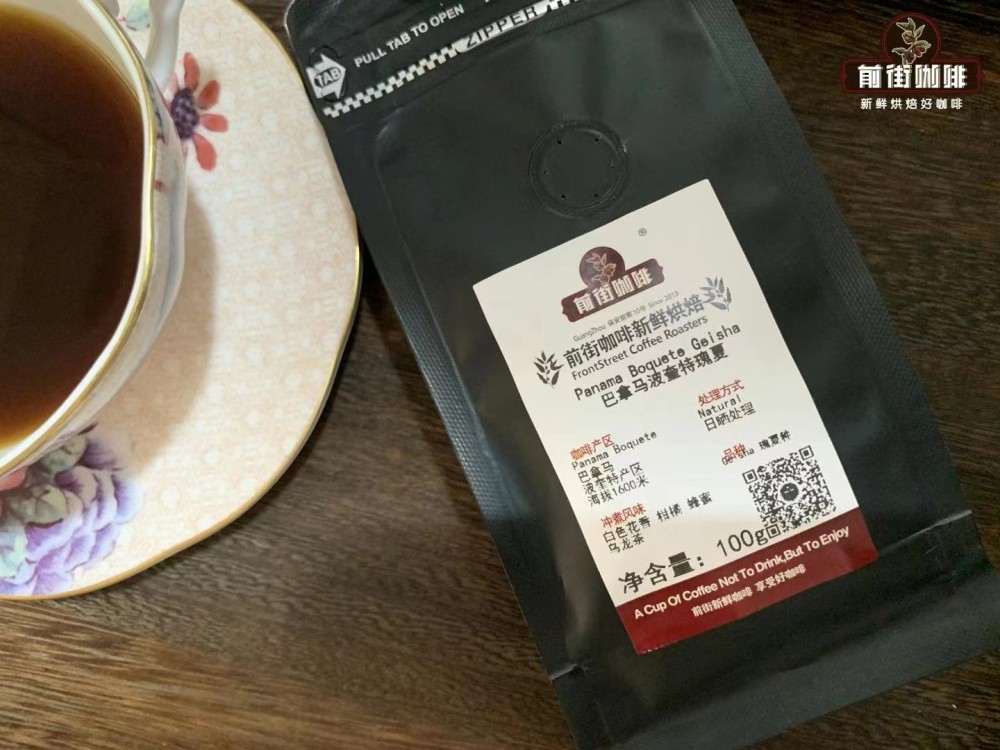
The Geisha (Geisha) coffee originally comes from Ethiopia, but its international fame largely stems from Panama’s Hacienda Esmeralda, particularly its outstanding performance in the Boquete region. Boquete is a mountainous town in the Chiriquí province, located at the border of Panama and Costa Rica, near the famous Barú volcano. This area boasts fertile volcanic soil and a cool high-altitude climate, creating optimal growing conditions for premium coffees like Geisha.
In addition to Hacienda Esmeralda, Boquete is home to many other well-known farms, such as Elida and Caturra Duncan, all renowned for producing high-quality coffee. The success of these farms relies not only on their exceptional geographical environment but also on the local microclimates. The east-west mountain ranges in Panama cause cold air to accumulate above 6,500 feet, forming diverse microclimates that provide ideal conditions for coffee cultivation.
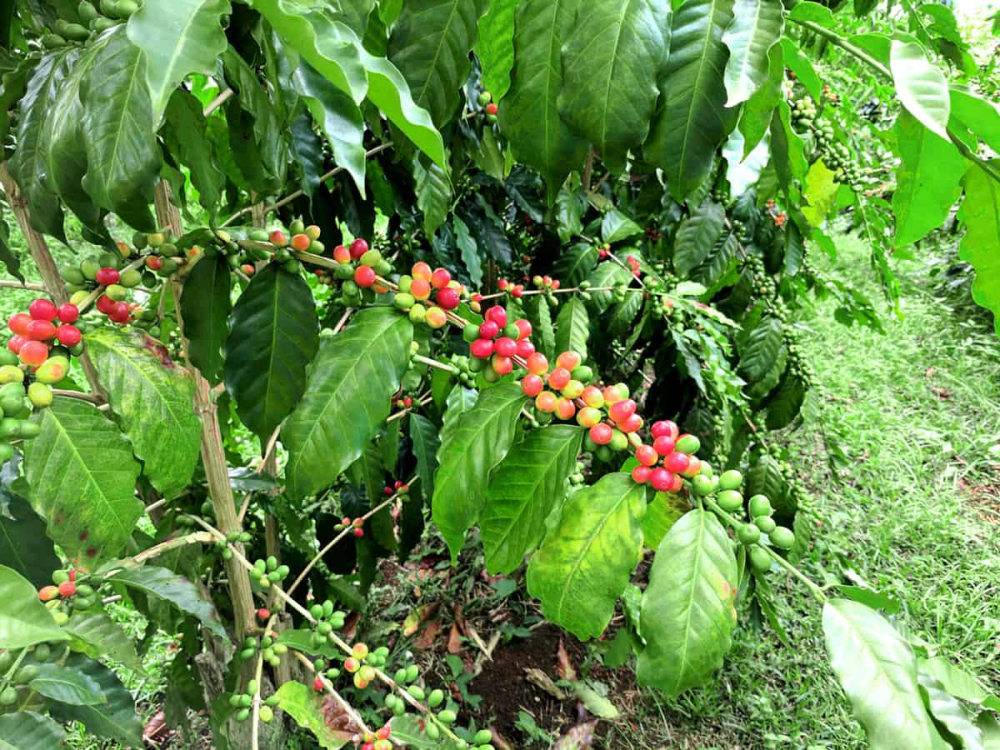
The Geisha variety originally comes from wild plants found in Ethiopia’s Geisha Forest. These plants are tall with long, narrow leaves, strong disease resistance, and slender coffee beans. When roasted, they emit intense fruity aromas, but due to their low yield, they were long overlooked. It wasn’t until 1931 that the variety was discovered and subsequently introduced to Kenya, Uganda, Tanzania, and Costa Rica, finally arriving in Panama in the 1970s through the Don Pachi Estate. Today, Geisha has become a star variety in international auctions and cupping competitions, especially those produced by Panama’s Hacienda La Esmeralda, which are the most renowned.
Panama is located in Central America and is home to one of the highest volcanoes in the region, the Barú Volcano, which exceeds 11,400 feet in elevation. The surrounding soil is rich in organic matter and minerals, providing an ideal environment for coffee cultivation. The Boquete region not only has volcanic ash soil, but its unique altitude and climate also create diverse microclimates, making it a significant origin for specialty coffee.
Among the many high-quality coffees in Boquete, Butterfly is another shining star. Initially, this bean was called Cupido, with only 30% Geisha content, which was gradually adjusted to 50%, and eventually set at 70%, leading to its renaming as Butterfly. It consists of 70% Geisha and 30% Caturra and Catuai. Although it is a blend, the beans come from the same region and farm, so it is considered a single-origin bean. This combination gives Butterfly the floral and fruity notes of Geisha, while retaining the richness and stability of Caturra and Catuai.
The flavor profile of Butterfly coffee is quite impressive: a full body, bright acidity, along with clear floral and tropical fruit notes, and a honey-like sweetness and premium black tea finish. Compared to the high price of pure Geisha, Butterfly’s affordability and excellent performance make it a top choice for many coffee lovers as their entry point to Geisha.
Many people wonder if Butterfly is a blend. In fact, in the early stages of cultivation, Geisha, Caturra, and Catuai were interplanted in the same field. For easier harvesting, farmers picked and processed them together—not intentionally as a blend. Since all three varieties come from the same region, Butterfly is still considered within the single-origin category.
Panamanian Butterfly is typically processed using the washed method: unripe cherries and floaters are first removed, followed by depulping. The coffee beans then undergo fermentation in tanks where natural enzymes and microbes remove the mucilage. After fermentation, the beans are dried on patios, requiring constant turning to ensure even drying. The dried parchment beans are finally hulled. This processing method highlights the coffee’s cleanliness, bright acidity, and clear floral and fruity aromas.
For brewing, it is recommended to use a V60 dripper with a coffee-to-water ratio of 1:15, a grind size similar to coarse sugar (about 80% passing through a Chinese No. 20 sieve), and water temperature controlled at 91°C. Begin with a 30-second bloom using twice the amount of water (e.g., 60g water for 30g coffee) to facilitate degassing and ensure smooth extraction. Then, pour in a circular motion with a small stream of water until reaching 125g for the first pour, followed by pouring up to 225g before stopping, with a total brew time of about 2 minutes. Enjoy once dripping from the dripper has finished.
The brewed Panamanian Butterfly offers subtle dry aromas of white flowers and citrus. Upon tasting, it presents bright acidity with distinct layers of flavor, and a honey-like sweetness and tea-like body in the aftertaste. This coffee is not only suitable for those who enjoy fruity and floral notes, but its balanced profile also makes it an excellent everyday drinker.
It’s worth noting that a coffee’s flavor performance is closely related to its freshness. It is recommended to choose beans roasted within 5 days and to let them rest for 4–7 days after receipt to achieve optimal flavor. If purchasing coffee powder, while it can be brewed immediately, be mindful of oxidation issues and consume it as soon as possible. For a full experience of the coffee’s aroma and layers, whole beans ground just before brewing are highly recommended.
The above content is compiled by CoffeeHunters, a coffee news website.


