







Introduction:Ethiopian coffee employs a unique grading system based on defect rates, where G1 and G2 are the two most common grades. This article delves into the practical differences between these two grades—from raw bean appearance and roast performance to cupping flavors—to explain why G1 is considered higher quality, and what these classifications actually mean for coffee enthusiasts.
As an agricultural product, coffee beans are difficult to maintain in perfect uniformity, which is why grading systems serve as important tools for assessing quality. Grading standards vary widely across global producing regions; for instance, Central America often uses altitude as the basis for grading, Kenya prioritizes bean size, while Ethiopia classifies beans according to defect rates. There are special reasons behind this grading approach, and it raises the question—what are the real differences between the commonly seen G1 and G2 grades?
Firstly, Ethiopia is the birthplace of coffee, home to a large number of coffee varieties that have not been fully categorized, many of which are collectively referred to as 'Heirloom' (heirloom varieties) to protect these unique genetic resources. As a result, when you get a bag of Ethiopian native variety coffee beans, you’ll often find inconsistencies in bean size. This is due to the relatively rough harvesting and processing methods locally. Farmers typically harvest fruits from different varieties together and send them to processing facilities for mixed processing, leading to noticeable variations in bean size and shape.
Additionally, Ethiopia’s generally high and relatively uniform altitude makes it impractical to assess quality by elevation as other regions do. Against this backdrop, defect rate becomes the most practical and quantifiable basis for grading. However, since 2009, the Ethiopian government has adjusted its grading system by incorporating additional comprehensive factors such as cupping results and bean appearance, on top of the original defect rate, in order to more holistically evaluate coffee quality.
So, what exactly are the differences between the G1 and G2 grades? Below, we’ll take washed beans from the Yirgacheffe region as an example, and compare them in detail in terms of appearance, roasting, and flavor.
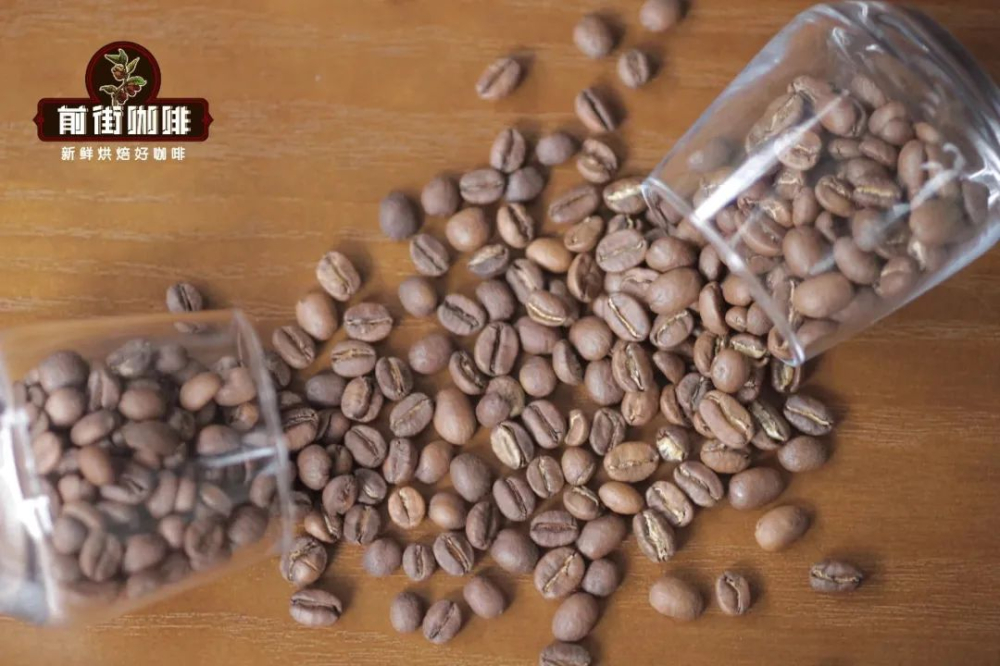
In terms of appearance, G1-grade Yirgacheffe green beans are noticeably plumper, with more consistent particle size and relatively uniform color.G2-grade beans may contain more defective beans and show lower consistency in appearance.The image below clearly illustrates the visual differences between these two grades.
In roasting, due to slight differences in particle size, the evenness of heat absorption during roasting also varies, which in turn affects the final color value. In this case, we used a light roast to preserve the characteristic floral and fruity notes of Yirgacheffe. The moderate roast level helps to showcase the delicate layers of flavor.
Suggested brewing parameters are as follows: use 15 grams of coffee grounds, a 1:15 coffee-to-water ratio, grind with an ek43 grinder at setting 10, control water temperature at 92°C, use a V60 filter, and employ a three-pour technique. The specific steps are: start with a 30-second bloom using twice the amount of coffee’s weight in water, then pour 120 ml of hot water in small streams along a wide circle, and finally pour 75 ml of hot water in small streams along a narrow circle, and wait for the dripping to complete.
Cupping results show that G2-grade Yirgacheffe exhibits typical regional characteristics, including bright lemon acidity, white floral notes, citrus tones, and a slightly green-tea-like finish. G1-grade, on top of these traits, features even brighter acidity, cleaner mouthfeel, and a slightly longer aftertaste. However, if the two are not tasted side-by-side, these differences may not be very obvious.
In summary, G1 and G2-grade Yirgacheffe share broadly similar flavor profiles,but G1 has a slight edge in terms of mouthfeel cleanliness, brightness of acidity, and the length of aftertaste,which is the main reason it is categorized as the higher grade. For consumers, understanding these grading differences can help make more rational choices when selecting coffee beans, but there's no need to obsess over grade labels, as the specialty coffee beans commonly available on the market mostly fall into the G1 or G2 categories and already deliver excellent drinking experiences.
The above content is compiled by CoffeeHunters, a coffee news website.


