








Introduction:Starbucks offers 13 regular coffee bean options, including single-origin and multi-region blends, sourced from renowned regions in Asia, Central and South America, and Africa. This article provides a detailed breakdown of each bean’s origin, roast level, processing method, and flavor profile, along with practical brewing parameters and pour-over suggestions to help coffee enthusiasts select the right beans based on taste preferences and enhance their home brewing experience.
Currently, Starbucks regularly sells a total of 13 coffee bean varieties. These beans come from globally recognized origins such as Yunnan and Sumatra in Asia, Colombia and Guatemala in Central and South America, and Ethiopia and Kenya in Africa. Whether single-origin or multi-region blends, each variety showcases distinct flavor characteristics influenced by origin, roast degree, and processing methods. This article delves into the detailed information of these 13 beans, covering roast levels, regional backgrounds, flavor traits, and includes practical brewing tips and precautions to help you make the best choice according to your personal taste.
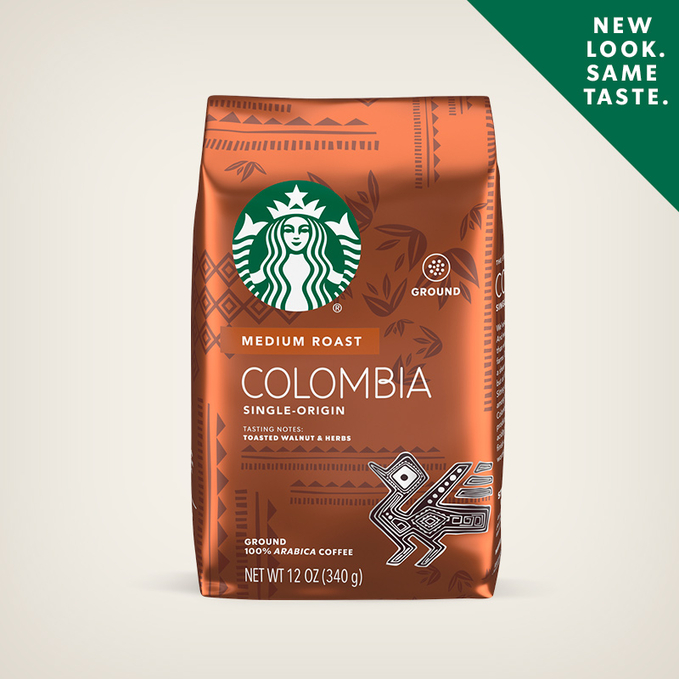
First up is the Colombian coffee bean, featuring a medium roast and originating from the Latin American region. This bean is dominated by nutty notes and is well-suited for those new to single-origin coffee. Many people mistakenly assume that coffee must be bitter, but in reality, high-quality coffee beans inherently possess a rich array of flavors without the need for added sugar or milk. This bean achieves a good balance between acidity and body, making it ideal for practicing fundamental steps of coffee tasting, such as aroma sniffing, sipping, identifying, and describing — a great choice for beginners.
The second option is the Breakfast Blend, also a medium-roasted Latin American bean. This coffee has a fresh and lively flavor with relatively bright acidity and lower body, making it suitable for morning consumption to help invigorate the senses. Its aftertaste carries a subtle sweetness, resulting in an overall refreshing and brisk profile, appealing to consumers who prefer a lighter mouthfeel. This bean is often used to highlight the original flavor characteristics of coffee and serves as a good example for understanding the interplay between acidity and body.
The third variety is the Sumatra coffee bean, roasted to a dark level and sourced from the Asia/Pacific region. Known for its unique herbal and earthy aromas, this bean delivers a bold and deeply lingering flavor. Many first-time tasters of dark roast may initially have reservations about its appearance and aroma, but upon actual tasting, they often discover its rich and smooth side. It's worth noting that dark roast beans usually come in a darker package color compared to medium roast’s coffee-brown hue, which retains more caramel notes and balance.
The fourth is the Kenyan coffee bean, a medium-roasted African variety. Renowned for its high acidity and full-bodied taste, this bean features pronounced grapefruit and blackcurrant notes, earning widespread acclaim in the international market. African coffees are generally known for their vibrant fruit profiles, including citrus, berries, and floral notes — and this Kenyan bean is a prime representative. Through this bean, one can further appreciate the flavor spectrum differences across origins.
The fifth variety is the Antigua Guatemala coffee bean, also a medium-roasted Latin American option. It delivers distinctive cocoa and spice flavors, with some tasters detecting a unique smoky note — one of its most prominent characteristics. Latin American coffees typically offer bright acidity and soft body, with common flavors including nuts, cocoa, and light spices, and this Guatemalan bean is a classic example of this flavor style.
The sixth option is the Pike Place Roast, a medium-roasted Latin American bean processed via the washed method. Launched in 2008 to commemorate the opening of Starbucks’ first store at Seattle’s Pike Place Market, its packaging holds special commemorative significance. The flavor is dominated by cocoa and roasted nuts, with both body and acidity at medium levels, suitable for those who prefer a stable taste profile. The washed process enhances clarity in acidity and aroma, resulting in a cleaner and brighter coffee flavor.
The seventh is the Ethiopian coffee bean, a medium-roasted African variety also processed using the washed method. This bean showcases flavors of dark cocoa and citrus, with higher acidity and medium body, appealing to those who enjoy bright acidity. The washed process amplifies the coffee’s acidity and aroma while delivering a soft and refreshing aftertaste, making it a favored method among many specialty coffee enthusiasts. In contrast, semi-washed and natural drying methods yield distinctly different flavor profiles.
The eighth is the Preferred Blend, a medium-roasted bean processed using the washed method. It was Starbucks’ first-ever blend, launched in 1971. With a rich and lively flavor highlighted by nutty and cocoa notes from the roasting process, it balances medium acidity and body, making it suitable for daily consumption. As a Starbucks classic, this blend presents balanced and approachable flavor traits, and has remained a long-time favorite among many customers.
The ninth is the Feng Wu Xiang Yun (Dancing Phoenix Auspicious Cloud) coffee bean, launched in 2009 to celebrate the 10th anniversary of Starbucks’ entry into the Chinese market. This blend combines beans from the Asia/Pacific region and Yunnan, processed using both washed and semi-washed methods. Its flavor is primarily herbaceous, with low acidity and medium body.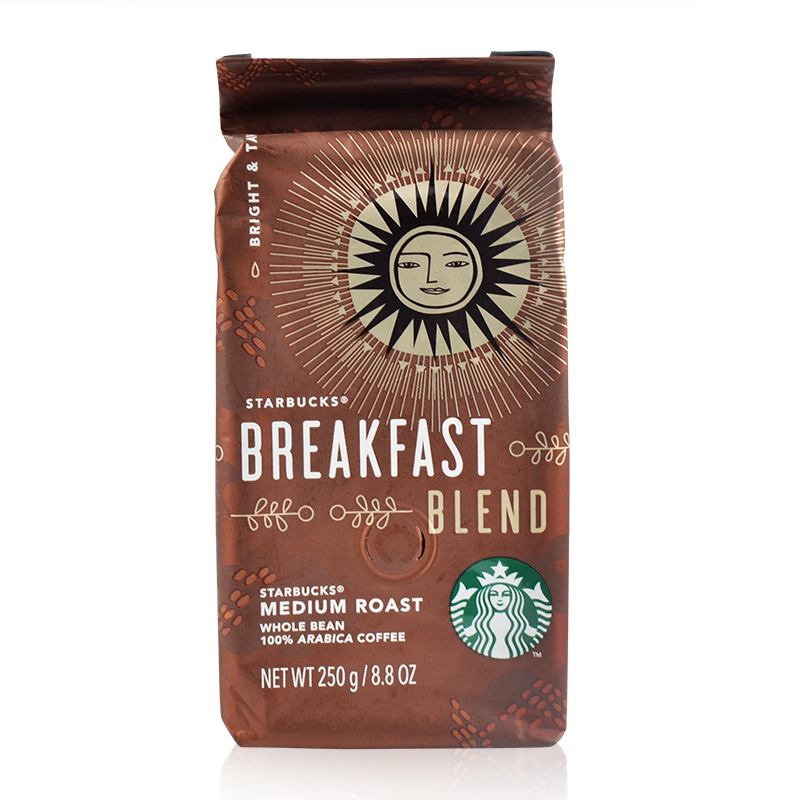 Its flavor profile is mild and layered, suiting those who appreciate the characteristics of Asian beans.
The tenth is the Xiang Long (Auspicious Dragon) Blend, a dark-roasted Asian/Pacific bean also processed with washed and semi-washed methods. This coffee offers a richly layered flavor with herbal and spicy notes, heavy body, and low acidity. It is also a decaffeinated option, making it suitable for caffeine-sensitive individuals who still wish to enjoy deep roast characteristics.
The eleventh is the Verona coffee bean, a dark-roasted multi-region blend processed with washed and semi-washed methods. Characterized by roasted sweetness and dark cocoa flavors, this bean has a heavy body and low acidity, making it an excellent pairing with dark chocolate to further elevate its flavor richness.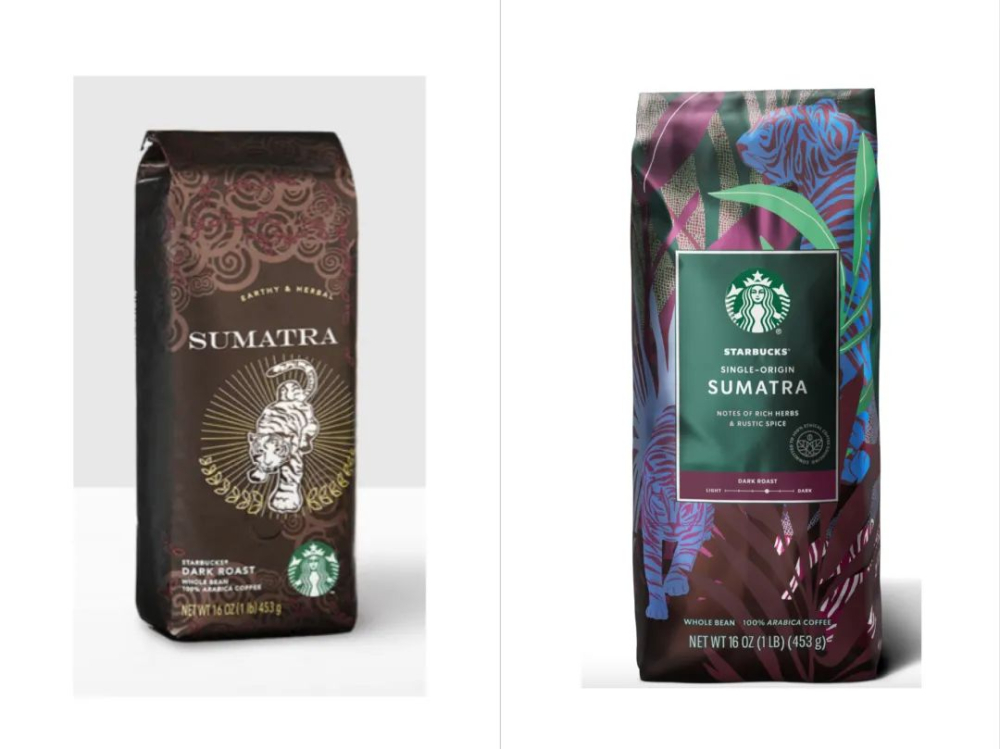
The twelfth is the Espresso Roast, a multi-region blend processed via washed and semi-washed methods. It is the primary bean used by Starbucks stores for crafting espresso-based beverages. This bean offers a full-bodied flavor with sweet caramel-like notes, heavy body, and medium acidity — an ideal match for milk-based drinks.
The final option is the Italian Roast, a multi-region blend with medium body and low acidity. It is recommended for drip brewing and pairs particularly well with caramel-flavored desserts, highlighting the coffee’s smoothness and balanced sweetness.
Regarding brewing methods, it is recommended to use coarse-ground coffee at a ratio of approximately 10 grams of coffee to 180 ml of water, with water temperature controlled between 90–96°C and an infusion time of around 4 minutes. Before brewing, preheat your device with hot water and use your phone to time the extraction for accuracy. Whether you choose pour-over, French press, or drip brewing, mastering these basic parameters will effectively enhance your coffee’s overall performance. For pairing with pastries, chocolate-based desserts are recommended as they complement the flavors of many dark roast beans.
The above content is compiled by CoffeeHunters, a coffee news website.


