







Introduction:Jamaican Blue Mountain No. 1 coffee is renowned for its balanced and rich flavor, yet its extreme rarity has led to a market flooded with imitations. This article delves into its legally defined growing regions, strict grading classifications, and official certification processes, while also exploring how altitude and processing methods influence its flavor profile. Practical brewing parameter suggestions are provided as well, teaching you how to master optimal extraction techniques using the Kono dripper—giving you a complete understanding of the essence of this top-tier coffee.
Blue Mountain coffee is hailed as one of the world’s finest, but its true annual production within Jamaica’s legally designated Blue Mountain region amounts to only about 900 metric tons, making it extremely scarce. As a result, many coffees on the market labeled as having a “Blue Mountain flavor” are vastly different from authentic Blue Mountain No. 1. This article will detail the legal definition of Blue Mountain coffee, its altitude-based grading system, and the official certification mechanism, while also taking an in-depth look at the role of the Clifton Estate in innovating Blue Mountain coffee. Special focus is given to the grading standards of Blue Mountain No. 1 coffee—from bean size, defect rate, roast level, resting period to professionally recommended brewing methods—to give you a comprehensive understanding of this highly acclaimed coffee.
The Blue Mountains in eastern Jamaica are the highest peaks in the Caribbean, perpetually shrouded in mist. Sunlight reflecting off the azure sea penetrates the fog and casts light upon the mountain summits, giving the range its distinctive bluish hue—hence the name “Blue Mountain.” This region not only boasts a unique geographical environment, but also offers a cool climate with significant day-night temperature variations, providing nearly perfect growing conditions for coffee trees.
The definition of authentic Blue Mountain coffee is very strict: only coffee grown at elevations between 900 and 1,700 meters within the legally designated Blue Mountain mountain range in eastern Jamaica, and of the Typica variety, can be called “Blue Mountain coffee.” Coffee grown at altitudes between 450 and 900 meters is referred to as “Jamaican High Mountain coffee,” while that from even lower elevations is categorized as “Jamaican Prime Coffee” or “Jamaican Low Mountain coffee.” Since elevations above 1,700 meters are designated as protected ecological zones where crop cultivation is legally prohibited, only about 25% of the island’s coffee qualifies to be sold under the Blue Mountain name, contributing to its rarity and high price.
Due to its fame, the market is flooded with various counterfeit “Blue Mountain” products, so consumers must exercise extra caution when purchasing. To protect consumer rights, the Jamaican government requires all exported Blue Mountain coffee to be shipped in wooden barrels, and each export batch must be accompanied by official certificates. These include: a quality certificate issued by the Jamaica Coffee Industry Board, an authorized sales certificate provided by the Blue Mountain coffee producer, and a certificate of origin for Blue Mountain coffee. The quality certificate specifies the inspection batch, time, and quantity, and samples are drawn by officials for testing to confirm compliance with Blue Mountain standards before the certificate is issued.
Blue Mountain coffee is primarily grown in the parishes of St. Andrew, St. Thomas, Portland, and St. Mary, among which St. Andrew is home to the Clifton Estate—the oldest coffee plantation in the region. This estate is not only a major producer of Blue Mountain coffee, but also an innovator. Between 2019 and 2020, the Clifton Estate pioneered the release of a natural (sun-dried) version of Blue Mountain No. 1, as well as the rare Blue Mountain Geisha coffee, breaking away from the previous tradition of only offering washed Typica.
To be classified as Blue Mountain No. 1, coffee beans must meet strict criteria: at least 96% of the coffee cherries must be size 17 (approximately 8 mm) or larger, and the post-processing defect rate must not exceed 2%. Such uniformly high-quality beans allow for even heat distribution during roasting, ultimately yielding a clean and layered flavor profile. For those wishing to experience the true expression of Blue Mountain No. 1, choosing authentic product from the Clifton Estate is the best entry point.
To highlight the balanced sweet, sour, and bitter notes along with the rich body characteristic of Blue Mountain No. 1, a medium-dark roast is recommended. Since freshly roasted coffee beans continue to release carbon dioxide, it is advised to let them rest after arrival to allow flavors to fully develop. Typically, it is best to begin brewing on the 5th or 6th day after the roast date to achieve optimal aroma and taste.
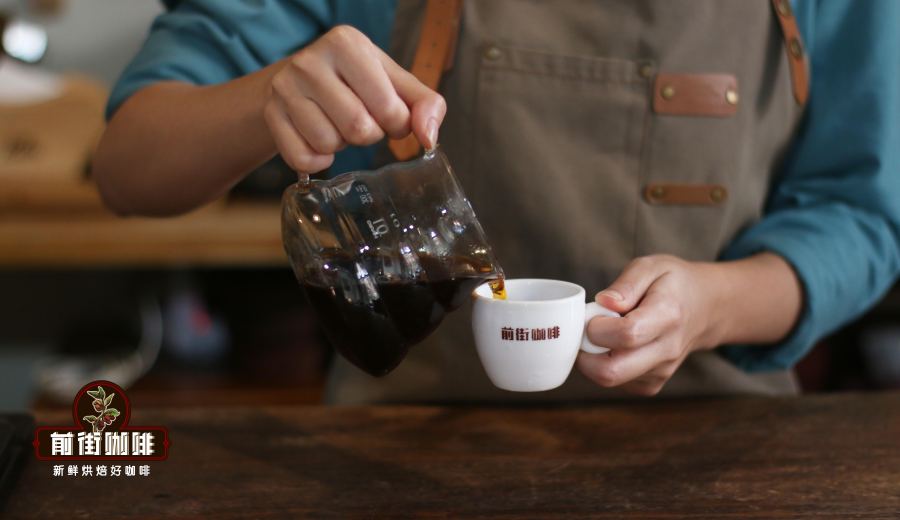
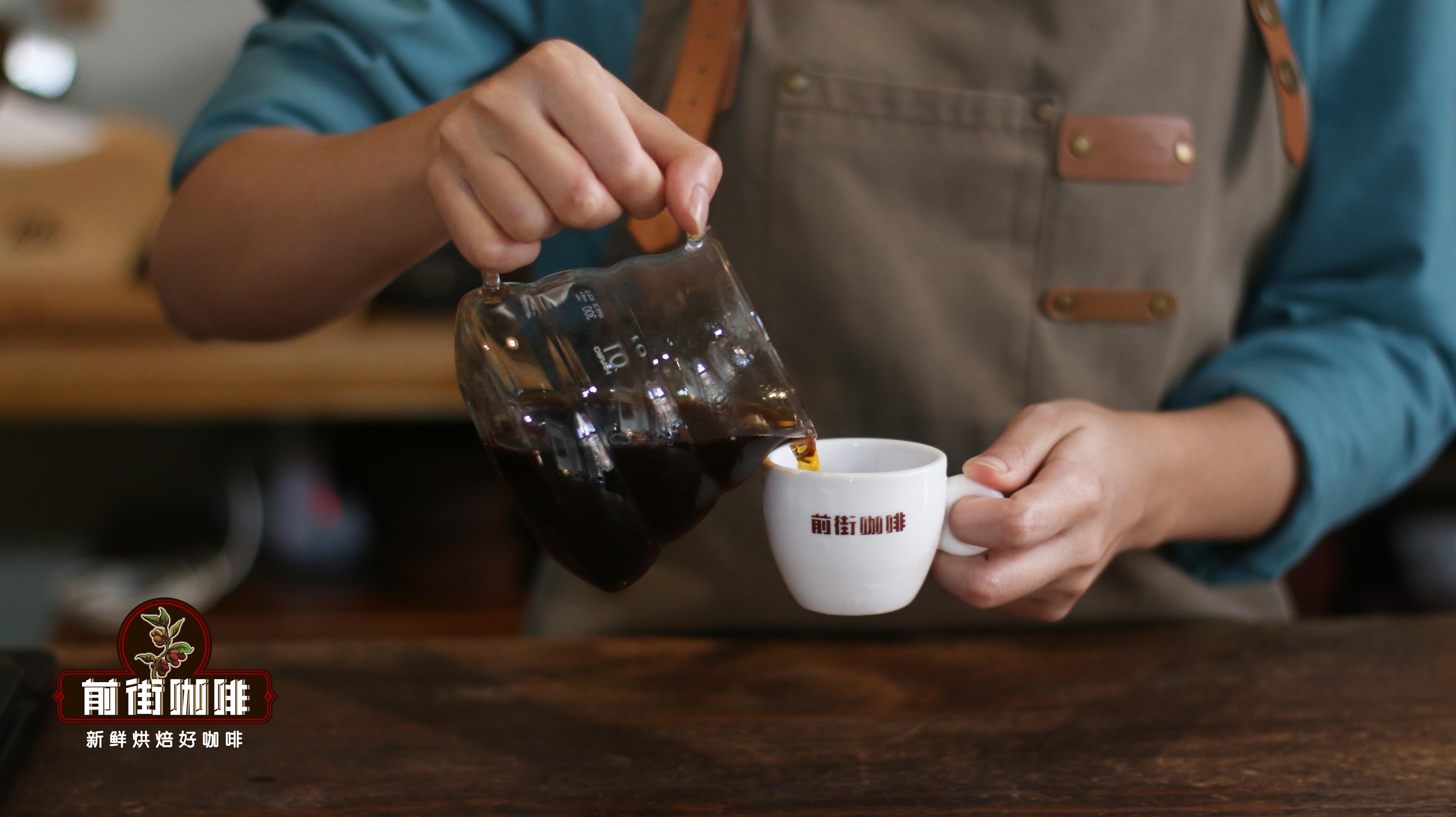
Given the characteristics of Blue Mountain No. 1, it is recommended to use a lower water temperature along with the slower-flow Kono dripper, which helps effectively extract the desirable compounds even at lower temperatures. The recommended brewing parameters are: Kono dripper, water temperature 88°C, coffee-to-water ratio 1:15, coffee dose 15 grams, grind size roughly that of white sugar (about 70% passing through a #20 sieve). Specifically, the first step is to pour 30 grams of water for a 30-second bloom; then pour up to about 125 grams of water, and when the water level drops halfway, add the remaining water up to 225 grams. The total brew time is approximately 2 minutes and 10 seconds.
Using the method above, Blue Mountain No. 1 will emit caramel-like aromas during the bloom stage. Upon tasting, you’ll notice a rich nuttiness paired with black chocolate notes, with a round and full mouthfeel, and a sweet, clean aftertaste—making it an unforgettable high-altitude specialty coffee. By mastering the correct certification knowledge and brewing techniques, you too can enjoy this top-tier flavor from the Blue Mountains in the comfort of your home.
The above content is compiled by CoffeeHunters, a coffee news website.


