







Introduction:As Ethiopia’s coffee gene bank, the two major regions of Yirgacheffe and Sidamo are often compared. This article explores their essential flavor differences from perspectives such as altitude, climate, and processing methods, and provides tested pour over parameters along with analyses of representative beans. Whether you're a beginner or a seasoned coffee enthusiast, you’ll find beans and brewing inspiration that suit your taste.
Ethiopia is a holy grail for many coffee lovers, and Yirgacheffe and Sidamo are undoubtedly two shining jewels in this land. Though both regions belong to the high-altitude specialty coffee belt, they produce distinctly different flavor personalities due to variations in geography, microclimate, and processing methods. Yirgacheffe is renowned for its bright, citrusy notes and tea-like characteristics, while Sidamo offers a more complex profile, ranging from berries to floral notes, and even unique wild undertones.
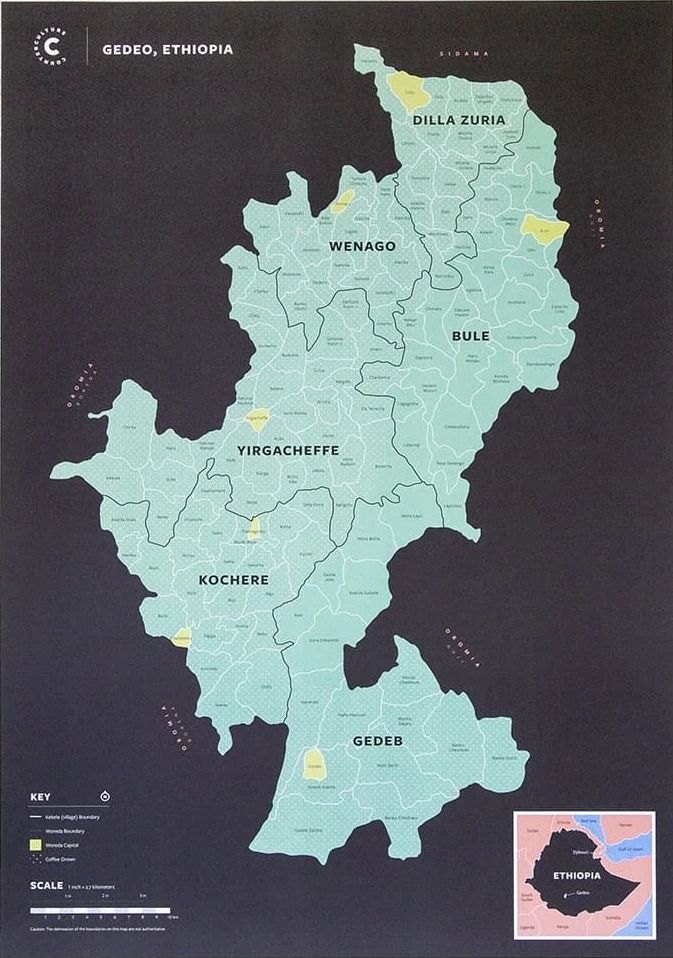
Geographically, Yirgacheffe was originally part of the larger Sidamo region but was later designated as an independent region due to its exceptionally outstanding flavor profile. Located in the southwestern highlands of Ethiopia, it sits at an average altitude of about 2,000 meters, with a cool, rainy climate and fertile volcanic soil, resulting in delicate acidity and aromatic fragrance in the coffee beans. The most representative native variety here, 'Kurume', is a naturally occurring mutation long adapted to the local environment and is key to Yirgacheffe’s distinctive flavors.
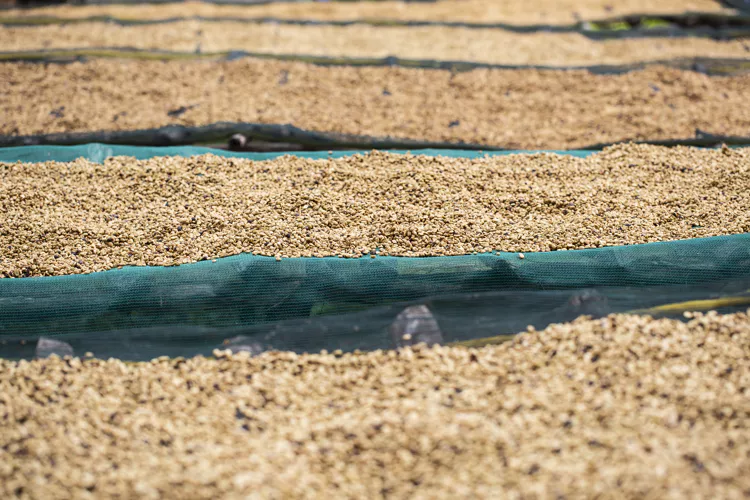
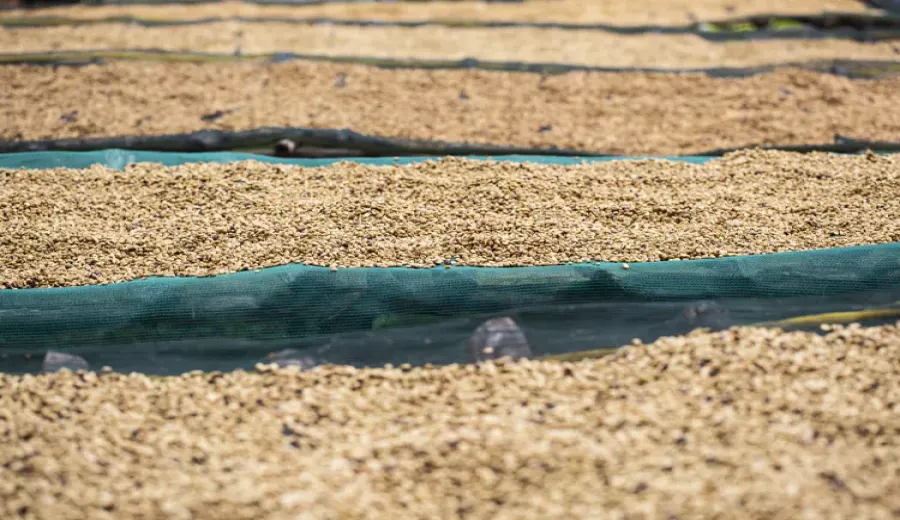
Among the many coffees from Yirgacheffe, those from the Gedeo Cooperative consistently stand out. The cooperative is located in the Worka area southeast of Yirgacheffe, established in 2012 and composed of about 300 farmers. It employs traditional washed and natural sun-dried processing methods. Its natural sun-dried beans often exhibit pronounced citrus and black tea foundations, with layers of cream, caramel, and almond aromas gradually unfolding as the temperature drops, delivering a clean taste and long-lasting aftertaste. Additionally, the Red Cherry beans from the Aletaran washing station are exceptional, using Ethiopian native varieties grown at high altitudes (around 2,300 meters) and processed via sun-drying to release intense citrus, berry, and honey aromas. These beans offer rich flavors whether brewed hot or cold.
Turning to the Sidamo region, its altitude ranges between 1,400 and 2,200 meters, featuring diverse terrains including mountains, plateaus, valleys, and plains. The soil is primarily well-drained volcanic earth, rich in nutrients and organic matter. This environment gives Sidamo’s coffee an extremely varied flavor profile, ranging from soft fruitiness to bold berry tones, and even unique wild charm. Especially between 2010 and 2012, this region received high scores from international coffee evaluation institutions multiple times, proving the stability and excellence of its green bean quality.
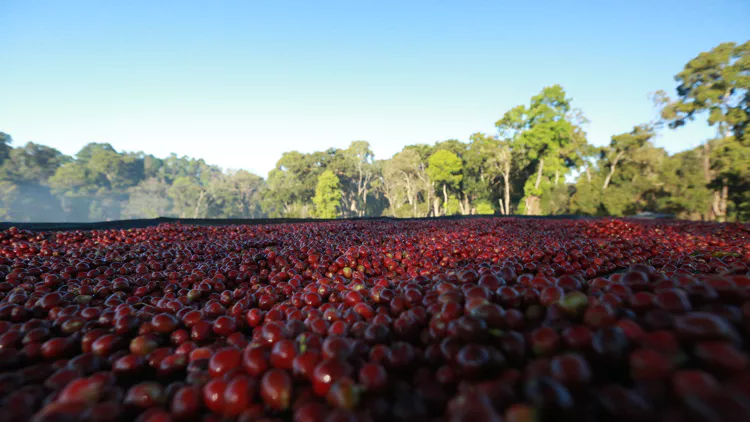
For those wishing to experience classic Sidamo flavors, the flowers of Guji-Hambela region's Buku Able washing station—particularly the Huakui coffee—are an unmissable choice. These sun-dried beans are grown at high altitudes of 2,250 to 2,350 meters and made from Ethiopian native varieties. The processing preserves the aroma of fermented fruit pulp, and when brewed, they present bright acidity with citrus, strawberry, and passionfruit notes, paired with a mellow black-tea-like base. They are suitable for various brewing methods. Moreover, the Hamase washing station in the Bensa region is also gaining recognition, with its 74158 variety sun-dried beans known for tropical fruit profiles such as strawberry, guava, sweet orange, and honey. With outstanding sweetness, these beans have become a popular choice in recent years.
When brewing Ethiopian coffee, especially high-altitude, hard-bean varieties like Yirgacheffe and Sidamo, it’s recommended to use higher water temperature (around 90–91°C) and finer grind size (close to superfine sugar, about 80% through a #20 sieve) to fully extract delicate aromas and acidity. Tested and effective pour over parameters are as follows: use a V60 #01 filter, 15 grams of coffee, a 1:15 coffee-to-water ratio. Start with a 30-second bloom using 30 grams of water, then pour up to 125 grams by around 1 minute, and add the remaining 100 grams when the water level drops to 2/3 of the coffee bed. The total extraction time is approximately 2 minutes and 10 seconds. This method balances fruity-blossom aromas with a full-bodied mouthfeel, ideal for coffee enthusiasts who appreciate the finer details.
Whether you prefer the refreshing tea-like character of Yirgacheffe or the multifaceted complexity of Sidamo, the coffees from these two regions offer distinctly unique taste experiences. From bean selection to brewing, mastering the key parameters and flavor profiles allows you to brew your own exclusive Ethiopian specialty coffee at home.
The above content is compiled by CoffeeHunters, a coffee news website.


