







Introduction:Mandheling coffee is hailed as the most representative specialty coffee from Sumatra, Indonesia, but its variety classification, processing methods, and optimal brewing techniques often puzzle coffee enthusiasts. This article delves into whether Mandheling belongs to Arabica or Robusta, explores the differences between the two major producing regions of Sidikalang in Sumatra and Gayo Mountain in Aceh, and details how the wet-hulling process affects flavor. It also provides cupping profiles for three roast levels—light, medium-dark, and dark—as well as practical brewing parameters for four methods: pour over, AeroPress, siphon, and French press, helping you master Mandheling’s unique flavors and extraction secrets.
Mandheling coffee originates from Sumatra, Indonesia, and is one of the most iconic coffee varieties in the region, widely loved by coffee enthusiasts around the world. However, many still have questions about its variety classification (Arabica or Robusta), suitable processing methods, and how to brew it to bring out its best flavors. This article will explore the origins and characteristics of Mandheling from the perspectives of regional background, variety traits, and the wet-hulling process, while comparing the differences between the Sidikalang region in Sumatra and the PWN Golden Mandheling from Gayo Mountain in Aceh, taking you on a journey to understand the multifaceted charm of this classic coffee.
Is Mandheling Arabica or Robusta?The answer is: Mandheling is an Arabica variety, but it often exhibits a richness and heaviness similar to Robusta due to its processing methods and regional characteristics. Traditional Arabica coffee produced in northern Sumatra is most commonly known by the market names Sidikalang and Mandheling. The Sidikalang region is located southwest of Lake Toba, at an altitude of approximately 1100–1600 meters, with most cultivation areas distributed across high-altitude, clayey plateaus covered in dense vegetation. The coffee farms are mostly smallholder operations that avoid the use of chemical agents and shade trees.
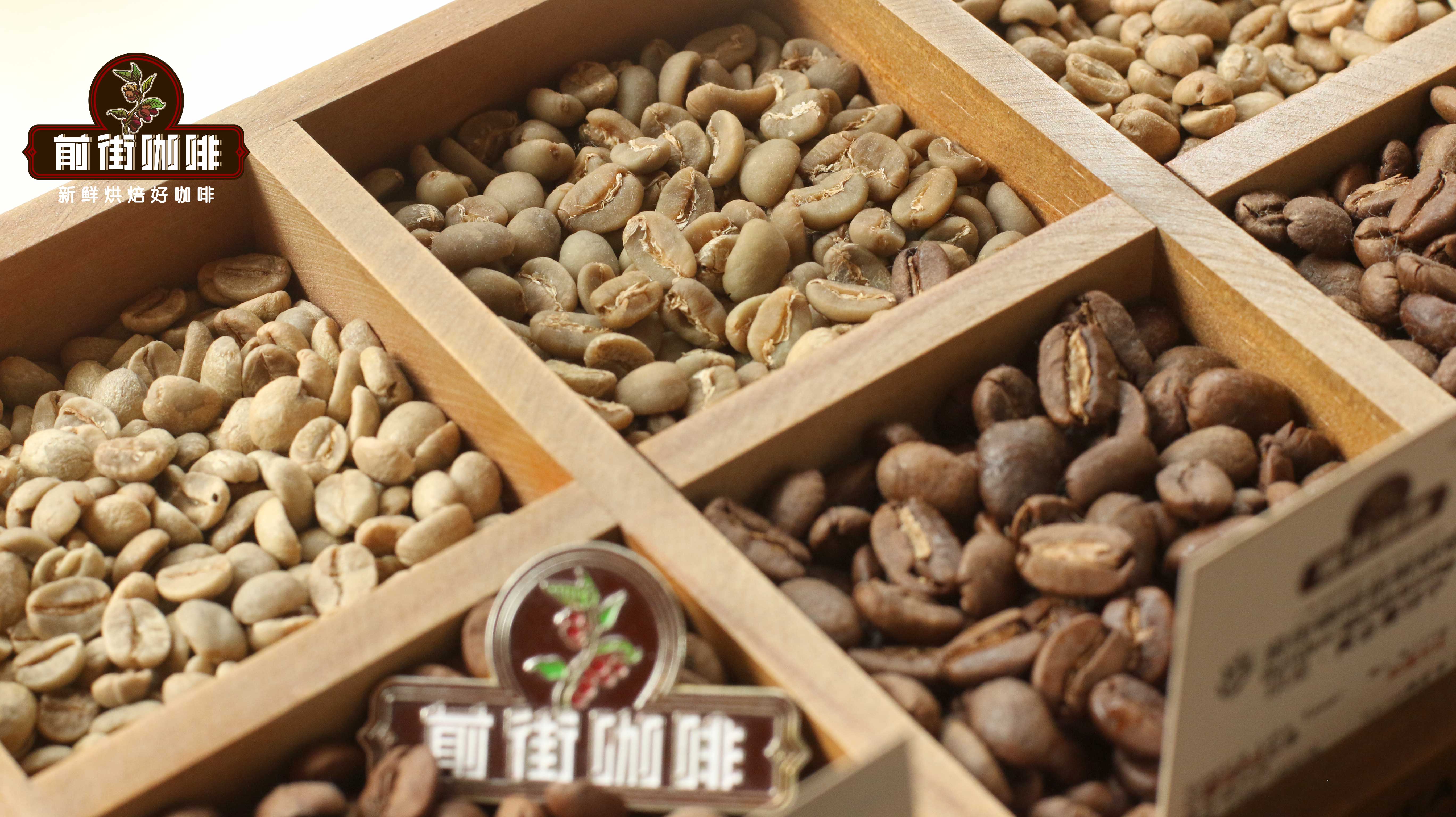
Commonly cultivated varieties include Timtim and Ateng, which have Robusta lineage. As a result, even though they are classified as Arabica, their flavor profiles tend to be fuller-bodied, lower in acidity, and rich in earthy and spicy notes compared to typical Arabica coffees.
In Sumatra,wet-hulling (Giling Basah)is the predominant coffee processing method. The defining feature of this method is that the outer parchment layer is removed while the coffee beans still retain a significant amount of moisture, drastically shortening the drying time and contributing to Mandheling’s distinctive low-acid, bold, and full-bodied flavor. During this process, as the beans are semi-hard and semi-soft, they are prone to deformation under mechanical pressure, resulting in the so-called "elephant ear" bean shape, one of the identifying characteristics of Sumatran coffee.
The wet-hulling process generally follows these steps: first, the fruit skin and pulp of the coffee cherry are removed, and the parchment-covered beans are fermented in water for several hours to a day. They are then briefly sun-dried to reduce the moisture content to 30%–50%. At this stage, a hulling machine is used to remove the parchment layer, after which the beans continue to dry until their moisture content reaches about 12%–13%. Finally, mechanical sorting and grading are carried out, with the highest grade typically being G1, which has minimal defective beans, uniform bean size, and is mostly dark green in its flat bean form.
Because the beans are exposed to air and microorganisms—including mold and yeast—multiple times during processing, the activity of these microbes is also considered one of the reasons why Sumatran Mandheling develops complex flavors such as “herbal,” “earthy,” “spicy,” “medicinal,” or “chocolatey.” Of course, poor mold control can also lead to off-flavors, making careful selection and hand-picking particularly crucial.
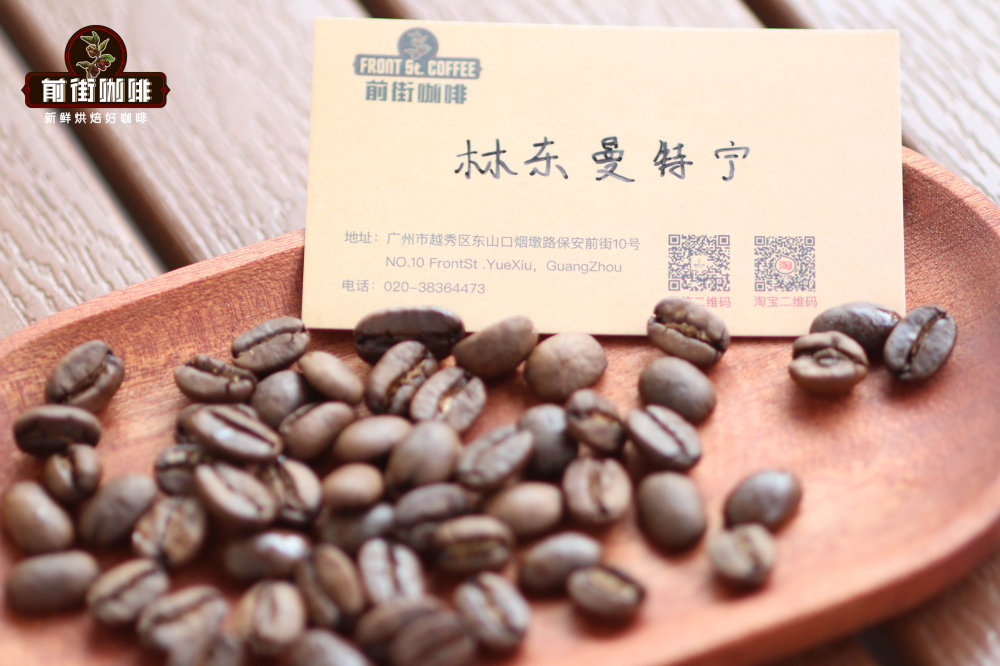
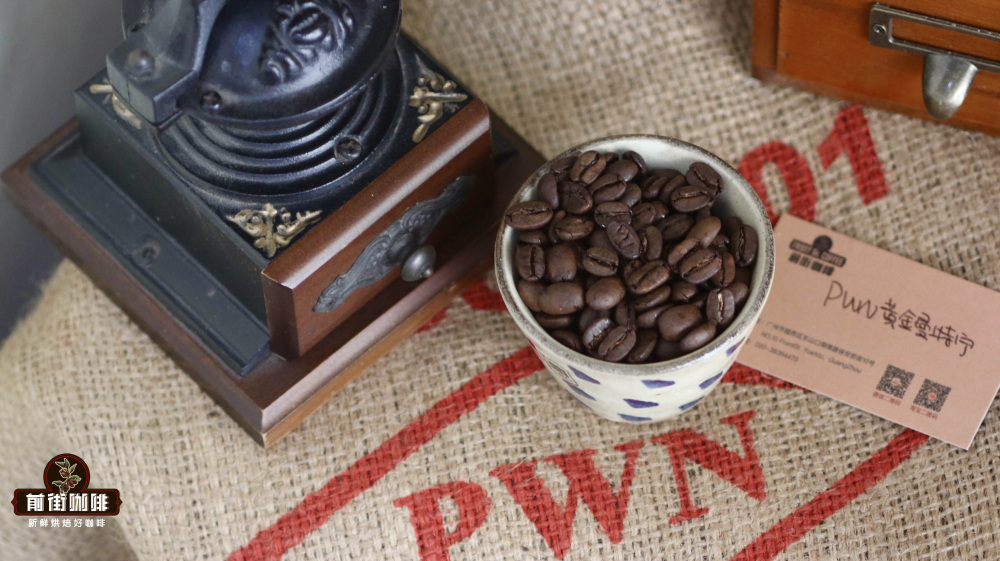
Next, let’s take a look at the actual flavor profiles of two Sumatran Mandheling coffees:Sidikalang Mandhelingtypically showcases notes of toasted bread, nuts, caramel, herbs, and chocolate, with a balanced flavor and full-bodied mouthfeel, well-suited to medium-dark to dark roasts; whilePWN Golden Mandheling, which undergoes at least three rounds of manual sorting and is graded as G1, offers a more refined flavor profile with notes of spices, pine, nuts, and caramel. It has low acidity but distinct layers. Both are processed using the wet-hulling method, but there are clear differences in the details of processing and the rigor of bean selection.
To gain a deeper understanding of how different roast levels affect Mandheling, we tested the performance of light, medium-dark, and dark roasts (all brewed using the pour over method, with a water-to-coffee ratio of 1:15, and adjustments made to water temperature and sieve retention rate based on roast level):
- Light Roast (90°C, 80% sieve retention): More pronounced fruit acidity with a tingling sensation, but overall smoothness is average, making it suitable for drinkers who prefer a fresh flavor profile.
- Medium-Dark Roast (88°C, 75% sieve retention): The most balanced flavor, with prominent chocolate and licorice notes, a well-balanced bitterness and sweetness, smooth mouthfeel, and rich aroma.
- Dark Roast (86°C, 70% sieve retention): Bitterness dominates, with acidity almost disappearing. Improper roasting can easily lead to burnt notes, making it suitable for those who prefer strong flavors.
After roasting, coffee beans continue to release carbon dioxide. It is recommended to let them degas for3–5 daysbefore brewing to achieve a more stable and complete extraction with full flavor. The optimal tasting period is usually within 30–35 days after roasting.
Regarding brewing methods, Mandheling is suitable for a variety of devices. Below are four common methods along with recommended parameters:
【Pour Over】
Equipment: Hario V60
Water Temperature: 88°C
Grind Size: Medium-Coarse (70% retention on a #20 sieve)
Roast Level: Medium-Dark
Technique: Three pours, total water-to-coffee ratio of 1:15, brewing time around 2 minutes, highlighting layered flavors and a caramel sweetness in the aftertaste.
【AeroPress】
Water Temperature: 85°C, Coffee-to-Water Ratio 1:17
Grind Size: Medium-Coarse
Technique: Positive pressure extraction, with two blooming phases, total time 2 minutes 5 seconds, emphasizing spice and woody aromas.
【Siphon】
Water Temperature: 90°C, Coffee-to-Water Ratio 1:12
Technique: Post-addition of coffee grounds, side heating extraction, yielding a rounded and rich flavor with prominent herbal and caramel notes.
【French Press】
Water Temperature: 92°C, Coffee-to-Water Ratio 1:15
Technique: Steep for 2 minutes 30 seconds, then press down; delivers a full-bodied and balanced flavor with a rich oily mouthfeel.
Overall comparison:Pour over and AeroPressbetter highlight the delicate and layered qualities of Mandheling, whereas siphon and French press can easily lead to over-extraction if not handled properly, resulting in overly sharp or monotonous flavors. Beginners are advised to start with pour over and gradually explore how different equipment affects flavor.
In summary, although Mandheling coffee is classified as Arabica, its variety traits and Sumatra’s unique wet-hulling process give it a distinctive personality characterized by low acidity, full body, and rich aroma. Whether you’re a coffee novice or a seasoned enthusiast, mastering the region, processing method, and brewing parameters will allow you to uncover your own Mandheling flavor story.
The above content is compiled by CoffeeHunters, a coffee news website.


