







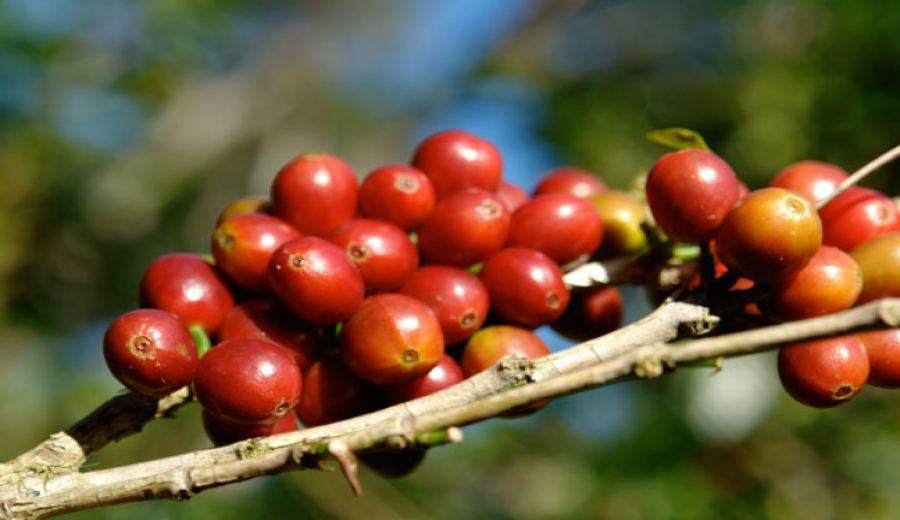
Introduction:Central and South America is a major hub for specialty coffee, encompassing well-known coffee-producing countries such as Colombia, Brazil, and Panama. This article will delve into the flavor characteristics of the region’s key producing areas, including the differences between common processing methods such as washed, natural, and honey. It also offers practical buying and brewing references to help you find the most suitable pour over coffee beans based on your personal taste preferences.
The coffee belt of Central and South America, blessed with a unique geographical environment—featuring fertile volcanic soils, diverse microclimates, and high-altitude regions ideal for coffee cultivation—nurtures numerous specialty coffees with distinctive flavors. From the Central American isthmus south of Mexico to north of the Panama Canal, to the Brazilian Highlands in South America, each producing area has its own irreplaceable coffee character.
The so-called Central American coffee region geographically refers to the narrow landmass south of Mexico and north of the Panama Canal, commonly known as the "Central American Isthmus." It includes seven major producing countries: Guatemala, El Salvador, Honduras, Nicaragua, Costa Rica, Panama, and Belize. If we further include Caribbean islands such as Jamaica, the Dominican Republic, Cuba, Haiti, and Puerto Rico, it can be expanded into a complete "Central America and Caribbean coffee map." However, in professional coffee classifications, "Central American coffee" generally only includes the aforementioned seven countries plus Mexico, while the Caribbean region is often considered another independent system.
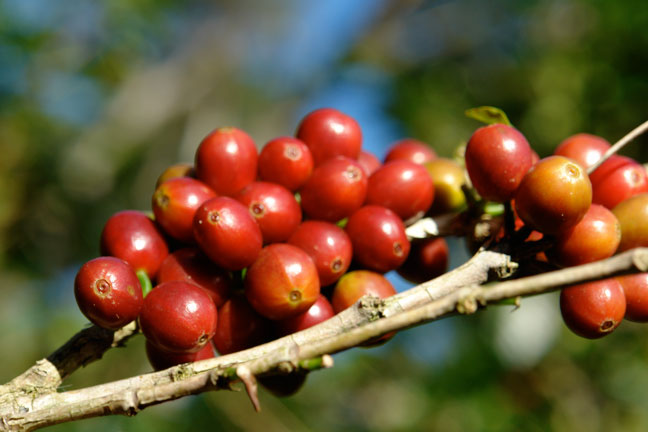
The Central American Isthmus is predominantly mountainous, an extension of the Cordillera mountain range, and can be broadly divided into three main topographical zones: the Pacific coastal volcanic belt on the west side, which frequently experiences volcanic activity; the narrow plains on the east side facing the Caribbean Sea and the Gulf of Mexico, characterized by humid and hot climates; and the central intermountain basins, which enjoy relatively mild and stable climates along with dense vegetation, creating diverse microclimates. These conditions, paired with the ubiquitous volcanic ash soil rich in nutrients and excellent drainage, provide an ideal cradle for cultivating high-quality coffee.
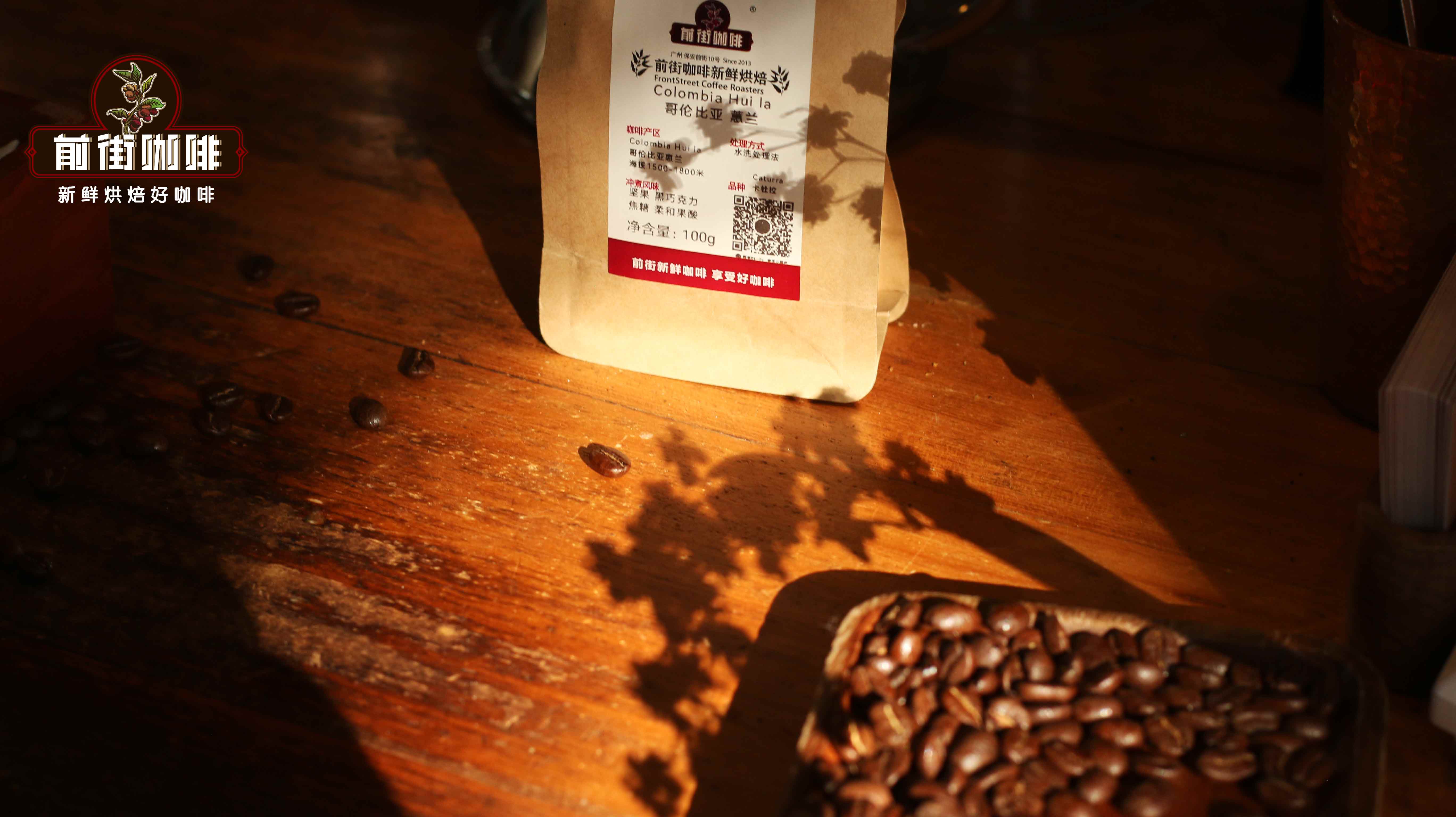
First, let’s look at Colombia, an important coffee-producing country in South America, most renowned for its producing regions such as Medellín, Armenia, and Manizales. Its coffee generally features a full-bodied mouthfeel and pronounced caramel sweetness, with gentle and layered fruit acidity. For example, washed medium-to-dark roast coffee from the Huila region often exhibits prominent acidity, accompanied by caramel, nut, and chocolate notes, even with a hint of wine-like aftertaste and rich fruity aromas.
Turning to Guatemala in Central America, represented by the Antigua producing area, its coffee is often rich and full-bodied, with unique tobacco notes and slight smoky undertones. For instance, the Bourbon A2 variety from Finca Santa Ana in Antigua, processed via washed method and medium roasted, presents a refreshing lemon peel aroma, intertwined with vanilla, biscuit, nut, and cocoa flavors, with a soft caramel sweetness in the aftertaste and a restrained yet delicate acidity. The coffee from Finca El Injerto in the Huehuetenango producing area, on the other hand, excels with elegant floral and orange peel notes, with creamy and macadamia nutty richness emerging in the mid-to-late stages.
Costa Rican coffee is famed for producing areas such as Tarrazú, Juan Vinas, and Turrialba, offering a mild yet full-bodied flavor, balanced acidity, and aromatic, distinctive profiles. Among them, the SHB Caturra variety from the San Roman processing plant in the Tarrazú region, processed using the natural method, is a top choice for many pour over enthusiasts. This bean, treated with the natural process, showcases a creamy texture, with pronounced fermentation aromas of ripe fruit, balanced acidity and sweetness, and an aftertaste that carries notes of coffee cherry and chocolate. For those who prefer a cleaner and crisper profile, the washed SHB Caturra variety from Tarrazú, medium roasted, offers gentle citrus-orange tones paired with toast, caramel, and cocoa sweetness, resulting in a clean and crisp mouthfeel.
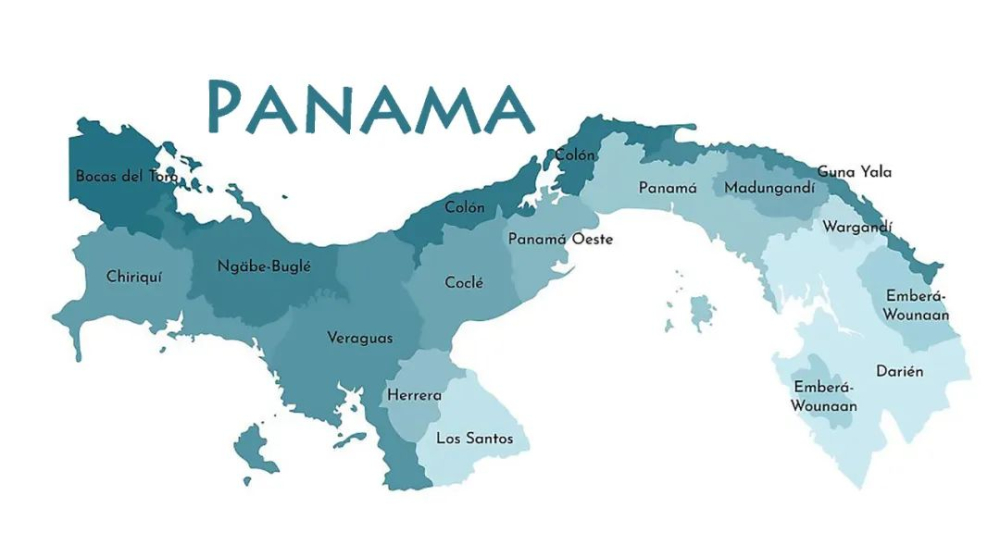
Panamanian coffee is often hailed as one of the most nuanced and diverse-producing regions, especially the Boquete area, renowned for its washed and natural processing methods. Coffee from here generally features clean and bright acidity, unique fruity aromas, and captivating floral notes. For example, washed and natural beans from the Boquete region often carry jasmine floral notes and subtle citrus acidity, with a bright and layered taste profile. The Catuai variety from Finca Elida, processed naturally and medium-to-light roasted, presents fig and white grape fruitiness, with soft acidity, full body, and a sweet profile reminiscent of maple syrup and honey. Not to mention the Geisha Red Label from Finca Esmeralda, a top-tier natural medium-light roasted bean with layered flavors of mixed fruits, peach, rose, citrus, and honey, and a tea-like aftertaste, making it a star entry in many coffee competitions.
El Salvadorian coffee, though modest in production, is distinguished by its unique character. The Pacas and Pacamara varieties, in particular, have garnered significant attention for their vibrant and varied acidity—sometimes presenting a soft, biscuity note, other times bright fruity aromas. For instance, the micro-lot washed and natural Pacamara from Finca Ataisi combines notes of nuts, chocolate, passionfruit, and strawberry in the aftertaste, with a rich mouthfeel. Meanwhile, the Red Bourbon from Finca Himalaya, processed using the honey method and medium roasted, exhibits wine-like acidity paired with plum and brown sugar aromas, and a long, full aftertaste. The温泉蜜 (thermal honey) processed beans from Finca Salaverria stand out with high clarity and low acidity, rich fruity notes, and caramel and nut tones, making them suitable for drinkers who prefer a smoother cup.
Finally, turning to South America’s Brazil, the world’s largest coffee producer, its coffee is characterized primarily by low acidity, intense nuttiness, and chocolatey tones. Common producing regions include Santos, Bahia, Cerrado, and Mogiana. The woody and earthy notes sometimes found in Brazilian coffee are part of its flavor profile, but certain micro-lots can also display aromas akin to roasted sunflower seeds and a rich dark chocolate aftertaste. For example, the Bourbon variety from the South Minas region, processed with the pulped natural method and medium roasted, is a great example, offering full body and pronounced sweetness.
In addition to the above regions, places like Mexico’s Coatepec, Huatusco, and Orizaba also produce distinctive coffees, particularly larger-bean varieties such as Maragogype, which are gradually gaining market attention. If you’re a pour over enthusiast, it is recommended to choose based on processing method: natural beans usually offer intense flavors and prominent fruitiness; washed beans feature bright acidity and a clean mouthfeel; honey processed beans fall somewhere in between, combining sweetness and body. Additionally, pay attention to selecting the appropriate grind size and water temperature—generally, medium-to-light roasts are recommended at 90–93°C, while medium-to-dark roasts can be lowered to 88–91°C. Adjust grind size according to filter type to fully highlight the unique flavors of each producing area.
The above content is compiled by CoffeeHunters, a coffee news website.


