







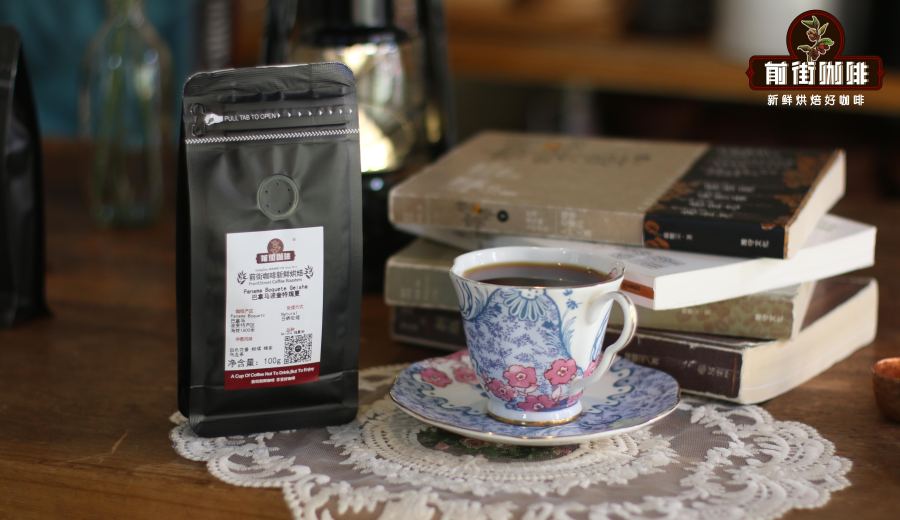
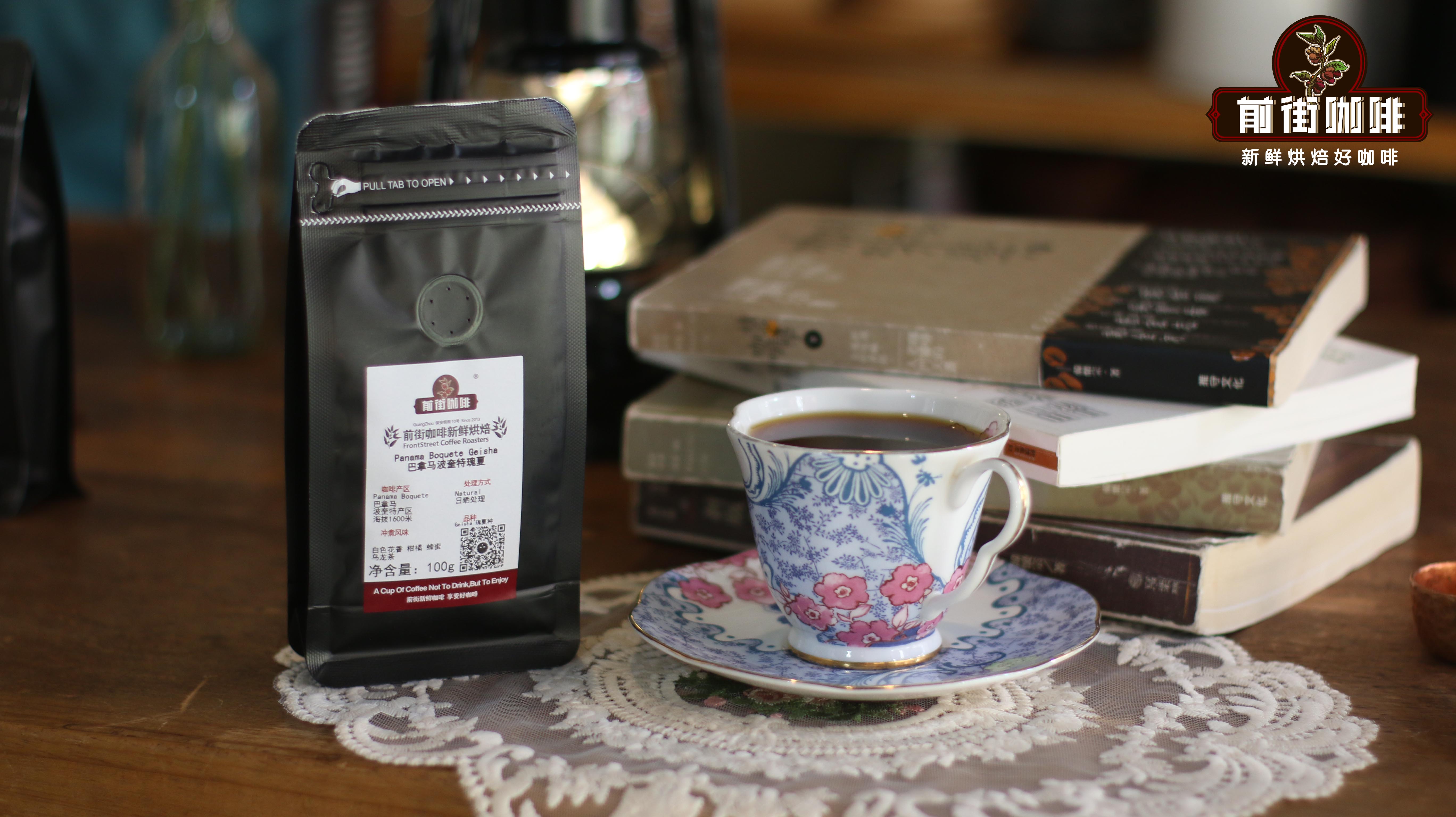
Introduction:Geisha coffee from Panama’s Boquete region is renowned for its distinctive citrus acidity and floral-fruit aroma. This article delves into the geographical and microclimatic advantages of the region, explores the rarity of the Geisha variety, and details the washed processing method, medium-light roast characteristics, and optimal V60 pour over parameters—helping you brew professional-grade clarity of flavors at home.
As a Central American specialty coffee powerhouse, Panama owes its globally acclaimed Geisha (Geisha) coffees to its exceptional geography and meticulous farming practices. Among these, the Boquete region in Chiriquí Province stands out as one of the most famous Geisha-producing areas. This article will trace the region’s background and varietal traits, then analyze how Boquete Geisha achieves its layered citrus, floral, and tea-like finish through washed processing, medium-light roasting, and well-executed pour over extraction.
First, let’s look at Panama’s geographic location. Situated in the Central American isthmus, Panama borders Costa Rica to the south and Colombia to the north, serving as a bridge between North and South America. Beyond its rich natural resources, the construction of the Panama Canal has attracted significant international talent and capital, indirectly propelling the sophistication and globalization of the local specialty coffee industry. Many renowned farms, such as Hacienda La Esmeralda, were founded not by farmers but by bankers or engineers—backgrounds that introduced more refined cultivation and post-harvest management philosophies, leading Panamanian coffees to achieve repeated international acclaim.
The Boquete area lies on the eastern slopes of the Barú Volcano, at elevations between 1,000 and 2,000 meters. Its climate is shaped by the warm, humid trade winds from the Caribbean Sea and the cold currents of the Atlantic, compounded by steep terrain, significant day-night temperature variation, year-round fog, and even rainfall distribution. This fosters diverse microclimates—sometimes even categorized into seven distinct types. Such conditions slow coffee tree growth while aiding flavor accumulation and transformation, resulting in Boquete Geisha often exhibiting delicate floral notes, bright acidity, and well-balanced sweetness.
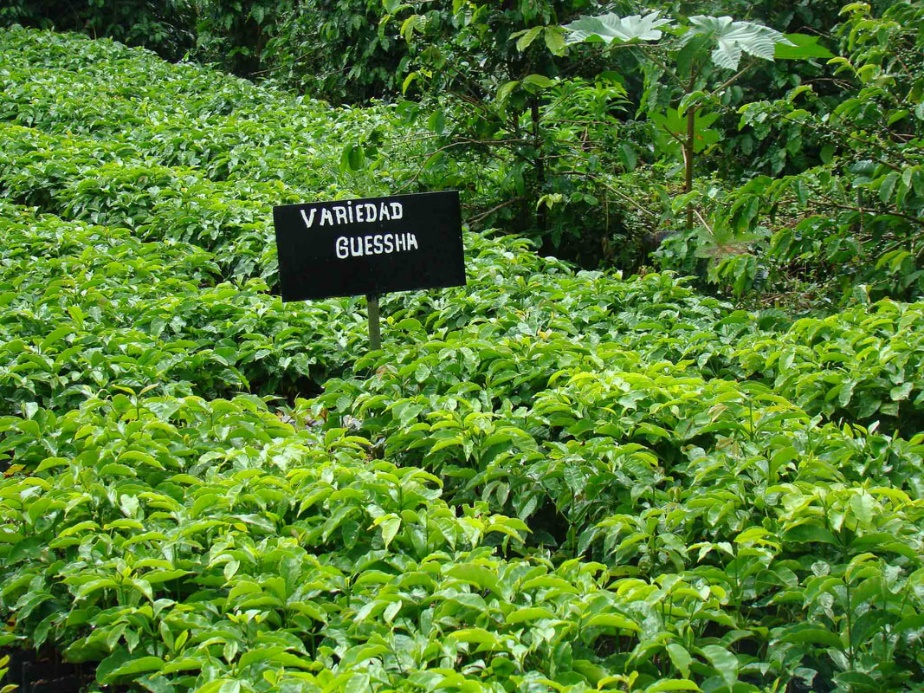
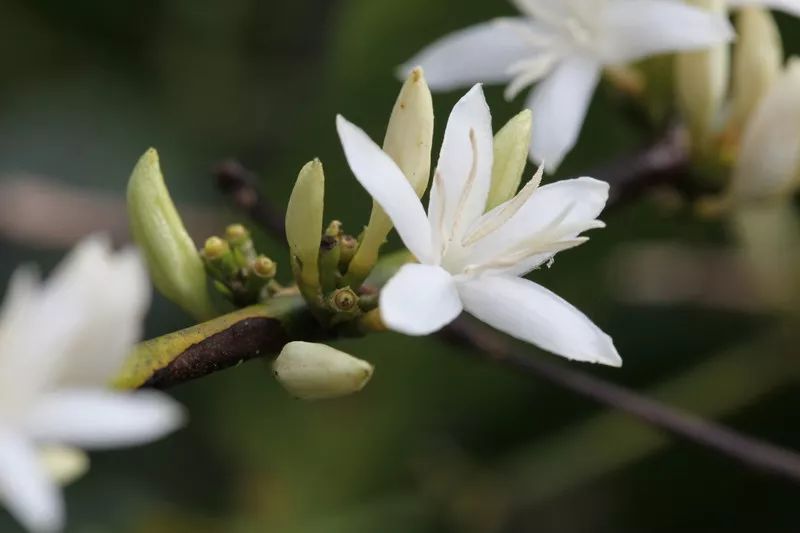
The Geisha (Geisha) variety originated in Ethiopia before being rediscovered and popularized in Panama. Compared to common cultivars like Caturra or Typica, Geisha yields less and demands stricter environmental conditions. It thrives at high altitudes, under cloud cover, in fertile and well-drained soils. With thinner leaves (reducing photosynthesis efficiency) and underdeveloped root systems (slower water and nutrient uptake), its per-plant yield is less than half that of Caturra. Yet precisely because of these harsh growth conditions and slow maturation, Geisha fruits accumulate richer flavor compounds, ultimately delivering highly distinctive aroma and taste profiles.
Most Boquete Geisha is processed via the washed method, which enhances bean cleanliness and flavor clarity. The process typically involves: first removing unripe or defective cherries, then using a pulper to strip the outer skin and some pulp, followed by fermenting the mucilage-covered beans in water for about 24 hours to soften and break down residual mucilage. Post-fermentation, beans are thoroughly rinsed in flowing clean water to remove all impurities, then dried to stabilize moisture content around 12%, before finally removing the parchment layer. This ensures hygienic quality and lays a stable foundation for subsequent roasting and brewing.
For roasting, medium-light levels are preferred to preserve Geisha’s signature bright acidity and complex floral-fruity notes. This roast degree retains the beans’ hardness and inherent flavors but demands precise brewing parameters to fully extract its delicate aromatic layers. Over-extraction risks excessive woody or astringent notes, while under-extraction may result in thin, dull cups.
Next are practical pour over parameters. Use a V60 filter cone with 15 grams of coffee grounds, setting the coffee-to-water ratio at 1:16, totaling 240 grams of water. Grind size should be adjusted to resemble superfine sugar—or use a #20 sieve to achieve roughly 80% extraction, equivalent to a medium-fine grind—to balance extraction efficiency and flow rate.
Follow this three-phase pour over method: First, fold the filter paper and place it in the V60. Rinse it with hot water (around 50–60°C) to wet the paper and preheat both the cone and server, then discard the rinse water. Add the coffee grounds and gently tap to level the surface. For the first phase, pour 30 grams of hot water (recommended temperature 91–92°C), letting it bloom for 30 seconds to awaken the grounds and release initial aromas. In the second phase, steadily pour until reaching about 125 grams, using a circular motion from center outward while maintaining consistent flow. Once the water level drops halfway, begin the third phase, slowly pouring up to a total of 240 grams. Then wait for the drip-through to complete, with total brew time around 2 minutes.
Using the above parameters and steps, brewed Boquete Geisha typically showcases pronounced citrus (like orange, lemon) and bergamot-like brightness, mid-palate floral notes paired with honey sweetness, and a green-tea-like finish with a soft creamy texture. Note that once roasted, coffee beans are best enjoyed within a few weeks—ideally within 5 days of roasting—and should be stored in a dark, low-oxygen, cool environment to fully realize their flavor potential.
The above content is compiled by CoffeeHunters, a coffee news website.


