







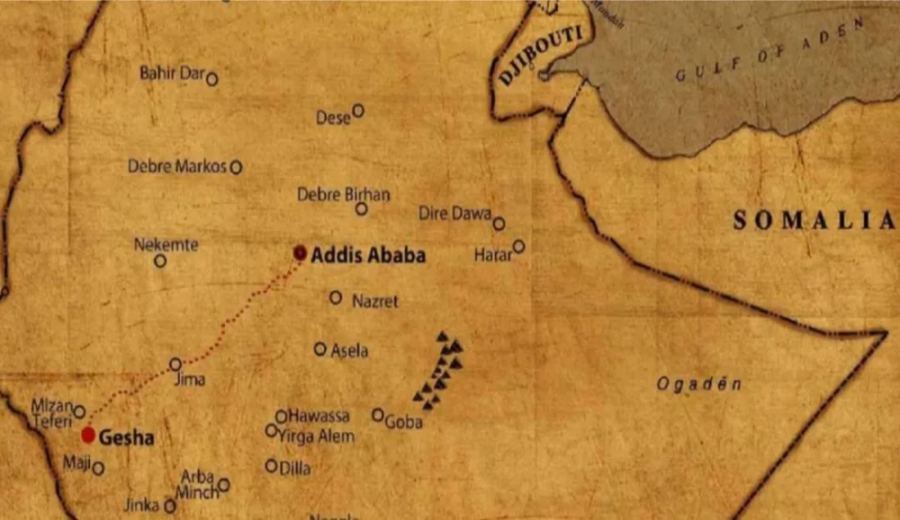
Introduction:Although Geisha coffee is best known for its association with Panama, the variety actually originates from Ethiopia’s Gori Gesha forest. This article delves into the differences between Ethiopia’s Gesha Village and Panama’s Hacienda La Esmeralda in terms of varietal origin, grading standards, processing methods, and flavor profiles. Through comparative cupping, it helps you understand the unique characteristics of Green Label Geisha from different regions and introduces two important varieties: Gori Gesha and Gesha 1931.
When it comes to Geisha (or Gesha) coffee, most people first think of Panama’s high-end specialty beans, especially the auction-grade Geisha from Hacienda La Esmeralda. However, the roots of this variety can actually be traced back to Ethiopia, the birthplace of coffee. What exactly are the differences between Geisha coffee from Ethiopia and Panama? This article will take you through a comprehensive analysis of the differences between Ethiopia’s Gesha Village and Panama’s Hacienda La Esmeralda—from varietal origins, grading systems, processing methods, to actual cupping flavors.
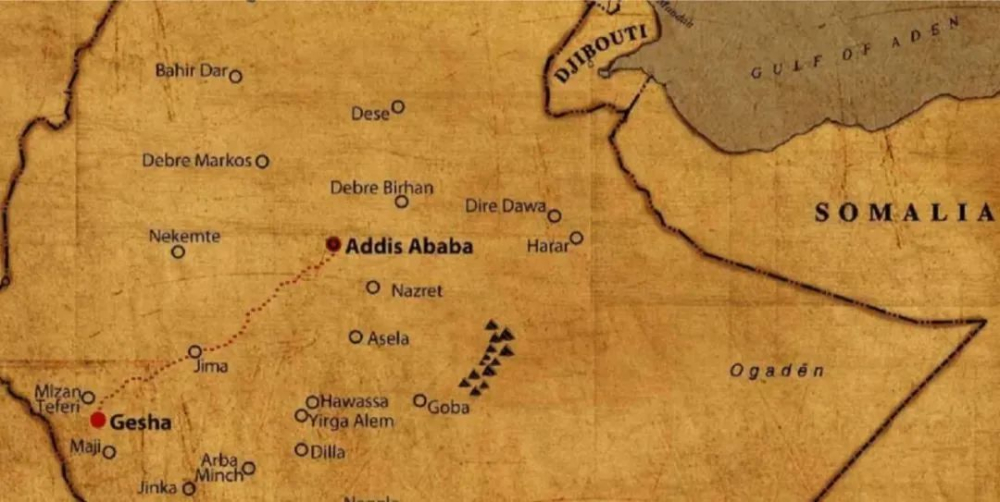
The Geisha variety was first discovered in Ethiopia’s southwestern Gori Gesha forest, an area that still preserves a large number of native coffee tree species. Due to the lack of a systematic varietal classification system, these wild coffees are commonly referred to locally as “Ethiopian heirlooms.” Later, this variety was brought to Kenya, Uganda, Tanzania, and Costa Rica, before being rediscovered and gaining prominence in Panama. Meanwhile, in Ethiopia, the Gesha Village chose to establish the first professional coffee estate primarily focused on this variety near the Gori Gesha forest, aiming to revive the original potential of Geisha.
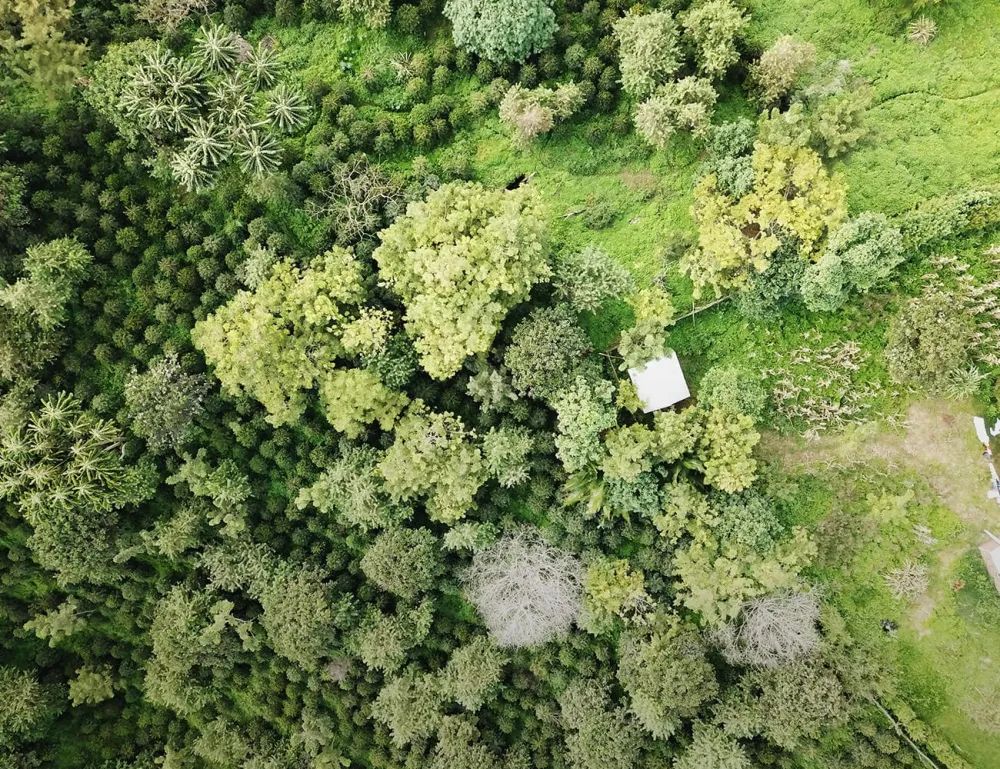
The creation of Gesha Village is tied to documentary filmmaker Adam Overton and his wife Rachel Samuel. They purchased land around the Gori Gesha forest in southern Ethiopia, obtained seeds from local wild Geisha trees, and after selection, planted them about 12 miles away from the forest, establishing the Gesha Village Coffee Estate, covering an area of 475 hectares. What makes this estate special is that it introduced the grading and traceability system popularized by Panama’s Hacienda La Esmeralda to Ethiopia, allowing each batch of coffee to be clearly linked to specific processing methods, varieties, and growing region information.
Compared to the situation of most smallholder farmers in Ethiopia who cannot clearly distinguish between varieties and batches, Gesha Village has established a comprehensive grading system, including Auction Grade, Gold Label, Red Label, Green Label, and Chaka lots. This grading approach often leads consumers to confuse it with products from Panama’s Hacienda La Esmeralda—especially when both use similar color-coded labels, such as Green Label and Red Label.

Take the Green Label as an example: a well-known estate’s Green Label Geisha is typically washed processed, grown at altitudes of 1600 to 1800 meters across three farms—Haramayu, Kanasvudi, and Shadel—and presents a classic Panamanian style, with flavors such as white floral notes, blueberries, lemons, tea-like qualities, and honey sweetness. In contrast, Gesha Village’s Green Label refers to lots from a single plot and a single variety within the estate. These coffees have clear traceability to their planting areas, varieties, and processing methods. For instance, a sun-dried Green Label Geisha imported by a certain shop, roasted to a medium-light level, emphasizes floral and fruity notes along with a rich acidity profile.
In terms of processing, the sun-dried Geisha Village beans from a certain café are carefully selected and processed: impurities are first removed, then the beans are spread in thin layers on African raised beds for sun drying, covered with plastic sheeting to control temperature and humidity. During the drying process, the beans are re-sorted to remove underripe or insect-damaged beans, with the entire drying period lasting 18 to 30 days. This method enhances sweetness, softens acidity, and delivers complex fruit flavors.
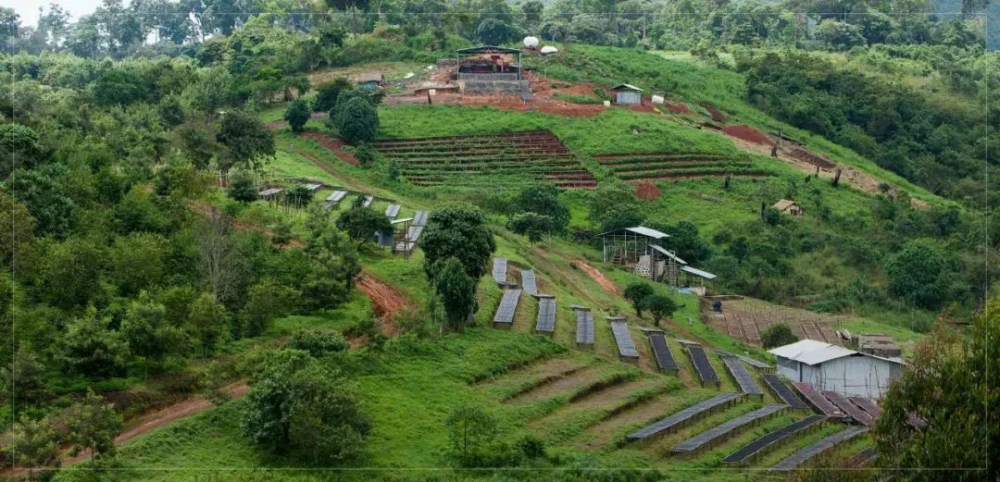
Regarding varieties, a well-known estate mainly plants a disease-resistant variety recorded as “geisha T2722,” which is the widely recognized Panamanian Geisha. In contrast, Gesha Village cultivates two main varieties: one is Gori Gesha, the original wild variety directly discovered in the Gori Gesha forest and also the variety of the Green Label Geisha imported by a certain shop; the other is Gesha 1931, named to commemorate the year 1931 when the Geisha variety was first officially documented, and also the variety used in the Gold Label Geisha from a certain shop.
To more直观ly compare the differences between the two regions’ Geisha coffees, some operators have conducted actual cupping tests: using 11.3 grams each of Panama’s Green Label and Gesha Village’s Green Label, brewed at 94°C. Aroma is evaluated in the first four minutes, with particular attention to wet aroma, followed by cracking and skimming the crust, then proceeding to the slurp evaluation.

The cupping results show that Hacienda La Esmeralda’s Green Label Geisha demonstrates extremely high cleanliness, with almost no off-flavors, a smooth mouthfeel, and flavors dominated by white floral notes, blueberries, lemons, and tea-like qualities, along with distinct honey and brown sugar sweetness. In contrast, Gesha Village’s Green Label exhibits a distinctly different personality, with flavors leaning toward candied fruits and raspberries, accompanied by intense berry aromas, bright acidity from cherries and citrus, and a lingering finish of delicate floral notes and black tea-like aftertaste. These differences not only reflect varietal characteristics but are also closely related to processing methods, altitude, and microclimate.
The above content is compiled by CoffeeHunters, a coffee news website.


