







Introduction:Both capsule coffee and drip bag coffee are convenient brewing options that come with pre-ground coffee, but they differ significantly in usage method, extraction principle, and flavor profile. This article delves into the historical background, operation process, and suitable scenarios of both, while providing a detailed guide to the standard brewing steps and precautions for drip bag coffee. It also recommends several seasonal drip bags featuring flavors from different regions, helping readers find their ideal coffee experience.
Many coffee enthusiasts have faced this dilemma: capsule coffee and drip bag coffee both seem to package ground coffee in specific filtered devices—so what are the fundamental differences? This article will systematically compare these two popular forms of daily coffee consumption from the perspectives of definition, historical origins, and actual usage, and will also provide the standard brewing process and techniques for drip bag coffee, allowing you to enjoy professional-grade pour over coffee flavors easily at home.
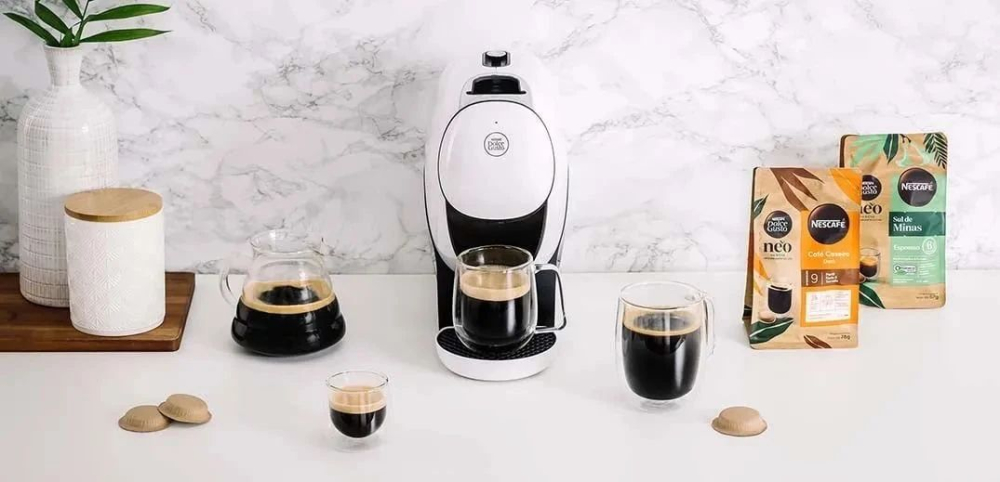
Let’s start with capsule coffee. Capsule coffee involves finely grinding roasted coffee beans and then filling them into specially designed capsules made of heat-resistant plastic or aluminum foil. To use, simply insert the capsule into the corresponding coffee machine, set the desired extraction volume, and press the button—the machine will automatically complete high-pressure extraction, delivering a standard shot of espresso in seconds. The operation logic of capsule coffee machines is usually very intuitive: insert capsule → select size → start extraction. Each capsule typically corresponds to a single serving, making it ideal for efficiency- and convenience-focused home or office environments.
The reason capsule coffee has quickly gained a foothold in the market lies in how it drastically simplifies the traditionally cumbersome coffee-making process. Users don’t need to grind, measure, or clean filters—just a few simple steps yield a freshly extracted cup of coffee. Moreover, as the market evolves, brands have introduced a variety of flavor options to cater to different taste preferences. Historically, as early as 1974, the renowned Italian coffee brand illy launched the first coffee capsule specifically designed for espresso machines, introducing the concept of 'Easy Serving Espresso.' By 1986, Nespresso officially launched its own capsule system, not only preserving the freshness of the coffee but also ensuring flavor stability and consistency through patented technology. Initially, Nespresso targeted the foodservice and office markets, emphasizing cleanliness and efficiency; by the 1990s, it gradually shifted toward premium home users, especially in Europe, where redesigned machines became more suited to everyday household needs.
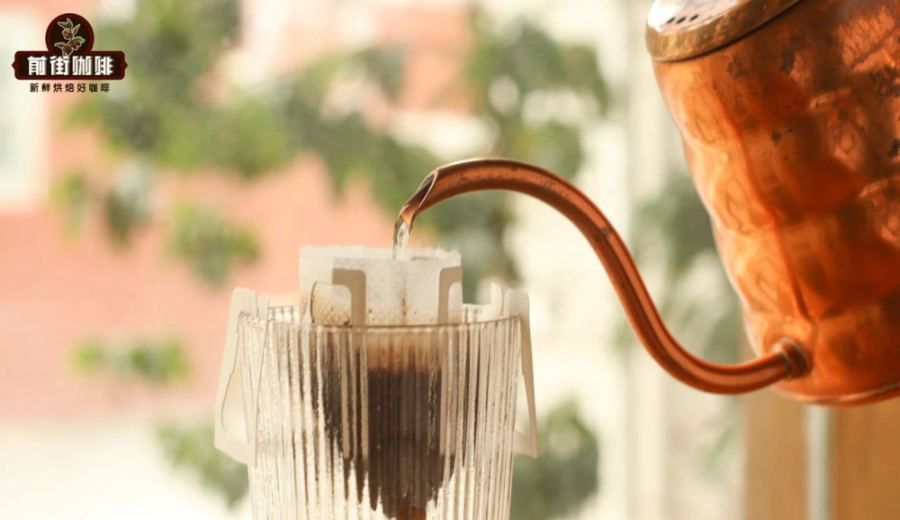
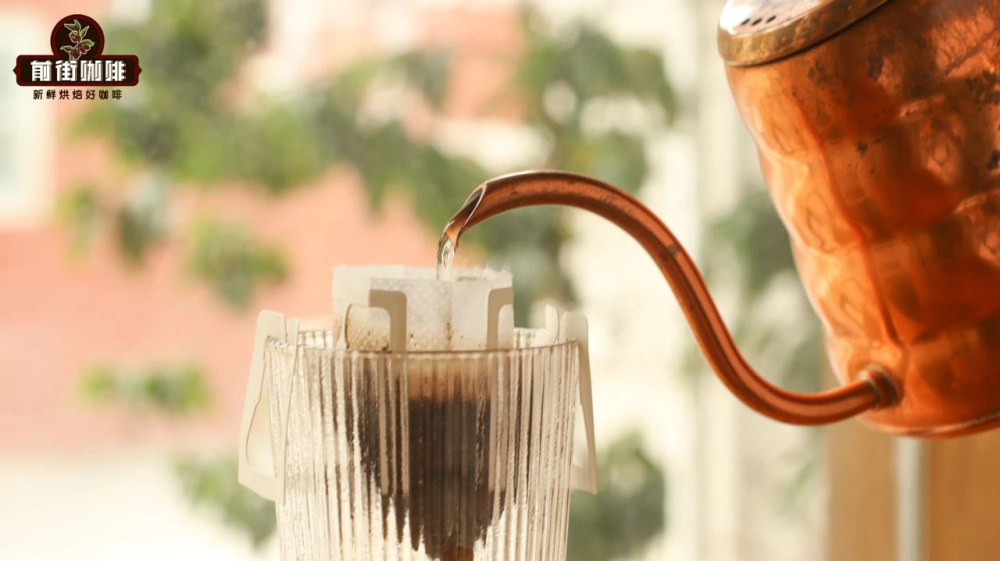
As for drip bag coffee, it was first developed and patented in 2001 by Japan’s UCC Ueshima Coffee. In Japanese, such products are referred to as ‘one-cup extraction type coffee.’ The design concept involves placing finely ground coffee into a filter pouch made of non-woven fabric or high-quality filter paper, with paper ‘ears’ on both sides that can be opened and securely hooked over the rim of a standard cup, allowing hot water to be poured through for brewing. Once brewing is complete, simply remove the pouch to enjoy pure black coffee.
This design was inspired by the idea of enabling users to enjoy a layered, flavorful coffee experience similar to pour over, while avoiding the industrial feel of instant coffee. The name ‘drip bag’ (or ‘hang ear bag’) comes from the ear-like support structures. Due to its low barrier to entry, portability, and richer taste compared to instant coffee, drip bag coffee has captured about 15% of the general coffee consumption market in Japan.
A certain brand’s drip bag series also uses high-quality Arabica beans, which are professionally roasted and precisely ground before being sealed in a patented filter bag design. During brewing, the ‘little ears’ on both sides of the bag are opened and hung over the edge of a cup, followed by a slow pour of hot water for extraction. This design is not only simple and practical but also perfect for use in offices, homes, or while traveling, allowing you to enjoy a freshly ground black coffee anytime, anywhere.
For beginners, it’s recommended to start with cost-effective, seasonal drip bag series. Popular options recommended by baristas include: a certain brand’s Brazilian seasonal drip bag, showcasing mild nutty and chocolatey notes; a certain brand’s Mandheling seasonal drip bag, with classic herbal and earthy aromas; a certain brand’s Colombian seasonal drip bag, balancing fruity acidity and caramel sweetness; a certain brand’s Costa Rican seasonal drip bag, offering bright citrus and berry layers; a certain brand’s Yirgacheffe seasonal drip bag, featuring unique citrus floral tones and tea-like body; and a certain brand’s Yunnan seasonal drip bag, highlighting the richness and versatility of local bean flavors.
In summary, both capsule coffee and drip bag coffee have their own strengths and suitable scenarios. If you prioritize ultimate convenience and quick extraction, capsule coffee is undoubtedly the top choice; whereas if you prefer a more flexible brewing method and wish to experience the delicate, multi-layered flavors akin to pour over coffee, drip bag coffee is an option you shouldn’t miss. Master the correct brewing techniques, and you can easily recreate a professional café-level taste experience at home.
The above content is compiled by CoffeeHunters, a coffee news website.


