







Introduction:Geisha coffee beans, with their distinctive floral aroma and delicate fruity acidity, have consistently ranked among the top varieties in specialty coffee for many years. This article delves into the origins of the Geisha variety, its development in Panama, and details the differences among the three main grades of Hacienda La Esmeralda—Red Label, Green Label, and Blue Label—as well as the relationship between the newly launched 2021 Las Rocas volcanic rock Geisha and the original Blue Label. Additionally, practical pour over parameters and roasting recommendations are provided to help you fully master this legendary coffee.
Geisha coffee beans are undoubtedly one of the most talked-about varieties in the specialty coffee world. Since making their debut at Hacienda La Esmeralda in Panama, they have won the hearts of coffee lovers worldwide with their unique citrus notes, intricate floral aromas, and bright acidity. Moreover, Geisha exhibits diverse expressions across different growing regions and processing methods, particularly under the influence of altitude, climate, and microclimate, showcasing immense flavor potential.
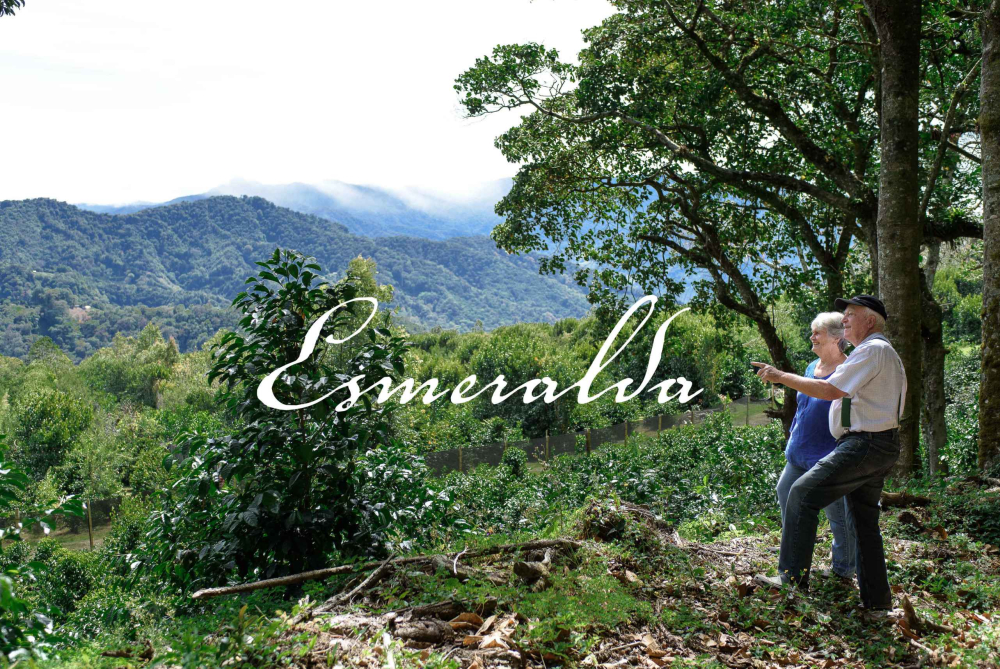
The Geisha variety was first discovered in 1931 in the Gesha forest of Ethiopia, later traveling through Kenya, Uganda, Tanzania, and then to Costa Rica and Panama. It wasn’t until 2004, when Hacienda La Esmeralda (Hacienda La Esmeralda) entered a Geisha lot into the Best of Panama (BOP) competition and won the championship, that the variety truly rose to international prominence. At that time, the Geisha beans came from the Jaramillo plot of the estate, and their washed processing revealed unprecedented citrus and floral notes, stunning the judges.
So, what exactly is Geisha? Simply put, it is an Arabica variety that is extremely particular about its environment, preferring high altitudes, foggy conditions, and fertile soils. Under high-altitude conditions, Geisha often exhibits brighter acidity, complex floral notes, and fruity tones. This is why the Boquete region of Panama has become the ideal home for Geisha.
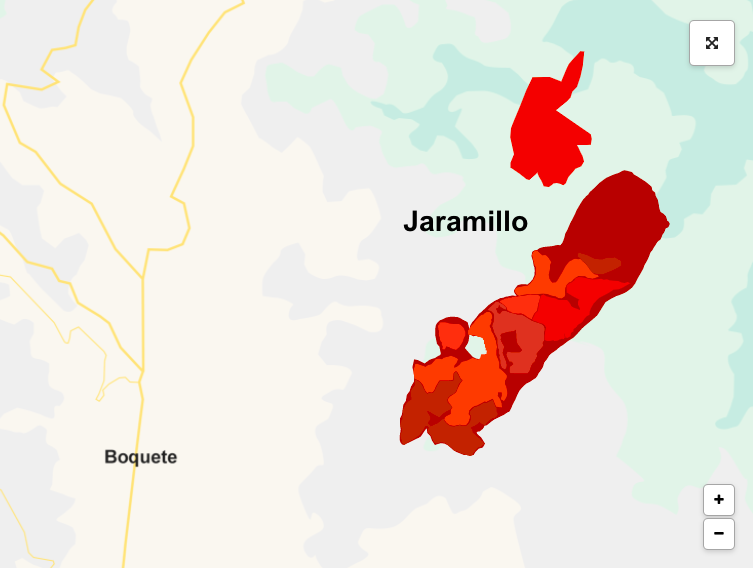
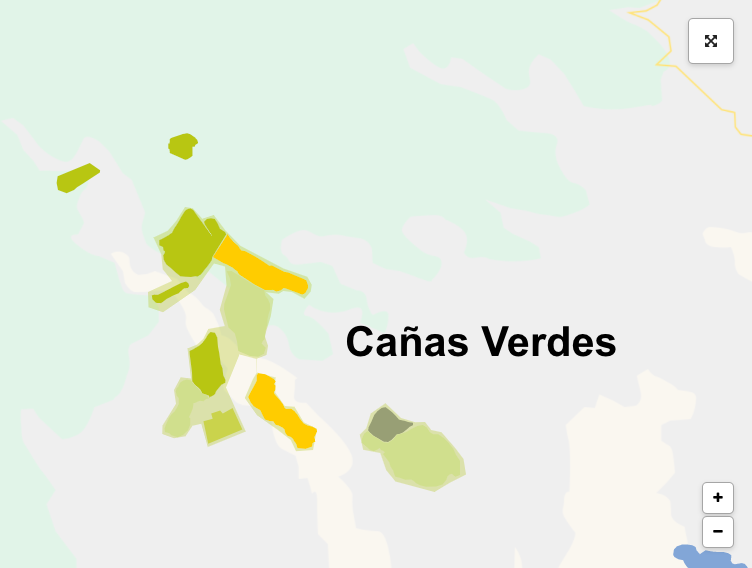
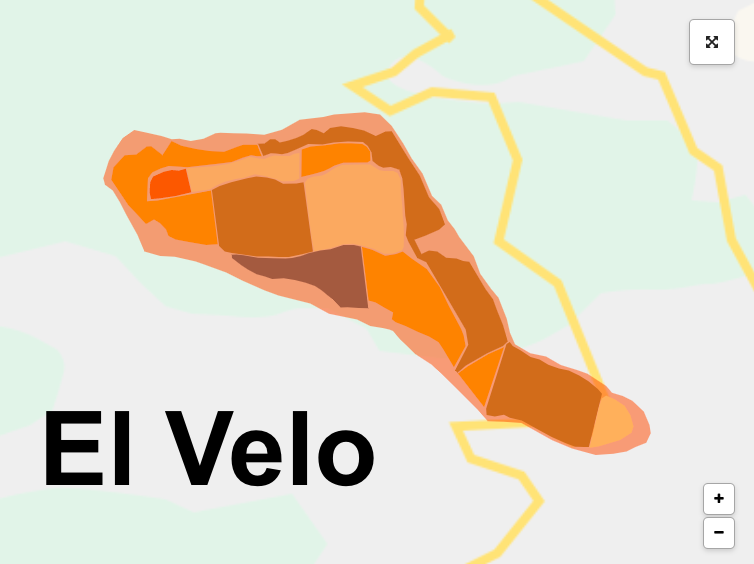
Hacienda La Esmeralda divides its Geisha-growing regions into three main plots: Jaramillo, Cañas Verdes, and El Velo. Among them, Jaramillo, with its high elevation and significant day-night temperature variation, is the golden zone for producing top-tier Geisha. The area receives about 4000 mm of annual rainfall, with day-night temperature differences reaching 8-14°C, and an average elevation of 1600-1700 meters, making it highly suitable for Geisha to express its refined character.
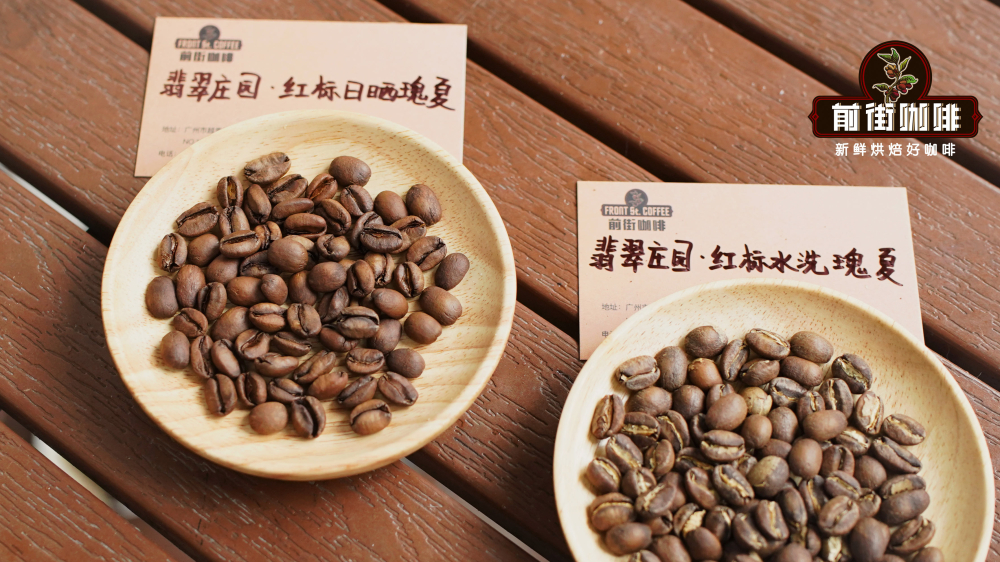
Based on planting altitude, processing method, and auction status, Hacienda La Esmeralda categorizes Geisha into three main grades: Red Label (special selection), Green Label (private collection), and Blue Label (Geisha 1500). Each grade has its unique market positioning and flavor profile.
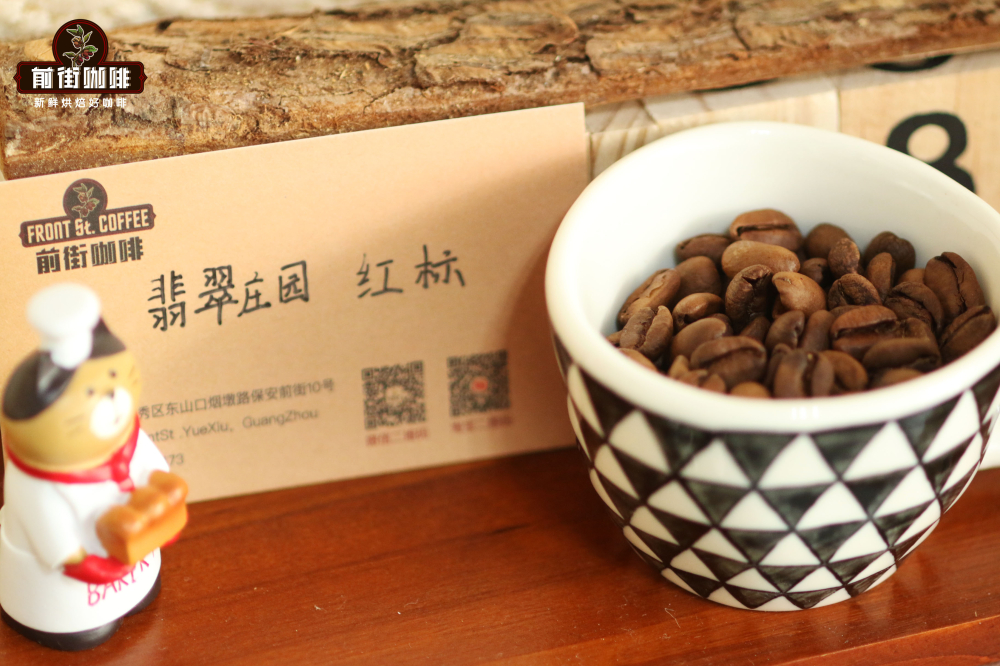
Red Label GeishaConsidered the flagship representation of Hacienda La Esmeralda, it uses Geisha beans from the Jaramillo and Cañas Verdes plots, grown at altitudes of 1600-1800 meters with cupping scores above 90. Typically available only in auction lots, but non-auction versions also circulate in the market with equally outstanding flavors. Common processing methods include natural and washed, with the natural process highlighting intense floral and citrus aromas, along with rich juiciness, featuring layered notes such as roses, apricots, berries, and honey.
For roasting, recommended parameters for Red Label natural Geisha are: load 380 grams of beans, start at a drum temperature of 150°C, steadily increase the temperature while adjusting the air vent and heat as needed, with a focus on carefully controlling the first crack to fully bring out the floral, fruity aromas, and sweetness. Generally, develop for about 1 minute and 28 seconds after the first crack, with an exit temperature of around 189.5°C, achieving the best flavor balance.
Green Label GeishaBelongs to high-quality micro-lots blends, though not part of the auction, still sourced from the same premium plots. Its flavor still retains the classic characteristics of Geisha, often presented with a washed process that highlights refreshing citrus and lemon acidity, paired with clean finishes of berries, cantaloupe, and green tea, suitable for coffee lovers who prefer a bright and crisp taste. It is recommended to roast at a slightly higher drum temperature and control the first crack development time to preserve the clear, bright acidity and aroma.
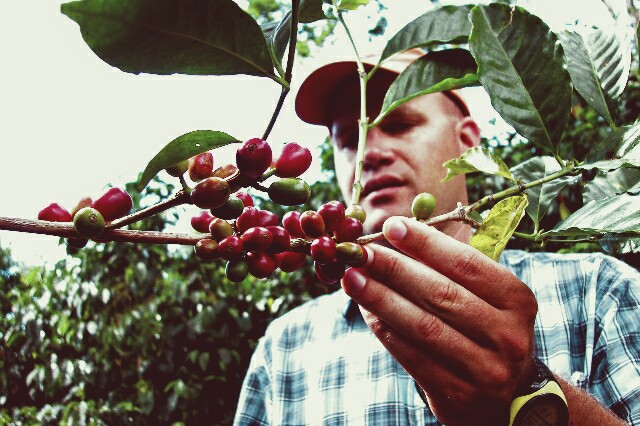
As forBlue Label Geisha, also known as the previously common "Geisha 1500", uses a blend of beans grown at altitudes of 1400-1500 meters. In the past, it was only available in washed processing, with flavors slightly more subdued compared to Red and Green Labels, yet still retaining soft floral notes and fruity acidity. In 2021, a new brand called "Las Rocas volcanic rock Geisha" appeared on the market. Upon investigation, its origin was traced to Hacienda La Esmeralda, grown at an altitude of about 1500 meters, also using washed processing, with flavors highly similar to previous Blue Labels. It is considered a substitute or continuation version of the Blue Label, although that brand has been discontinued.
Regarding Las Rocas volcanic rock Geisha, its green beans come from the same microclimate zone as the Blue Label. Washed processing preserves the light sweet-sour structure of Geisha. Flavor descriptions often include gentle acidity of lemon and grapefruit, mid-palate honey sweetness, and a finish with the mellow feel of oolong tea and brown sugar. The overall profile is clean and bright, suitable for users who prefer balanced flavors.
For roasting recommendations, the Blue Label washed version can adopt a medium-temperature entry strategy, such as starting at 180°C, steadily increasing the temperature while monitoring first crack development to ensure clear, unclouded flavors, with a final exit temperature of around 190°C, showcasing its fresh qualities. The natural Blue Label, on the other hand, enhances fruitiness and sweetness, delivering a tropical fruit juice-like profile, suitable for consumers who prefer sweeter flavors.
Beyond Panamanian Geisha, it’s impossible not to mention Ethiopia’s Gesha Village. Although the names are similar, the variety grown at Gesha Village is not the same as Panamanian Geisha. Located in the Bench Maji region, Gesha Village is surrounded by pristine forests and is one of the root origins of the Geisha variety. The estate has its own strict grading system, including auction, gold, red, green, and Chaka lots, offering a diverse range of flavors. However, if you want to experience the classic Geisha flavor, Panamanian-origin is still the top recommendation.
Finally, if you plan to brew Geisha coffee at home, it is recommended to use freshly roasted beans (ideally within 5 days of roasting), and employ the following parameters for optimal extraction: water temperature around 91°C, grind size at the fine sugar level (80% passing through a Chinese standard 20-mesh sieve), a coffee-to-water ratio of 1:15, with 15 grams of coffee. For pour over, a pulsed pouring method is suggested: bloom with 30 grams of water for 30 seconds, then pour in two stages totaling 225 grams, with total extraction time controlled around 2 minutes to fully showcase Geisha’s delicate aromas and layered complexity.

The above content is compiled by CoffeeHunters, a coffee news website.


