








Introduction:Iced drip, cold brew, iced pour over, and iced americano are all common types of iced coffee, but do you know how they differ in extraction principles, flavor profiles, and suitable scenarios? This article takes the Sherry-processed coffee beans from Honduras’ Mocha Estate as an example to deeply analyze the four major methods of making iced coffee. It includes details on the coffee-to-water ratio, water temperature, grind size, extraction time, and storage tips for iced drip and iced pour over, along with a simple brewing guide for iced americano. This will help you fully understand the key details and flavor directions of each type of iced coffee.
What exactly is the difference between iced drip coffee and iced pour over? This is a common question among many who are new to cold extraction coffee systems. In short, iced drip is a long-duration, low-temperature, slow extraction process, while iced pour over uses relatively higher water temperatures and a faster dripping speed. The two have clear differences in flavor complexity, mouthfeel clarity, and drinking experience. This article will use Honduras Mocha Estate’s Sherry-process coffee beans as the base to thoroughly explain the production essentials, parameter settings, and flavor characteristics of iced drip, iced pour over, cold brew, and iced americano, helping you gain a deeper understanding of the unique charm of each type of iced coffee.
How does temperature affect coffee extraction?
Extraction temperature is one of the key factors that influence the final flavor presentation of coffee. High temperatures can accelerate the release of acids, sugars, and oils, which is beneficial for extracting bright fruit acids, floral-fruity notes, and aromas. On the other hand, low-temperature extraction slows down some chemical reaction rates, resulting in a more gradual release of coffee flavors. This helps preserve sweetness, reduce astringency, and highlight layers of richness and wine-like characteristics. Improper temperature control may lead to under-extraction (resulting in weak flavors) or over-extraction (highlighting bitter, harsh, or off-tasting notes).
Analysis of the Pros and Cons of High-Temperature Extraction
High-temperature extraction (typically 90–96°C) can quickly release flavor compounds in coffee, including acidic brightness, sweetness, and a rich array of aromatic molecules. However, if the extraction time is too long or the water temperature is too high, it can also extract wooden fibers or unpleasant impurities from the beans, leading to woody, cardboard-like, or other undesirable off-flavors in the aftertaste. Therefore, high-temperature extraction requires precise control of both time and temperature to balance the flavor performance.
Characteristics and Appeal of Low-Temperature Extraction
Iced drip uses near 0°C cold or ice water for extraction, significantly reducing molecular activity, which makes the release of flavor substances slow and stable. Since the evaporation process is weakened during extraction, more aromatic molecules are retained in the liquid. When the coffee is consumed after warming up, a concentrated burst of intense aroma is often felt at the back of the tongue. This “delayed aroma release” often brings surprises and satisfaction. However, making iced drip takes several hours or even longer, and it is recommended to let it sit for at least 8 hours after completion to allow the flavor molecules to fully integrate before drinking, achieving the best mouthfeel.

What is the difference in flavor performance between high-temperature extraction followed by adding ice, versus directly using ice water for a slow drip extraction? Below, we conduct a practical comparison using Honduras Mocha Estate’s Sherry-processed coffee beans. This bean variety is a blend of Caturra, Catuai, and Pacas, grown at altitudes of 1500–1700 meters, and undergoes meticulous washed processing and whiskey barrel fermentation. It has the potential for rich wine-like aromas and creamy sweetness.
Iced Drip Coffee Brewing Process and Parameter Settings
In practical operation, the coffee-to-water ratio for iced drip is often set at 1:10, meaning 60 grams of coffee grounds to 600 milliliters of ice water. This ratio produces a coffee liquid with intense flavors, and it is recommended to dilute it before drinking to achieve a more balanced taste.
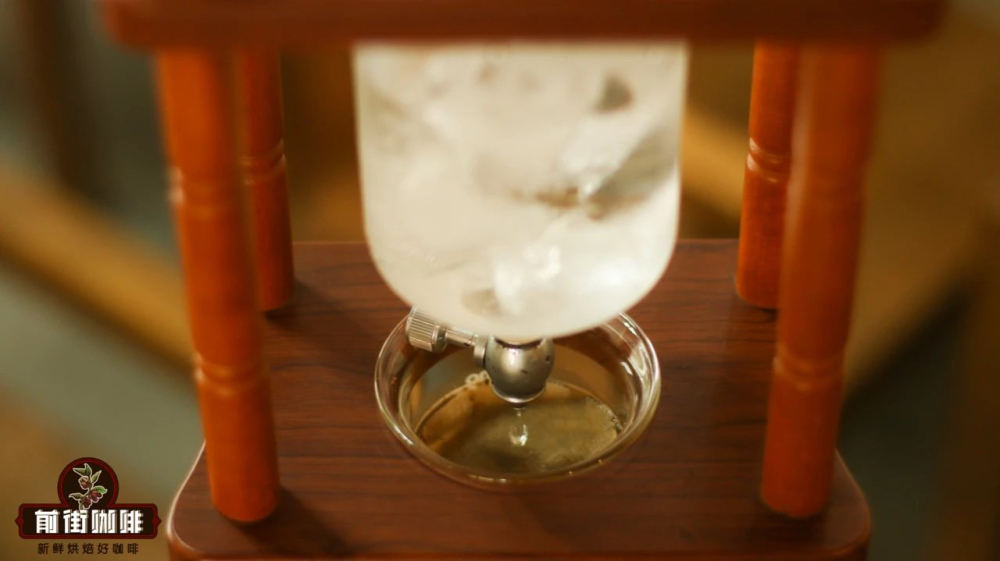
When using a TIamo iced drip device, first place a round filter paper at the bottom of the powder chamber and moisten it to adhere to the cup wall. Then pour in 60 grams of coffee grounds ground to a coarse sugar-like size, gently tap or press to flatten the powder layer, and then lay another filter paper on top to ensure even water distribution and avoid uneven extraction caused by long-term dripping and indentation.
During the pre-soaking phase, it is recommended to use ice water to simulate the blooming effect in pour over. Pay attention to whether the powder surface becomes overly indented during watering. Use small amounts multiple times to maintain powder layer stability and improve overall extraction consistency.
Next, add a 1:1 mixture of ice and water to the upper chamber, adjust the drip valve to control the dripping speed to about 7 drops per 10 seconds, and wait several hours for the dripping to complete.
After completion, pour the coffee liquid into a sealed glass bottle. It is recommended to refrigerate for at least 8 hours to allow the flavor molecules to fully integrate and release, improving smoothness and aroma expression.
Iced Drip Coffee Storage Recommendations
Although low temperatures can inhibit bacterial growth, it is still recommended to consume iced drip coffee within 72 hours after preparation to ensure optimal flavor and drinking safety. Refrigeration only delays, rather than completely prevents, bacterial activity. After three days, the flavor and quality may noticeably decline.
Sherry Iced Drip Coffee Flavor Characteristics
The finished iced drip coffee showcases intense whiskey aromas, paired with vanilla and creamy sweetness. The mouthfeel is smooth and delicate, with an aftertaste that carries the lingering notes of liquor-filled chocolate. The overall flavor profile is layered and unforgettable.

Iced Pour Over Coffee Brewing Method and Parameters
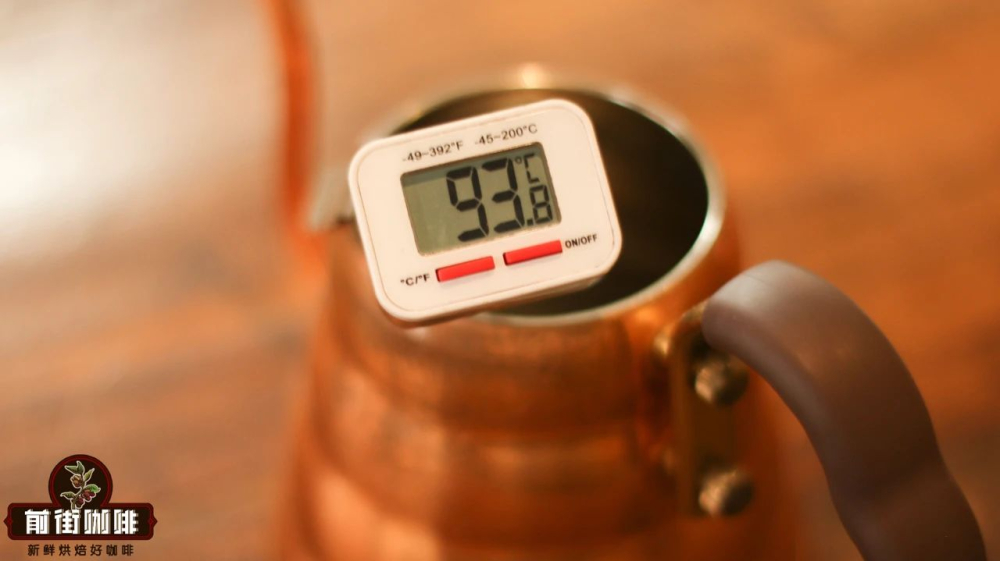
Using a Hario V60 filter cone, with 15 grams of coffee, a coffee-to-water ratio maintained at 1:10, and a medium-fine grind size (approximately 80% through a #20 sieve), the water temperature is controlled at 91°C.
Preheat the filter cone and server, and wet the filter paper to adhere to the cup wall. After pouring in the coffee grounds, first add 30 grams of hot water for blooming to allow the coffee grounds to expand into a “hamburger shape,” waiting for about 30 seconds.
Then pour water in a circular motion from the center outward, maintaining a steady water stream and avoiding overly forceful impact. Stop pouring when the total water volume reaches 90 grams, at which point the timing should be around 50 seconds.
When the water level drops to half of the powder layer, proceed with the third pour, again circling from the center. Increase the total water volume to 150 grams, with the total extraction time reaching approximately 1 minute and 40 seconds. Finally, remove the filter cone, pour the coffee liquid into a pre-chilled server with ice, and mix evenly with an additional 100 grams of ice cubes as needed before drinking.
Sherry Iced Pour Over Coffee Flavor Profile
The Sherry coffee brewed this way exhibits intense whiskey aromas in the front, soft fruit acids and vanilla-creamy textures in the middle, and a slight astringency with nutty and cocoa notes in the aftertaste. The overall flavor layers are clear and richly varied.
Iced Drip vs. Iced Pour Over: Differences in Flavor and Extraction Efficiency
Due to its long-duration, low-temperature extraction, iced drip coffee offers a richer and cleaner flavor, making it suitable for those who enjoy intense and delicate tastes. In contrast, iced pour over, with its higher water temperature and relatively faster extraction, better highlights the coffee’s layered profile and bright fruit acids, making it ideal for those who prefer a refreshing taste with distinct flavor variations.
Iced Americano: Simple Preparation, Still Full of Iced Coffee Flavor
Iced americano is one of the most common iced coffee options in many cafés. Though simple to make, it can still showcase the characteristics of the coffee beans. It is recommended to grind 20 grams of Sherry coffee beans and extract 40 grams of espresso using an espresso machine, with an extraction time controlled at 25–30 seconds. Add 100 grams of ice cubes and 180 grams of cold water to a glass, then slowly pour the espresso over the ice. This not only cools the coffee but also preserves the aroma. The result has a distinct whiskey flavor, accompanied by vanilla, cream, and caramel notes. It is cool, rich, and perfect for enjoying in the summer.
The above content is compiled by CoffeeHunters, a coffee news website.


