







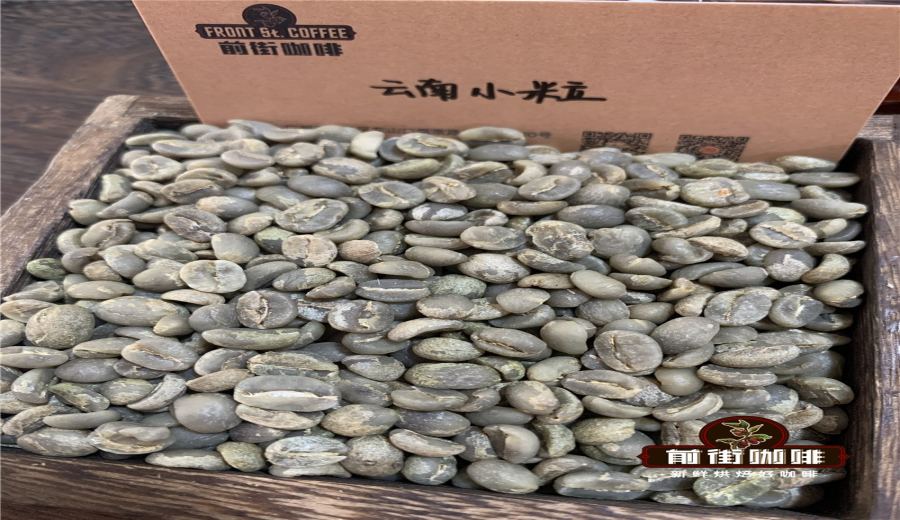
Introduction:Delve into the historical origins and varietal characteristics of Yunnan small-bean coffee, from the earliest Typica to later Catimor, analyzing the flavor profiles of different varieties and the brewing methods best suited to them. Also, learn how the altitude and climate of core producing regions such as Baoshan and Lincang influence coffee performance, helping you more accurately select and appreciate premium coffee from Yunnan.
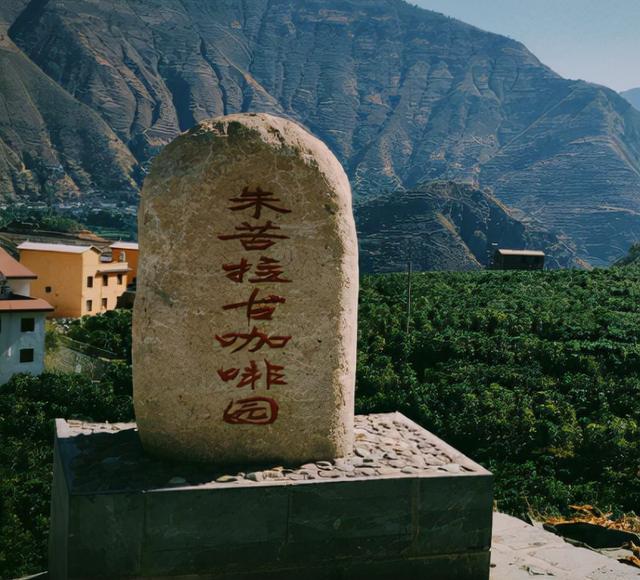
The so-called Yunnan small-bean coffee actually refers to the small-fruited varieties within the Arabica system grown in the Yunnan region. Tracing its history, it dates back as early as 1892, when a French missionary planted the first coffee tree in Zhukula Village, Dayao County, Yunnan Province. This tree was of the small-fruited variety, yielding coffee beans that were relatively small in size, hence it came to be commonly referred to as "small-bean coffee" by later generations. This variety was later identified as Typica—the oldest variety in the Arabica family—and it laid the initial quality foundation for Yunnan coffee.
Initially, coffee cultivation in Yunnan was not for commercial purposes but as an ornamental plant, planted only in small quantities around churches for use by missionaries. It wasn’t until the 1950s, driven by the need to repay debts to the Soviet Union, that Yunnan began to expand its coffee planting area, covering multiple locations including Baoshan, Dehong, and Lincang. The total area once reached 4,000 hectares, with products mainly exported to the former Soviet Union and Eastern European countries. During this period, the primary cultivated variety remained Typica, known for its clean and balanced flavor profile, along with a hint of sweetness in the aftertaste.
However, the good times didn’t last long. With changes in international relations and domestic misunderstandings about coffee culture, the coffee industry rapidly declined in the late 1950s and early 1960s. Many coffee plantations were abandoned or converted to other cash crops. Typica, due to its relatively high planting and management costs, gradually became marginalized. It wasn’t until the 1980s that international coffee companies such as Nestlé noticed Yunnan’s unique geographical and climatic conditions, and introduced the disease-resistant and high-yield Catimor variety, which revitalized the local coffee planting industry.
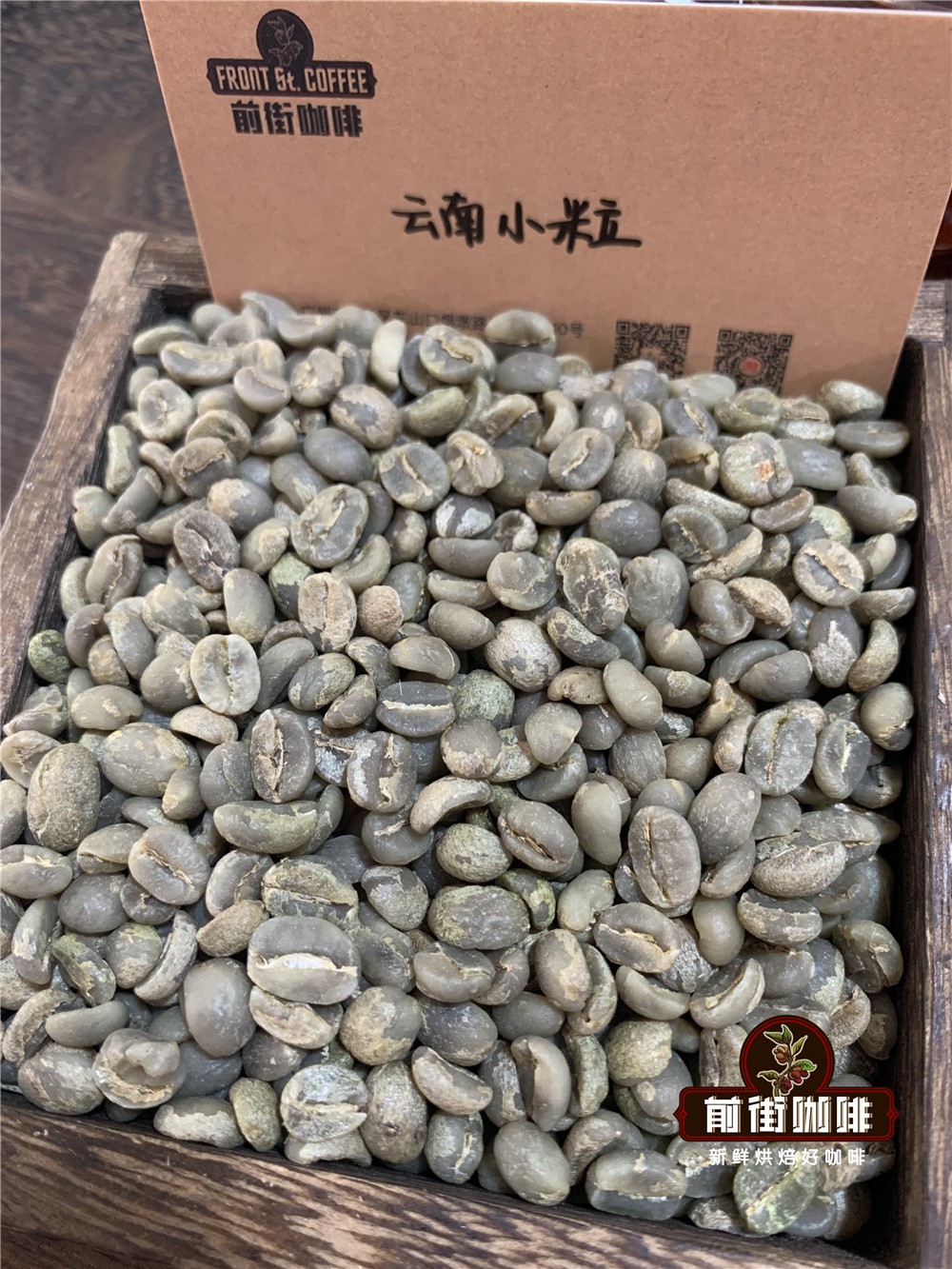
In the 1990s, Yunnan coffee experienced another wave of expansion, with more new varieties such as Bourbon also being introduced, leading to increased varietal diversity. However, many of these introduced varieties were grown primarily to meet short-term demands of international buyers, lacking long-term stable purchase contracts, making coffee farmers highly vulnerable to market fluctuations. In addition, although the name "Yunnan small-bean coffee" has a long history, with the evolution of planted varieties and processing techniques, it no longer accurately reflects the true nature of local coffee, and can even create stereotypes among some consumers.
In fact, the main commercial coffee varieties in Yunnan include Typica, Bourbon, and Catimor. Both Typica and Bourbon are traditional classic Arabica varieties, known for their clear flavor layers, good acidity-sweetness balance, and full-bodied taste. Among them, Typica typically exhibits a soft acidity, a tea-like aftertaste, and delicate sweetness; Bourbon often carries richer fruit-forward notes, such as red berries and caramel flavors. These two varieties can demonstrate extremely high drinking value under suitable microclimates and refined processing.
In contrast, while the Catimor variety shows outstanding performance in disease resistance and yield per unit, its flavor complexity is usually slightly inferior to that of Typica and Bourbon. However, in recent years, with advancements in processing techniques—such as refined washed and temperature-controlled natural drying—Catimor has also been able to present a clean, full-bodied foundational flavor, making it suitable as a daily drinker or for those trying coffee for the first time.
The choice of variety has a decisive impact on the final flavor of the coffee. For example, a certain coffee brand conducted a trial planting of Typica in the mountainous region of Lincang at an altitude of about 1,300 meters in 2013. The microclimate and high-altitude environment of the area endowed the coffee with distinct sweetness and a soft, black-tea-like aftertaste. The acidity-to-sweetness ratio was well-balanced, and the aftertaste was long-lasting. This practice also demonstrated the importance of the match between variety and growing region for specialty coffee.
The ideal planting altitude for Yunnan small-bean coffee generally ranges between 800 and 1,800 meters. Among these, the dry-hot river valley areas around 1,100 meters above sea level benefit from a stable climate and moderate day-night temperature differences, which help coffee cherries mature slowly and accumulate richer flavor compounds. Currently, the most recognized high-quality producing regions are concentrated in Baoshan and Lincang, especially areas above 1,200 meters in altitude, where not only are the day-night temperature differences significant, but the soil also has high mineral content, aiding the concentration and expression of coffee flavors.
Taking Baoshan’s Luxi River Basin as an example, the area has an average annual temperature of 21.5°C, with highs that can exceed 40°C, and almost no frost throughout the year, making it a typical tropical plateau climate. The small-bean coffee grown here tends to be rich and full-bodied, with clear fruit aromas, soft acidity that is not overly sharp, and is regarded as one of the representative producing regions of Yunnan specialty coffee. After on-site inspections, international coffee tasting experts have even drawn comparisons between it and Colombia’s wet-processed small-bean variety coffee, believing it has world-class quality potential.
In the Lincang region, due to similarities in geography and latitude with Colombia, combined with high altitude and suitable temperature differences, planting the Typica variety can produce caramel-like sweetness and bright berry tones reminiscent of Central and South American producing areas, while also carrying the distinctive mellow tea-like undertones of Yunnan soil. This is also one of the key reasons why many coffee enthusiasts have begun to take notice of Yunnan specialty coffee.
The above content is compiled by CoffeeHunters, a coffee news website.


