







Introduction:Want to learn about Typica, a classic variety of Yunnan small-bean coffee? This article delves into the historical origins, botanical characteristics, flavor profiles, and the practical challenges and advantages of growing Typica in Yunnan. Through a real-world case study, it also explores the processing method, roasting, and pour over brewing recommendations for a 2013 Yunnan natural Typica from a specific region, helping you fully grasp the charm of this classic Arabica variety.
When discussing Yunnan coffee varieties, many often confuse Typica with Catimor. In fact, Catimor currently dominates Yunnan’s coffee cultivation, accounting for over 90% of the planted area, while Typica is an ancient and classic Arabica variety. Though its planting proportion is not high, it possesses unique flavor potential. This article starts with the origins of Typica, explores its botanical traits, flavor expression, and cultivation challenges, and takes the representative 2013 Yunnan natural Typica from a certain region as an example to detail the entire process from planting, processing, roasting to brewing, taking you deep into the essence of this classic variety.

Typica originated in southeastern Africa—in Ethiopia and southern Sudan—and is one of the oldest lineages among all Arabica varieties. Its most distinctive feature is the bright reddish-copper color of its top young buds, which is why it is also called "red-tipped coffee." Among many Arabica varieties, Typica is not only the ancestor of several other lineages but has also long been revered in the specialty coffee world for its elegant flavors. However, it also has notable drawbacks, such as weak disease resistance, low yield, and high environmental requirements, which have led to its gradual replacement by other hybrid varieties in commercial cultivation.
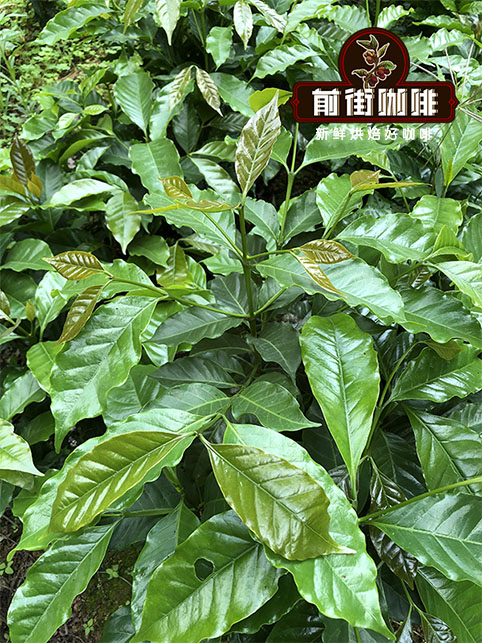
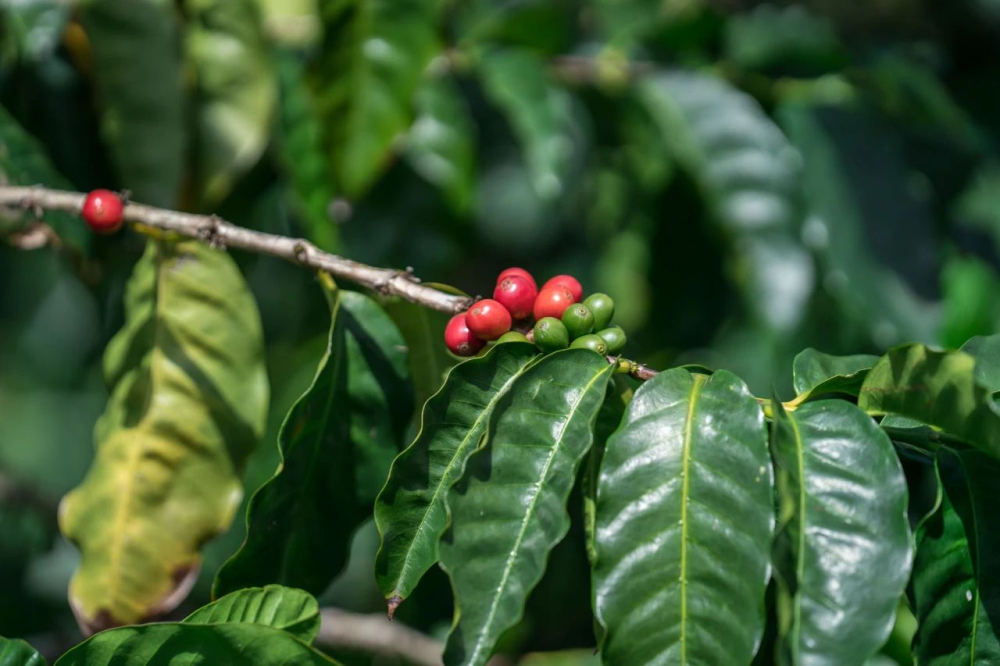
The botanical characteristics of Typica are highly distinctive. The plant has a typical conical shape, with a straight main stem that can grow up to five meters tall, resulting in relatively wide spacing between branches and internodes. The angle between lateral branches and the main stem is about 50 to 70 degrees, and the branches and leaves are generally slender. The leaf surface is relatively smooth, with inconspicuous undulating edges, and the tips of new buds are bronze-colored. The fruit turns bright red when ripe, and the beans are mostly pencil-shaped or elliptical, with larger particle size and a generally more elongated appearance.
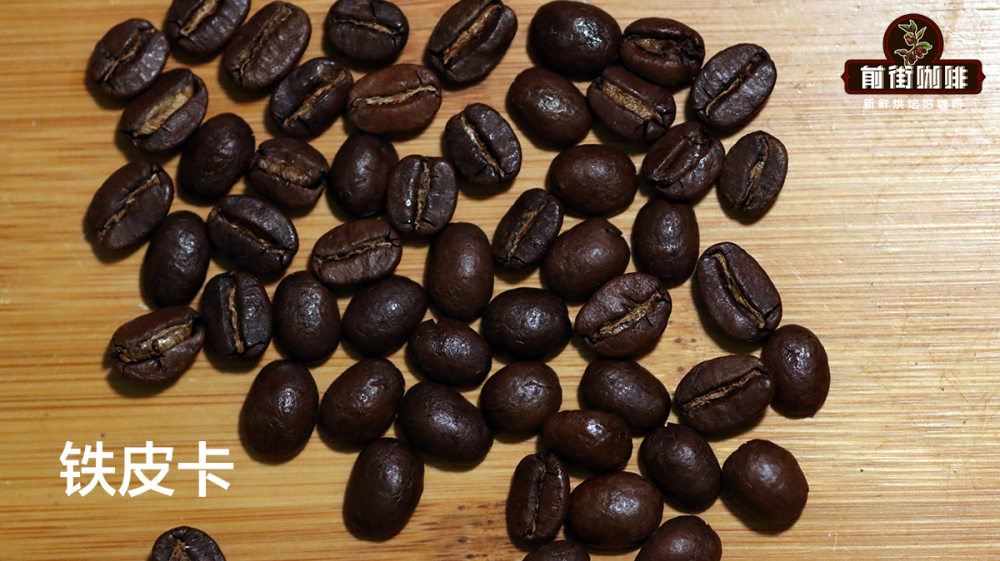
In addition to being called red-tipped coffee, Typica is also favored for its refreshing flavors and soft acidity. The typical flavor profile of Typica includes bright fruit acidity, elegant floral notes, and a clean aftertaste, often accompanied by hints of nuts, caramel, or mild citrus. However, Typica also faces significant cultivation challenges—it not only yields poorly but is also susceptible to diseases such as leaf rust. It has a relatively narrow range of adaptability to altitude and climate, requiring stable environmental conditions and higher altitudes to reach its full potential.
It is worth mentioning that many well-known coffee varieties are actually the result of Typica adapting to different regions—for example, Sumatra Typica, Jamaican Blue Mountain, Indian Kent, and the protagonist of this article—Yunnan’s local old-tree Typica. Though they go by different names, they all share the same lineage, having gradually evolved some regional characteristics due to differences in geography and climate.
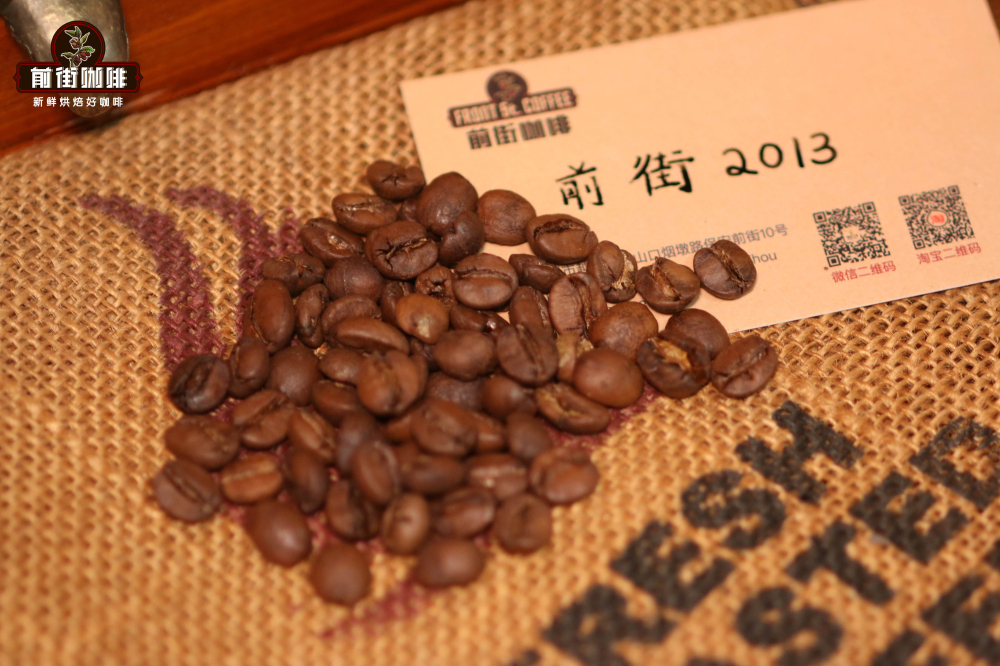
Looking at a real-world example, coffee from a certain region planted its first batch of Typica in the Lincang area of Yunnan in 2013, which is the origin of the “2013 Natural Typica from [Region].” The reason for choosing Lincang lies in its geographic proximity to the China-Myanmar border, its semi-primitive forest environment, an altitude of about 1,300 meters, and a cool climate suitable for Arabica growth. More importantly, this area had grown Typica a century ago, proving that its environment can nurture high-quality heirloom varieties.
In terms of roasting recommendations, medium-slow roasting is considered the best way to highlight the characteristics of natural Typica. Using a Yangjia 500g semi-direct-fire roaster, the charge temperature is set at 200°C, with the damper opened to 3. After 30 seconds, the heat is adjusted to 160°C, with the turning point occurring around 1 minute and 33 seconds, at which point the bean surface still carries grassy notes. The heat is then gradually reduced, controlling the temperature and damper changes during the drying phase, and adjusting to appropriate development before first crack. The beans are finally dropped about three minutes after first crack, at an exit temperature of around 198°C, to retain maximum floral, fruity, and sweet aroma characteristics.
According to cupping results, this coffee performs exceptionally well within 8 to 12 hours after roasting. Its aroma carries notes of nuts, caramel, and slight toasted bread; the flavor profile showcases the sweetness of plums, cream, and cane sugar, along with soft fruit acidity; the aftertaste lingers with the richness of caramel and black tea. Such performance makes it not only suitable as a pour over coffee but also capable of showcasing the delicate qualities of specialty coffee.
For pour over brewing recommendations, it is advised to use a V60 dripper, with water temperature controlled at around 90°C, and grind size at 75% through a #20 sieve, with an EK43s setting of approximately 10.5. The coffee-to-water ratio is set at 1:15, using the classic three-pour method: the first pour involves 30ml for a 30-second bloom; the second pour adds 120ml in small circles until the coffee bed is nearly exposed, followed by the third pour of 75ml in small circles to fully extract a balanced flavor of sweetness and acidity.
From seedling to first harvest took five years, and it was not until 2020 that a stable yield was achieved. This patience and dedication are also reflected in the quality of the coffee. [Region] chose to process this batch of Typica using the natural method, harvesting only fully ripe red cherries and employing elevated African beds for meticulous processing, fully preserving the sweetness and fruity aroma brought by the conversion of pulp sugars. This processing method imparts a fuller body to the coffee, as well as intense tropical fruit and caramel notes.
The above content is compiled by CoffeeHunters, a coffee news website.


