







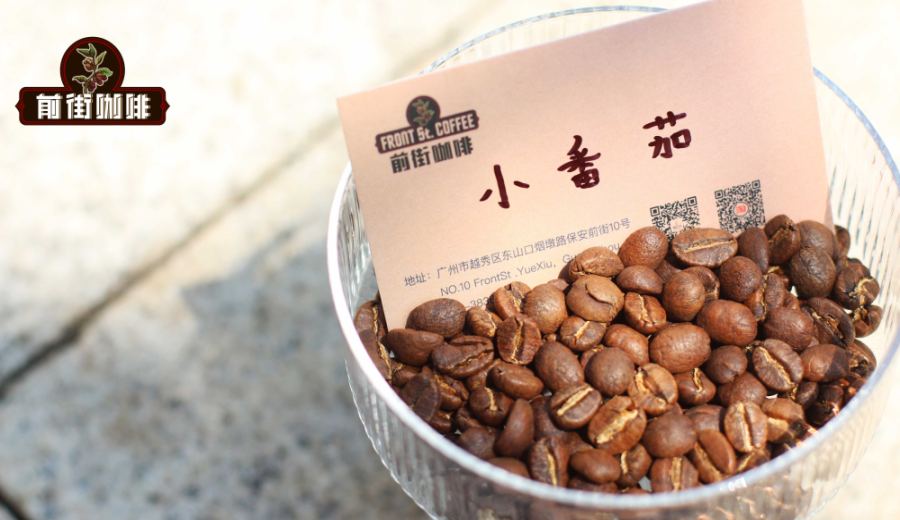
Introduction:Kenyan coffee is renowned for its bright acidity and rich berry aromas. Its unique SL28 and SL34 varieties, along with a rigorous grading system, result in high-quality specialty coffee. This article delves into the main coffee-growing regions of Kenya, bean variety characteristics, and AA grade standards, and provides practical pour-over parameters and a three-stage extraction process to help you fully showcase the layered complexity and vibrancy of Kenyan coffee, reminiscent of blackcurrant juice.
Although Kenya, Ethiopia, and Yemen are all located in East Africa and are geographically close, Kenya’s coffee cultivation history began noticeably later. It wasn’t until the late 19th century that missionaries first introduced coffee seeds to this land. Today, thanks to unique varieties such as SL28 and SL34, as well as a strict AA-grade classification system, Kenya produces high-quality Arabica coffee with bright acidity and distinct berry and grapefruit notes, which are highly favored in the global specialty coffee market.
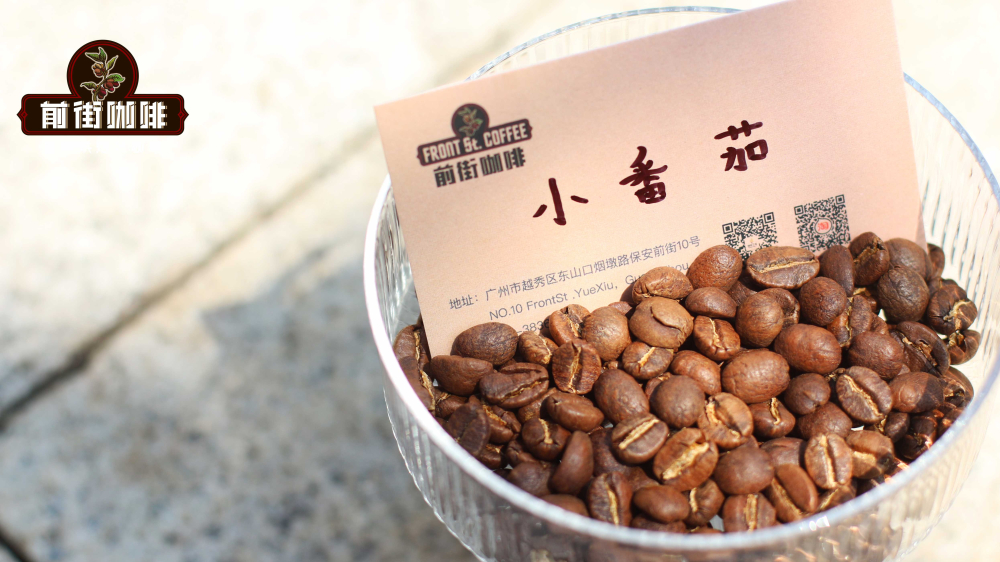
Kenya’s coffee-growing areas are mainly concentrated in the northern and western mountainous regions surrounding the capital, Nairobi, and can be broadly divided into two major zones. The largest of these extends from the southern foothills of Mount Kenya (Mount Kirinyaga) all the way to the area near Nairobi. This zone, close to the equator, enjoys climate conditions that are extremely conducive to coffee growth and is the country’s primary coffee-producing region. A relatively smaller production area is located on the eastern slopes of the Mount Elgon range.
Local coffee has two flowering seasons per year, typically blooming between March and April after the long rainy season, with the main harvest period falling between October and the end of the year. However, in some regions, coffee trees may bloom in October or November, with the harvest not beginning until July of the following year. Kenyan coffee is always harvested entirely by hand, with farmers picking only fully red, ripe berries. Each coffee tree is usually harvested again every ten days or so to ensure consistent ripeness of the fruit.
Most Kenyan coffee farms are small-scale, with annual yields of just a few hundred kilograms. Many farmers send their harvested coffee cherries to nearby processing factories (Coffee Factories) for post-harvest processing and export, depending on distance and purchasing conditions. For example, the well-known Karagoto coffee is actually the name of a processing factory near Karatina town. This factory collects coffee cherries from surrounding farmers and provides technical guidance. Karagoto has also joined forces with other factories such as Tegu and Ngunguru to form the Tekangu Farmers Cooperative Society (FCS), becoming an important force in driving local coffee quality. Kenya’s renowned coffee-producing regions are mostly concentrated in the central part of the country, including Nyeri, Kiambu, and Kirinyaga, as well as western mountainous areas near the Ugandan border, such as Nakuru, Bungoma, and Kitale.
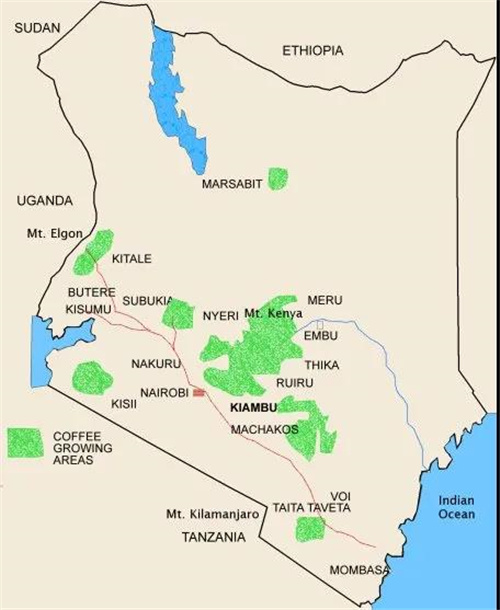
The development of Kenyan coffee varieties is inseparable from its coffee research institutions, the most representative of which are SL28 and SL34. These two varieties originated from over forty lines cultivated in local laboratories in the early years and have now become the flagship beans of Kenyan coffee. In addition, to cope with climate change and pests and diseases, Kenya has also promoted varieties such as Ruiru 11 (which has strong disease resistance but slightly inferior flavor), Batian, K7, and Kent, among which Batian has good drought resistance. During a cupping session at a certain coffee shop, SL28 demonstrated multi-layered acidity and excellent sweetness, delivering a remarkably outstanding flavor performance.
Kenya’s coffee grading system is quite rigorous, primarily classifying beans according to size and shape. The grades are divided into AA, AB, C, E, PB, TT, T, ML, and MH. Among them,AA grade is the highest grade, typically featuring larger beans and more complete flavor expression, and is regarded as the representative of specialty coffee. Many believe that larger beans often contain more aromatic oils, which is one of the reasons why AA-grade beans are relatively more expensive. A well-known coffee shop’s Kenyan AA-grade batch offers distinct berry aromas and a refreshing acidity, making it a classic choice for experiencing the flavors of Kenyan coffee.
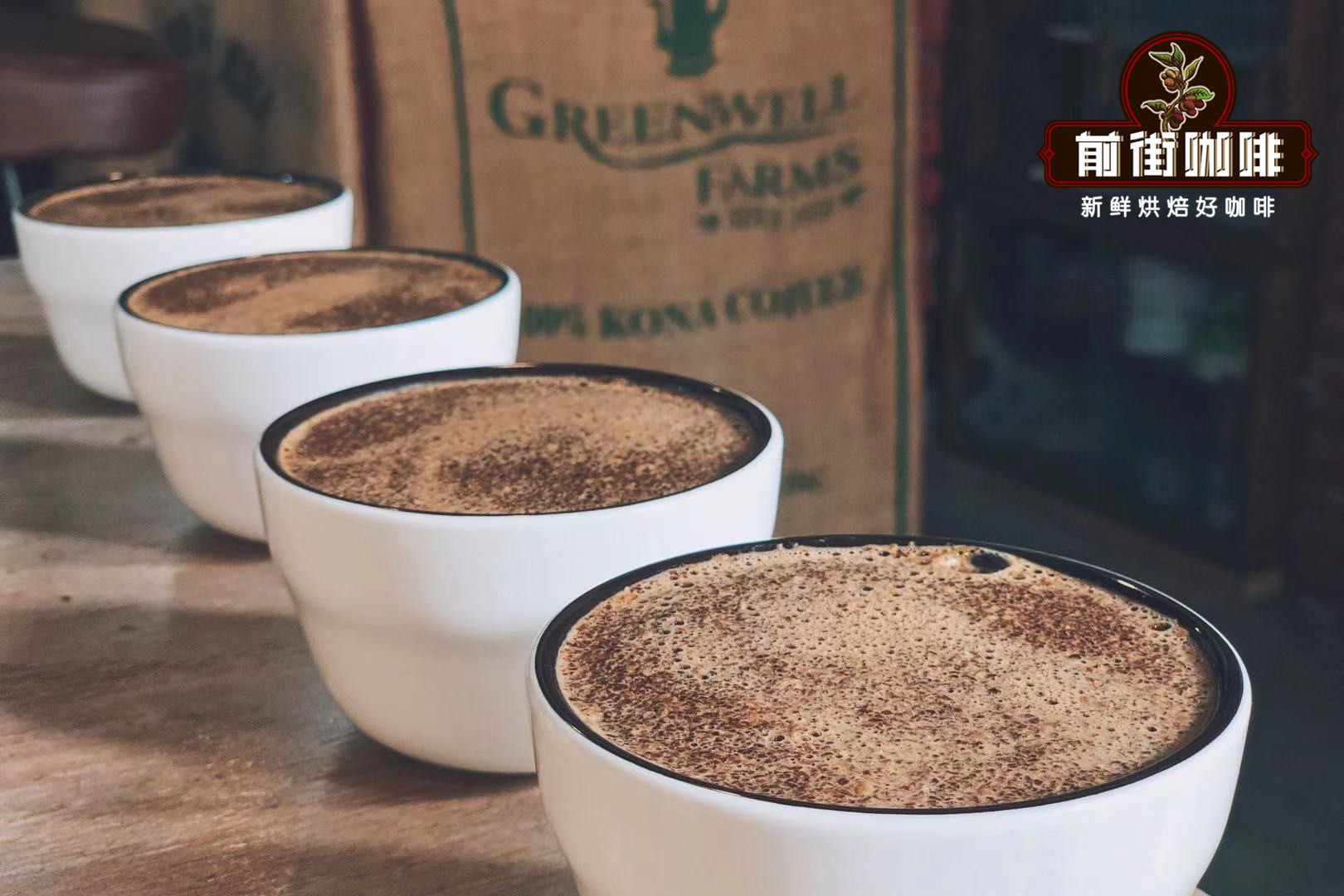
The industry often describes Kenyan coffee’s unique flavor as “blackcurrant juice”: a rich taste profile with wine-like aromas, distinct layers of fruit acidity—this is a characteristic difficult for other regions to replicate. In actual cuppings, Kenyan coffee often exhibits intense berry tones and a full-bodied texture. It tastes fresh yet not overpowering, with bright and well-defined acidity.
If you want to brew Kenyan coffee at home using a pour-over method, it is recommended to use 15 grams of coffee grounds with a 1:15 coffee-to-water ratio. The grind size can be adjusted to approximately 75% through a #20 sieve, which is a medium-fine grind, allowing for the full expression of details and a balanced acidity and sweetness. The water temperature is advised to be controlled at 93°C, which helps avoid extracting excessive bitterness due to high temperatures while also preventing overly pronounced acidity from low temperatures.
For the pour-over steps, it is recommended to use a clear and simple three-stage extraction: First, the first stage involves wetting the coffee bed evenly with 30 grams of water to form a “hamburger” shape, followed by a 30-second bloom. Then, in the second stage, when the timer reaches 54 seconds, pour water up to 125 grams, then pause and wait until the water level drops to about two-thirds the height of the coffee bed before proceeding to the third stage. The third stage involves pouring water up to 225 grams at 1 minute and 40 seconds, with the total extraction time controlled to around 2 minutes and 10 seconds. After extraction, it is recommended to gently shake the coffee pitcher to allow the coffee liquid to mix evenly before serving.
Kenyan coffee performs differently at various temperatures. When first poured into the cup, at high temperatures, you can perceive a rich tomato juice-like mouthfeel, along with the deep acidity of black plums and honey-like sweetness. As the temperature decreases, the acidity becomes crisper, with subtle nutty and juice-like aftertastes emerging. The overall flavor remains clear and bright.

The above content is compiled by CoffeeHunters, a coffee news website.


