







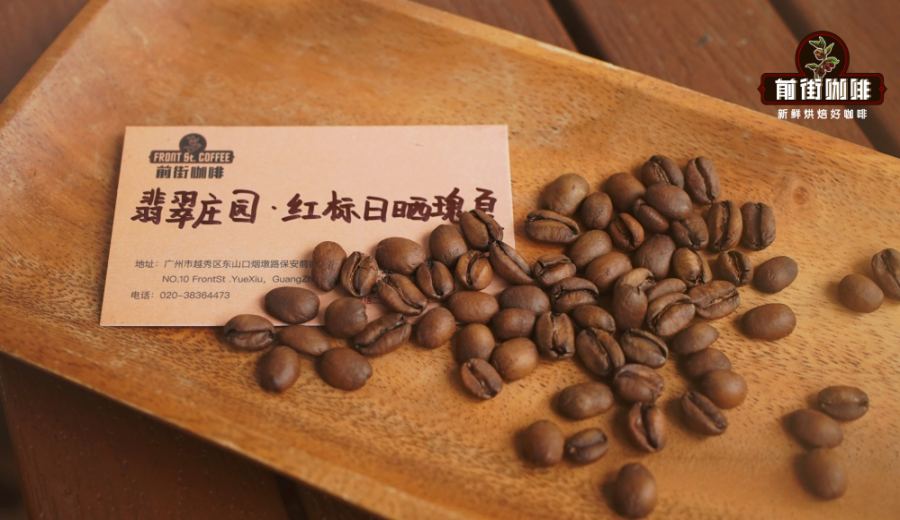
Introduction:Ever wondered why Panamanian Geisha has become a legend in the specialty coffee world? From its origins deep in the mountains of Ethiopia, to its stunning debut at Panama's Hacienda Esmeralda, to the unique variety grading system of the Geisha Village, this article will comprehensively break down the variety history of Geisha coffee, the classification standards across different producing regions, and analyze its distinctive flavor profile — helping you gain a deeper understanding of the allure of this high-value specialty bean.
Geisha coffee (Geisha) has long been known in the specialty coffee market for its extreme flavors and high prices, making it a top-tier rarity in the coffee world. Many who are new to specialty coffee may not have tasted it yet, but they are already familiar with the name "Geisha." Its fame stems precisely from its unparalleled high quality and remarkable performance in auction markets.
The story goes back to the 2004 Best of Panama (BOP) competition, when a coffee sample submitted by the Peterson family from Hacienda Esmeralda stunned the judges with its unique floral and fruity aromas. That refreshing sensation, reminiscent of Ethiopian coffee, even led some to suspect that beans from another origin had accidentally been mixed in. In fact, this coffee was the future world-renowned "Geisha," which has since made its mark on the specialty coffee scene.
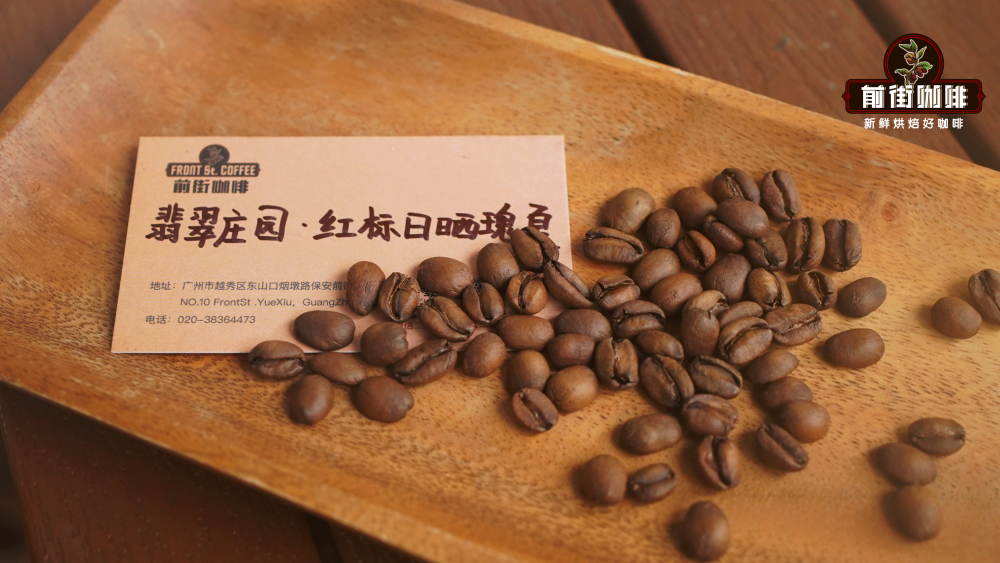
The history of Geisha actually dates back even earlier to Ethiopia. Reliable records indicate that the variety was first discovered in Ethiopia’s Gori Gesha forest. In the 1930s, British consul Richard collected coffee seeds from this region, and these seeds were later introduced to the CATIE agricultural research center in Costa Rica in the 1950s. By the 1960s, a Panamanian agricultural official seeking disease-resistant varieties went to CATIE to bring back Geisha seeds, planting them in the Boquete region — among them, the Jaramillo farm, which would later become one of the predecessors of Hacienda Esmeralda.
Years later, Hacienda Esmeralda acquired Jaramillo and was taken over by the Peterson family. Among them, Daniel Peterson noticed that certain trees with slender branches and sparse distribution, grown at altitudes above 1,500 meters, exhibited extraordinary flavor potential. After years of cultivation and selection, this coffee finally won first place in the 2004 BOP competition, thus stepping onto the international stage and becoming the dream coffee bean sought after by specialty coffee enthusiasts around the world.
As Geisha gained popularity in the international market, its auction prices repeatedly hit new highs, with green beans even soaring to several hundred dollars per pound. This attracted various countries in Central and South America to begin cultivating the variety, including Colombia, Honduras, Guatemala, and El Salvador.
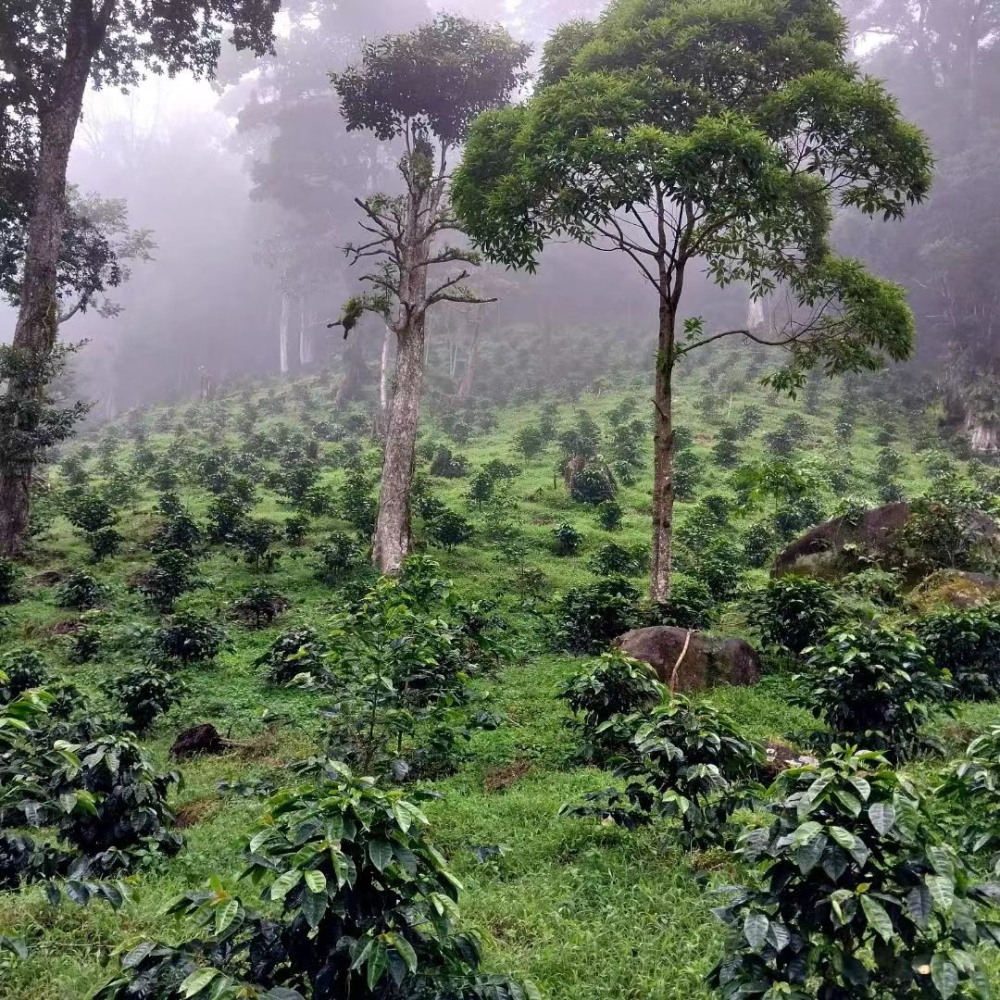
But where is Geisha’s true "homeland"? To solve this mystery, some experts returned to Ethiopia to try to trace the roots of Geisha. In 1931, a British officer ventured deep into the Geshā forest — now known as the Gori Gesha area — and collected local coffee seeds. In 2007, two coffee explorers, Adam and William, re-entered this forest and discovered several plants with morphological and flavor profiles extremely similar to Panamanian Geisha. They also established the “Geisha Village Farm” there, just about 12 miles from the original Gori Gesha forest.
A coffee brand once imported the full range of products from Geisha Village and conducted detailed comparisons between them and Panamanian Geisha. In reality, although both coffees are called "Geisha," their variety genetics are not the same and can be easily distinguished by their raw bean appearance. Below, we’ll delve into the grading systems and characteristics of both.
Ethiopia Geisha Village Grading System:
The products of Geisha Village are mainly divided into four grades: Gold Label, Red Label, Green Label, and Chaka Series.
• Gold Label: Accounts for only 10% of total production and is an extremely rare top-tier batch, usually not available on the general market but reserved for international competitions or high-end auctions.
• Red Label: Makes up about 15% of production and must score above 88 points on the SCA 100-point scale, making it the top choice for specialty coffee enthusiasts.
• Green Label: Comes from coffee produced in a single block, with each batch fully traceable, including block name, variety, and processing date — showcasing distinct "single terroir" characteristics.
• Chaka Series: Combines premium beans from different blocks and the entire harvest season at Geisha Village, offering a more layered and cost-effective option.
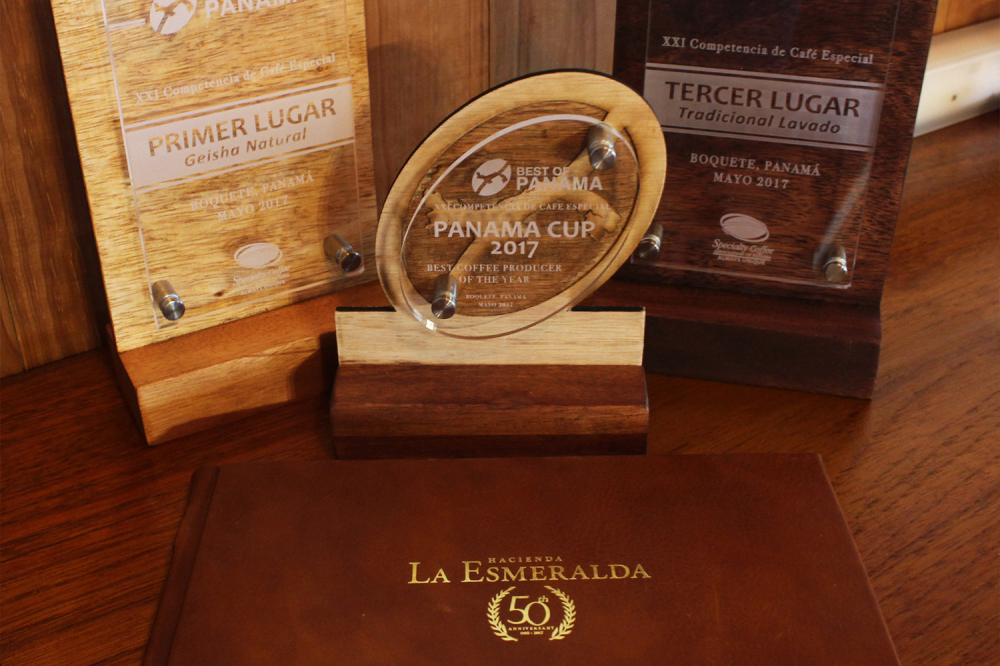
Panama Hacienda Esmeralda Geisha Grades:
Hacienda Esmeralda is the most representative producer of Panamanian Geisha coffee, with its grading mainly divided into three categories: Blue Label, Green Label, and Red Label — renowned for its exceptional processing techniques and block management.
Hacienda Esmeralda grows Geisha in three main large plots: Jaramillo, Canas Verdes, and El Velo, each of which is further subdivided into up to 22 small blocks to precisely manage microclimates and flavor differences. In 2022, the farm expanded its territory by adding Finca La Laguna, continuing its search for the optimal environment for growing Geisha.
• Blue Label (Geisha 1500 / Blue Label): Usually sourced from specific high-altitude small blocks, using refined processing methods such as natural or honey processing to showcase the purest Geisha flavors.
• Green Label: Often consists of Geisha beans from mixed blocks or lower-altitude regions, offering good value while still maintaining solid flavor performance.
• Red Label: The most prestigious grade among both Geisha Village and Hacienda Esmeralda, featuring intense floral and fruity notes along with high sweetness — a consistent winner in auctions.
With the market’s increasing demand for natural processing methods and the uniqueness of individual batches, Hacienda Esmeralda is also actively experimenting with cutting-edge processing techniques to meet the taste preferences of top-tier coffee connoisseurs.
Flavor Characteristics of Geisha Coffee:
Taking the Panamanian Geisha from Hacienda Esmeralda as an example, its dry aroma is highly distinctive, often carrying bright notes of rose and jasmine, alongside fresh fruitiness like pomelo and citrus. With light roasting, subtle nutty tones can also be detected; meanwhile, the wet aroma releases rich hazelnut and multi-floral scents.
Upon tasting, the flavors are mild and delicate. As the temperature drops, floral and fruity aromas become even more vibrant, with particularly outstanding cold brew performance. Layers such as sweet preserved fruit, rosehip, orange glaze jam, and strawberry jam are often discernible, while the finish delivers nuanced transitions of pine, cherry, vanilla, and lemon — with a sweet and lingering aftertaste that is truly unforgettable.
The above content is compiled by CoffeeHunters, a coffee news website.


